
8 “Farm-Fresh” Eggs Grocery Ads Glamorize But Taste Like Nothing
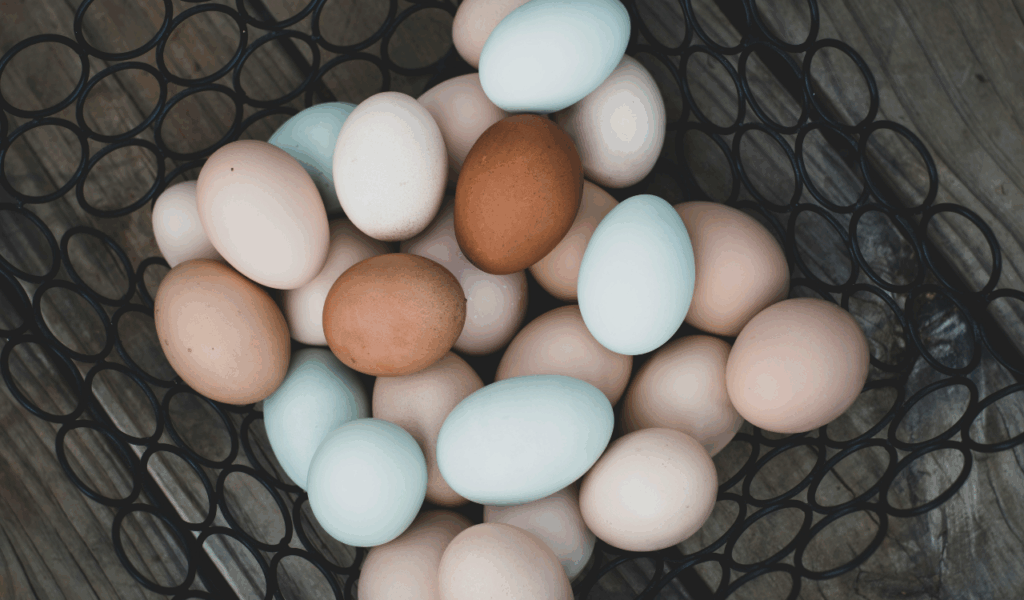
A rustic wicker basket full of pastel-colored shells is a common sight in modern grocery stores, but “farm-fresh” is frequently more of a feeling than a fact. Interior designers and food stylists say that the “farmhouse kitchen” appearance has led to a huge demand for eggs that look good on a countertop but don’t taste very good. Culinary experts say that the industrial food chain is quite good at making things look like handmade products while using fast manufacturing methods. This makes a product that looks great for a brunch photo but tastes a lot like the cardboard box it came in.
Food experts and professional organizers say that it can take weeks for an egg to get from the nesting box to the fridge case, which takes away its natural richness and flavor. One food safety auditor says, “Experts say that the ‘farm-fresh’ label on a carton is often a marketing term rather than a regulated legal standard.” Retail space designers put these eggs in warm, gentle light to bring out their earthy colors and take attention away from the reality that they are often made in huge factories. In this scenario, the buyer pays a lot for the story of a small-scale pasture, but the taste buds get nothing more than a typical, boring product.
1. The “Heritage Breed” Blue Shell Deception
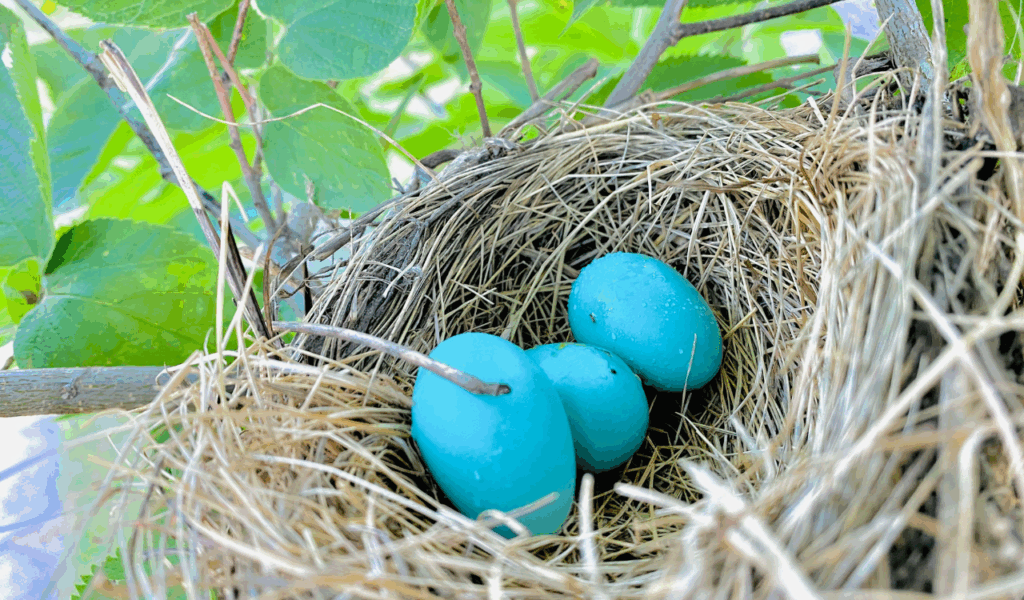
Heritage breeds like Ameraucanas are well-known for their stunning blue and green shells, which designers and stylists love to use in kitchen displays because they appear “curated.” Experts argue that the color of the shell does not affect the egg’s nutritional content or taste in any way. Professional flippers of culinary brands say that corporations often charge twice as much for these eggs just because they seem “vintage” and “authentic.
” If the chickens are still fed a regular commercial grain diet in a small space, the blue shell is only a decorative wrapper over a bland, flavorless yolk. Experts on poultry say that the hen’s nutrition and stress levels, not the genetics of her feathers, affect the quality of the egg inside. A consultant for sustainable agriculture states, “Organizers say that shoppers should look past the shell color and focus on the ‘pasture-raised’ certification if they really want flavor.
” Designers of high-end grocery store aisles utilize these bright eggs to anchor the “premium” area, believing that the look will make up for the lack of gastronomic depth. A blue shell is an expensive decoration choice for the diner, but it doesn’t usually make the omelet or sponge cake taste better.
2. The “Vegetarian-Fed” Marketing Trap
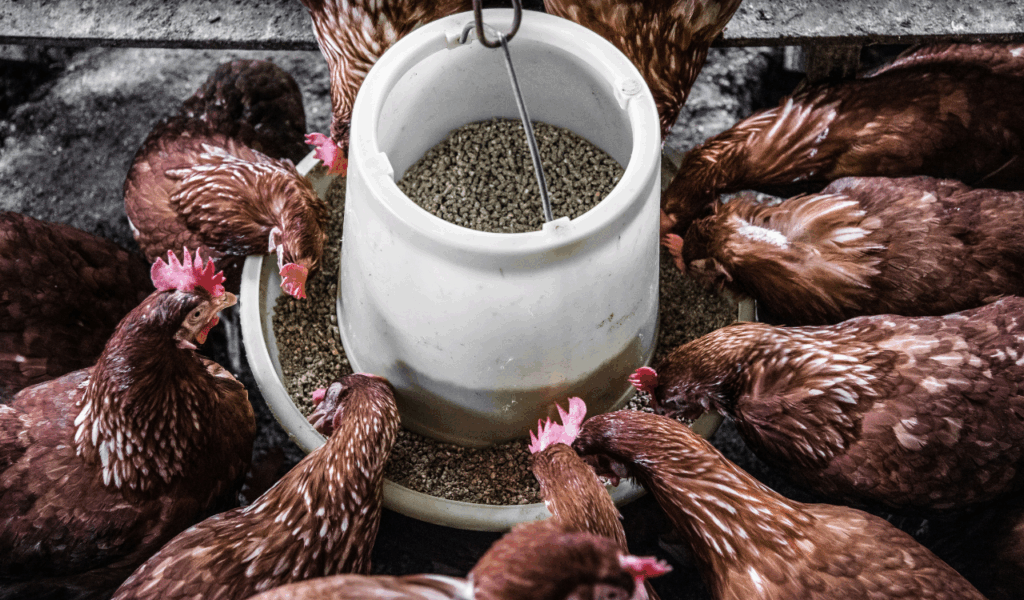
The “Vegetarian-Fed” label is commonly advertised as a clean, healthy choice in glossy ads, but chefs say it’s a sign that the eggs don’t taste good. Chickens are naturally omnivores and “jungle fowl.” They eat grubs, worms, and insects, which give them the proteins and lipids they need to make a deep, complex yolk. Experts argue that when a hen is exclusively fed corn and soy, the eggs it lays don’t have the earthy, delicious flavors that real farm eggs do. This makes the yolk pale and runny, so it blends nicely with the other ingredients in the meal you are making.
Professional chefs and those who plan high-end farm-to-table events frequently don’t utilize “vegetarian-fed” eggs since they don’t hold up well when poached or fried. “A professional chef says that designers of premium menus say that a hen’s diet should be as varied as possible to make a ‘golden’ yolk.” Contractors who build sustainable poultry systems say that a hen that can’t eat bugs isn’t acting like a hen should, which affects the quality of the egg. In an ad, the label sounds good, but in real life, it’s a formula for a boring, one-dimensional breakfast.
3. The “Natural Grain” Sun-Drenched Silhouette

Advertisements sometimes portray golden grain fields to suggest a healthy, natural diet, yet “natural grain” is usually just a fancy way of expressing “standard industrial feed.” Food packaging designers employ bright, sunny pictures to make you forget that the grain is typically highly processed and doesn’t have the clover and wild grasses that hens adore. Experts suggest that these diets strong in grains make eggs with a lot of Omega-6 fatty acids, which can leave a metallic or “flat” taste in the mouth.
It is a trick of the eye that makes a monoculture diet seem like a simple, handcrafted way of life.
Nutritional specialists say that chickens who consume a variety of foods from different pastures instead of a trough of “natural” pellets lay the tastiest eggs. A whistleblower in the food sector says, “Experts say that the ‘grain-fed’ label is a way to hide a lack of access to the outdoors.
” The “yolk stand” test is the best way to check the quality, according to the organizers. A grain-fed egg will frequently have a yolk that breaks readily and runs like water. The ad makes you think you’re buying a piece of the countryside, but you’re really buying something that was made in a very clean, regulated atmosphere.
4. The “Nest-Box Fresh” Three-Week Delay
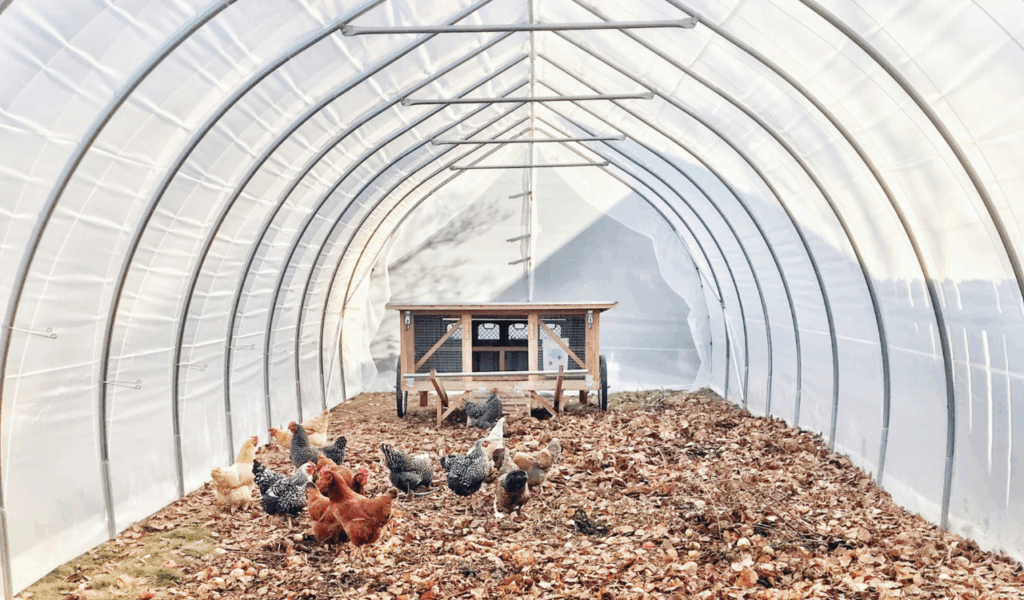
The phrase “nest-box fresh” is often used in commercials to suggest that the egg was collected only a few hours earlier, but that’s not how grocery stores work. Designers of supermarket supply chains say that eggs can be marketed in the U.S. for up to 45 days after they were packed and even longer after they were laid. Experts claim that when an egg becomes older, the CO2 escapes through the shell, which is full of holes. This raises the pH and makes the proteins break down and lose their flavor. This makes the egg taste quite stale, even if it comes in a farm-themed box.
Organizers in the supermarket business say that “fresh” is a relative phrase that doesn’t often include the time spent in transit and storage. “Designers of cold-storage systems say that while refrigeration keeps eggs safe, it does nothing to preserve the delicate aromatics of a truly fresh egg,” says a logistics expert. Real estate agents and stagers sometimes utilize the “farm-fresh” image to sell a lifestyle, yet the eggs themselves are often the oldest things in the fridge. You would have to buy from a place where the “nest-box” is within a few miles of your kitchen to obtain the flavor that the marketing promised.
5. The “Cage-Free” Indoor Paddock
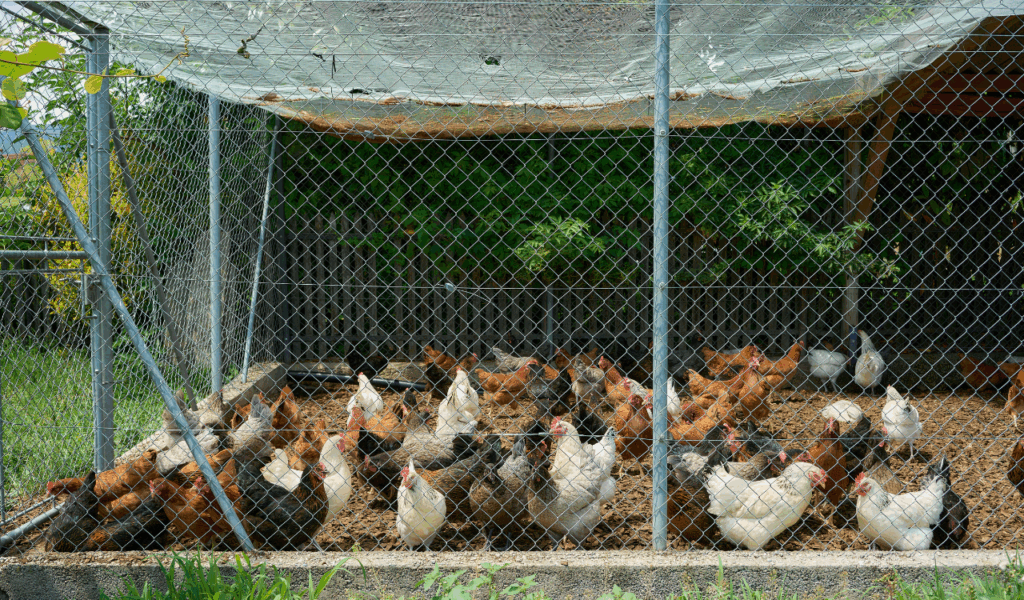
Ads that show hens walking around in a barn make the word “cage-free” sound better, but experts say this doesn’t always make the eggs taste better. Cage-free chickens are better than battery cages, but they are still often kept in huge, dusty warehouses with no access to the outside world, where thousands of them live. The people who design these places care more about high-density production than the quality of the environment, which stresses the birds and makes the eggs taste bad.
The ad’s “freedom” typically merely means being able to stand on a concrete floor in a crowded barn. Animal welfare specialists say that the taste of an egg is a direct reflection of how stressed and active the hen is. A veterinary expert says, “Organizers say that ‘Cage-Free’ is the bare minimum and rarely means a premium flavor profile.
” Grocery store marketers use the word to make people feel better about buying them, but the taste is the same as the cheapest eggs on the shelf. The egg won’t taste like “sunshine” if the hen never sees the sun or eats grass. This is what makes a real farm-fresh product.
6. The “Omega-3 Enriched” Flaxseed Funk
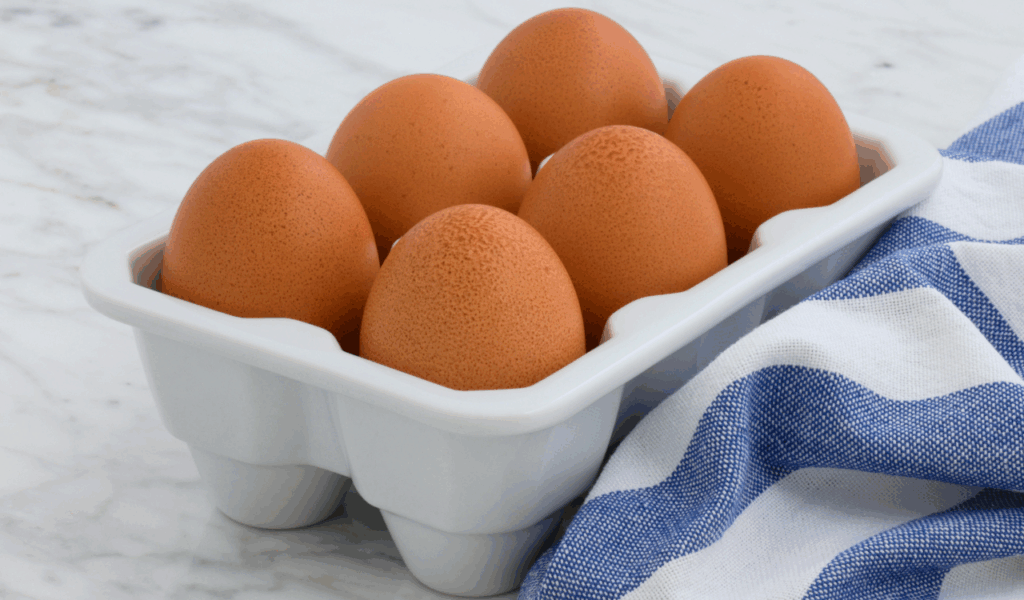
Grocery store commercials often say that “Omega-3 Enriched” eggs are a superfood, however chefs say that the flaxseed used to raise these levels can spoil the taste. When chickens eat a lot of flaxseed, the eggs can smell “fishy” or “off,” which is not good for delicate foods like custards or meringues. When making health-conscious food lines, the test results of the egg are more important than how it tastes to the customer. This makes a product that appears good on a nutrition label but doesn’t taste like scrambled eggs.
Professional chefs don’t use these eggs very often because the oil from the flax can make it hard for the egg whites to foam and solidify. A pastry maker says, “Experts say that the ‘enrichment’ process is often a way to charge more for an egg that actually has a shorter shelf life and a weirder taste.” People who run clean-eating regimens say that you should eat real fish for Omega-3s and regular pasture-raised eggs for flavor. This is a classic example of “functional food,” where the function has totally taken over the form and flavor.
7. The “Pasture-Raised” Without the Pasture

“Pasture-Raised” is the best way to sell eggs, but if there isn’t a “Certified Humane” or “American Humane” seal, the claim may not be true. If chickens have a little, dirty “pop hole” that leads to a small outdoor area that isn’t utilized very often, designers of misleading labels often use the word. Experts claim that the “pasture” designation is only a method to explain why a $4 egg costs $9 if the hens aren’t really moving around in fresh green grass.
This makes the yolk a light orange color, which is often because the chickens are eating marigold petals instead of actually foraging. Agricultural inspectors say that the thickness of the eggshell shows the difference between a “marketing pasture” and a “real pasture.” “Real farming system designers say that hens that really forage have much stronger shells because they get more natural minerals,” explains a farm expert.
If the yolk doesn’t stand up straight and tall in the pan, the “pasture” claim is probably not true, say the people in charge. It costs a lot of money to trick people into thinking that the chickens are having a glamorous life, which makes the flavor completely industrial.
8. The “Local” Label That Means “Regional”
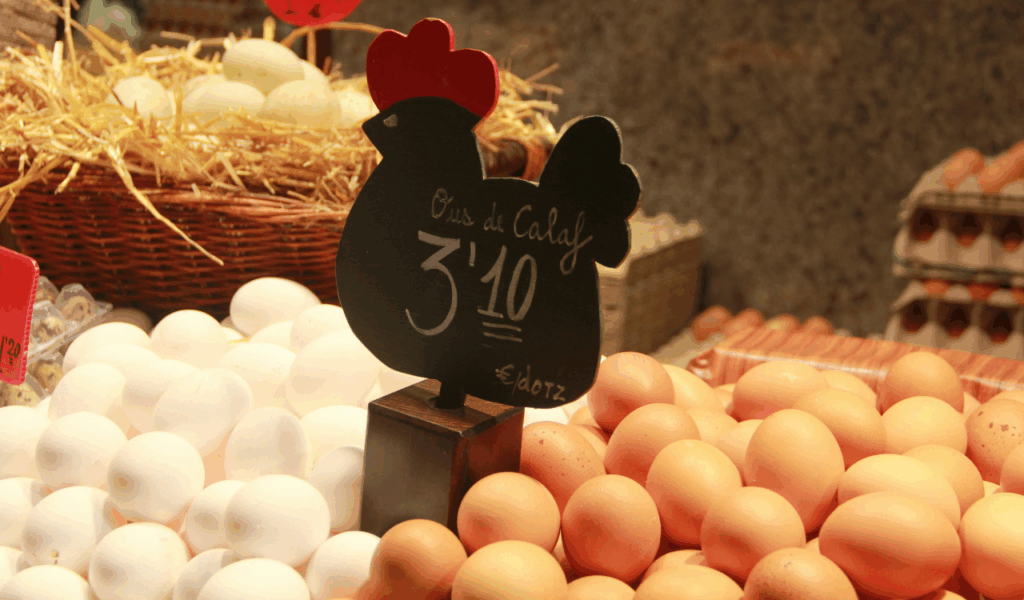
The “Local” tag is the best way to make grocery commercials look good, but in the world of industrial egg production, “local” might mean anywhere within 400 miles. Designers of regional food hubs say that eggs from a huge farm in a nearby state are often labeled as “local” to take advantage of the popularity of community-supported agriculture. Experts believe that these “regional-local” eggs nevertheless go through big washing and grading facilities that take off the egg’s protective cuticle. This makes you age faster and gives you an egg that is weeks old.
Real estate agents and community organizers often tell people to “buy local” to receive fresher food, but the grocery store’s definition of “local” is based on practicalities, not taste. A small-scale farmer says, “Experts say that a truly local egg should never have been refrigerated or washed if it’s for immediate consumption, as that preserves the flavor.” The “Local” sign is used by supermarket marketers to make people feel like they can trust the supply chain, which is something that doesn’t always happen. When you crack open a “local” egg and the white is thin and watery, you can tell that the egg has lost its soul on a lengthy trip across the region.