4 Fast-Food Value Menus That Aren’t a Value Anymore
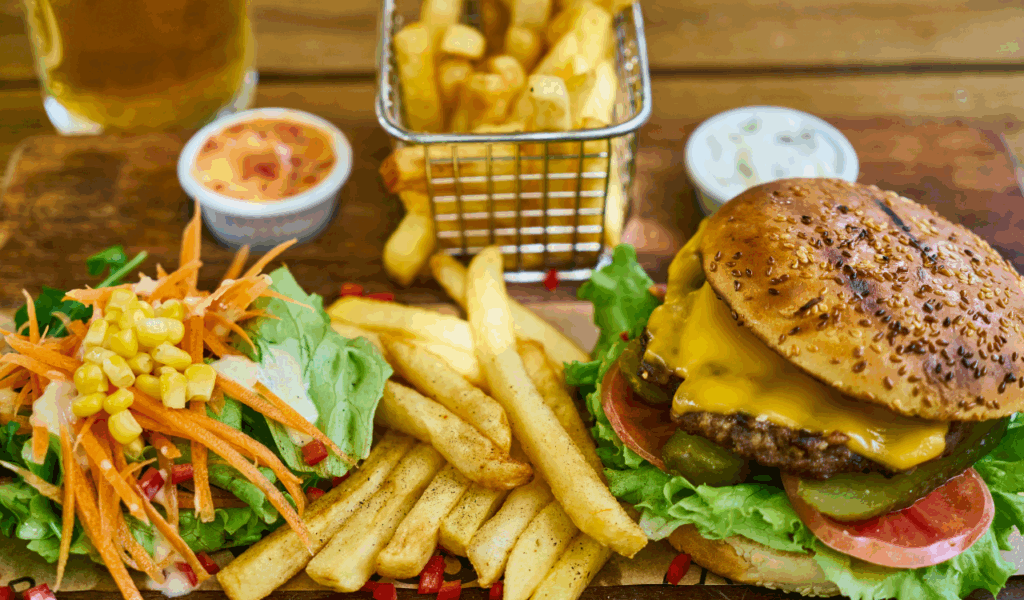
Value menus at fast food restaurants used to be a sure thing: a few cheap things that could make a whole meal without breaking the bank. A lot of the time, “value” sections don’t feel like real deals anymore. Prices go up, quantities are smaller, and the finest deals are replaced by smaller extras that don’t satisfy. The price goes up quickly when you add extra charges for sauces, toppings, or exchanges. Value is also affected by app, point, and short-term deals. Not everyone wants to do lunchtime phone work. This article discusses four common discount menu trends that aren’t value anymore and how to find actual savings.
1. The “One Dollar” Style Menu That No Longer Has One Dollar Items
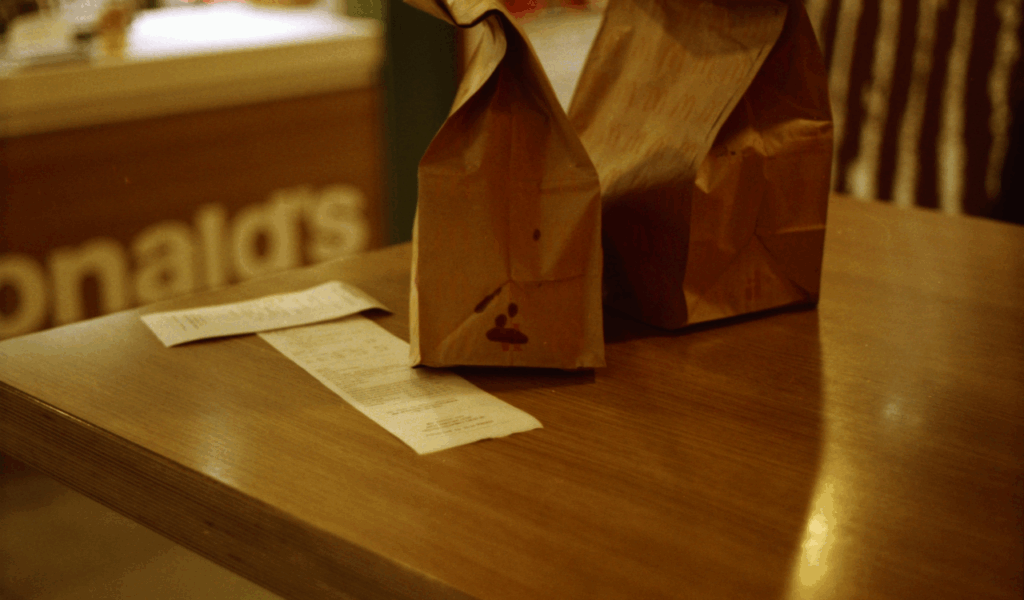
The original “one dollar” style menu doesn’t make sense anymore since the lowest price is no longer close to one dollar. Many chains still use the same labels, colors, or layouts, but today individual goods cost several dollars, and the most filling options are now in more expensive bundles. Because the portions are modest, you might need to order two or three things to be happy. Add a drink and it can cost as much as a combo dinner. Comparing items by value is beneficial. If two little value items cost the same as one regular sandwich with more protein and substance, the value menu is mostly a promotion.
2. The Value Menu That Is Really Just Snacks and Add-Ons
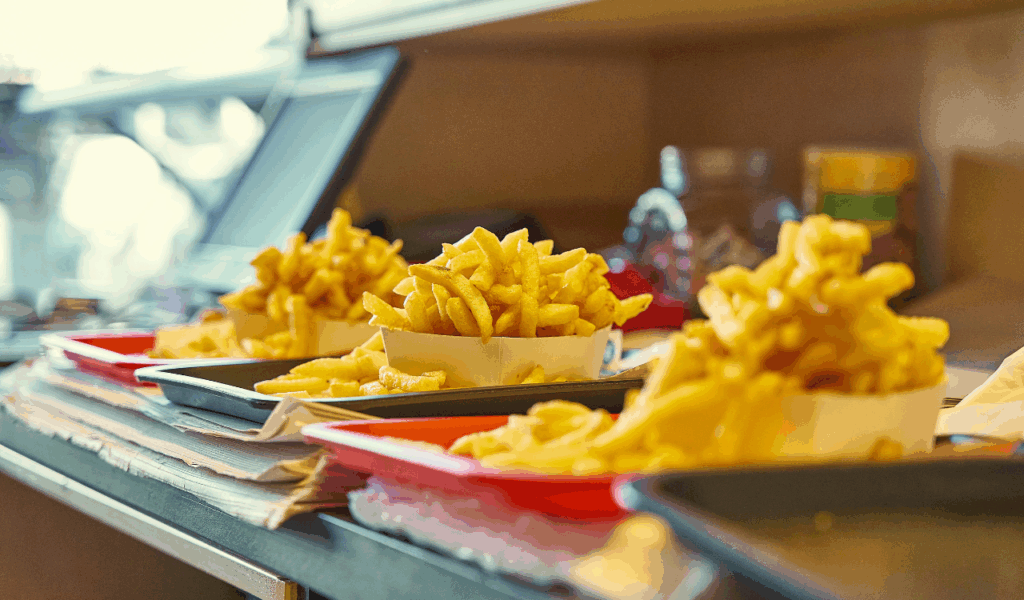
Some bargain meals are mostly made up of snacks that look cheap but can’t be eaten as a meal on their own. These menus usually have small fries, simple sides, tiny desserts, or just one small sandwich that is mostly bread. These things can be used as extras, although calling the section “value” can be confusing if it doesn’t let clients make a whole order. People who eat out often stack many items on top of each other, which quickly boosts the bill. A real deal should be a full dinner for less money, not a bunch of little extras that don’t fill you up. The value section doesn’t include enough main items from the normal menu.
3. The “App-Only” Value Menu That Requires Extra Steps
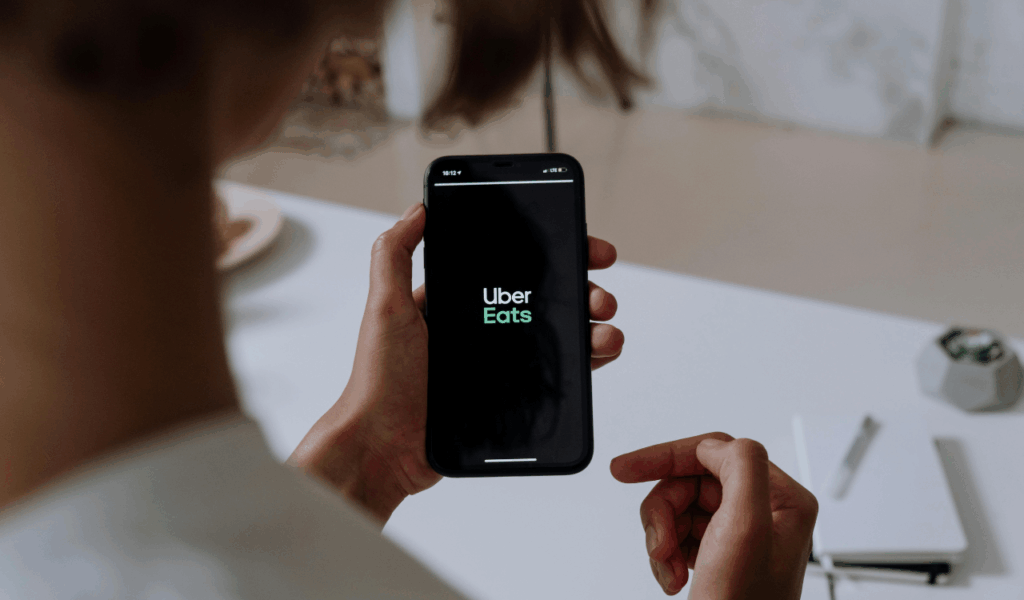
Value menus that are exclusively available through an app can help you save money, but they stop being useful when the discount comes with extra work. Customers could have to download an app, make an account, give out personal information, and keep track of deals that change. Some deals have a minimum amount you have to pay, certain ways to pick up your items, or a short time frame. Ordering is annoying and takes a long time if the app breaks or takes a long time to load. This setup seems more exclusive than useful for occasional travelers. An excellent offer is clear and always available at the counter. Anyone can order it.
4. The “Value Combo” That Costs Almost the Same as a Regular Combo
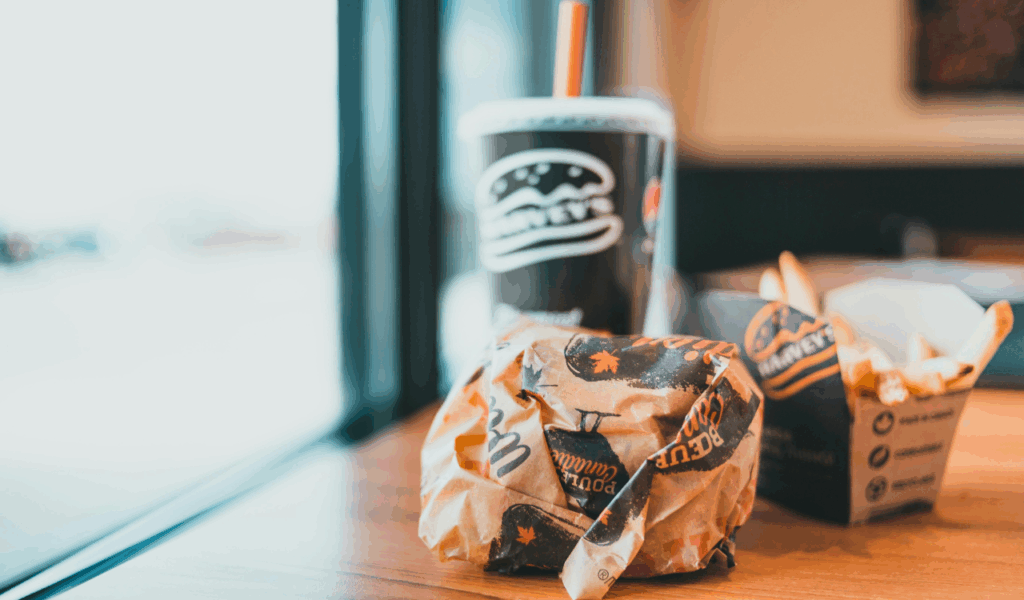
When the price of a value combination is just marginally lower than that of a conventional meal, but it contains a smaller quantity of food, the value combo is no longer considered a bargain. Despite the fact that these combos sometimes have smaller sandwiches, decreased side servings, or limited drink quantities, the amount of money saved is not significant. Customers often feel that they’re paying virtually full price for a subpar service. Cost per item or total pleasure is a better way to evaluate these offerings. If saving a little means giving up a side or a superior main item, the deal is awful. Strong value pairings are expensive.