
13 School-Year Storage Solutions That Created More Clutter
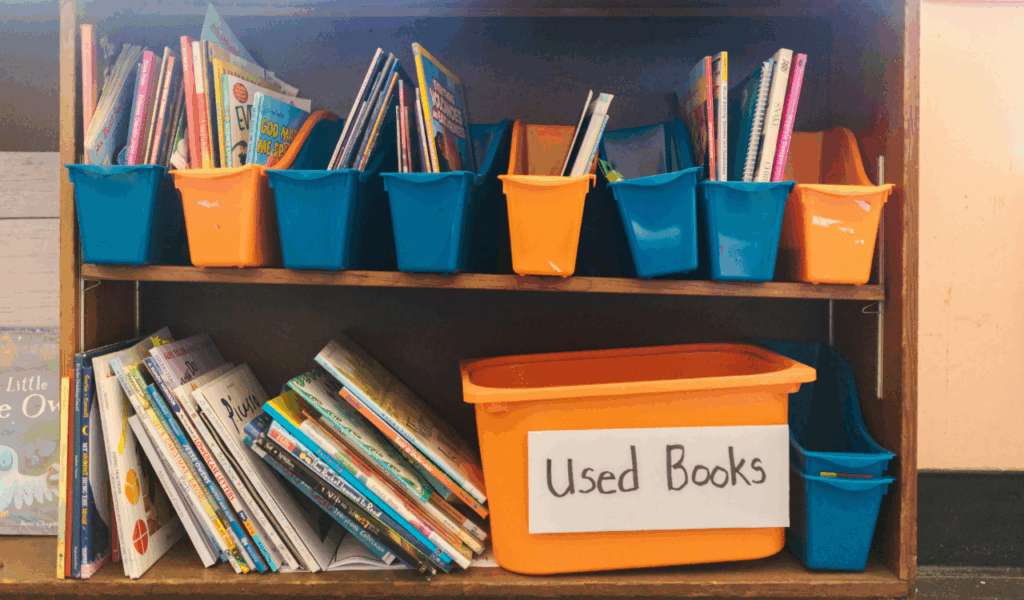
When the school year starts, people frequently feel like they need to rearrange their houses to be more productive and organized. Storage solutions are sold as quick remedies for backpacks, documents, supplies, and the mess that comes with everyday life. Some ideas that seem useful at first wind up making things messier instead of cleaner. Too many sophisticated systems, poorly matched containers, and trend-driven organizers can make routines harder instead of easier. Regularly sorting or cleaning storage can quickly become a cause of stress. By analyzing which systems failed, families can focus on simple, adaptable, and beneficial ones all year.
1. Overstuffed Entryway Cubby Systems

People often say that entryway cubbies are the best method to keep school day messes under control, yet they often get too full and messy. When cubbies are too small or shared by more than one person, things soon pile up and lose their obvious boundaries. There isn’t enough room for shoes, backpacks, sports gear, lunch bags, and documents, so they spill over onto the floor and other surfaces. Overstuffed cubbies don’t help people stay organized; instead, they become places to throw things without thinking. Without regular cleaning and sensible limits, they may make entryways hectic and filthy, especially in the morning when everyone is running.
2. Excessive Clear Plastic Bins
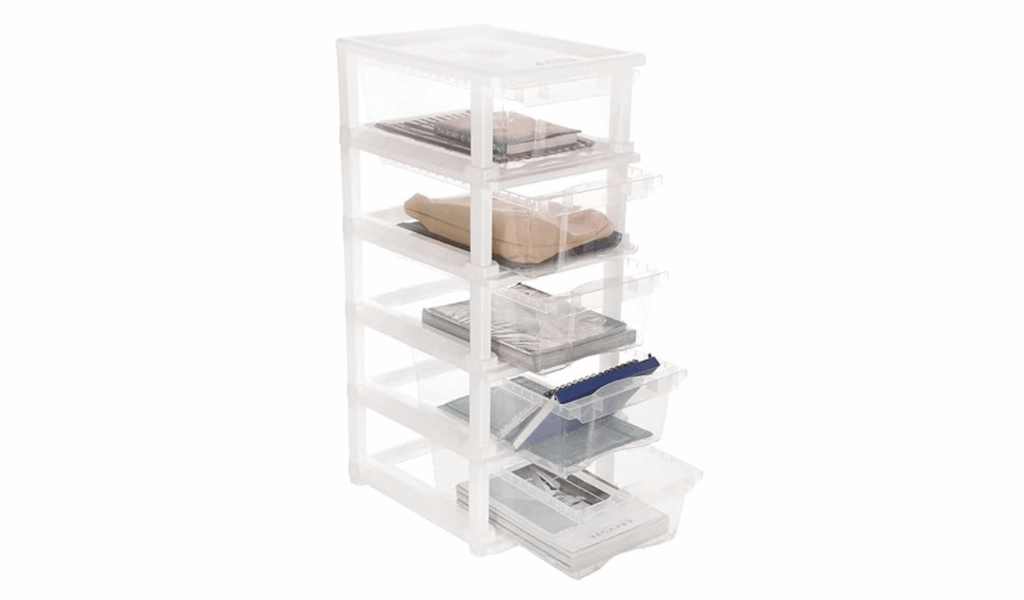
Clear plastic containers promise that you can see what’s inside and get to it easily, but employing too many of them might soon backfire. When every little thing has its own box, shelves fill up with rows of boxes that need to be sorted and reorganized all the time. Even though everything is theoretically contained, visual clutter can nonetheless grow. Using lids, labels, and stacked bins every day takes extra steps. Over time, the system can seem more complicated than it has to be, which can make people stop using it altogether. Too many bins might make storage feel stiff and intimidating instead of making routines easier.
3. Overhead Hanging Organizers
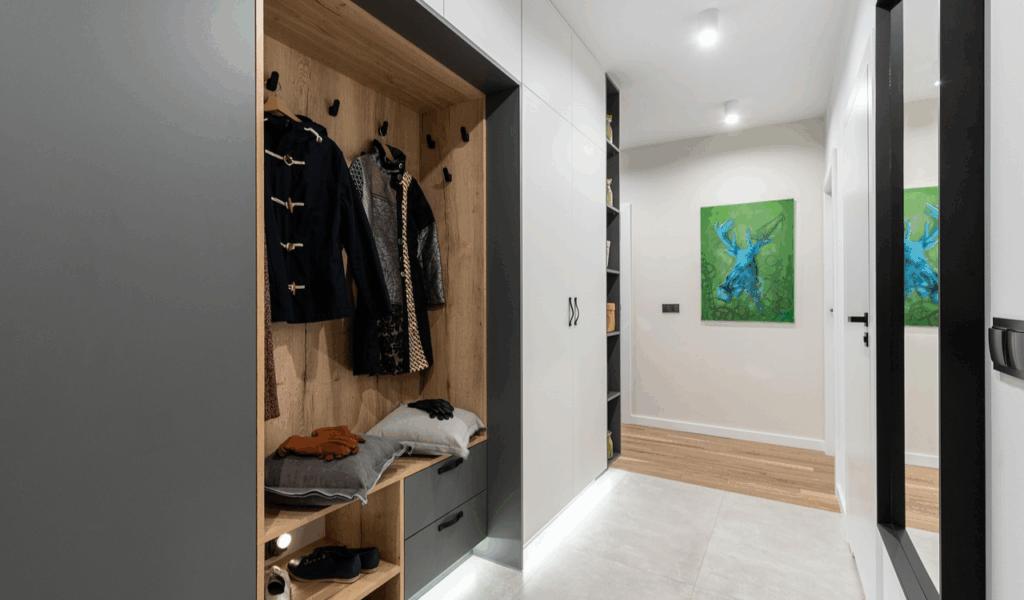
Hanging organizers are an excellent way to maximize vertical space, particularly in locations such as closets or corridors; but, they also have the potential to make things more disorganized. while things are placed in a prominent location, it is simple to forget about them, and it is even more difficult to get them while you are busy. It is possible for pockets to sag, stretch, or wear unevenly when they are full with items because of the additional weight. These organizers often hide messes, requiring repeat purchases or supply loss. These are mistakes, not storage aids. However, hard-to-access storage is often neglected.
4. Color Coded Supply Systems
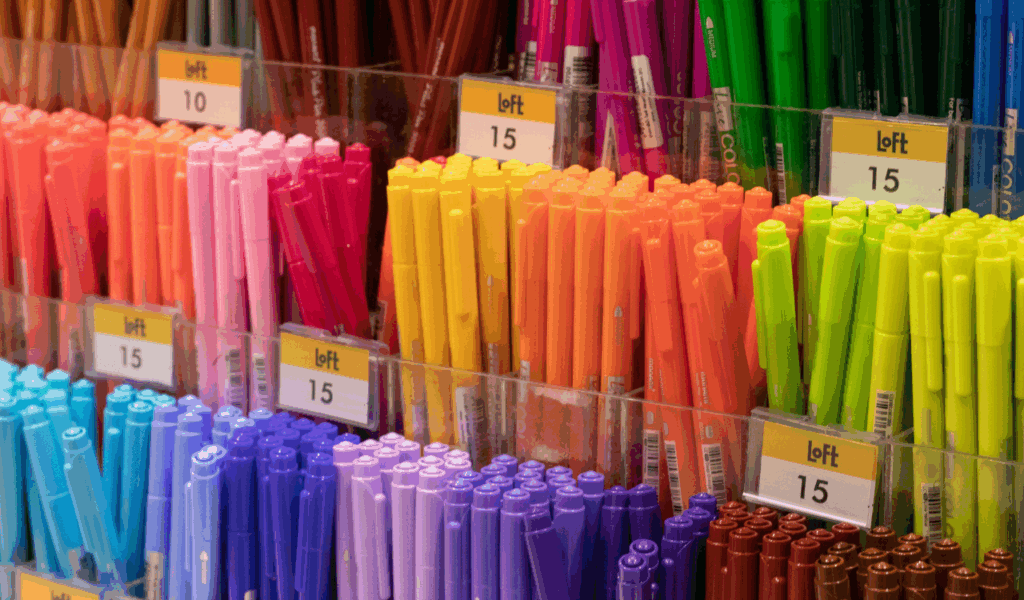
Color coding school supplies seems like a good idea and looks nice, but it can rapidly become too limiting. It’s hard to keep tight color guidelines when things run out, break, or need to be replaced in the middle of the year. Products that do not conform to the system are frequently discarded, misplaced, or not utilized by individuals because they do not fit properly. As time passes, the emphasis shifts from ensuring that things function well to ensuring that they seem presentable. Color-coded systems have the potential to make routine tasks more difficult and rigid, rather than reducing the amount of stress they cause.
5. Multiple Small Desk Organizers
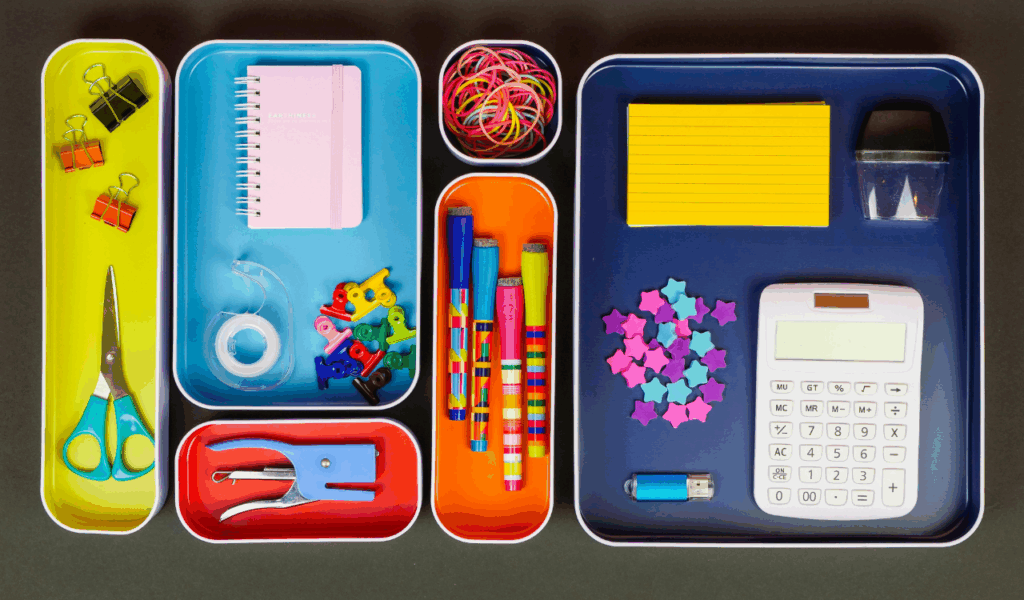
Small desk organizers are meant to keep materials separate and orderly, but employing too many can make workspaces messier instead of better. Each organizer has edges, chambers, and surfaces that catch dust, loose papers, and other things that don’t belong there. When desk space is limited, it gets broken up, which makes the work area less useful. Everyone, from children to adults, could have problems remembering where items are located. In general, it is simpler to concentrate, to clean up more quickly, and to make more flexible use of the workspace when there are fewer containers and a more straightforward organization.
6. Stackable Drawer Units
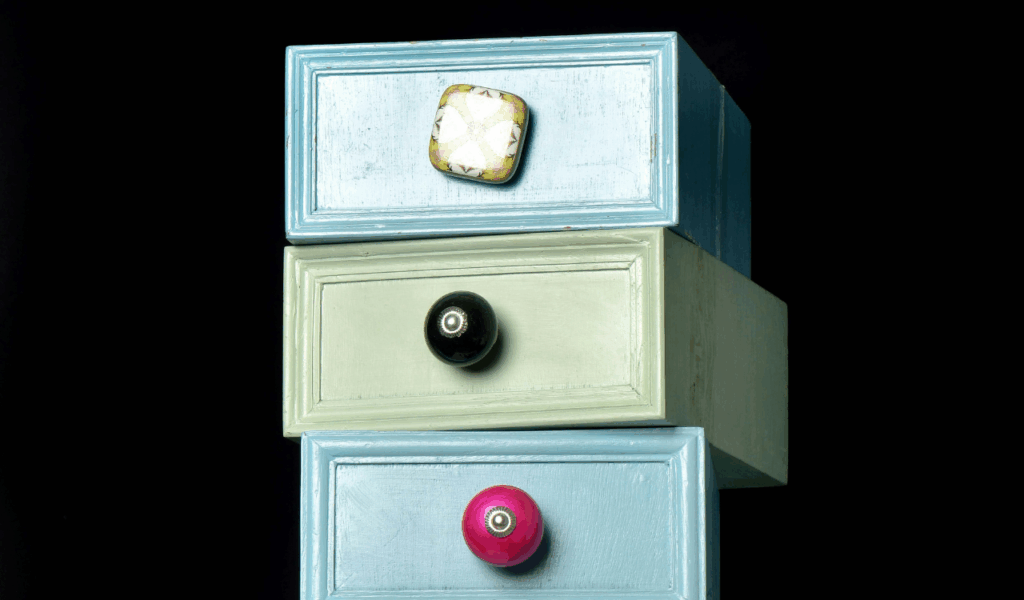
The appearance of stackable drawer units gives the impression that they may be modified and adapted; yet, over time, they frequently become unstable or get excessively full. In the event that you place items in drawers in an unequal manner, they may become stuck, tilt, or tip. Sometimes people forget about goods that are in lower drawers, which makes it difficult to notice them and less likely that they would be used evenly. Obtaining supplies often requires unstacking or rearranging units, making order difficult. Stacked systems can make ordinary chores harder and allow clutter to accumulate without anyone noticing.
7. Backpack Hooks Without Limits
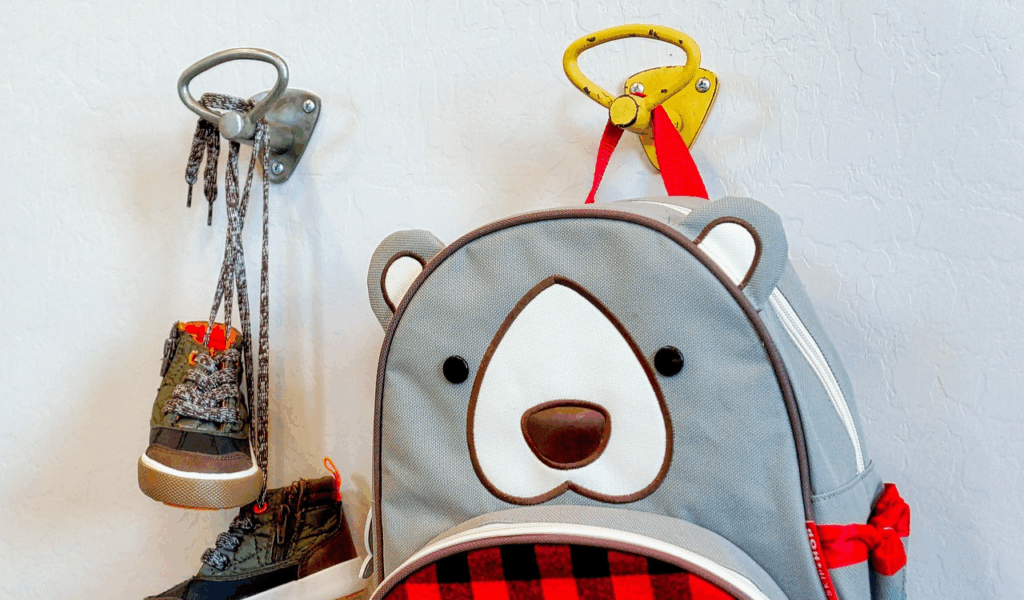
Backpack hooks help keep floors tidy, but if there aren’t clear limitations, they can make things pile up instead of organizing them. Several backpacks, jackets, hats, and other items can quickly fill up walls and doorways. Over time, hooks become overloaded, which not only makes things appear disorganized but also makes it more difficult to locate the item that is needed. When there are an excessive number of things in the same spot, the system experiences a decrease in its efficiency. It is not always the best method to encourage people to notice your hooks to have a wall that is completely covered in things that are hung.
8. Binder Overload Systems
Binders are frequently used by individuals to organize their schoolwork; nevertheless, an excessive number of binders can cause shelves, desks, and bags to become overloaded. As the school year progresses, thick binders typically do not see much use because they take up a lot of space and are not used very often. The approach may nonetheless result in papers being loose or crumpled, which is contrary to the purpose for which it was initially designed. There is a possibility that managing more than one binder will be cumbersome and time-consuming. A simplified paper management system reduces clutter and is easier to maintain.
9. Supply Caddies for Every Subject
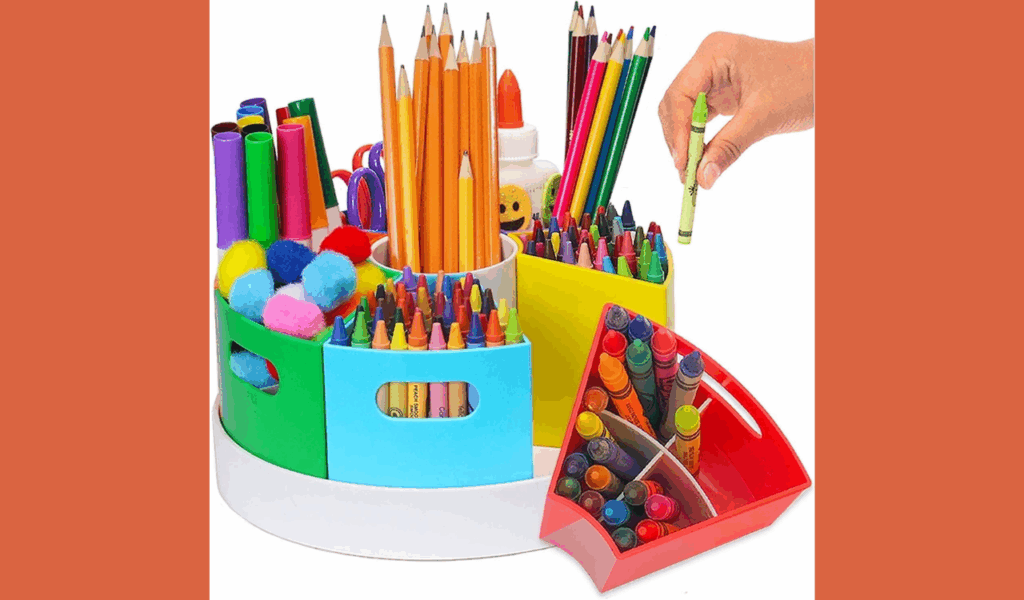
Supply caddies that are tailored to a certain subject may appear to be a smart idea in theory, but in fact, they tend to accumulate rapidly. To keep track of a large number of caddies, you will need a separate location and to do routine maintenance. When people acquire an excessive amount of goods, it not only makes things more expensive but also more messy. In the event that routines are altered, it is possible that these caddies will not be utilized; nonetheless, they will still take up space. During the course of the school year, a supply system that is shared or centralized is typically simpler to operate, more adaptive, and more efficient.
10. Rolling Storage Carts

It is possible for rolling storage carts to swiftly transform into catch-all units, despite the fact that they are portable and versatile. As a result of the rapid addition of items without any predetermined categories or standards, the storage area becomes disorganized and overcrowded. However, despite the fact that wheels make it simpler to move carts, they also make it simpler to incorrectly organize them. Through the passage of time, carts frequently become locations where a variety of materials accumulate and create a mess. The convenience of these things can actually be detrimental to your long-term organization if you don’t look at them very often.
11. Under Bed Storage Overuse

However, excessive usage of under-bed storage can simply hide clutter rather than reducing it, despite the fact that it optimizes underutilized space. Objects that are kept hidden from view are frequently overlooked or forgotten about. Due to the fact that gaining access to them requires effort, it is less likely that they will be utilized on a frequent basis. As a result of this, the clutter is not resolved; rather, it is pushed around instead. The use of under-bed storage as a default solution for surplus items is not a good idea; rather, it functions most effectively when it is limited and designed.
12. Wall Mounted Pocket Systems
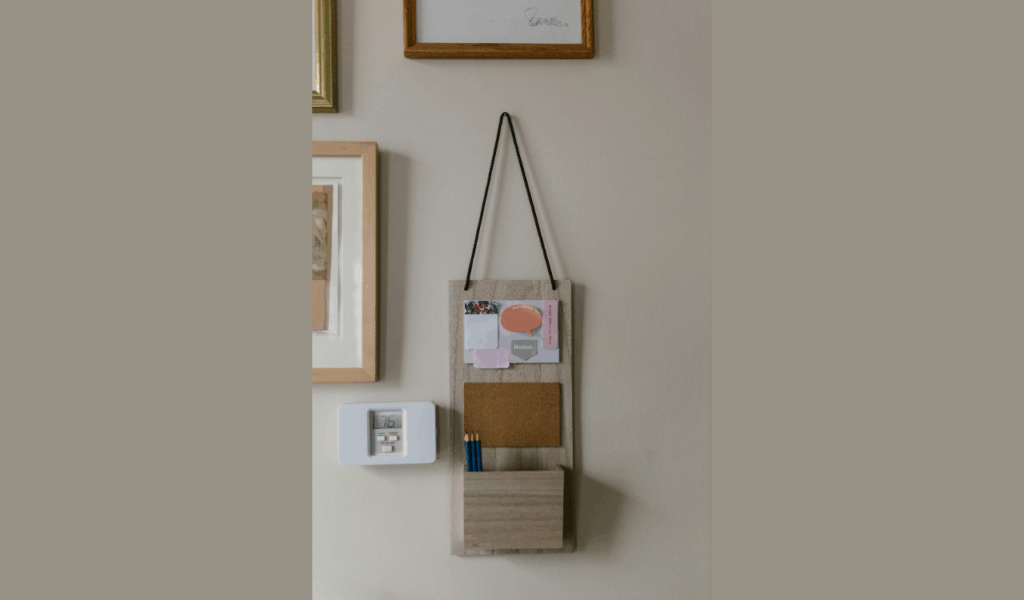
Pocket systems that are installed on the wall offer the promise of vertical organization, particularly for papers and mail; yet, they frequently end up becoming paper traps. Important documents are mixed in with artwork, paperwork, and notices that have become obsolete. When pockets are not sorted frequently, they become cluttered and lose their clarity. What begins as a well-organized display has the potential to quickly become a visible reminder of activities that have not yet been completed. However, if it is not regularly maintained, the system has the potential to become overwhelming.
13. Seasonal Storage Without Review
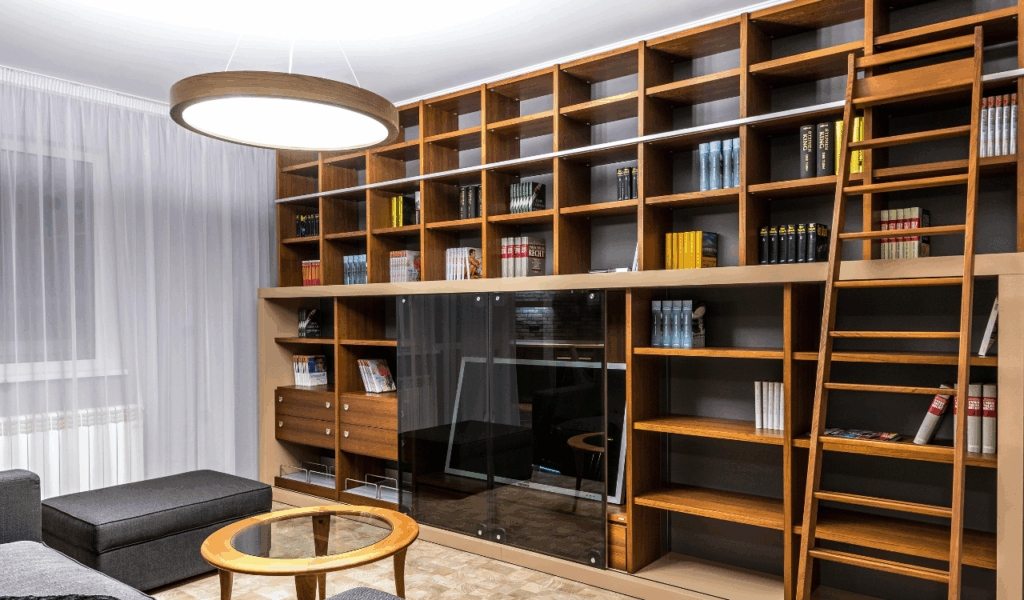
Seasonal storage systems are predicated on the fact that they are regularly reviewed and decluttered, yet during the hectic school years, this step is sometimes overlooked. Items continue to collect without being reevaluated from year to year. The storage rooms get congested with materials that are not being used, old projects, and supplies that have grown obsolete. Rather of preventing long-term clutter, seasonal storage, when not subjected to conscious assessment, actually contributes to it. In order to maintain the usefulness and relevance of storage, regular review is needed.