9 Beef Dishes That Feel Worth Ordering Out For
A basic steak may be made at home with a hot pan and a little perseverance, but other beef dishes require a certain amount of technical expertise, specialized tools, or just plain time that makes them ideal for a restaurant setting. Executive chefs claim that meals involving labor-intensive procedures like 48-hour braising, intricate butchery, or multi-day dry-aging are the ones that are most “worth” the menu price. A kitchen may achieve a level of flavor and texture refinement that is almost impossible to attain in a residential setting when it devotes this much work to a single protein.
Ordering these meals is a great way to see the entire scope of a professional kitchen’s resources, according to professional food critics and restaurant consultants. According to experts, you are paying for knowledge rather than just ingredients when you choose preparations that call for artisanal sourcing, high-temperature infrared broilers, or specialized smokers. With a sensory return on investment that makes leaving the comforts of your own kitchen worthwhile, these nine dishes are the epitome of beef craftsmanship. By looking for these particular preparations, you can guarantee a meal that celebrates the richness and adaptability of premium beef and feels like a real event.
1. Dry-Aged Prime Ribeye

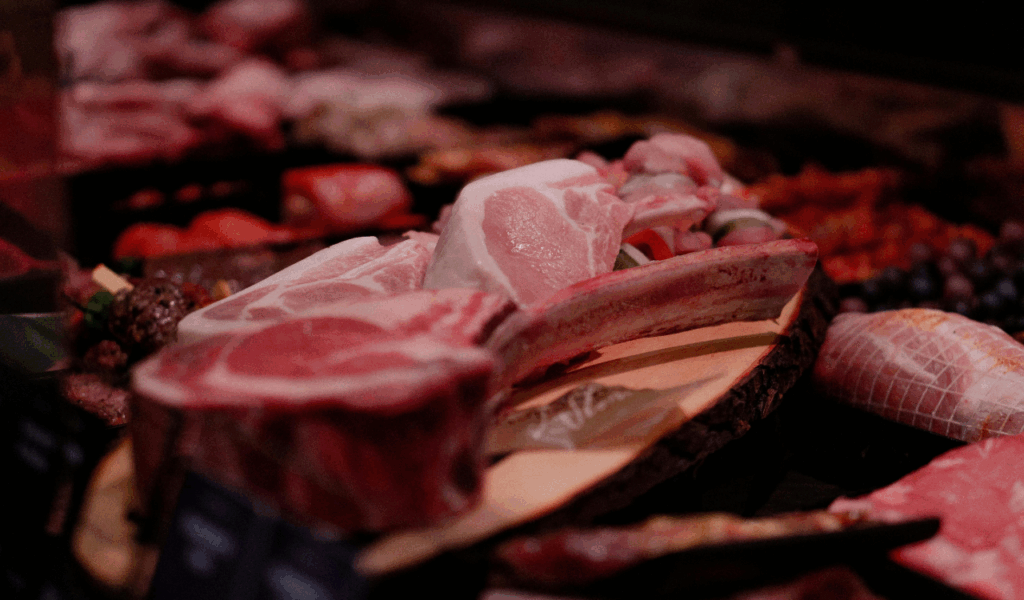
Time and biology determine the difference between a dry-aged ribeye from a fancy steakhouse and a typical supermarket steak. Master butchers and chefs say that dry-aging entails hanging sub primal slices for 30 to 60 days in a controlled setting with respect to temperature and humidity. This technique concentrates the flavor of the beef into something akin to roasted almonds or blue cheese by allowing natural enzymes to break down connective tissue as moisture evaporates.
According to experts, proper dry-aging is a top “order out” luxury since the necessary infrastructure is too costly and dangerous for the majority of home cooks. As a visual representation of this process, designers of upscale steakhouses frequently incorporate “ageing lockers” with salt walls.
An in-house ageing program is a sign of a significant culinary institution, according to realtors. You are experiencing a flavor profile that is unattainable with fresh meat when you order a dry-aged steak. With a level of depth that sets the modern steakhouse standard, the combination of the butter-soft texture and the concentrated umami creates a refined dining experience that merits the premium price point.
2. Classic Beef Wellington
One of the most technically demanding dishes in the Western repertoire is beef Wellington, which makes it the ultimate restaurant “flex.” Pastry experts and executive cooks say the meal calls for a delicate puff pastry, prosciutto, and layers of mushroom dashi (duxelles) wrapped around a center-cut Chateaubriand. The challenge is to get the center of the pastry just medium-rare without the outside burning or the bottom being soggy. According to experts, even experienced home cooks find the “assembly and bake” to be a high-wire act due to the precision necessary.
Wellington is frequently used as a tableside carving experience by designers of classic fine-dining rooms to highlight the ideal cross-section. A good Wellington, in the opinion of food experts, is a symphony of textures, including the tenderness of the meat, the silkiness of the mushroom, and the crunch of the crust. Most people only like this dish when a professional kitchen is doing the work because it takes hours to prepare and requires a highly specific oven calibration. It is still a classic representation of culinary artistry that is served with a sense of specialness.
3. Traditional Texas-Style Smoked Brisket
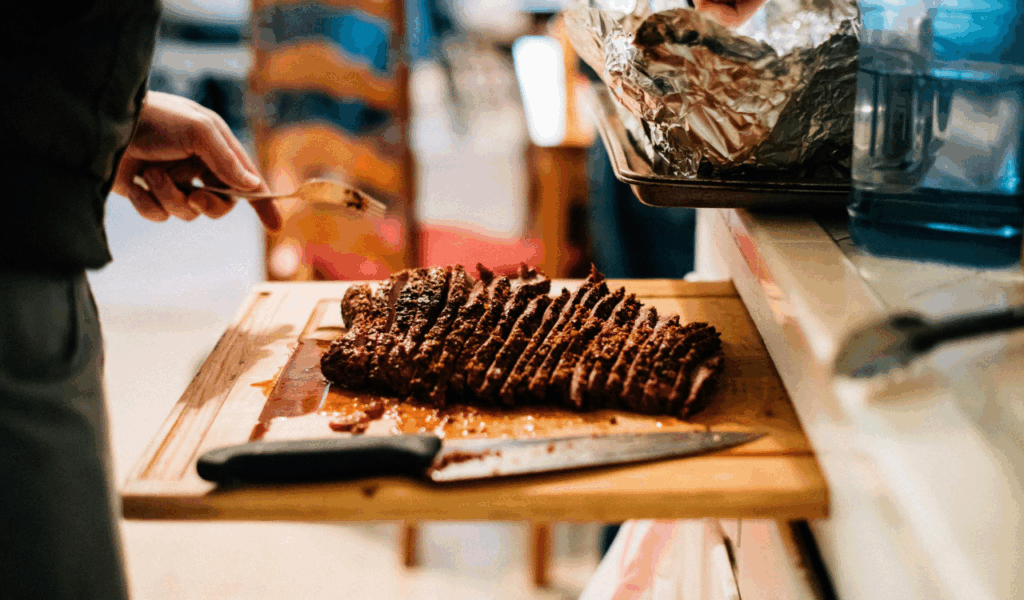
“Barbecue” is a popular backyard pastime, but real Texas-style brisket demands a dedicated offset smoker and half a day of unwavering focus. Pitmasters state that a premium brisket needs to be smoked over post oak for 12 to 16 hours in order to melt the collagen entirely and develop an outside “bark” of smoke and spices. According to experts, the “jiggle” of a correctly cooked brisket is the consequence of careful fire control, which is hard to maintain in a typical pellet smoker or home grill.
Pitmasters are admired by professional chefs for their ability to read the smoke and the texture of the meat. Travel and culinary writers claim that the taste of slow-rendered fat and authentic wood smoke is unmatched, making a journey to a well-known smokehouse a rite of passage.
By placing your brisket out order, you are taking advantage of the pitmaster’s 2:00 AM start time and their years of expertise operating the “stall.” It is worth every minute of the wait since it is a hearty, time-consuming dinner that embodies the best of American slow cooking.
4. 48-Hour Braised Short Ribs
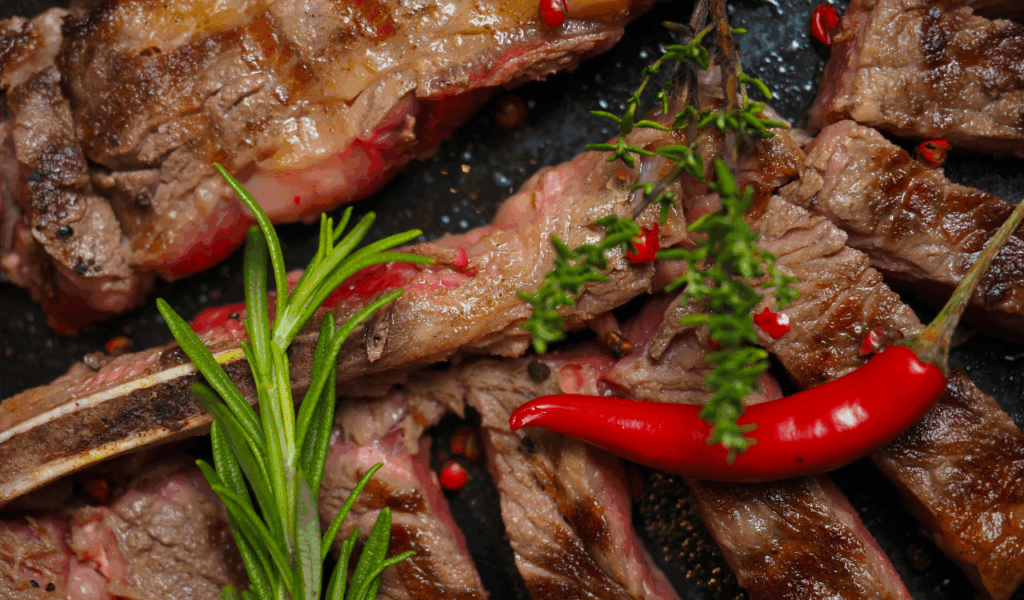
Short ribs, a current gastropub staple, have gained popularity due to their amazing “fork-tender” consistency, but making them at home requires several days of work. The greatest short ribs, according to chefs, are seared and then immersed in a liquid full of rich aromatics for up to 48 hours at a very low, constant temperature. The stubborn, marbled fat is transformed into a smooth sauce that seeps into the meat during this lengthy braise. According to experts, a home Crock-Pot cannot equal the level of homogeneity guaranteed by the technical perfection of an industrial sous-vide or low-temperature oven.
To showcase the richness of the beef, designers of warm, “elevated comfort” rooms frequently serve short ribs with root vegetable purées or creamy polenta. The rich, wine-dark sauce that goes with a good braise is a concentrated essence of flavor that takes gallons of stock to make, according to gourmet writers. You are taking pleasure in the fruits of a kitchen’s perseverance and long-lead prep when you order this dish. It is a sumptuous and incredibly fulfilling supper that seems like the perfect way to cap off a night out.
5. Paper-Thin Beef Carpaccio
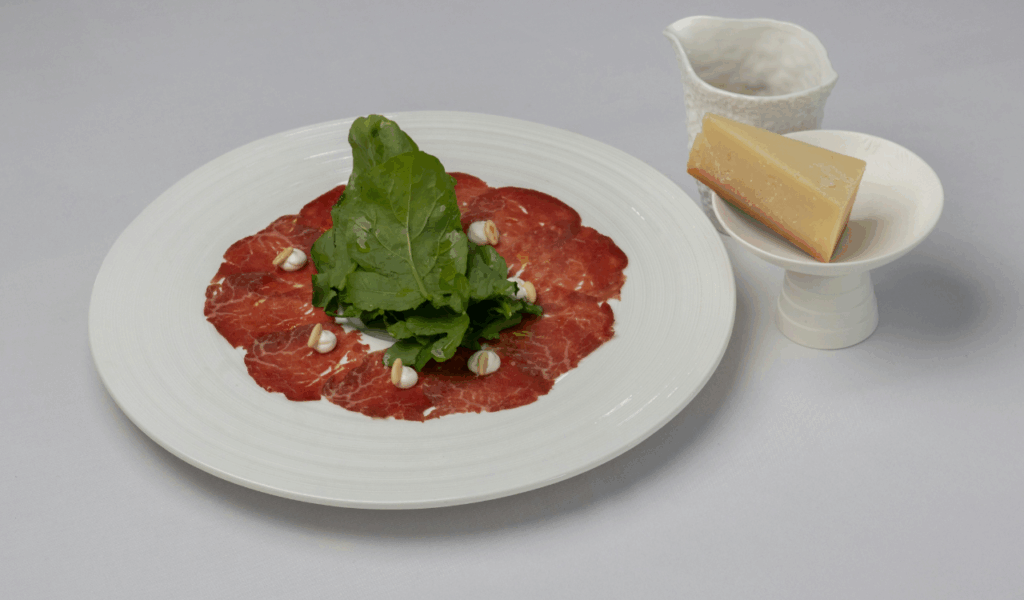
The quality of the sourcing and the accuracy of the knife technique define the dish known as beef carpaccio. The meal, according to Italian culinary experts, is made with raw beef tenderloin or sirloin that has been sliced so thinly that it is almost translucent and garnished with lemon, capers, and olive oil. Restaurants are required to purchase the best quality “never-frozen” beef and uphold strict sanitary requirements that surpass those of a regular home kitchen because the meat is served raw.
According to experts, it takes a professional meat slicer or a master’s touch with a razor-sharp blade to achieve those paper-thin, consistent sheets. Marble and glass are frequently used by interior designers of sophisticated enotecas to mirror the dish’s simple, minimalistic style.
Realtors claim that a kitchen that has complete faith in its suppliers is shown by the inclusion of carpaccio on the menu. You are indulging in a delicate, revitalizing beef dish that emphasizes delicate textures and vibrant, acidic accents by ordering this out. It is a classy appetizer that is light but decadent, offering a sophisticated beginning to a dinner that honors the ingredient’s purity.
6. Authentic Vietnamese Pho Bò
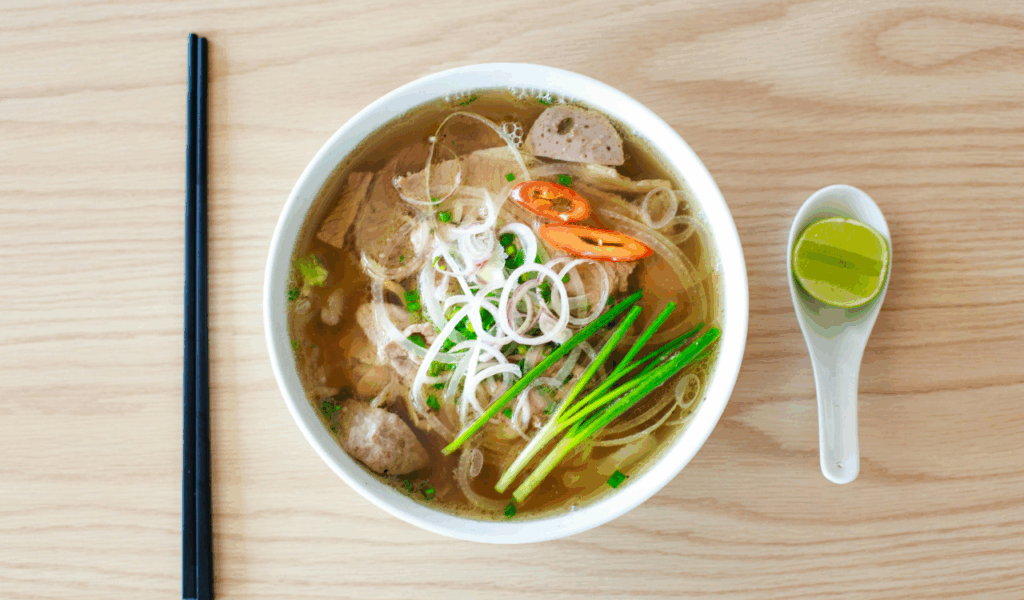
Although a bowl of real Pho Bò (beef phở) may appear straightforward, the broth is a masterwork of technique that requires at least 12 hours to prepare. Vietnamese cooks claim that the key is a clear, fragrant stock that is created by boiling beef bones, onions, and burnt ginger while continuously skimming the top to get rid of impurities. According to experts, the thin slices of rare steak and brisket must be perfectly complemented by the ideal combination of cloves, cinnamon, and star anise. It is a restaurant necessity due to the large number of bones and the time needed to achieve that “liquid gold” clarity.
The enormous stockpots are frequently visible to designers of busy noodle shops in order to highlight how constant the operation is. A professionally prepared phi soup has a deeper and more complex “umami” than any store-bought version, according to food critics. You are taking part in a culinary tradition that emphasizes the gradual extraction of flavor by ordering this out. The outcome of a kitchen’s overnight labor is a soothing, steaming bowl of comfort that offers a degree of fragrant complexity and collagen-rich body.
7. Korean Barbecue (KBBQ) Short Ribs (Galbi)
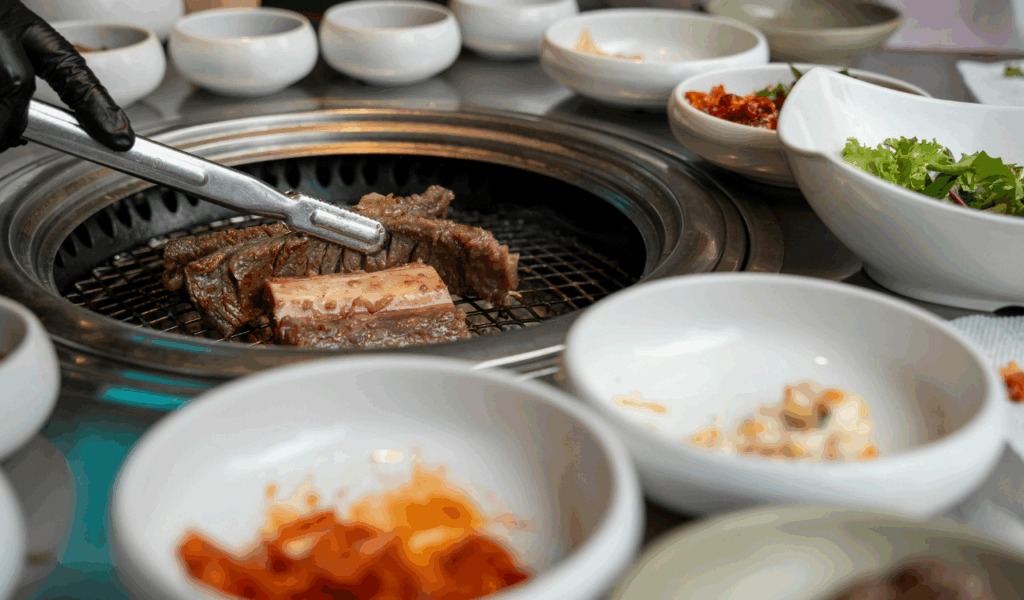
The authentic Korean barbecue experience depends on the high-heat tabletop grill and the enormous assortment of “banchan” (side dishes) that go with the beef, even if you can purchase pre-marinated meat. Chefs claim that in order to tenderize the meat and produce a caramelized crust, “Galbi” (flanken-cut short ribs) need to be marinated in a complex mixture of pear purée, soy sauce, and sesame oil.
According to experts, it is challenging to duplicate the deep, smokey char produced by a professional-grade tabletop burner indoors without setting off every smoke detector in the house. High-powered ventilation systems are given top priority by KBBQ house designers in order to accommodate the tabletop cook’s theatre.
A distinctive kind of dining entertainment, according to travel experts, is the communal experience of cooking your own premium beef while surrounded by a dozen little dishes of fermented and pickled veggies. You are paying for the variety and the unique setting when you order KBBQ. The excellent steak is complemented by the spirit of the group and the skillful marinade preparation in this lively, participatory meal.
8. Classic Steak Tartare
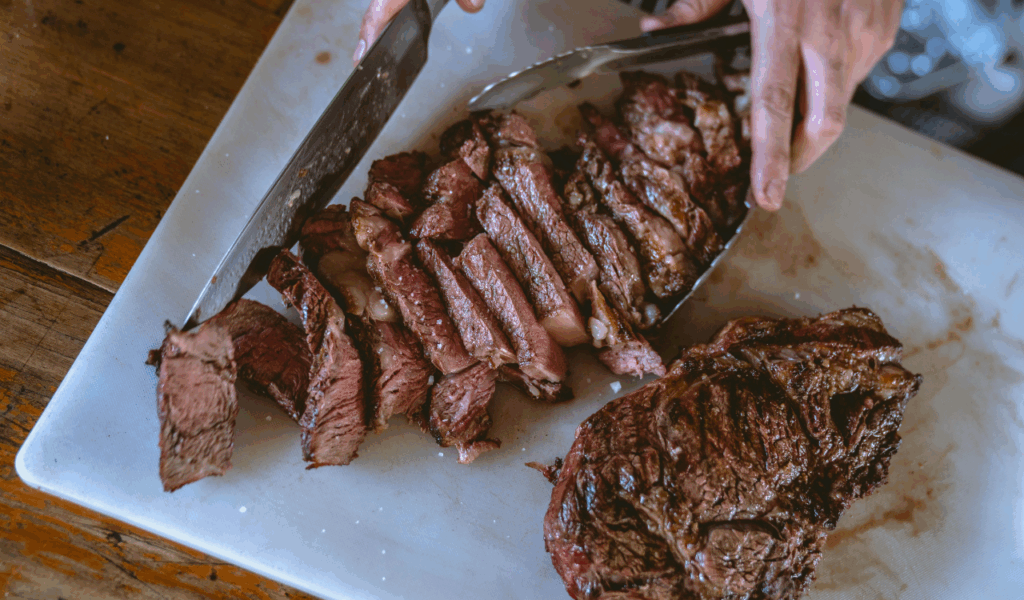
Like carpaccio, steak tartare depends on the chef’s skill in balancing strong seasonings and the beef’s immaculate freshness. To preserve a particular texture that “bites” back, the beef needs to be hand-minced, never ground, according to French culinary experts. Traditionally, it is seasoned with cornichons, shallots, Dijon mustard, and egg yolk. According to experts, this dish is best left to professional cooks with excellent safety records and high turnover because of the risk and work involved in hand-chopping fresh beef to order.
In order to demonstrate the freshness of the ingredients, designers of traditional brasseries frequently use tartare as a tableside preparation. Food critics claim that a well-balanced tartare is a revelation of savory, acidic, and creamy flavors. You are savoring a dish that embodies “old-school” culinary confidence when you order this out. For those who value the unadulterated, raw flavor of premium beef prepared with the flair and discipline that only a professional chef can offer, it is a daring and elegant option.
9. Beef Tongue (Lengua) Tacos or Braises
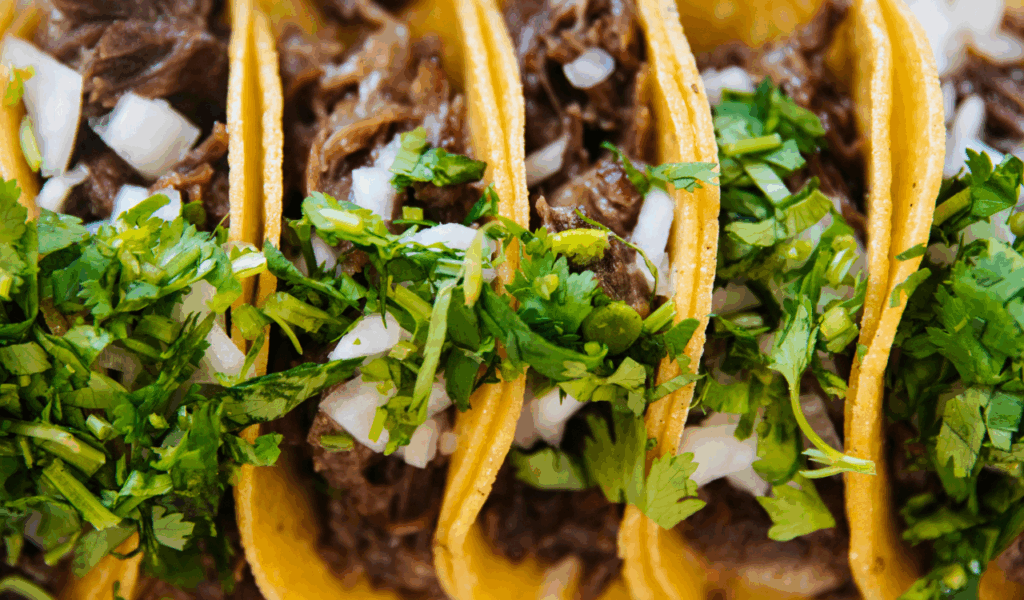
Because of its daunting appearance and the extensive cleaning and peeling required, home cooks often avoid the delicacy known as beef tongue. However, when prepared properly, lengua is one of the most flavorful and tender sections of the animal, according to chefs who specialize in “nose-to-tail” cookery.
The “crispy-on-the-outside, melting-on-the-inside” texture is achieved by a short sear after hours of boiling. According to experts, the effort required for the preparation makes it a unique option at upscale Japanese or Mexican restaurants.
Modern taqueria designers frequently emphasize Lengua as a “connoisseur’s choice” on the menu. Food writers claim that tongue has an unmatched thick, fatty texture that is sometimes compared to a cross between a rich brisket and a tender steak.
You may enjoy the distinctive, luscious results while leaving the challenging prep work to the experts when you order this out. It is a dish that proves that the most underappreciated slices are frequently the most satisfying, rewarding the daring diner with a flavor profile that is both remarkably sophisticated and deeply familiar.