The One-Floor Rule: 5 Renovation Experts Say You Should Make This Change Before Age 60
The way we use our homes changes as we become older. Things that worked well for you in your 20s, 30s, and 40s might not work as well when you’re almost 60 or older. At this point in your life, it’s really important to make sure your home is pleasant, useful, and easy to go to. The design of your home is a big thing to think about. Many experts stress how important it is to rely less on stairs, which can be hard and dangerous as we become older. Contractors and home remodeling experts suggest the “one-floor rule” as a remedy. The goal is to make sure that all of the important rooms and elements in your home are on one level, which will make it easier to get around and less dangerous.
In this article, specialists in real estate, construction, and interior design talk about why this move is so vital to make before you turn 60. Following the one-floor rule will not only keep you safe, but it will also make your home more pleasant and useful as you get older. Let’s look at the main reasons why you should think about this makeover sooner rather than later.
1. Eliminating Stairs for Better Mobility and Safety
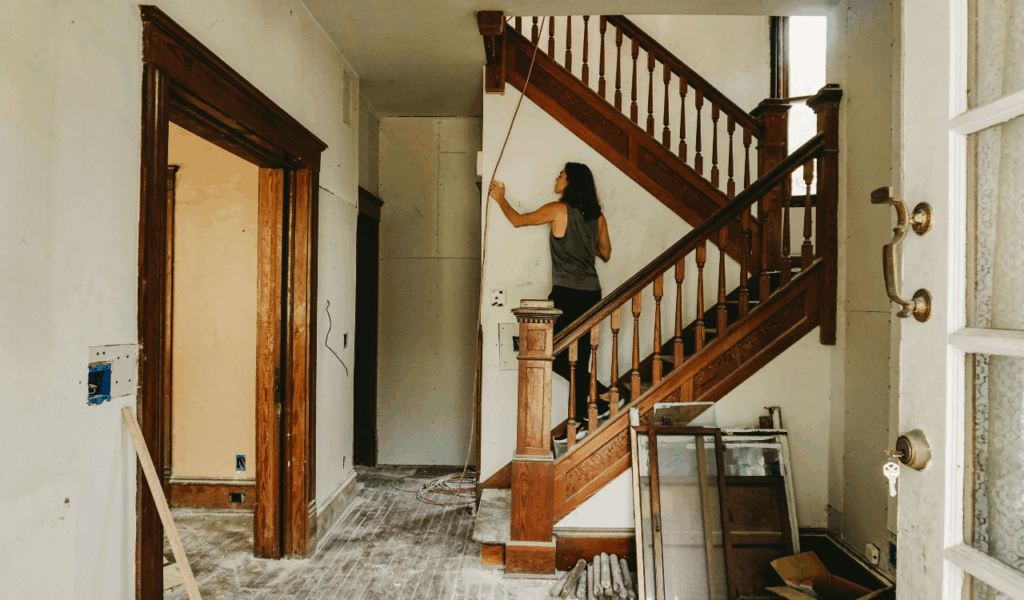
Even for healthy people, stairs can be really hard as we become older. Sarah Jennings, an expert in home remodeling, says, “Stairs are not only a possible fall hazard, but they also become physically taxing over time.” As we get older, moving about in a home with more than one floor might hurt our knees, hips, and back. Experts say that changing homes to single-floor design can help with this. To make sure that all the important sections are easy to get to, you can move the main bedroom, bathroom, and kitchen to the ground floor.
The way these areas are set up is quite important. For a home to be accessible, it needs wide corridors, ramps, and open-plan spaces. Homeowners can greatly lower the danger of falls and accidents by choosing these designs instead of steps. A home that is easy to go around in is safer and makes living there more enjoyable every day. Before mobility concerns start to happen, these adjustments are very important. They will let you enjoy your house for years to come.
2. The Importance of an Accessible Bathroom
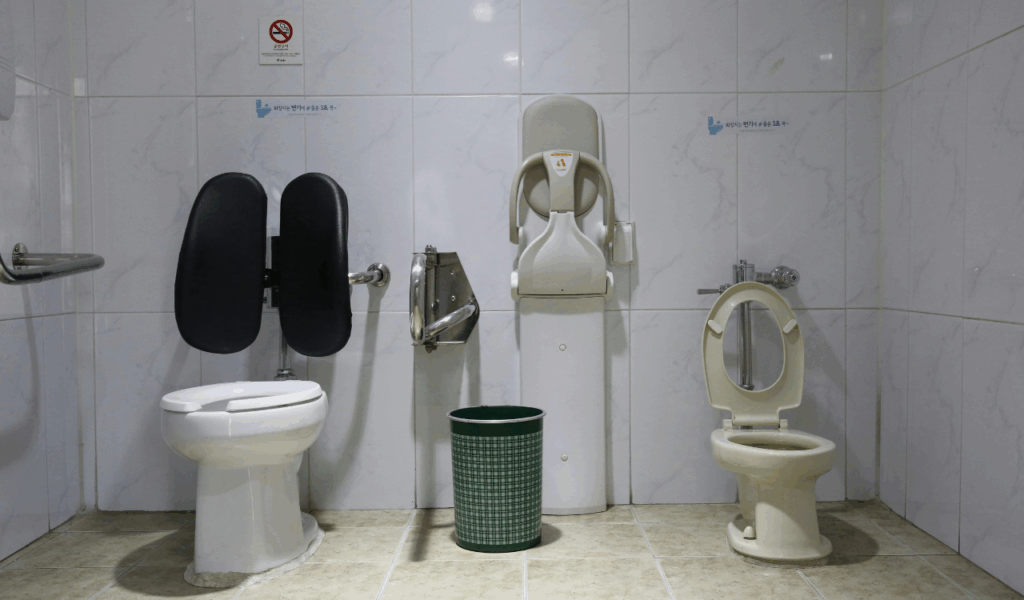
As we get older, the bathroom is typically one of the most dangerous locations in the house. Even simple tasks can be dangerous when the floors are slippery, the doors are tiny, and the baths are high-sided. Linda Adams, an interior designer, says that a restroom that isn’t easy to get to might cause big problems later in life. If the room isn’t upgraded, even simple tasks like getting in and out of the shower or using the toilet might be hard or even dangerous.
Adding things like walk-in showers, non-slip floors, and larger doorways is the most important thing you can do to make your bathroom safer. For instance, walk-in showers are significantly safer than regular bathtubs, which might be hard to get into. Non-slip surfaces make it less likely that people may fall, and bigger doors make it easier for people who use mobility aids or need a wheelchair to get in and out.
Not only does updating your bathroom make it safer, but it also raises the value of your property before you have trouble moving around. These changes are not too hard or expensive, but they can make your home safer and more comfortable for a long time. You can enjoy your bathroom without worrying about accidents and be independent as you get older if you take action early.
3. Open-Concept Spaces for Ease of Navigation
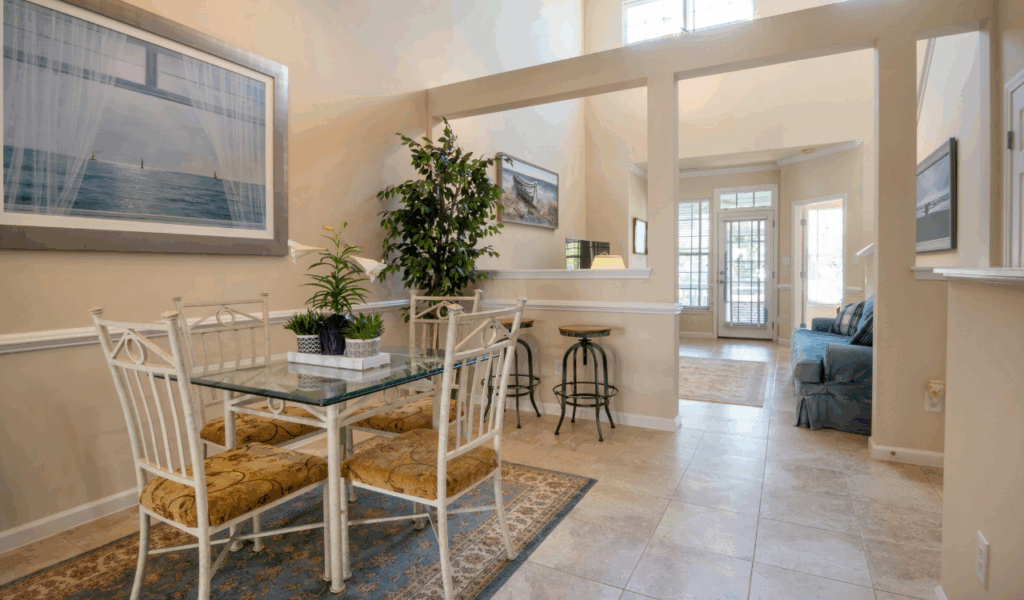
In older homes, it might be hard to get around in narrow halls and small rooms. As we get older, these small areas can be much harder to get around, which can be frustrating and dangerous. Kate Thompson, a home designer, adds, “Open-concept spaces can really change how you live in your home.” You may make it easier to move about by taking down walls and doors that separate spaces.
Open-concept design get rid of everything that could trip you up or make it hard to walk around, making it much easier to go from room to room. This is especially helpful for older people who may have trouble with balance or moving around. Open-concept spaces can also make your home feel bigger and more open, which can improve your quality of life. You can live in a comfortable, accessible house that doesn’t feel crowded or restricted if you make this change before you turn 60.
4. Installing an Elevator or Lift for Future-Proofing Your Home
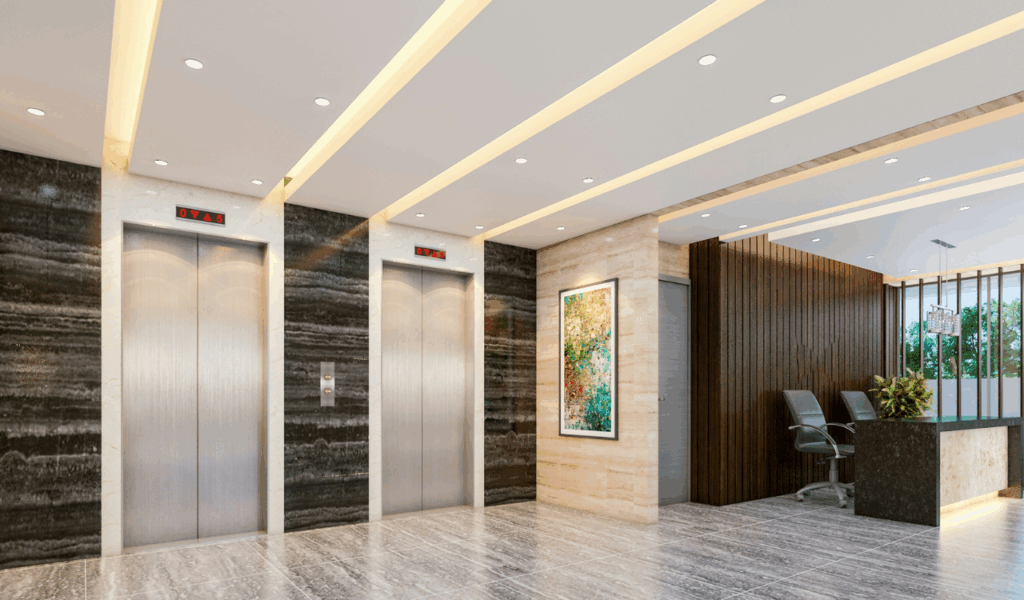
Not all residences can be made into a single-story form, especially those with more than one level. Putting in an elevator or lift can be a good idea for some properties. Elevators used to be seen as a luxury, but they are now a more useful and cheap choice for many homes. Chris Mitchell, a real estate agent, says that elevators are no longer just for the rich and famous. “Because of improvements in technology, they’re becoming more common in home renovations,” he says.
If your home has a second floor, a small residential elevator is a great option. A tiny elevator can make it much easier to go to the upper levels, especially if you need to sleep or cook there every day. Installing an elevator may seem like a big expense, but it is now cheaper and less intrusive than ever before. This modification is especially helpful for properties that can’t easily be changed to a single story. It makes sure that multi-level residences will still be accessible in the future.
Adding an elevator or lift can also greatly raise the value of your home when you sell it. Buyers, especially those who might want to stay in their homes as they get older, will enjoy how easy and safe this modification makes things.
5. Upgrading to Smart Home Technology for Easy Control

Smart home technology isn’t just a fad; it’s a game-changer for staying in your own house as you become older. As we get older, things like changing the temperature, shutting off lights, or locking doors can get harder because of problems with our vision or mobility. “Smart devices, like voice-activated lights, thermostats, and security systems, can make life a lot easier,” says tech consultant Sam Williams.
These technologies provide you more control with little work. Voice-activated systems let you change settings without having to touch them, which is very handy if you lose mobility. Installing smart home technology before you turn 60 will help keep your home easy to handle as you become older. This is a future-proof option that doesn’t require a lot of modification. Smart technology is a good update for people who want long-term comfort and convenience, whether they are adding it to an existing home or buying new gadgets.