10 Velvet Sofas Designers Say Stain Faster Than You’d Believe
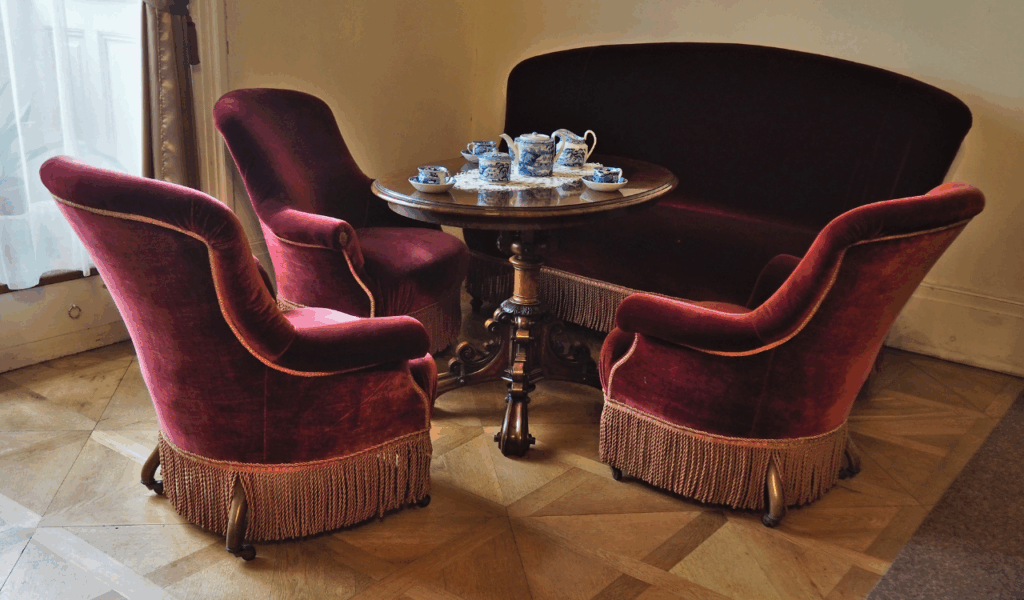
Velvet is the most luxurious fabric for the home because it has a depth of color and a tactile richness that other materials can’t match. Interior designers often say that the “velvet dream” can rapidly turn into a maintenance nightmare if the fiber content isn’t thought about thoroughly. A velvet sofa is a magnet for dust, pet hair, and spills, so it’s not a good choice for people who want their home to look lived-in. That shiny luster that makes velvet so appealing is what makes a single water spot look like a lifelong scar on your furniture.
Textile specialists and professional flippers say that the “crush” aspect of some velvets means that even clean water can leave a stain that lasts by changing the direction of the pile. One high-end decorator notes, “Designers recommend that clients understand the difference between natural and synthetic velvets before making a big purchase.” The people who organize luxury houses say that keeping these items looking perfect typically involves expert steaming and special brushes. It’s a fine line between getting a good look and always being on the lookout, as one glass of wine might damage a multi-thousand-dollar investment.
1. The 100% Natural Silk Velvet Chaise

Silk velvet is the most glamorous fabric, and you may often find it in high-end fashion shoots and luxury hotels. However, it is very delicate. Designers say that silk fibers are very absorbent, so any liquid, even ordinary water, will soak through and leave a “ring” that is almost impossible to get rid of. Silk is still entirely open to the elements of everyday life because it can’t be treated with regular heavy-duty stain protectors. This is a piece for a “no-shoes, no-drinks” room, not a family room that people may use.
Professional organizers say that silk velvet is also very easy to “bruise,” which means that the pile stays flat after someone sits on it. A textile expert says, “Experts say that the structural integrity of silk velvet is so delicate that even high humidity can make the fabric look mottled and stained.” Real estate staging professionals frequently stay away from silk velvet in locations with a lot of foot traffic since it wears out quickly after being put down. Experts believe that this attractive but high-maintenance option is best for ornamental accent chairs than a main sofa.
2. The Unprotected Cotton Velvet Sectional
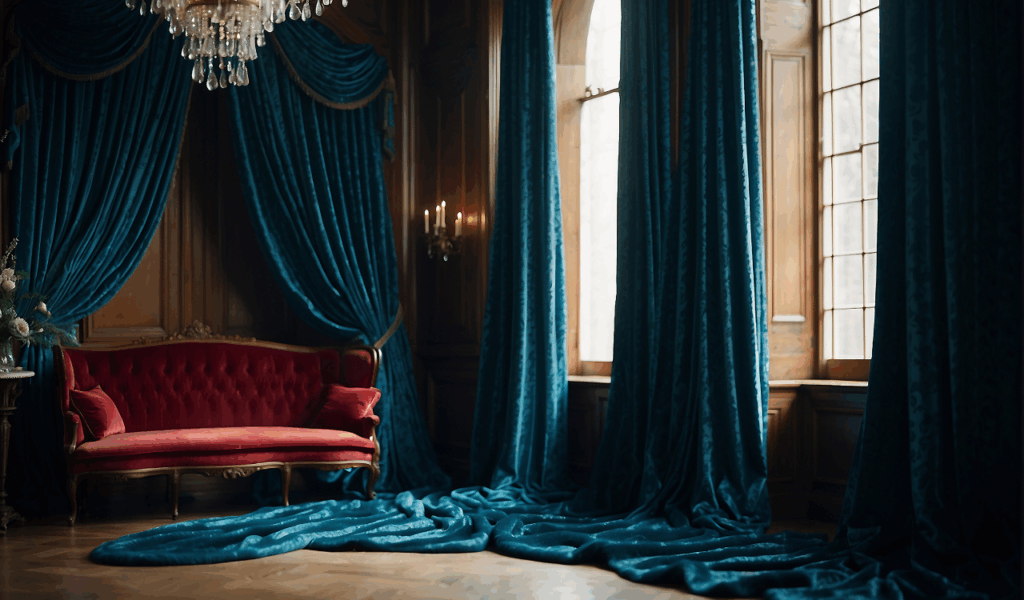
People love cotton velvet because it has a matte feel and deep, bright colours, but designers say it soaks up oils and stains. Pure cotton fibers don’t have the natural ability to repel liquids like synthetic mixtures do. This means that stains can set in deeply and bond with the fabric. Experts believe that “skin oils” from hands and heads can make the cloth look “greasy” and darken over time, especially on the armrests and headrests. A cotton velvet couch will reveal its age faster than nearly any other type of upholstery if it doesn’t have a professional-grade Nano coating.
Experts in restoring furniture say that cotton velvet is especially prone to “crocking,” which is when the dye can rub off on your clothes or the other way around. A home care expert explains, “Organizers say that if you have pets, cotton velvet is a trap for dander that gets stuck in the thick pile.” Designers say that because there is no synthetic barrier, every drop of coffee or juice is a permanent part of the sofa’s history. It’s a classic choice that needs a tight cleaning regimen and quick action on any small problems.
3. The Light-Colored Viscose Velvet Sofa
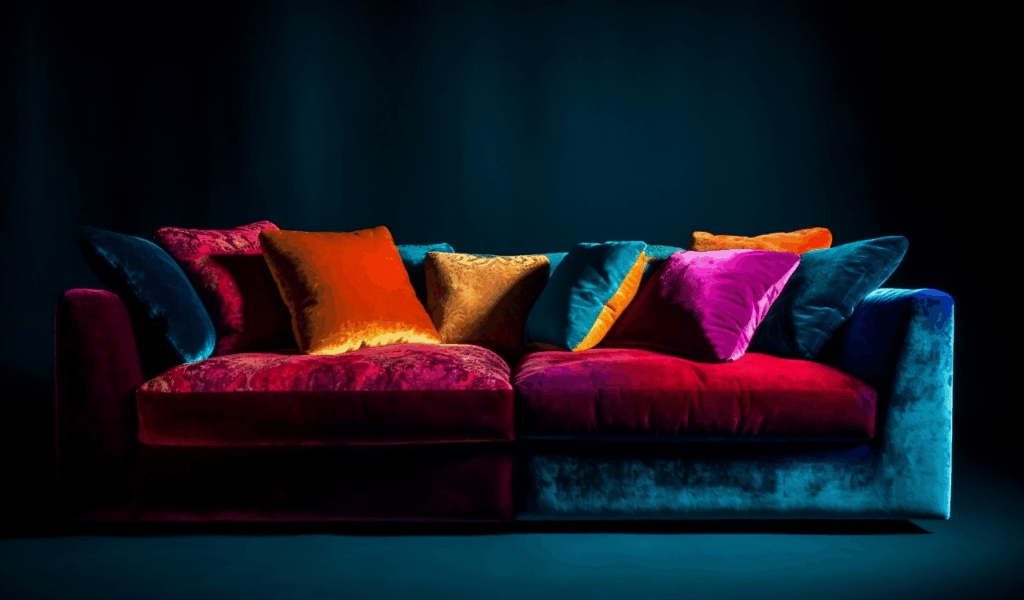
People often use viscose to make velvet “shimmer,” although it is really a semi-synthetic fiber created from wood pulp that doesn’t like water. Designers say that when viscose gets wet, the fibers can lose their structure and become stiff. This makes a patch that feels like sandpaper contrasted to the rest of the sofa. These textural changes are accompanied by the fibers turning yellow or brown in light colors like cream or pale grey. Experts believe that this “water staining” is a chemical reaction in the viscose that usually doesn’t go away and can’t be fixed.
Professional flippers say that viscose velvet is one of the hardest textiles to clean since “wet cleaning” methods make the damage worse. A luxury stager explains, “Even a damp cloth used to wipe away a small crumb can leave a giant halo on a light viscose sofa,” according to the organizers. Designers say that these sofas are only good for formal parlors with minimal traffic where they won’t be utilized often. It is a deceiving cloth that looks great at the store but can look terrible after being spilt on by a glass of water.
4. The Deep-Pile Linen Velvet Tuxedo

Linen velvet has a refined, “crushed” effect that is very popular in organic-modern homes, but its lengthy pile collects dust and dirt. Designers claim that stains have more “surface area” to stick to before they sink into the base when the pile is longer. Experts say that linen naturally wrinkles and shifts, which can make the velvet pile look uneven and “dirty” even when it is clean. The result is a couch that always seems messy and ruined because of the way light and shadows play off of it.
Textile experts say that linen velvet is also prone to “pilling,” which is when loose fibers ball up on the surface and trap dirt. A cleaning expert says, “Organizers say that linen velvet should be vacuumed once a week with a special attachment to keep grit from cutting the fibers.” Designers say that the “lived-in” aspect is part of what makes it charming, but it may soon look neglected if not well cared for. It has a lot of texture, so you have to be “grooming” it all the time to keep the pile standing up and looking new.
5. The Vintage-Effect Distressed Rayon Velvet
Rayon velvet is often used to make “vintage” or “distressed” effects because it takes color unevenly, which makes it look gorgeous and shimmering. However, designers say that rayon is basically processed cellulose that loses almost half of its strength when it becomes wet. This implies that rubbing a stain can rip the cloth or turn the “distressed” look into a real hole. Experts believe that rayon velvets are especially sensitive to acidic spills, such soda or wine, which can quickly break down the fiber structure.
Professional flippers often find that rayon velvet sofas for sale have “invisible” stains that only show up under certain light. “”Rayon has no natural memory, so once the pile is crushed by a spill, it will never stand back up,” says a furniture restorer. If you adore the look of rayon, designers say you need make sure it is a blend with at least 50% polyester to give it some structure. Without that fake support, the couch is a ticking time bomb for anyone who likes to eat while watching a movie.
6. The “Plush” Mohair Velvet in Bright White

Mohair is one of the most durable types of velvet, although it might be a problem if it has a dazzling white or “snow” finish. Designers argue that the hair itself is strong, but the “scales” on the mohair fiber can trap tiny bits of dust and soot from the air. Over time, a white mohair sofa will get a dirty, grey look that is very hard to get rid of without expert deep cleaning. Experts say that mohair is a natural protein fiber, so it is very easy to stain with protein-based substances like milk or perspiration.
People who run high-end estates say that white mohair needs a “no-denim” policy since the indigo dye from jeans will virtually permanently go into the goat hair. A hospitality expert says that “designers say that cleaning a mohair sofa can cost as much as a new lower-end couch.” Experts claim that mohair in dark colours is “indestructible,” but the white version is a risky choice for any home. It is a luxury material that needs a museum-like setting to keep its clean, new look for a long time.
7. The Recycled PET “Eco-Velvet” with a Low Rub Count
More and more designers are making eco-friendly velvets out of recycled plastic bottles, but they say that not all “green” materials are the same. Some recycled velvets that aren’t as good have a low “double-rub” count, which means the fibers wear down and get thinner very quickly. You can see the backing underneath as the fibers are thin. It looks like a huge, permanent stain or a bald spot. Experts believe that these synthetic fibers can also have “static cling,” which pulls pet hair and lint deep into the weave, making it look dirty and fuzzy all the time.
Professional organizers say that inexpensive eco-velvets are also likely to get “oil spots,” which are dark, permanent markings on the headrest left by bodily oils from skin or hair. A sustainable decor expert advises, “Designers say you should check the Martindale rating of any recycled velvet to make sure it can handle daily use.” A recycled sofa sounds great, but the truth is that a synthetic sofa that doesn’t last long may end up in a landfill sooner since it looks bad. To “save the planet,” you need to spend more on a high-quality, high-rub-count version of the fabric.
8. The High-Sheen Acetate Blend Velvet

Acetate is sometimes used with velvet to give it a “liquid metal” effect that reflects light beautifully. However, acetate is one of the fibers that is most sensitive to chemicals. Some common household chemicals, such nail polish remover and some perfumes, can really degrade acetate, according to designers. Experts warn that even a little hairspray or a spilt drink can melt or fuse the fibers together, leaving a permanent “shiny” patch that appears like a grease stain. It is a “look-but-don’t-touch” cloth that is better for a store than for household use.
Realtors who stage houses say that acetate velvet is a red signal for purchasers because it feels “plastic” and is easy to break. A home staging expert adds that organizers say acetate mixes are the most likely to get “permanent seating marks” in just a few months of use. Designers say that acetate is too volatile for real life, so you should avoid it in any space where you might genuinely live and breathe. It is a “fast-fashion” version of velvet that looks great at first but doesn’t hold up well when put to the test.
9. The Cotton-Modal Blend “Soft Touch” Velvet
Modal is a type of rayon that is known for being very soft. When mixed with cotton in a velvet pile, it makes a “super-absorbent” surface. Designers argue that this mix is so soft that it doesn’t have the “backbone” to keep liquids from getting in, thus spills spread out like a blotter. Experts say that rubbing the modal fibers makes them lose their shine, which means that “cleaning” a spot typically leaves a dull, matte patch that sticks out from the rest of the sofa. It is a cloth that feels fantastic to the touch, but every time you touch it, it hurts you.
Professional organizers say that cotton-modal velvets are also quite likely to “fade” if they are left in direct sunlight. “A furniture designer says that designers say the soft-touch surface is made by cutting the fibers so thin that they are nearly immune to UV damage and wear. As a result, the sofa looks “sun-bleached” and damaged after just one summer. It may be the softest seat in the house, but it is also the one that is most likely to show its age through fading and fiber strain.
10. The Deep Jewel-Tone “Non-Performance” Polyester

Not all polyester velvet is “performance” velvet, and designers say that a cheap 100% polyester velvet without a stain-repellent treatment can look terrible in dark jewel tones. Any “dry” stain, like salt, flour, or even skin flakes, shows up as a vivid white mark against the dark background in colours like emerald or navy.
Experts believe that oil-based stains from food will “sink” into synthetic fibers if there isn’t a built-in barrier, and it will be very hard to get them out without leaving a ring. Many people think that “polyester” signifies “easy to clean.”
Professional organizers say that non-performance polyester can also get a “pilling” problem that makes the dark cloth look like it has grey lint on it. A retail consultant adds that designers think the only difference between a $1,000 polyester sofa and a $5,000 performance sofa is how the stain treatment bonds with the fabric.
Without that link, the sofa would grab hair and dust like a magnet with static electricity, and you’ll have to roll it up every day to keep it looking halfway decent. It’s a cheap choice, but in the long run, it usually costs more in cleaning materials and stress.