5 Chain Restaurants Accused of Cutting Costs at the Customer’s Expense
Rising prices have become part of dining out, but many customers say something else is happening at the same time. Portions feel smaller, ingredients seem cheaper, and once-reliable value no longer adds up. While restaurants face higher labor, rent, and food costs, diners increasingly believe some chains are balancing the books by quietly shifting the burden onto customers. These changes often arrive without clear communication, leaving people confused when the bill feels higher but the meal feels lighter. What’s fueling the frustration isn’t just inflation. It’s the sense that cost-cutting is happening behind the scenes, while menus and marketing still promise the same experience.
1. Arby’s

Arby’s has long positioned itself as a meat-forward alternative to traditional fast food, but that identity has come under strain as customers notice portions shrinking while prices hold steady or rise. The issue is not just perception. Customers point to thinner sandwich builds, lighter meat stacks, and promotional images that no longer align with what arrives on the tray. For a brand built around abundance, even small reductions feel magnified. Rising beef costs and labor pressures help explain the shift, but the lack of transparency frustrates diners. When portion changes happen quietly, trust erodes. What once felt indulgent now feels calculated, and customers notice when value slips without explanation.
2. Olive Garden
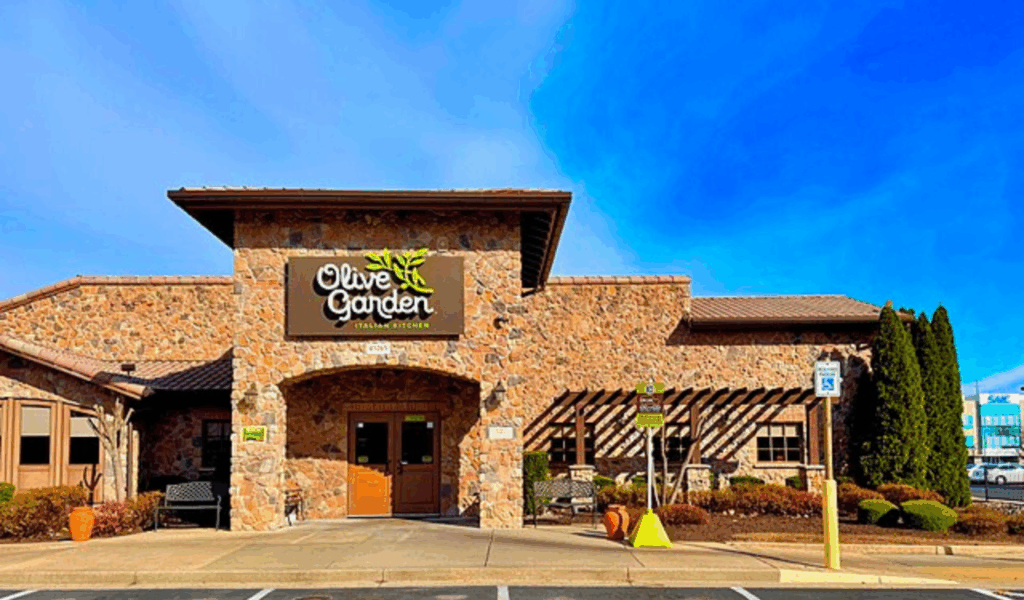
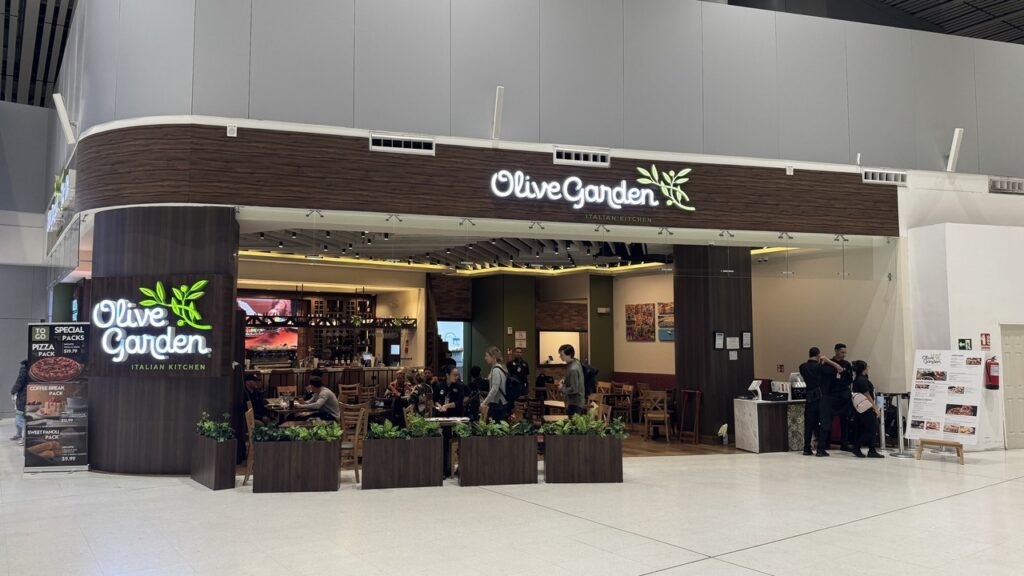
Olive Garden built its reputation on comfort, generosity, and predictable satisfaction. Recently, many diners say that equation has changed. Portions appear leaner, protein servings feel smaller, and menu adjustments emphasize lighter plates that do not always come with lighter prices. From a business standpoint, controlling food costs in a full-service restaurant is essential. From a customer standpoint, the shift feels like a downgrade disguised as modernization. Olive Garden still markets abundance, but the lived experience increasingly suggests restraint. When expectations are set by decades of consistency, even modest reductions stand out.
3. Chipotle
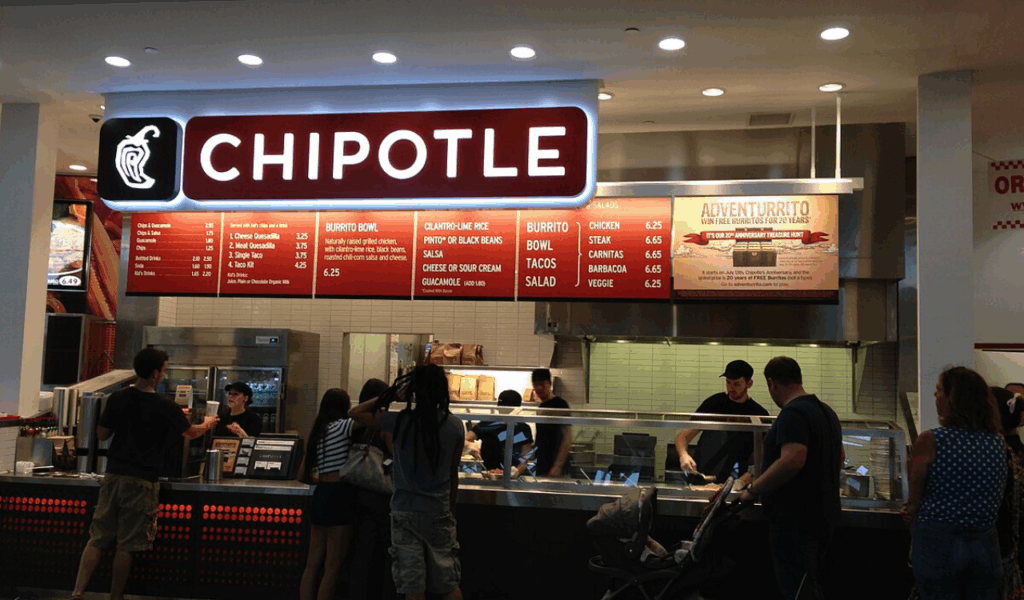
Chipotle’s problems are less about formal policy and more about inconsistency. Customers frequently report bowls that vary wildly in portion size depending on location, staff, or time of day. As ingredient costs climb, tighter portion control becomes inevitable, but Chipotle’s assembly-line model makes those cuts highly visible. A scoop that used to feel generous now feels cautious. Because pricing continues to rise, diners feel they are paying more for a roll of the dice. When value depends on who is holding the spoon, customers begin to question whether the brand still delivers what it promises.
4. McDonald’s
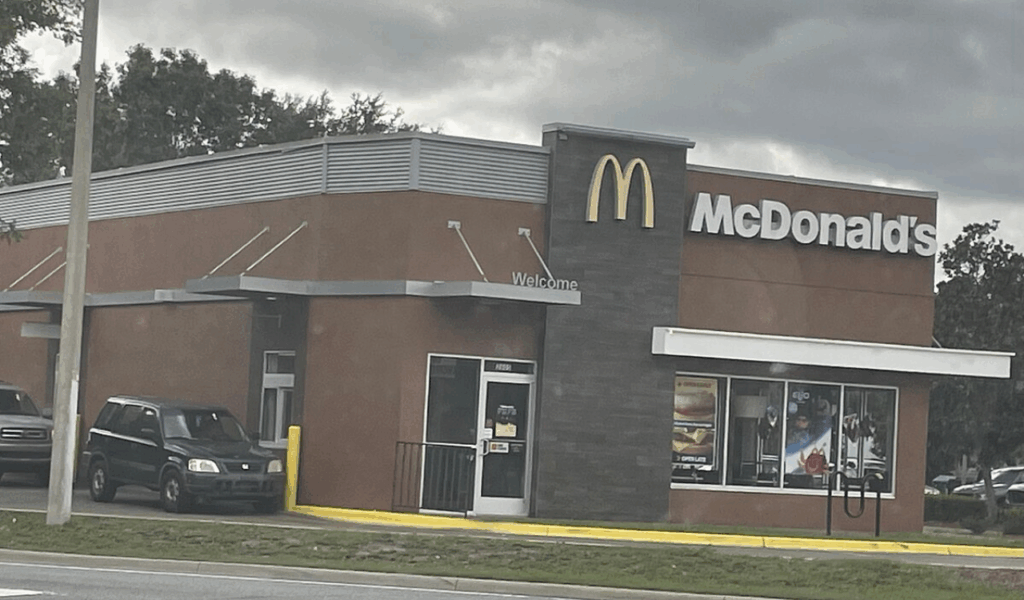
McDonald’s once defined value eating, but many customers now see a widening gap between price and satisfaction. Menu items cost more, combo deals feel less compelling, and portion sizes have not grown to match inflation. The chain argues that higher wages, ingredient costs, and operational upgrades justify the increases. Customers counter that the experience no longer feels like a bargain. When a simple meal costs nearly as much as fast-casual alternatives, expectations shift. McDonald’s challenge is not just cost control but perception. The brand’s success was built on the trust that you were getting more than you paid for.
5. Burger King and Five Guys
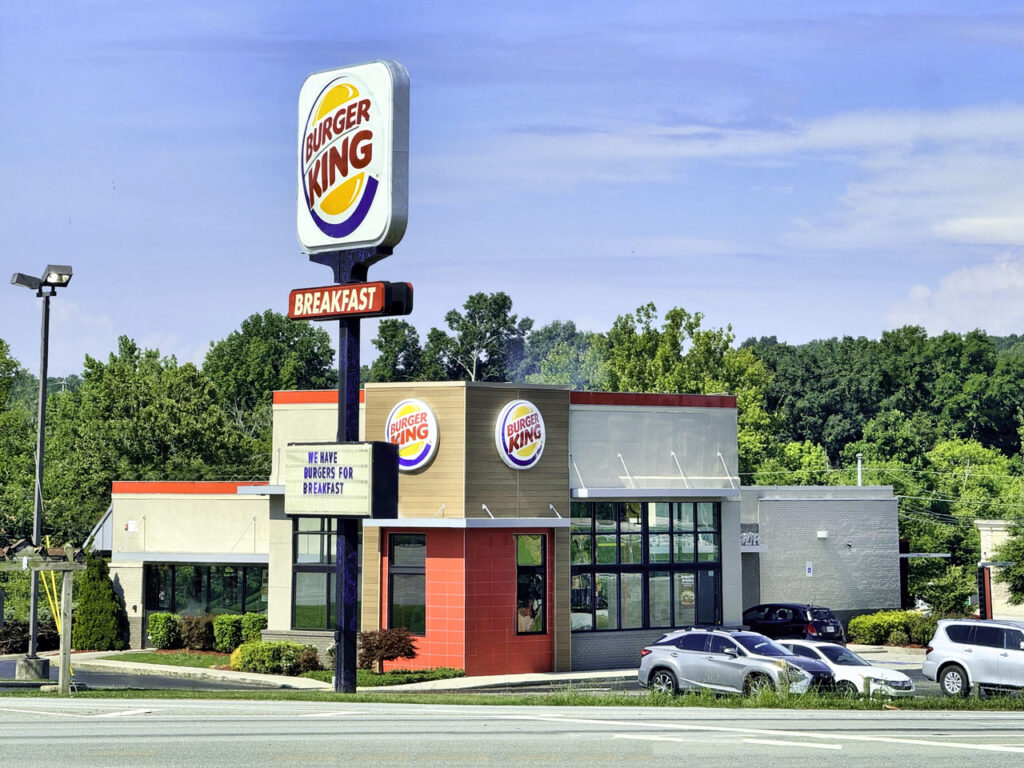
Burger King and Five Guys illustrate two different versions of the same complaint. Burger King faces criticism for reducing quality while leaning on promotions that feel less substantial. Five Guys faces backlash for sky-high prices paired with portions that no longer shock or delight. In both cases, customers feel squeezed. Burger King’s cuts feel subtle but cumulative. Five Guys’ pricing feels aggressive without corresponding upgrades. The common thread is expectation management. When brands change the math without changing the messaging, customers feel taken advantage of. Cost-cutting may be unavoidable, but silence around it often proves more damaging than honesty.