6 Grocery Store Meal Displays That Push Junk Impulse Buys
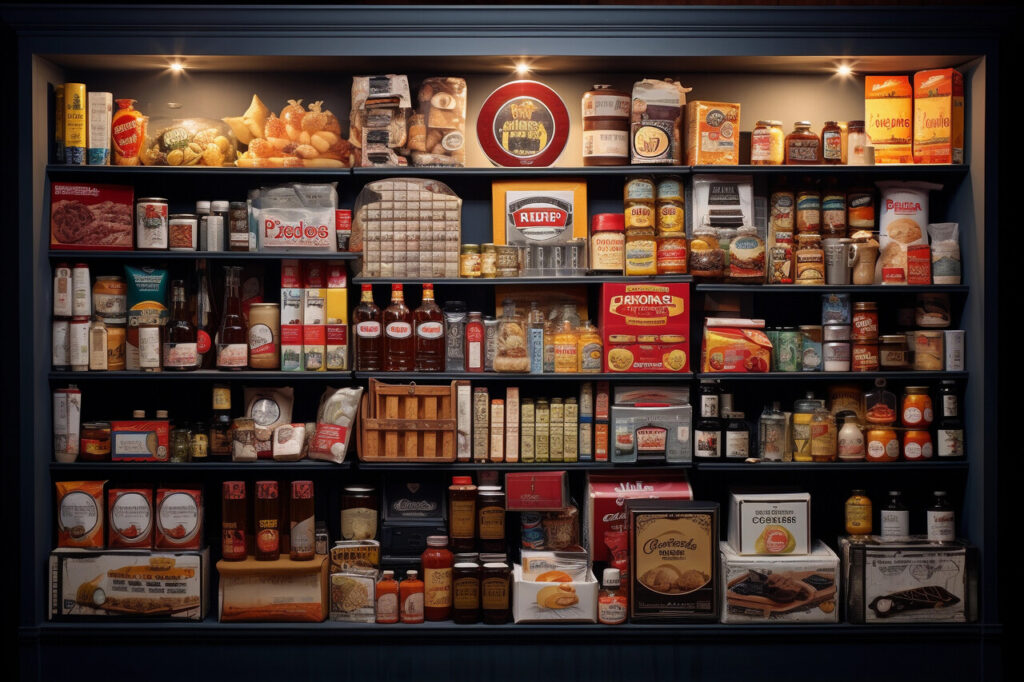
Grocery stores rarely rely on chance when it comes to what ends up in your cart. Every display, placement, and visual cue is designed to guide decisions, especially the unplanned ones. Meal displays that look convenient or harmless often push shoppers toward ultra-processed snacks and add-ons that weren’t on the list. These setups tap into timing, visibility, and fatigue, making impulse buys feel logical in the moment. Over time, those small additions quietly inflate grocery bills and reshape buying habits. Understanding how these displays work is the first step toward shopping with intention instead of autopilot.
1. End-of-Aisle Snack Towers
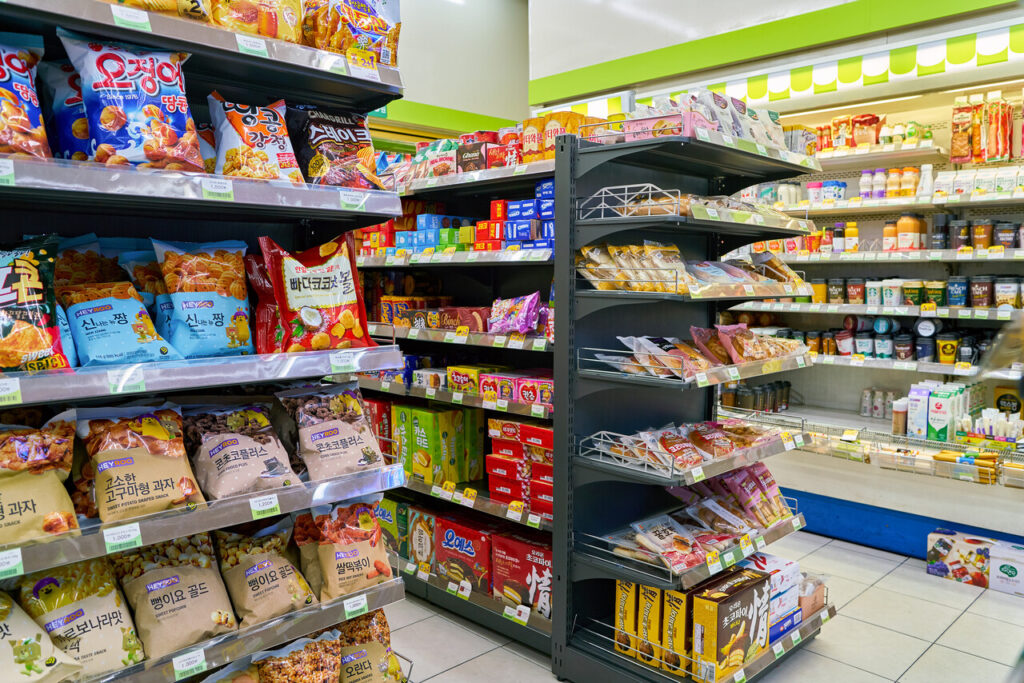
Here’s the thing about end-of-aisle displays: they work because you can’t avoid them. Even disciplined shoppers who stick to a list still pass these towers multiple times during a single trip. Stores reserve this space for high-margin snacks because visibility equals sales. The products are usually brightly packaged, limited-time, or discounted just enough to feel justified. Psychologically, these displays benefit from repetition. The more often you see an item, the more familiar and acceptable it feels. That’s why chips or cookies you had no intention of buying suddenly seem reasonable. It’s not about hunger. It’s about exposure and convenience combining at exactly the wrong moment.
2. Checkout Counter Candy and Treat Caddies
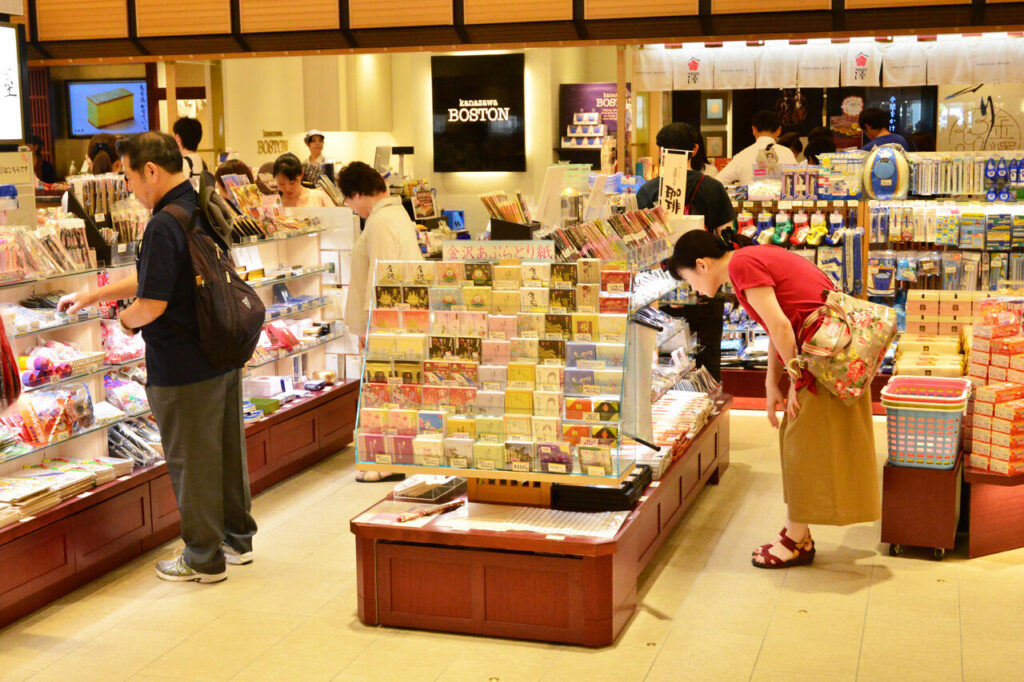
By the time shoppers reach checkout, decision fatigue has set in. Mental energy is low, patience is thin, and impulse control weakens. Checkout candy displays are designed to exploit that moment. The items are small, cheap enough to feel inconsequential, and instantly gratifying. Parents feel pressure from kids. Adults justify the purchase as a reward for getting through errands. These displays aren’t about nutrition or value. They’re about timing. Because the items are placed within arm’s reach while waiting, they bypass rational planning entirely. The purchase happens fast, often without conscious thought, and that’s exactly why the strategy has survived for decades.
3. Eye-Level Junk Food Displays

Eye-level placement is one of the oldest retail tricks because it works consistently. Products placed here don’t require searching or bending, which makes them feel easier and more appealing. Snack foods benefit most from this positioning because they rely on quick recognition and visual impact. Bright colors, bold fonts, and familiar logos dominate this zone. Healthier options often sit higher or lower, requiring effort to find. Over time, shoppers associate eye-level shelves with default choices. That subtle reinforcement shapes habits without anyone realizing it. Convenience becomes preference, and preference quietly turns into routine impulse buying.
4. Seasonal and Promotional Junk Displays
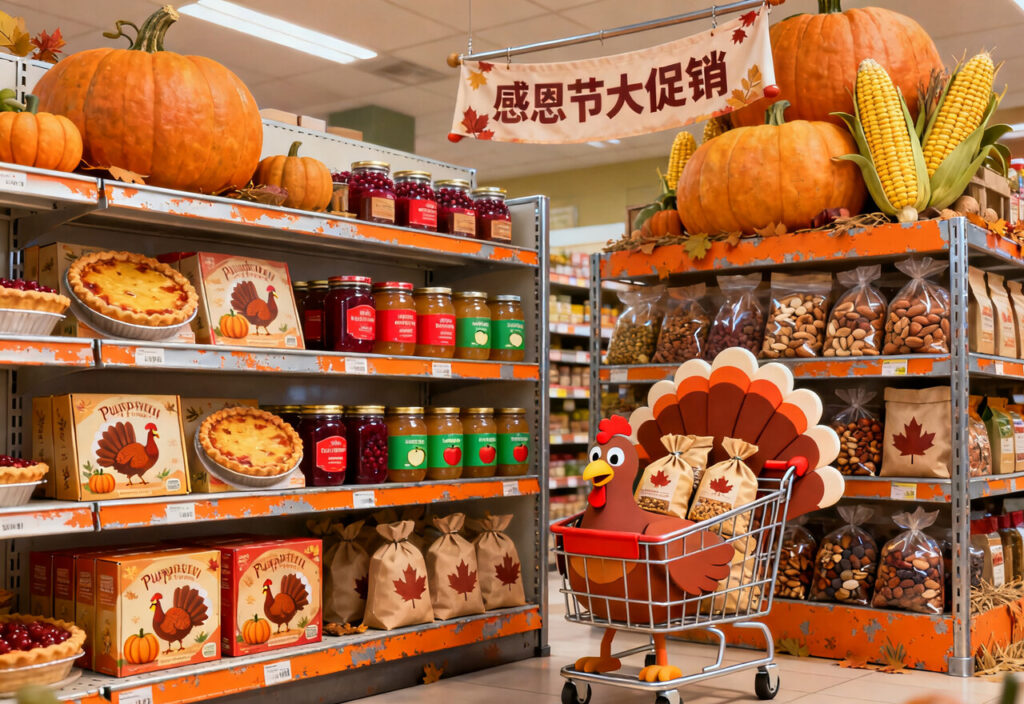
Seasonal displays create urgency even when there’s no real reason to rush. Candy, novelty snacks, and themed treats appear weeks before holidays arrive, signaling scarcity and celebration at the same time. Shoppers are conditioned to believe these items won’t be around long, even though similar products rotate year-round. The display itself does the selling. Tall stacks, bright signage, and themed packaging trigger emotional buying rather than practical decision-making. People don’t want to miss out, so they grab items “just in case.” The result is a cart filled with sugar and snacks tied more to mood than need.
5. Snack Displays Near Staple Aisles
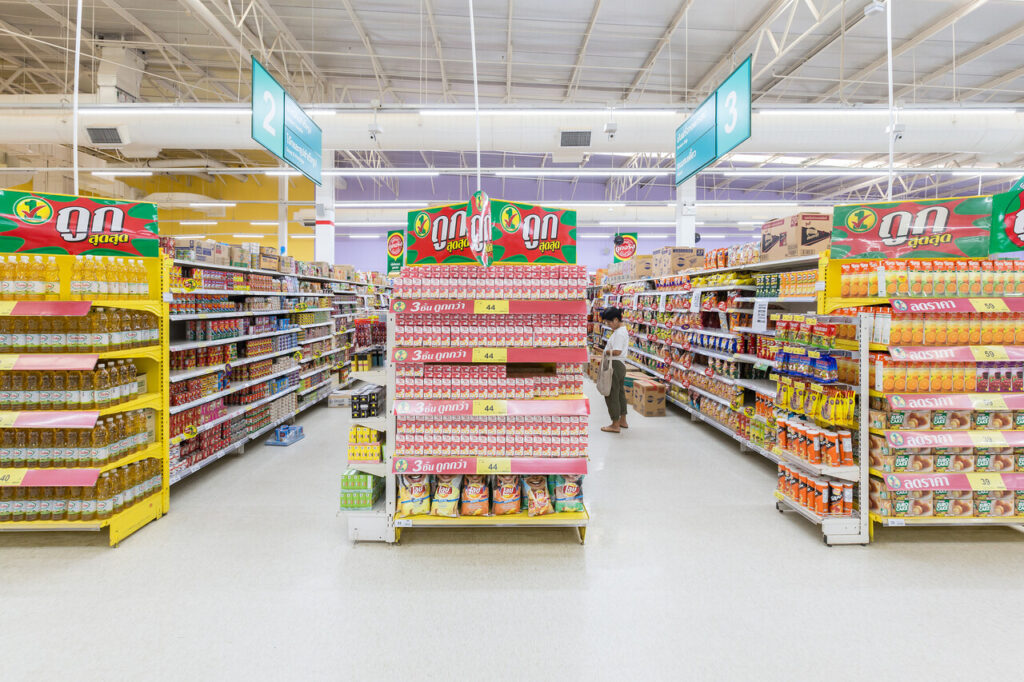
Staples like milk, bread, and eggs are intentionally placed deep in the store, forcing shoppers to pass multiple temptation zones. Along the way, snack displays appear at natural pause points near these essentials. The logic is simple. Shoppers already came for one thing, so adding another feels minor. These snacks benefit from association. Chips near sandwich bread feel like part of the meal. Soda near frozen pizza feels expected. The display reframes junk food as complementary rather than optional. That reframing makes impulse purchases feel practical instead of indulgent, even when they weren’t part of the plan.
6. Cross-Merchandised Junk Bundles
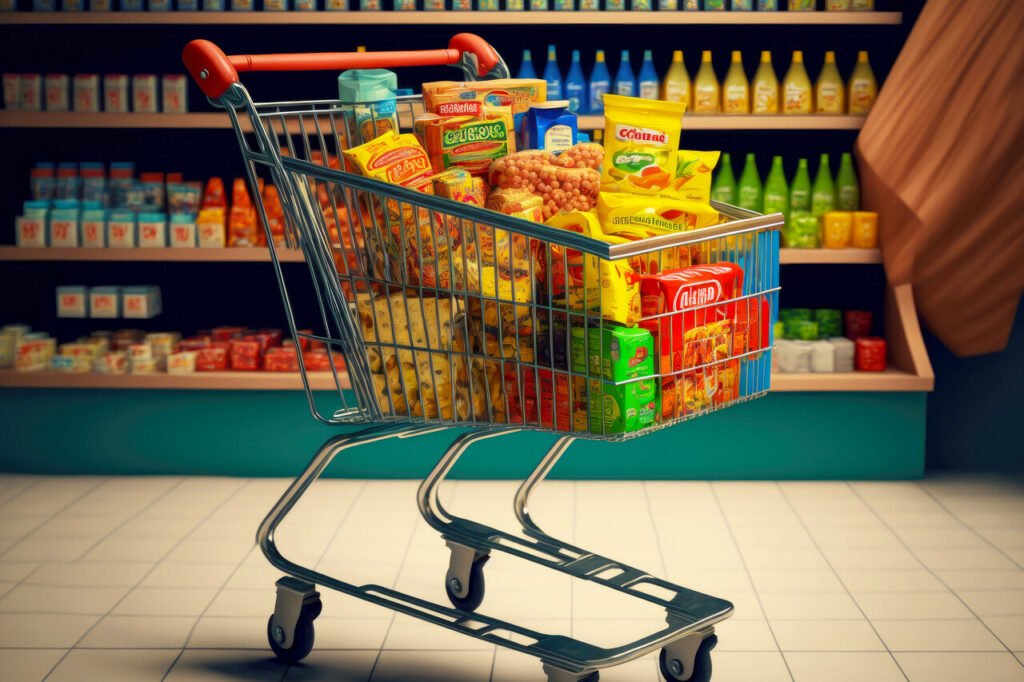
Cross-merchandising works by suggesting decisions for the shopper. When junk foods are placed next to meal components, they feel like defaults rather than add-ons. Hot dogs suddenly require chips. Sandwich ingredients seem incomplete without cookies. This strategy reduces decision friction while increasing basket size. Shoppers don’t stop to evaluate whether they actually want the extra item. The visual pairing implies necessity. Over time, these suggestions shape how people define a meal. What starts as convenience turns into habit, and habit drives repeat impulse buying. The store isn’t selling individual products. It’s selling a scripted version of dinner.