4 Celebrity Food Brands That Failed to Impress Customers
It is possible for celebrity influence to bring products into the public eye in a short amount of time; but, star power does not ensure quality or long-term success, particularly in the food and beverage industry. There are a lot of celebrity food brands that are having trouble because they do not have a product that is of consistent quality, a brand identity that is obvious, or a product that stands on its own merits apart from an associated famous name. The following are four celebrity-branded food or drink enterprises that, after their initial debut, were met with substantial customer disappointment, unfavorable reviews, or outright failure for the company.
1. MrBeast Burger
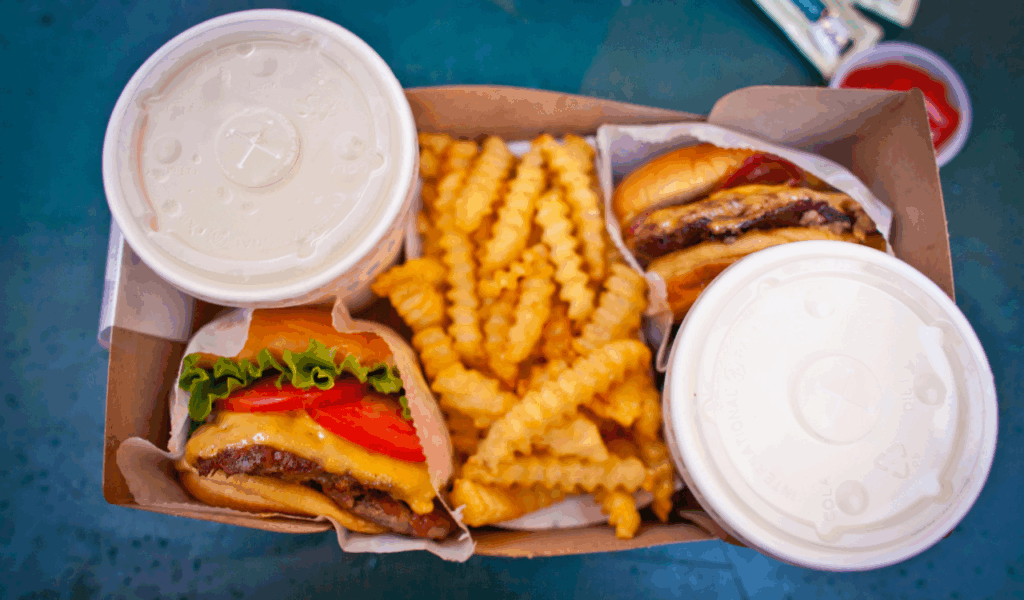
YouTube personality Jimmy “MrBeast” Donaldson started the virtual restaurant brand MrBeast Burger. At first, it got a lot of attention online and grew quickly through ghost kitchens. Customers often complained about the meal being bad, the cooking being irregular, the delivery being late, and orders lacking items, which made them angry and left bad reviews online. The criticism was so bad that MrBeast himself sued his partner firm, saying that the business didn’t meet quality standards and “damaged his brand” because many consumers said the burgers were “inedible” or not as good as they had hoped.
2. MrBeast’s Lunchly (Snack Boxes)

MrBeast’s Lunchly snack boxes, which are billed as contemporary variations on traditional lunch kits, were also subject to criticism from customers, despite the fact that they are not a single product line. Reviewers and influencers on the internet expressed their dissatisfaction with the quality of the product, including tales of mold growing in cheese that was contained within properly sealed packaging. There was concern and dissatisfaction expressed by purchasers. In the event that quality control standards are not satisfied, these examples demonstrate that even celebrity-branded meal packages can undergo failure.
3. Jason Momoa’s Mananalu Water (Perception vs Reality)
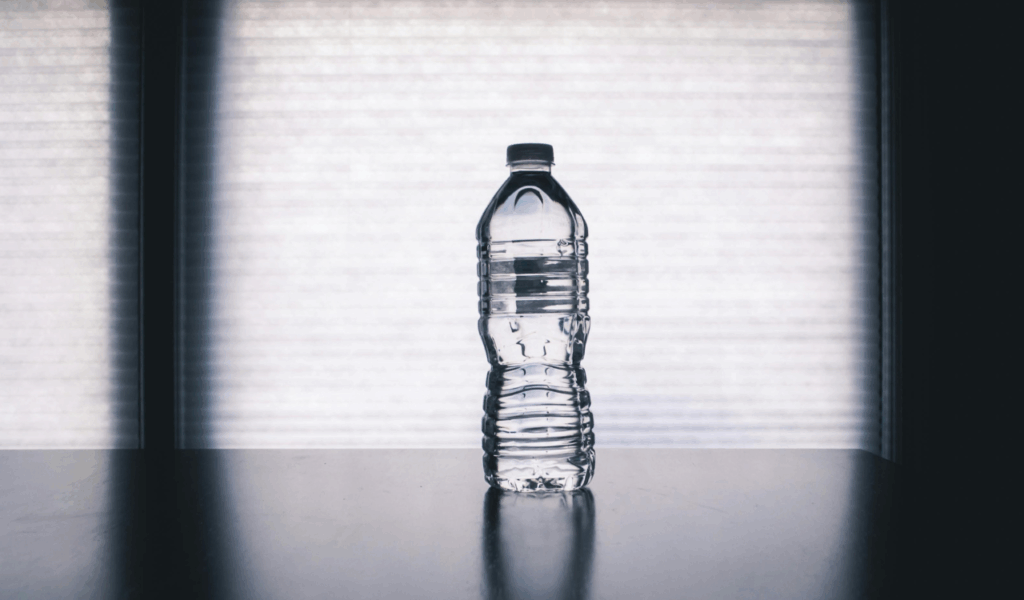
Despite the fact that it entered the market with a goal that was centered on sustainability and celebrity cachet, the bottled water company Mananalu, which was owned by Jason Momoa, failed to compete with other brands in the already saturated ready-to-drink beverage industry. In spite of the celebrity branding, many customers found that the product did not differentiate itself significantly from other premium water brands. The product is still available, although it has failed to garner global praise or viral customer demand like many celebrity drinks. In competitive retail sectors, star endorsements alone rarely make a brand stand out. This case illustrates this.
4. Other Celebrity Beverage Fizzles (Multiple Examples)

In addition to specific cases, research into celebrity-endorsed food and beverage brands reveals that a significant proportion—more than seventy percent of such entrepreneurial endeavors—fail to have a lasting impression in the market. Many of these businesses fail because they fail to differentiate themselves adequately, lack authenticity, or have quality that is inconsistent. Kylie Jenner’s beverage agreements and other celebrity drink lines failed because they didn’t offer compelling value or taste beyond their personality. If a food or drink product fails to please genuine customers, “celebrity” alone cannot sell it.