12 Living Spaces That Make Long Indoor Days Feel Even Harder Than They Should
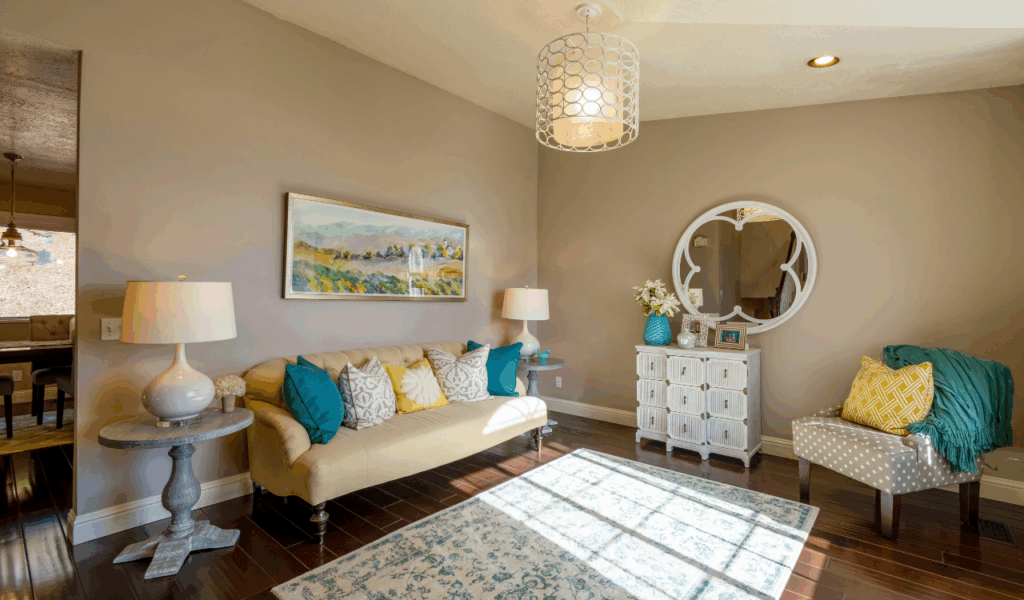
Spending time in an uncomfortable, or mentally stressful living space can be exhausting. Room layout, lighting, and cleanliness affect mood, focus, and health. Common design choices can make long days inside feel heavier, darker, or more tiresome. These locations may seem fine at first, but they may quietly induce restlessness, eye strain, clutter stress, or low energy. Learning about the behaviors and practices that make indoor living tough may help you spot issues you may have overlooked. After identifying the issues, you can make simple modifications to restore balance, comfort, and a healthier daily rhythm to your house.
1. Windowless or Poorly Lit Living Rooms
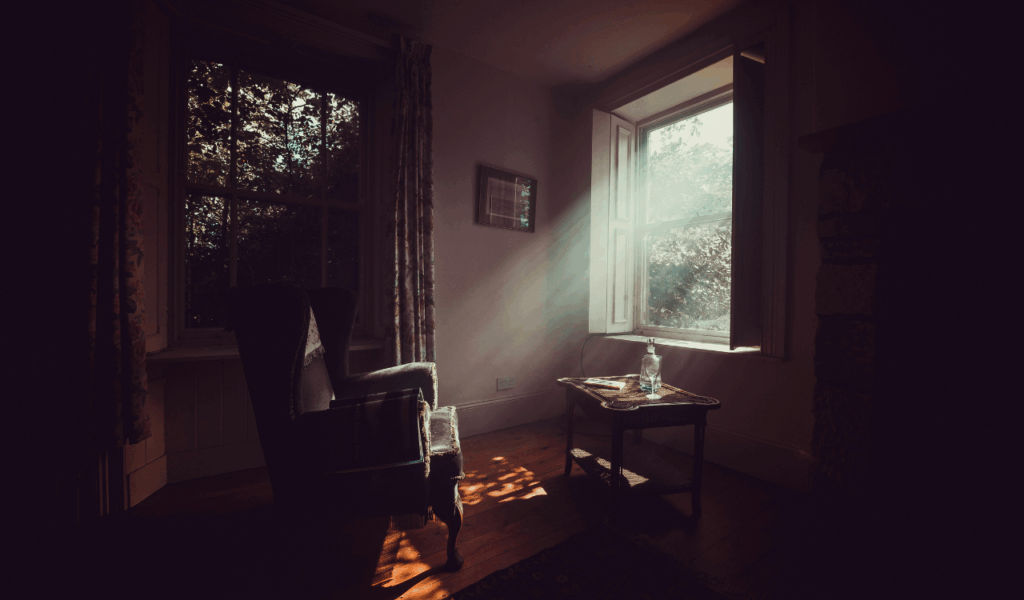
When you spend a lot of time inside, living rooms that don’t have enough natural or layered light can soon feel oppressive. Natural light helps keep your circadian rhythms in check, makes you more attentive, and helps keep your mood stable. On the other hand, dark or uneven lighting can make your eyes tired and stressed. One overhead light casts harsh shadows and makes a room look flat, making it feel smaller and less pleasant. Without windows, ventilation might slow, making it stale. These settings gradually increase tension and decrease comfort. Balanced illumination from floor lamps, wall lights, and other sources can brighten and open a room.
2. Overcrowded Multi-Use Rooms

When rooms have to do too many things at once, they can become mentally overpowering. The area loses its purpose when work desks, fitness equipment, storage bins, and relaxing furniture compete for space. This clutter makes it harder for the brain to switch tasks, which tires you out. A space meant for relaxation that reminds you of unfinished work might be frustrating. Overcrowding makes it impossible to move, making long stays indoors uncomfortable. Lack of boundaries makes even routine chores more exhausting. It simplifies layouts, eliminates superfluous furniture, and separates functions. This simplifies and improves daily living.
3. Kitchens with Poor Workflow Design
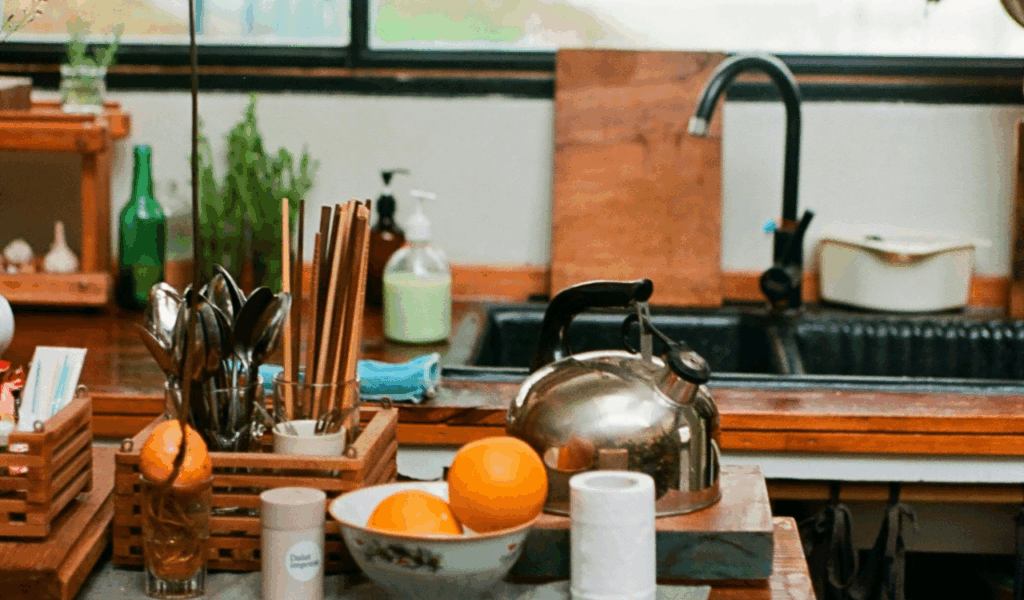
An inefficiently laid out kitchen may make everyday tasks quite frustrating. When important areas like food prep, cooking, and cleaning are not set up well, it takes more time and effort to make each meal. Narrow passages, misplaced storage, and blocked surfaces hinder movement and strain the body. This constant discomfort causes tension, especially if you spend a lot of time indoors. Heat, odors, and shadows are trapped by poor illumination and ventilation. Kitchens should ease motion rather than fight it. Well-organized, clear worktops, and decent lighting make the area easier to use and less cognitively tiring during the day.
4. Bedrooms Filled with Electronic Clutter
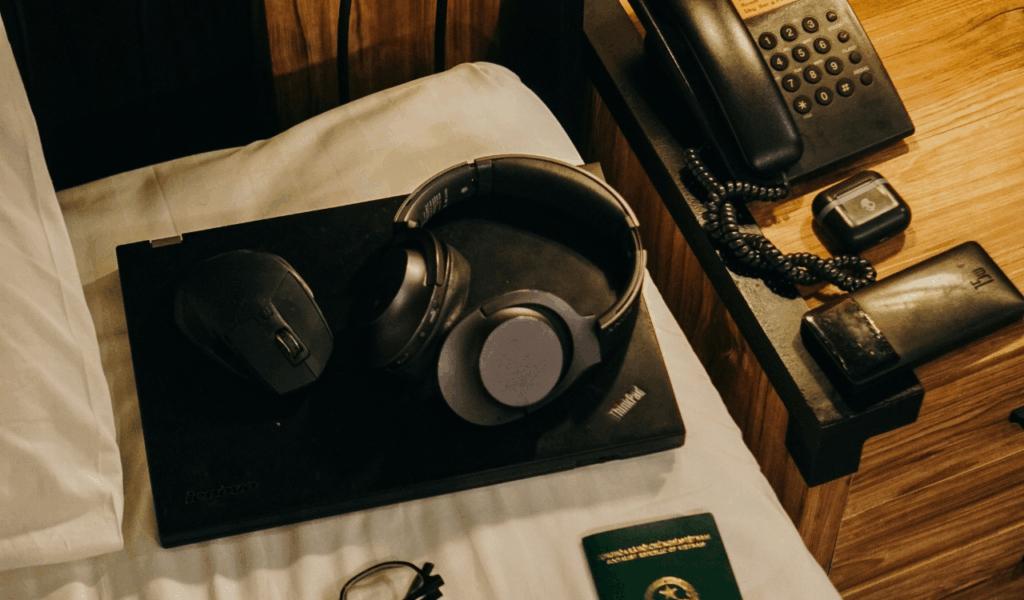
People don’t often know how much technology in bedrooms might keep them from sleeping. Blue light from bright screens messes with your body’s natural sleep patterns, which makes it harder to fall asleep or remain asleep. When there are tangled cords, blinking lights, and devices that are always on, the brain stays vigilant instead of resting. This overstimulation makes you more tired instead of less tired when you spend a lot of time inside. A bedroom should be quiet and relaxing, not active and boisterous. Fewer charging stations, less visible electronics, and softer lighting can improve sleep and comfort when inside for a long time.
5. Dark Hallways and Transitional Spaces

People sometimes forget about hallways and transitional zones, but they have a big impact on how a home feels. Dark, narrow hallways with little light might feel closed in and unwelcoming, especially when you have to walk through them a lot during long days inside. Bad visibility can potentially make accidents more likely. These spaces set the mood between rooms, so when they feel sad, the whole house feels heavier. Movement might sometimes feel boring if there isn’t enough visual interest or ventilation. Lighting, softer wall colors, and modest visual cues can make these areas useful transitions instead of depleting passages that make you uneasy.
6. Living Rooms Dominated by Television Placement
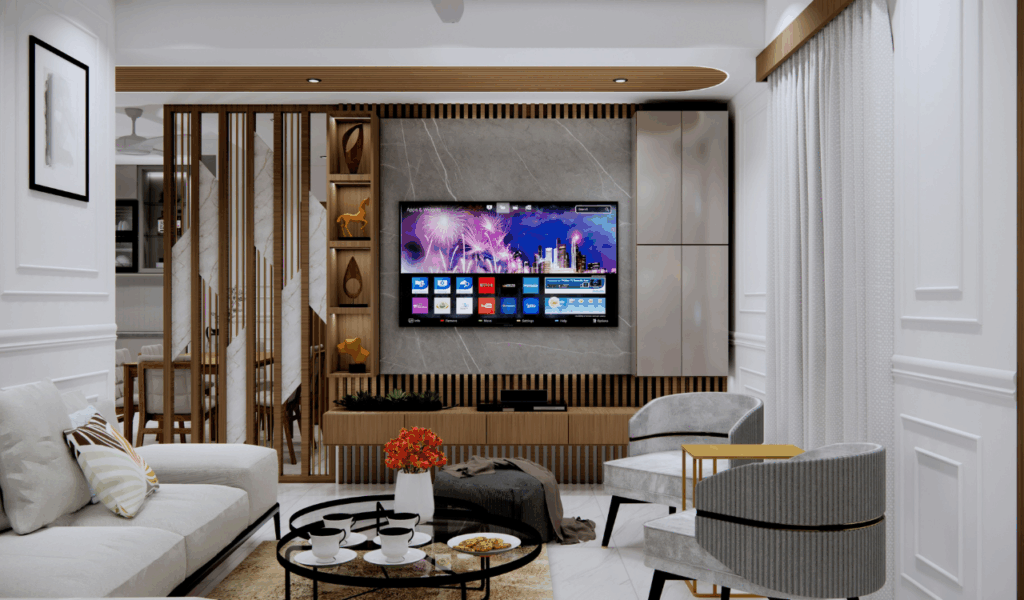
When a TV takes over a living room, the room generally loses its ability to be used in different ways. When furniture is only set up around a screen, it makes it hard to talk, move about, or do other things. This architecture encourages long periods of sitting and doing nothing throughout long days inside, which can make you physically stiff and mentally dull. It might not be as inviting to read, stretch, or hang out with friends in the room. People may become restless and dissatisfied with the place without variation. If the layout is balanced and multipurpose, the area can support rest and activities without feeling cramped.
7. Cluttered Entryways with No Organization
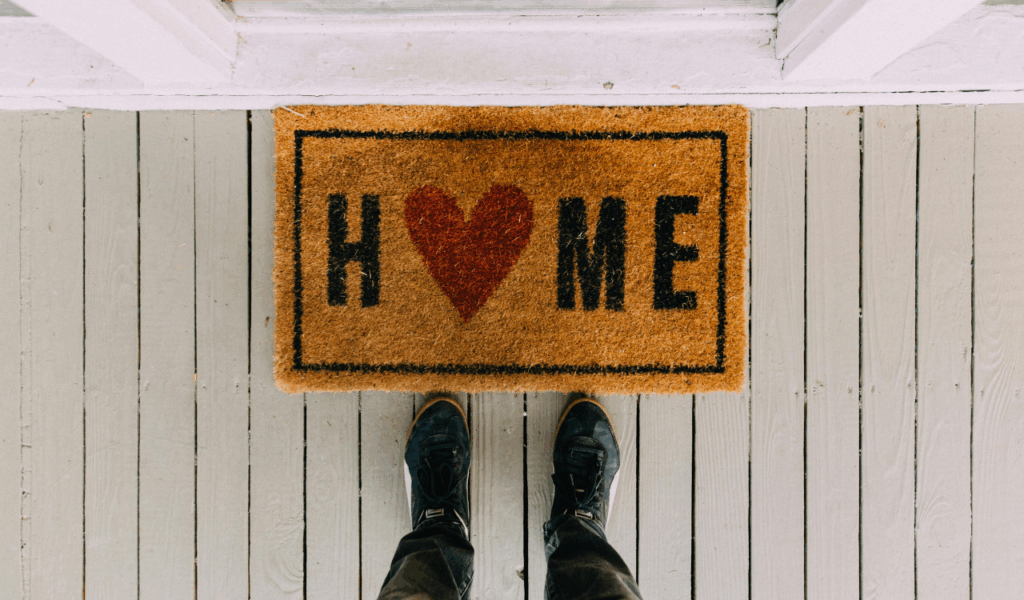
When you walk into a home that isn’t organized, it stresses you out right away. Piles of shoes, bags, and other loose items can make a space look messy, which can make you feel anxious without you even realizing it. When you spend a lot of time inside, going through a messy entrance again and over again makes that sensation worse. Having too much stuff in a small space can also make it hard and annoying to move about. Entryways should be relaxing, not storage areas. Simple organizing techniques, clear surfaces, and well-defined storage sections assist maintain control and ease, improving the living environment.
8. Bathrooms with Harsh Lighting and Poor Ventilation
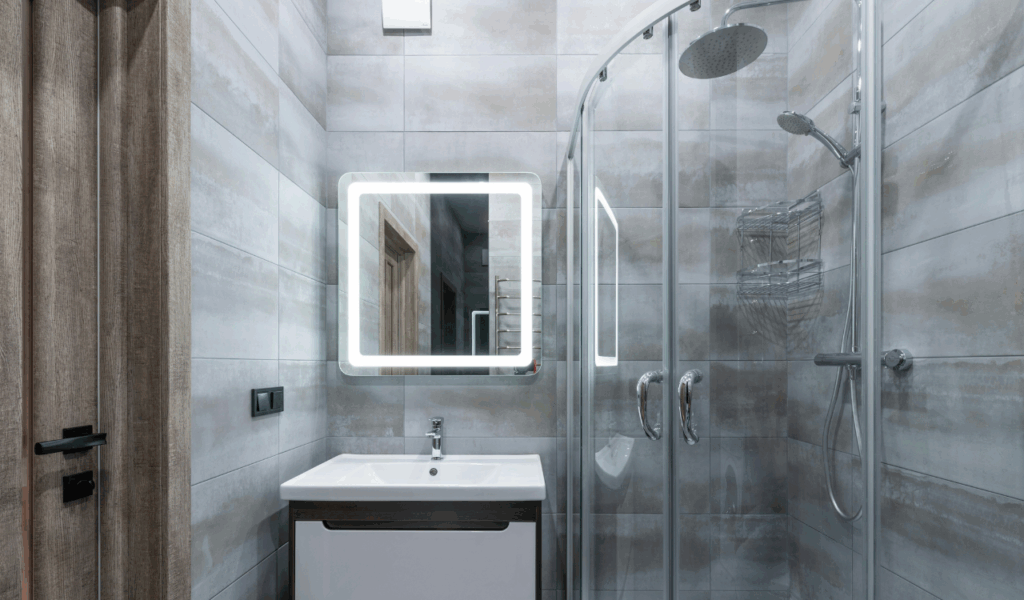
It can be uncomfortable to use a bathroom that has bright lights and not enough breeze. Poor ventilation keeps moisture and smells in, and bright, direct lighting make shadows that aren’t pleasing and strain the eyes. This discomfort gets more obvious and emotionally exhausting when you stay inside for a long time. Over time, damp air can also cause damage to surfaces and health problems. The restroom should be clean, quiet, and relaxing. Layered lighting that is softer and good airflow make things much more comfortable, so daily tasks feel less annoying. These simple changes have a surprisingly big effect on how healthy you feel inside.
9. Home Offices Set Up Without Ergonomic Support
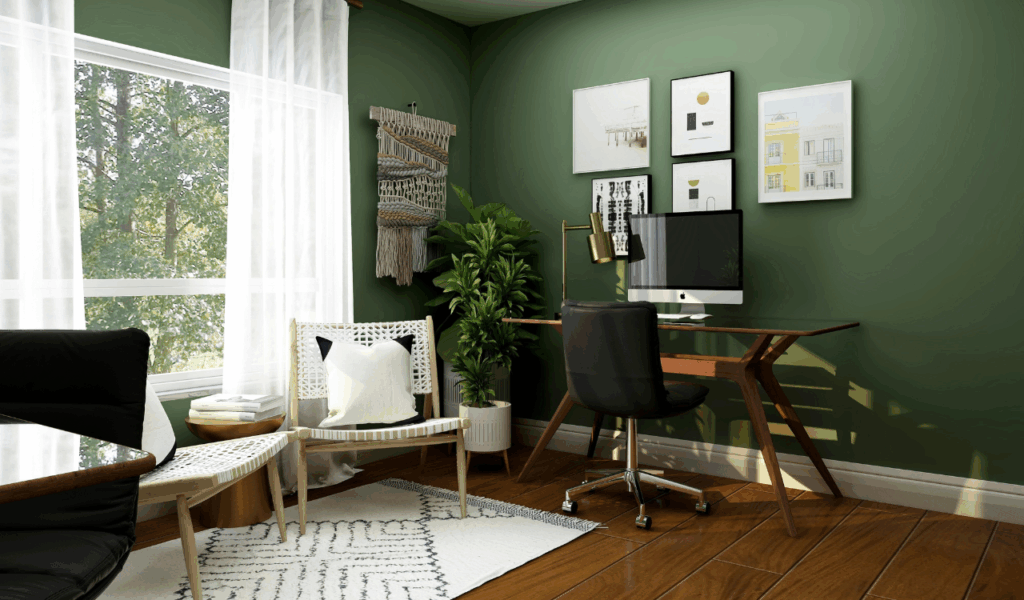
If your home office isn’t set up well, spending a lot of time inside can hurt. Chairs that don’t have enough support, desks that are too high or too low, and displays that are in the wrong place can all hurt your neck, back, and eyes. This pain makes it harder to concentrate and makes you more tired over time. Too much visual clutter or not enough natural light makes mood and productivity even worse. Even small chores can be tiring when your workspace isn’t comfy. A tidy setting, ergonomic alignment, and enough light all help with both mental and physical health. A well-organized office makes long hours less tiring.
10. Rooms with Heavy, Dark Color Palettes
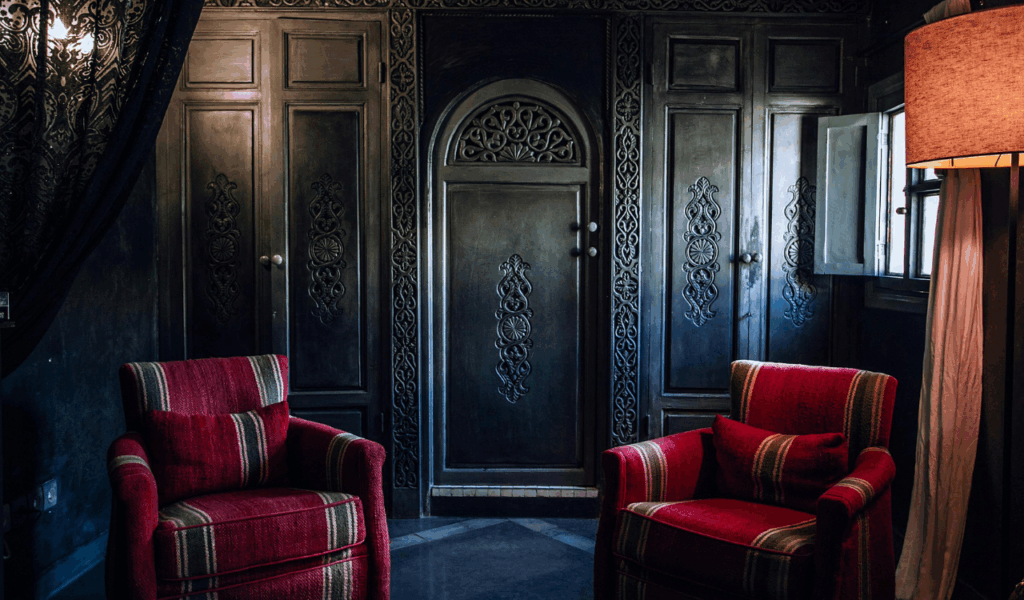
When you spend a lot of time inside, rooms with dark, heavy colors can feel small. Dark colors can be comfortable in small amounts, but too much of them makes rooms feel less open and absorbs light. This can make rooms feel smaller or more oppressive and diminish energy levels in a subtle way. Over time, the environment may feel boring if there isn’t enough contrast or light. During the day, light interacts with color in different ways, so rooms that are too dark may feel especially boring during the day. Darker rooms can be kept warm without being uncomfortable or depressing by adding lighter colors, textures, and reflective surfaces.
11. Spaces with No Visual Connection to the Outdoors
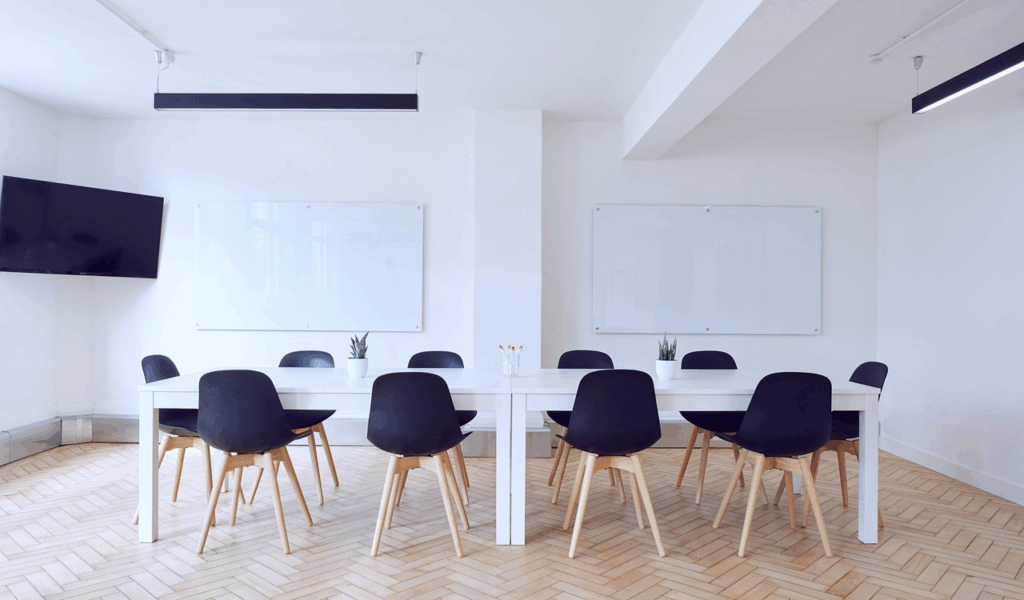
When you spend a lot of time inside, rooms that are completely cut off from the outside world can feel lonely. Seeing trees, the sky, or even things moving far away might help you relax and lower your stress levels. Without being able to see outside, time can seem to stand still and repeat itself. This lack of sensory variety makes people restless and tired mentally. Even indirect exposure, such light that bounces off of things or natural materials, can make an impact. Windows, light placement, and natural elements can help you feel more connected to the outside world and keep your sense of time and space healthier.
12. Poorly Maintained Shared Living Areas
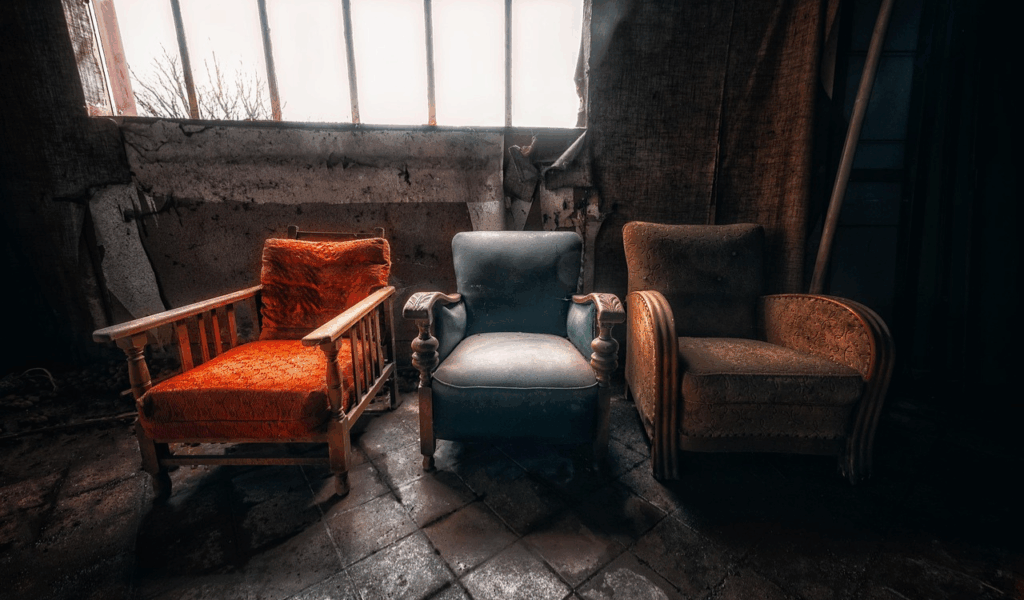
If you see symptoms of neglect in shared places, it can make you more frustrated without you even realizing it. Broken fixtures, worn furnishings, or dirty areas that aren’t always clean all point to duties that haven’t been accomplished and problems that haven’t been solved. These small things can annoy you when you’re locked inside for a long time. Neglected spaces make it hard to relax and be proud. Maintenance issues reduce utility, making daily activities tougher. Maintenance, even small improvements, improves comfort and usability. Clean and orderly shared spaces improve mood and make extended stays easier.