10 State Fair Award-Winning Foods Half the Judges Regret
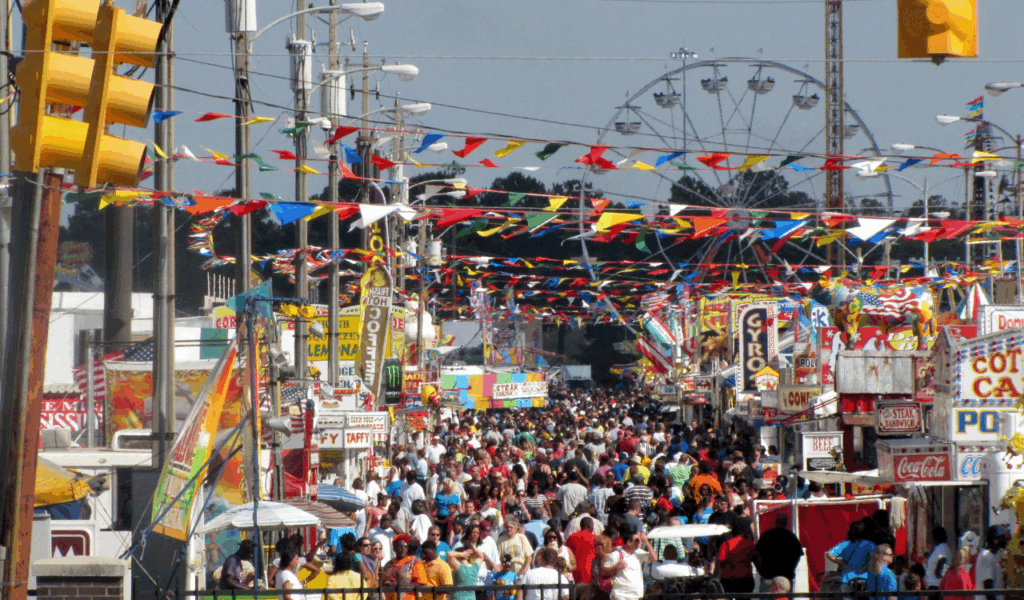
State fairs are the best places to try new deep-fried foods and eat too many calories. In the kitchen, “more is more” is the rule. Many blue-ribbon winners go on to become famous eateries, but professional chefs and culinary judges say that the exhilaration of winning quickly turns into terrible bodily regret.
The people who run the competition say that the judging process entails tasting dozens of really rich dishes in one afternoon, which can change how a judge sees things. What tastes like a great burst of flavor in the first mouthful can turn into a heavy, greasy error an hour later when the sugar crash starts to happen.
Designers of fair food menus often put the “wow factor” and how easy it is to share on social media ahead of how good it tastes or how comfortable it is to digest. Experts claim that the scents, lights, and competitive energy of a fairground can make judges award new things over things that are really good. Some of the most renowned wins are dishes that no one would ever want to consume more than one forkful of in real life, according to experienced culinary critics. Knowing the difference between a “winning” taste and a “satisfying” meal explains why so many famous fair delicacies are privately hated by the people who proclaimed them champions.
1. Deep-Fried Butter Balls
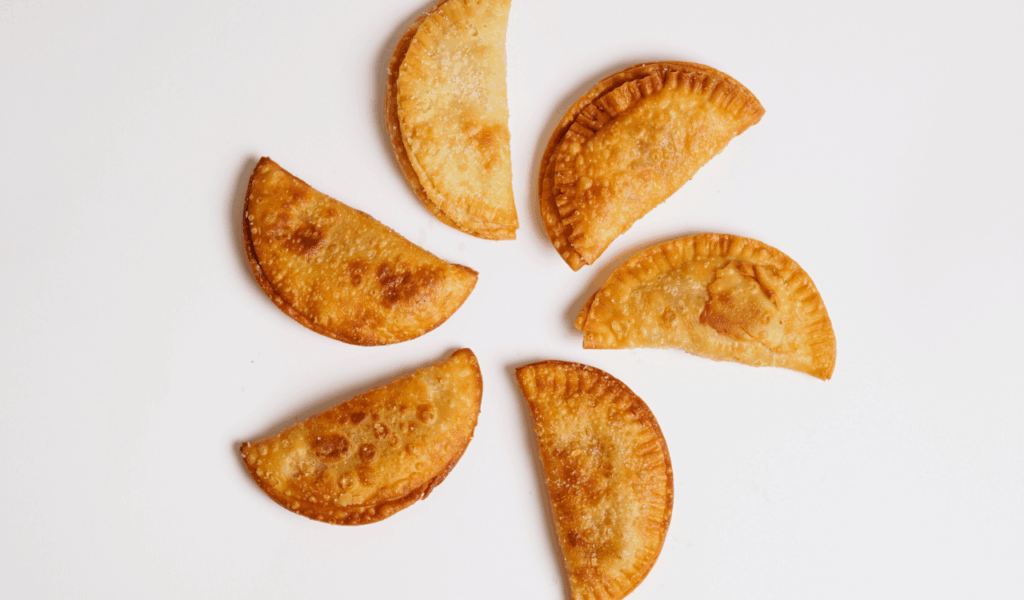
The deep-fried butter ball is a controversial story that regularly wins the top prize because it is so daring and hard to make. People who make this meal freeze pure butter, cover it with a sweet batter, and then flash-fry it so that the center melts into a hot liquid. Professional chefs who have judged this category say that the first bite is a strange mix of salty and sweet, but the repercussions afterward are virtually always bad. Experts believe that eating concentrated fat in this form can make you feel tired right away and leave you feeling greasy for the rest of the day.
Culinary judges often wish they hadn’t made this option since it puts shock value ahead of balanced flavor profiles. Health inspectors say that the significant amount of saturated fat and heated oil make this dish very hard for the body to digest fast. It gets a blue ribbon for being new, but half of the judges normally spend the next night nursing their tummies. Designers say that while it makes for a fantastic headline, it is more of a test of how much pain a person can take than a celebration of outstanding cooking or real flavor.
2. The Krispy Kreme Triple Burger
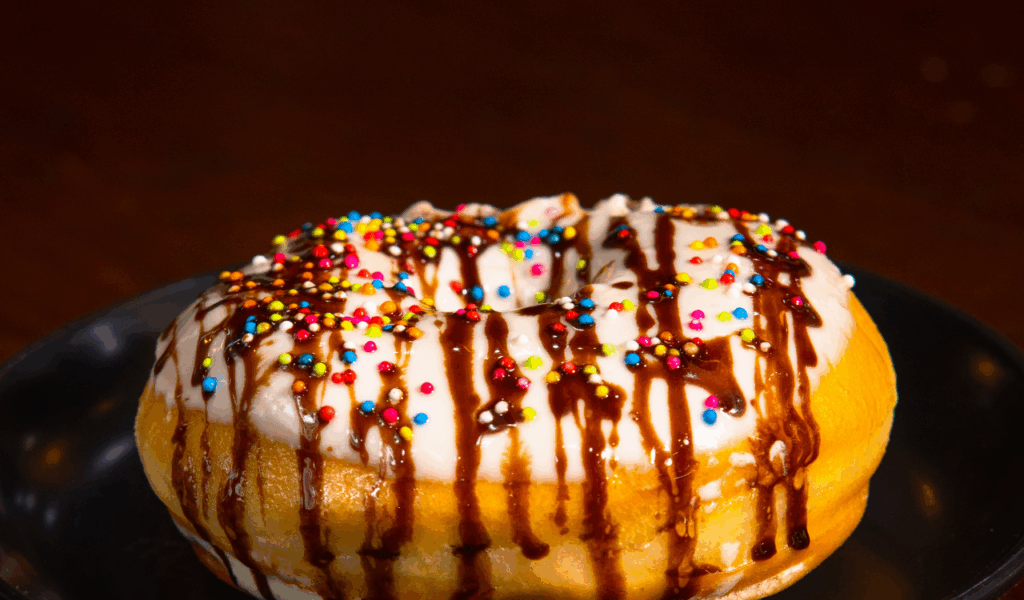
Instead of regular buns, the Krispy Kreme Triple Burger uses glazed donuts. This makes a huge pile of meat, cheese, bacon, and sugar. Realtors who handle vendor spaces at the fair say this item is often a hot seller, but judges often remember it as a turning point in their health. Experts argue that the high-fructose corn syrup in the donuts and the greasy meat make a “flavor wall” that is too much for most people to handle.
Half of the judges are sorry they gave the award since the dish is so heavy that it makes it almost impossible to keep going in the competition. According to professional organizers, it would be a nightmare to consume such a big, sticky sandwich in a judging tent.
The burger designers want a balance between sweet and salty, but critics say that the sweetness frequently makes the beef taste bad. Experts claim that the “Donut Burger” is a common part of fair culture, yet it often wins a medal just because it embodies the spirit of the event. A lot of judges say that after the last vote, they don’t want to see a glazed donut or a burger patty for at least a month.
3. Chocolate-Covered Bacon Wrapped Pickles
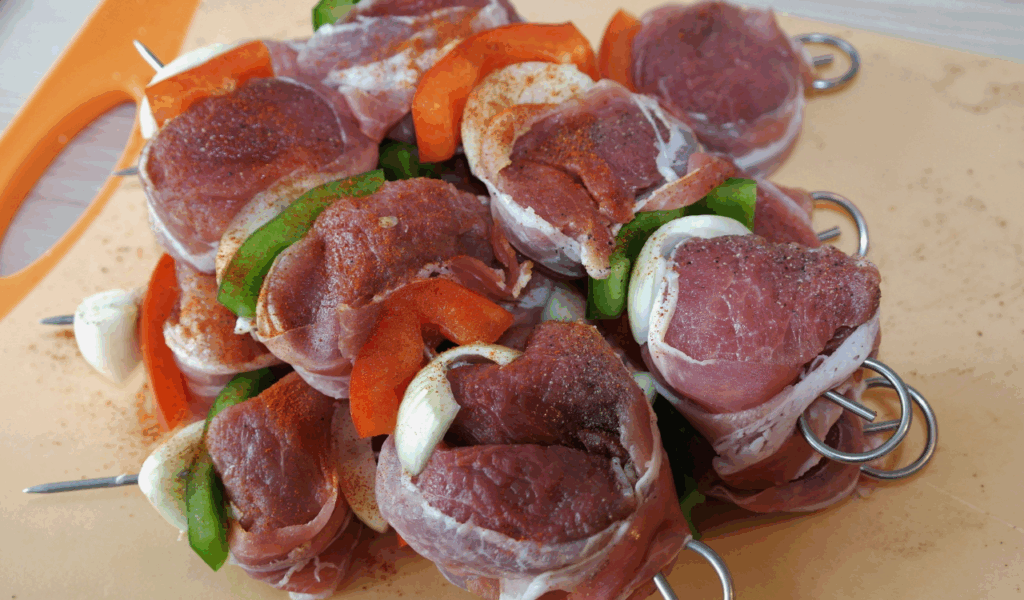
This dish mixes three of the most popular fair foods into one bewildering package that regularly wins the “Most Creative” award. Food stylists say that a chocolate-drizzled pickle looks great, but the taste chemistry is usually a nightmare. Experts claim that the vinegar in the pickles and the dairy in the chocolate don’t mix well, leaving a metallic aftertaste that lasts a long time. Once the novelty wears off, judges often wish they hadn’t given this honor since it leaves them with a perplexing and terrible taste.
The people who made these experimental snacks say that the goal of this cuisine is to get a reaction, not to make a whole meal. Professional chefs say that the texture is the biggest problem since the crunch of the pickle fights with the chew of the bacon and the snap of the cold chocolate. Half of the judges said they felt like they had to give the combination a prize for being “bold,” even though the actual eating experience was not very good. It is a great example of a fair dish that looks good on paper but doesn’t taste good in the stomach.
4. Deep-Fried Soda Syrup
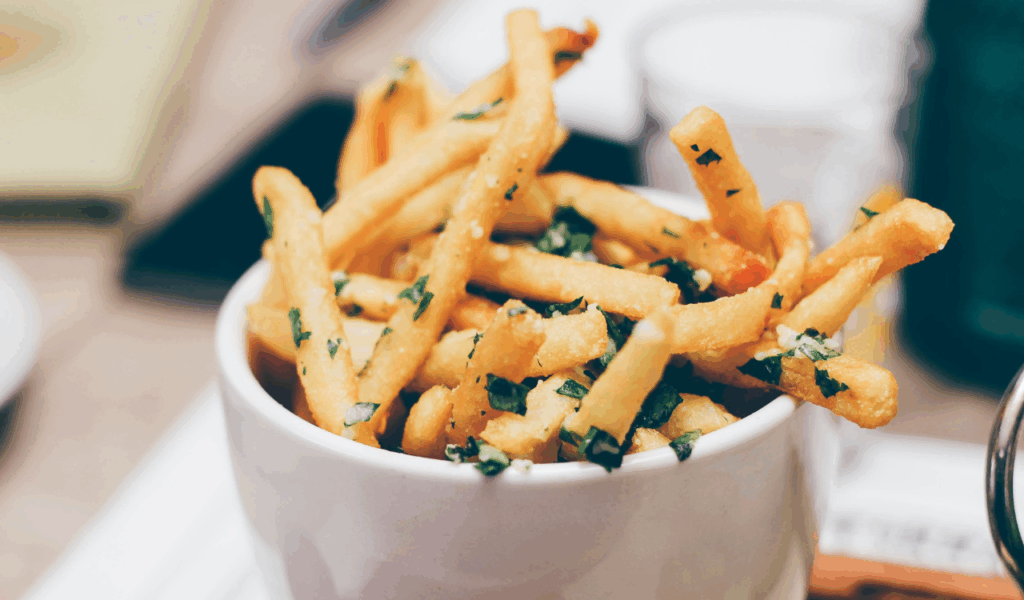
To make deep-fried soda, you soak little cubes of pound cake in flavored syrup, batter them, and then fry them till they look like hushpuppies. The people who made the dish then put extra syrup and whipped cream on top to make it more like a drink. Judges of the cooking contest say that this winner has so much sugar in it that it can give you a headache right away.
Experts believe that the syrup gets thicker and unbearably sweet as it is frying, which makes it lose the refreshing taste of the soda it is supposed to taste like. Professional organizers say that judges often regret giving this prize since it makes them feel “sugar fog” that makes it hard for them to judge later entries.
Chefs say that the meal is basically just a way to get pure corn syrup, with no structure or depth. It wins because it can turn a liquid into a solid fried snack, but it takes a lot out of the judges’ bodies. A lot of people say they voted for it because they thought the idea was brilliant, not because they liked the sweet, mushy cake.
5. The Five-Pound Taco Mountain
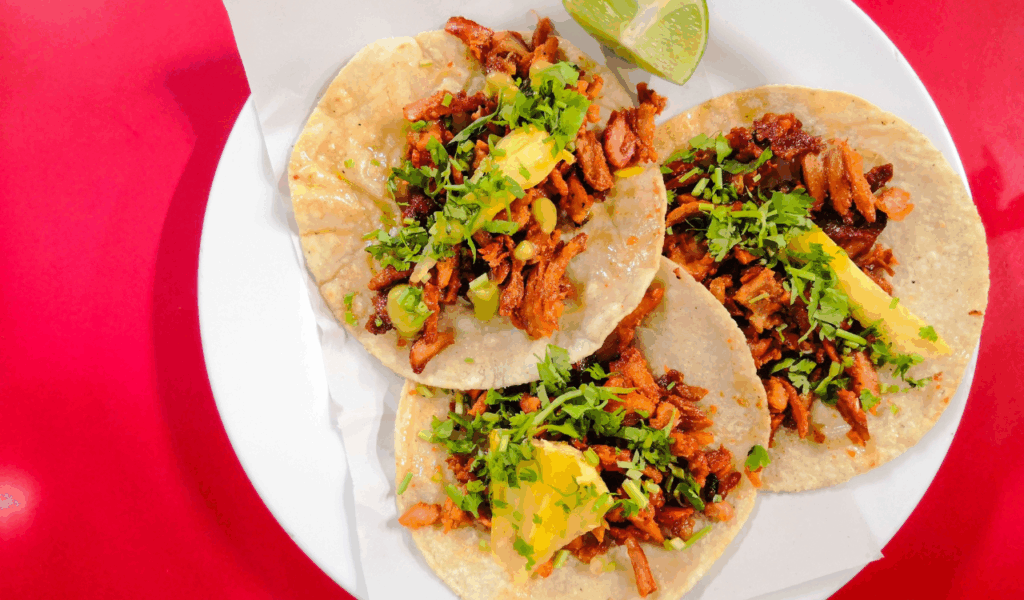
At state fairs, size is a traditional way to judge food. The Five-Pound Taco Mountain regularly wins the trophy for the greatest “Shareable” meal. Designers of large-scale fair food say that the idea is to make a mountain of foods that looks great on a tray. Judges, on the other hand, don’t like this prize because by the time they get to the bottom of the taco, it’s a soggy, unsightly jumble of grease and bean fluid. Experts believe that the cheese is chilly and the meat is lukewarm because there is no way to control the temperature in such a big pile.
Professional food stall flippers say that these huge servings are often a waste of ingredients because they focus on show over taste. Judges say that the taco mountain is frequently under-seasoned because the vendors are more concerned with how heavy it is. Half of the panel often regrets giving the blue ribbon because the dish is “quantity over quality,” which is something that many chefs find annoying. It is a winner that appears fantastic in a picture, but it is almost impossible to eat in a way that stays tasty from the first bite to the last.
6. Deep-Fried Lasagna on a Stick
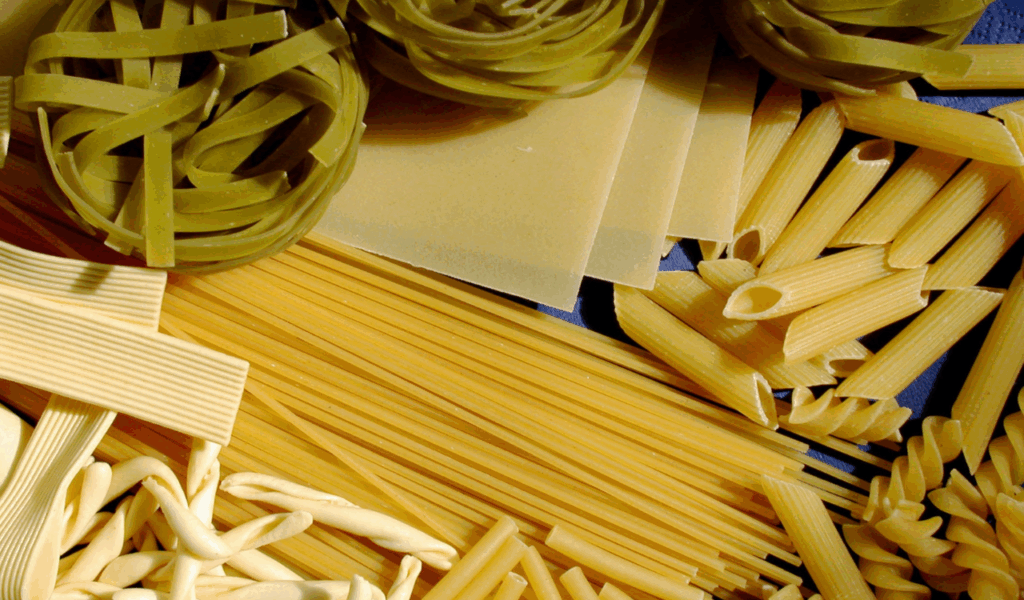
Deep-fried lasagna is a technical feat that requires freezing a slice of pasta, breading it, and frying it until the cheese is gooey. People who make the meal like how easy it is to eat “on-a-stick,” but judges say that the spaghetti sometimes gets hard and rubbery in the frying. Professional chefs say that the high heat of the oil destroys the delicate layers of a traditional lasagna.
Judges often wish they hadn’t given this honor because the dish is basically a big block of fried carbs that makes you feel like you have a stone in your stomach for hours. Experts argue that the marinara sauce on the side is often utilized to hide the fact that the inside of the lasagna is dry.
This dish is a typical example of “fair-ifying” a food that was never meant to be fried, according to culinary gurus. Half of the judges wish they hadn’t won since it sets a bad example for frying complicated foods that lose their flavor in the process. The initial mouthful of melted mozzarella is good, but the whole experience leaves you feeling regretful and like you ate too much of a single, heavy appetizer.
7. The Triple-Deep-Fried Oreo Stack
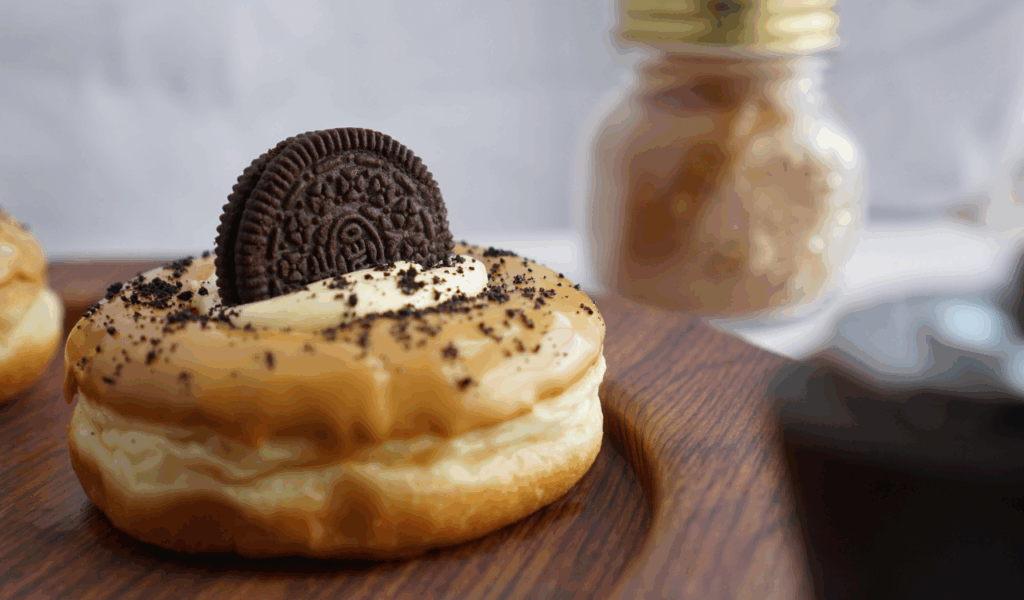
A single deep-fried Oreo is a classic, but the Triple-Stack takes it to the next level by stacking them with peanut butter and extra batter. Dessert concession designers say this dish is meant to be the most decadent. But judges claim that the amount of oil that three layers of batter and cookies soak up is shocking. Experts argue that the genuine Oreo flavor is lost amid a lot of hot grease and dough. Judges often regret giving this award since it seems like a lazy way to add to a trend that was already perfect.
Professional organizers say that this dish is one of the main reasons why the judges get “fair fatigue.” Chefs say that the core of the stack is often undercooked and doughy because the heat can’t get through all three layers well. Half of the judges said they voted for it because they missed the original fried Oreo, not because they thought the triple-stack was better. It is a winner that shows that you can have too much of a good thing, especially when that item is chocolate that has been deep-fried.
8. Hot Cheetos Infused Mac and Cheese Parfait
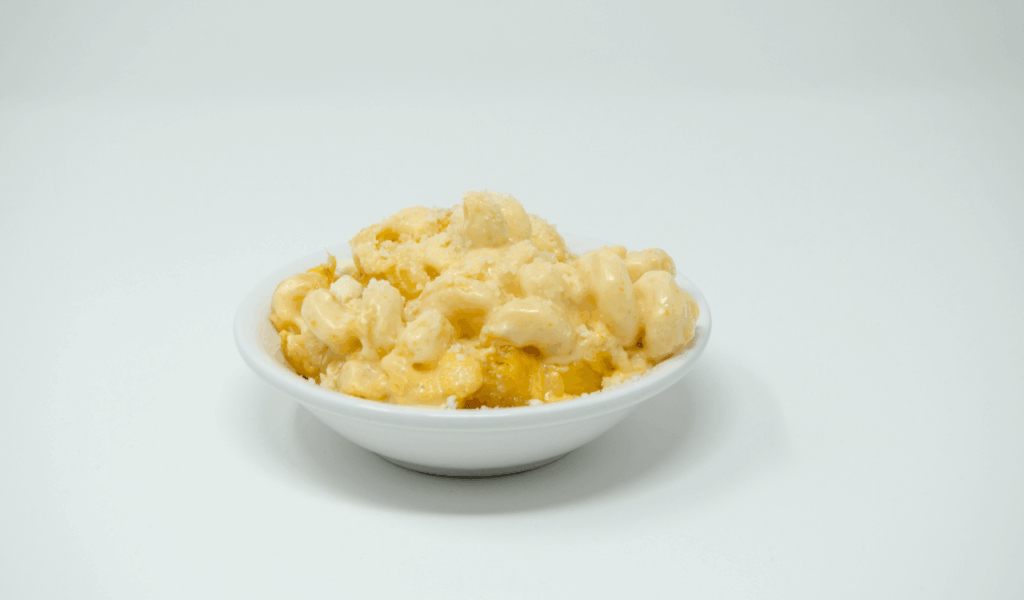
Layering savory foods in a cup in the “parfait” manner is very popular right now, and the Hot Cheetos version often wins because of its bright color and spicy flavor. Designers say that the vibrant crimson dust adds a crispness that balances off the creamy pasta. But judges often regret giving this award since the spice level is so high that it makes the taste receptors numb for the rest of the competition.
Experts believe that the artificial colors and preservatives in the snack food might create a lot of stomach problems when eaten in excessive amounts. Food critics say that this meal is often a “gimmick winner” that doesn’t stand up to serious cooking tests.
Chefs say that the macaroni is typically overdone and mushy so that it is easier to layer in the cup. Half of the judges said they don’t like the blue ribbon since the meal depends on a well-known snack instead of the vendor’s cooking skills. Most judges don’t like it as soon as they start to have heartburn later that night, but the younger crowd loves it.
9. The All-Meat Deep-Fried Pizza Slice
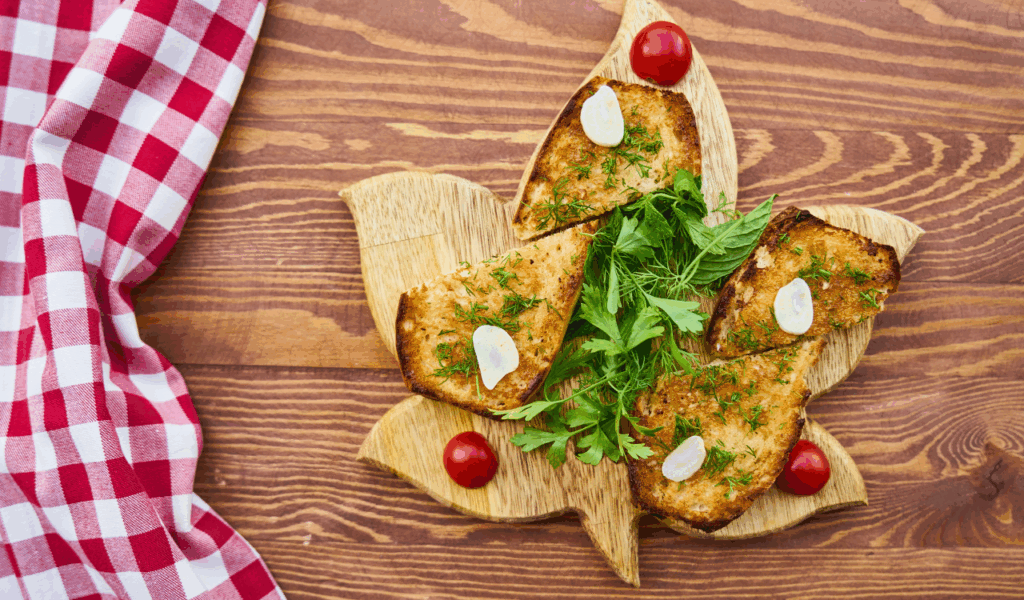
This meal takes a piece of pizza for meat lovers, puts it in a tasty batter, then fries it till it’s crispy. The designers of the pizza slice want to make a portable version of the classic dinner, but judges claim the outcome is a huge “salt bomb” that is hard to eat. Health experts say that the mix of processed meats, cheese, bread, and frying oil makes the sodium level go through the roof. Judges often wish they hadn’t given this medal since the saltiness makes them thirsty right away and makes them feel bloated for the whole fair.
Professional organizers say that the oil tends to seep into the crust, which makes the whole slice feel heavy and limp. Chefs say that the “meat-lover’s” part implies there is no acidity or vegetables to balance out the richness. Half of the judges say they wish they hadn’t won since it shows that the competition’s winners aren’t evenly distributed. It is a dish that satisfies a hunger for about three seconds before the reality of how bad it is for your health makes you feel bad for the rest of the day.
10. Deep-Fried Watermelon Wedges
Deep-frying watermelon is hard since the fruit has a lot of water in it, which makes the batter erupt or get mushy. Designers that can do it well generally win for their talent, but judges say the taste is a huge letdown. Culinary experts say that the heat changes the crisp, refreshing watermelon into a warm, mushy feel that many people don’t like.
Judges typically regret giving this medal because the dish takes away the tastiest parts of the fruit and adds extra fat and calories. Professional chefs say that judges often regret the “fried fruit” category because it doesn’t make the original ingredient taste better.
The organizers say that if the oil hasn’t been changed in a while, which is usual at crowded fairs, the batter tastes like fish or onions. Half of the judges don’t like the blue ribbon since they think the dish is a waste of a perfectly delicious summer fruit. People celebrate the “how” of a winner instead of the “why,” which leaves judges with a soggy, warm snack that they wish they had never tasted.