7 Wall Art Trends That Instantly Date a Home
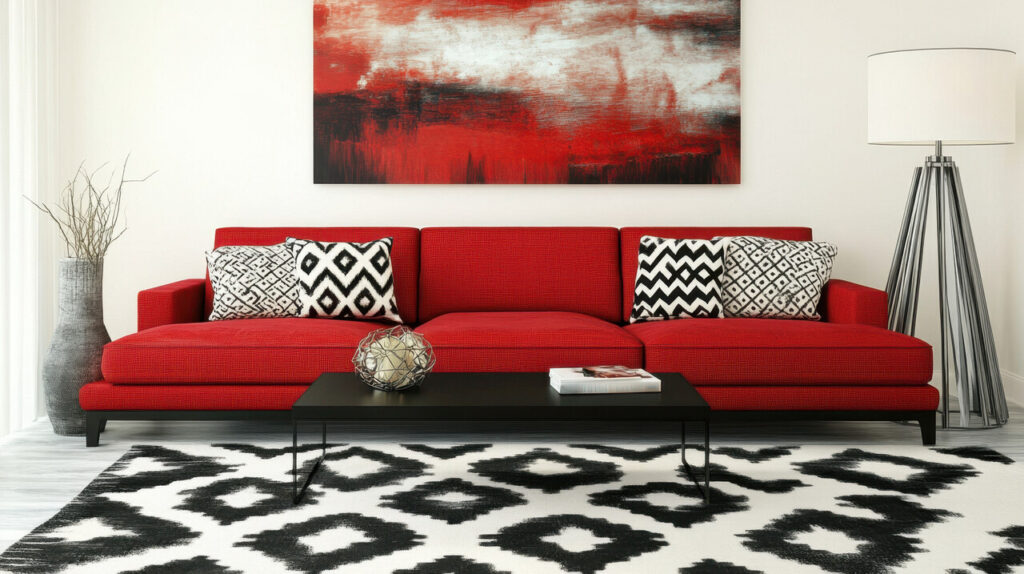
Wall art plays a quiet but powerful role in how a home feels. The wrong pieces can instantly lock a space into a specific era, no matter how updated the furniture or finishes are. Many popular wall art trends lean heavily on repetition, literal messaging, or short-lived aesthetics that age faster than homeowners expect. As tastes shift toward warmth, individuality, and longevity, certain once-loved styles now signal that a room hasn’t evolved. These wall art choices show how quickly visual trends can turn from stylish to stale.
1. Word Art and Phrase Prints

Wall art that spells out feelings or instructions once felt cheerful and approachable, but over time, it has become one of the fastest ways to date a room. The problem isn’t the sentiment, it’s the literalness. When walls tell people how to feel or what to do, the space loses subtlety. These pieces also tend to be mass-produced, meaning they show up in countless homes with identical fonts and layouts. That repetition makes a room feel generic rather than personal. As design tastes shift toward layered visuals and individual expression, slogan art often feels more like décor filler than a meaningful choice. Homes age faster when the art leaves nothing to interpretation.
2. Gold Leaf and Metallic Accent Prints

Gold leaf prints and shiny metallic wall art were once seen as an easy shortcut to glamour. In practice, they often age poorly because their appeal relies heavily on trend rather than substance. Metallic finishes reflect light unevenly, exaggerating wear, fingerprints, and dust. When paired with neutral walls, they can feel flat and overly decorative instead of refined. Many of these pieces also lack depth in subject matter, leaning on sparkle to do the work. As interiors move toward texture, craftsmanship, and softer finishes, shiny gold prints tend to stand out in the wrong way. What once felt luxe can quickly read as dated and overly styled.
3. Chevron and Ikat Pattern Art
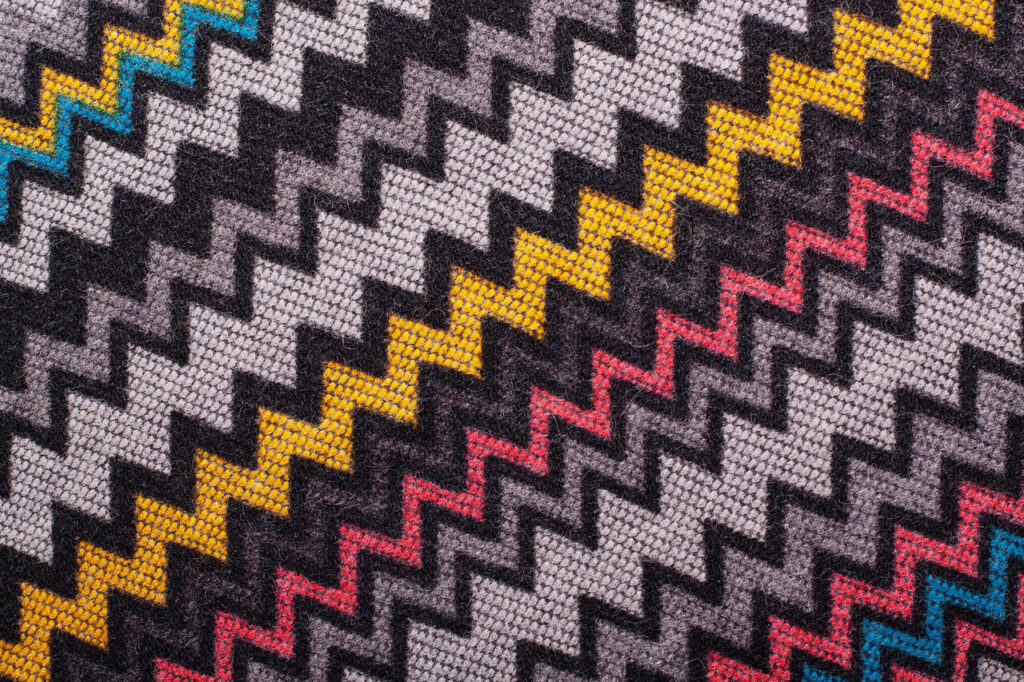
Chevron and Ikat patterns had a long moment, especially in the early 2010s, when bold repetition was synonymous with modern style. The issue now is overexposure. These patterns are so closely tied to a specific design era that they immediately timestamp a space. On walls, they can also feel visually aggressive, competing with furniture and architecture rather than supporting them. Unlike organic patterns found in nature, geometric repeats rarely soften with age. As homeowners gravitate toward more timeless visuals, chevron and Ikat art often feels like a leftover choice rather than an intentional one, signaling when the room was decorated rather than how it’s lived in.
4. Heavy Themed Wall Murals
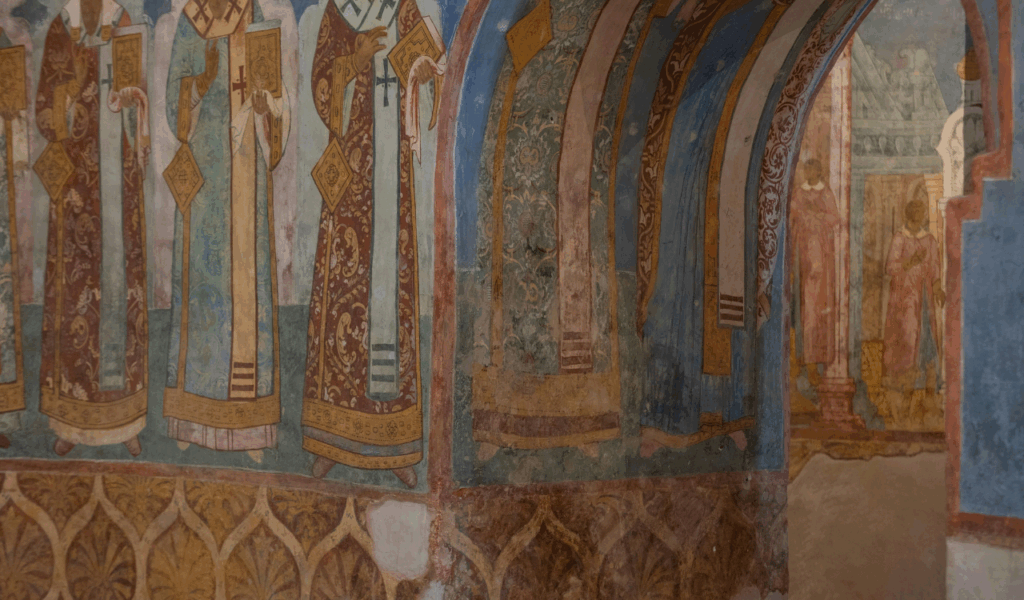
Themed murals make a strong first impression, but they rarely stand the test of time. Whether it’s a beach scene, city skyline, or oversized botanical, these murals dominate a room’s identity and limit how the space can evolve. Furniture, lighting, and textiles must all work around the mural, leaving little flexibility as tastes change. In real homes, this often leads to visual fatigue. What once felt immersive can start to feel overwhelming or childish. As design trends move toward adaptable spaces, murals tied to a single theme often feel more like a commitment than a feature, aging faster than more restrained wall art choices.
5. Overly Coordinated Matching Art Sets
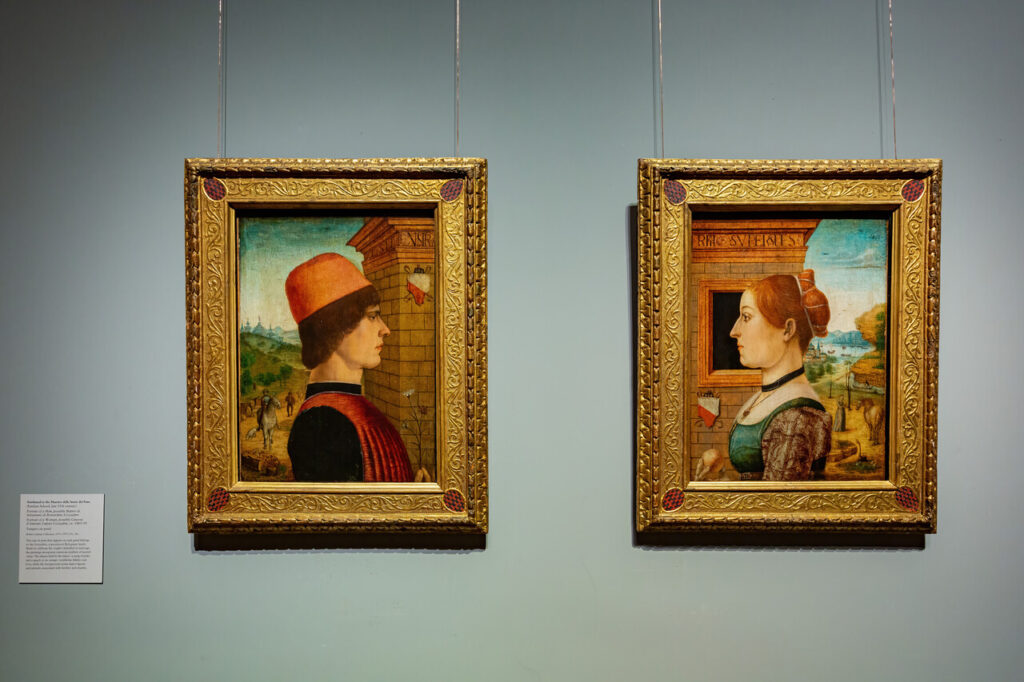
Perfectly matched art sets were once marketed as a foolproof way to create a polished look. In reality, they often make rooms feel staged rather than lived in. When every frame matches and spacing is overly precise, the result can feel rigid and impersonal. These sets also tend to follow trends closely, meaning they fall out of favor as soon as styles shift. Homes today value character and collected looks that develop over time. Matching sets leave no room for evolution or storytelling. Instead of feeling curated, they often feel frozen, locking the room into a specific design moment that quickly feels outdated.
6. Stark Black-and-White Minimalist Art
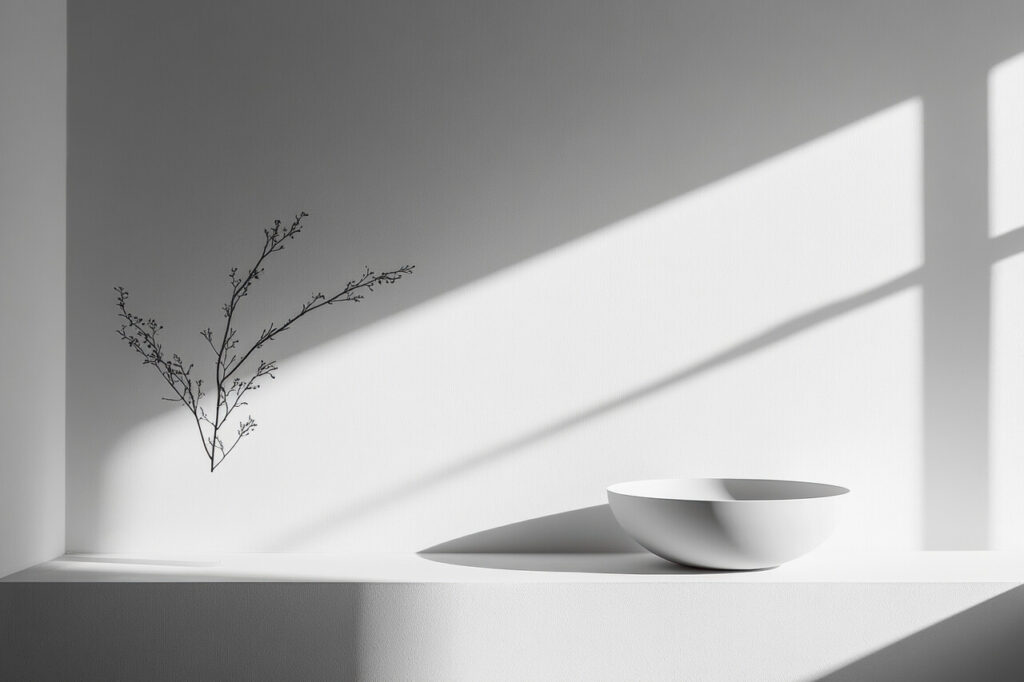
Minimalist black and white art can feel calming at first, but when overused, it often drains warmth from a space. These pieces rely heavily on contrast and negative space, which can feel cold if not balanced with texture or color elsewhere in the room. In many homes, especially those without strong natural light, stark artwork emphasizes emptiness rather than intention. As design shifts toward comfort and emotional connection, purely minimalist pieces can feel detached. They also tend to be widely available and generic, making them less memorable. Without depth or variation, these artworks often age by feeling unfinished rather than timeless.
7. Trend-Driven Pop Culture Prints

Pop culture prints feel current by definition, which is exactly why they date so quickly. Whether it’s a viral reference, celebrity portrait, or meme-inspired artwork, these pieces are anchored to a specific moment. Once that moment passes, the art loses relevance and can even feel awkward. In shared living spaces, this can make rooms feel juvenile or overly themed. While playful art has a place, walls dominated by trend-driven references rarely age well. As homeowners seek longevity in their design choices, pop culture prints often become the first items to come down when a space starts to feel outdated.