
9 Dairy-Free Desserts Called Out for High Sugar and Ultra-Processed Ingredients

For those on plant-based or lactose-intolerant diets, dairy-free sweets are a wonderful alternative; but, many of these packaged options conceal excessive amounts of sugar and highly processed ingredients. Even though they use healthy-sounding ingredients, these products nevertheless include oils, sugars, and stabilizers to make them taste and look creamy. You may pick healthier snacks and steer clear of selections that derail your progress if you know what’s in them. To be sure your dessert is healthy and fits in with your lifestyle, read labels carefully.
1. Vegan Ice Cream Made with Refined Sugars

Even though they employ oat or coconut bases, many dairy-free ice creams nevertheless pack a lot of refined sugar for that rich flavor. Adding syrups and stabilizers makes the texture smoother, but it also makes the food more processed. These frozen snacks may still contain emulsifiers, which decrease the formation of ice crystals, even though they are marketed as plant-based. To prevent unintentional overconsumption of sugar from apparently healthy options, it is vital to check labels for sugar amount per serving.
2. Almond Milk Puddings with Additives
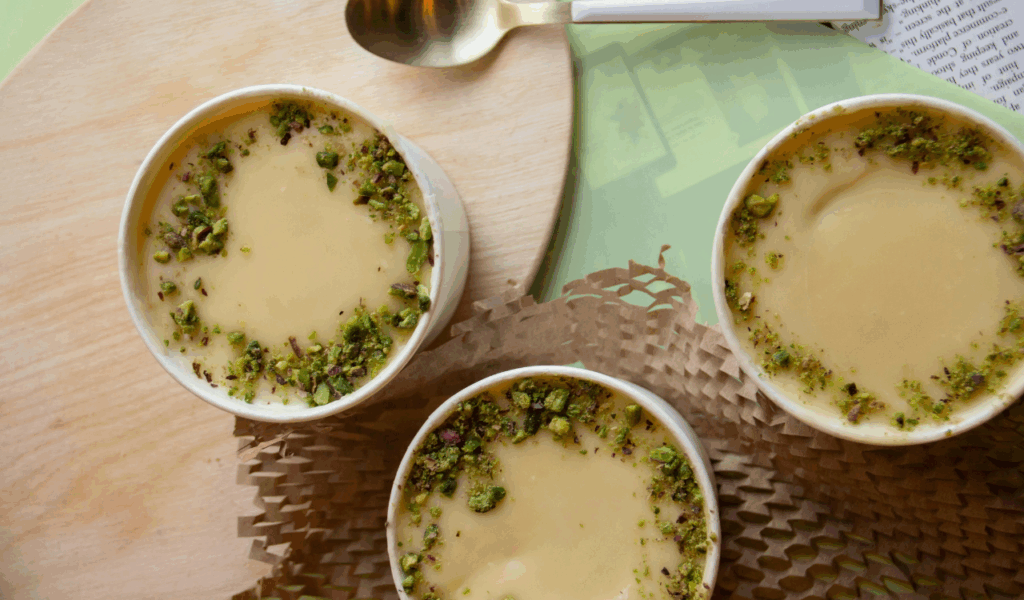
Even though almond milk puddings are dairy-free, they nevertheless use thickeners such gums and modified starches to make them seem creamy. A lot of sugar is used in these recipes so that the subtle almond taste doesn’t stand out. To make them sweeter without using more fruit or actual ingredients, some of them also use artificial tastes. Their nutritional value is low, despite their convenience. Opting for puddings that use natural sweeteners and have fewer ingredients can be the better choice.
3. Coconut Whipped Toppings
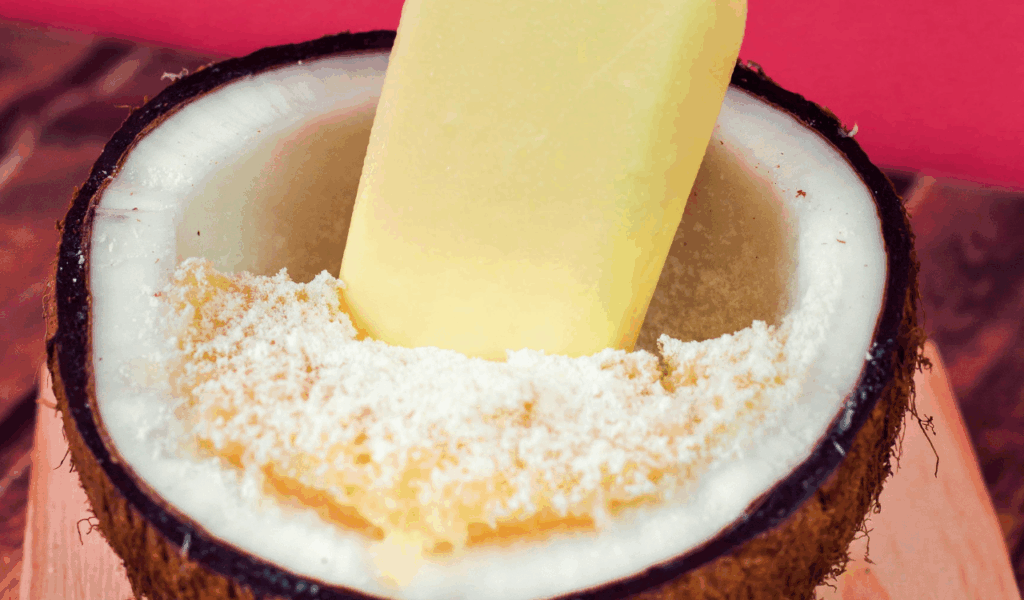
Although they have a decadent flavor, whipped toppings made with coconut are considered ultra-processed due to the usage of hydrogenated oils and stabilizers. Many manufacturers add sugar and aerating chemicals to keep it frothy and keep it fresh for longer. As a result, they aren’t as healthy as whipped coconut cream created from scratch. Portions should be carefully monitored because these toppings are typically served with sweet sweets that contain a lot of sugar. You can cut down on additives by manufacturing your own or buying versions with less.
4. Shelf Stable Dairy Free Custards
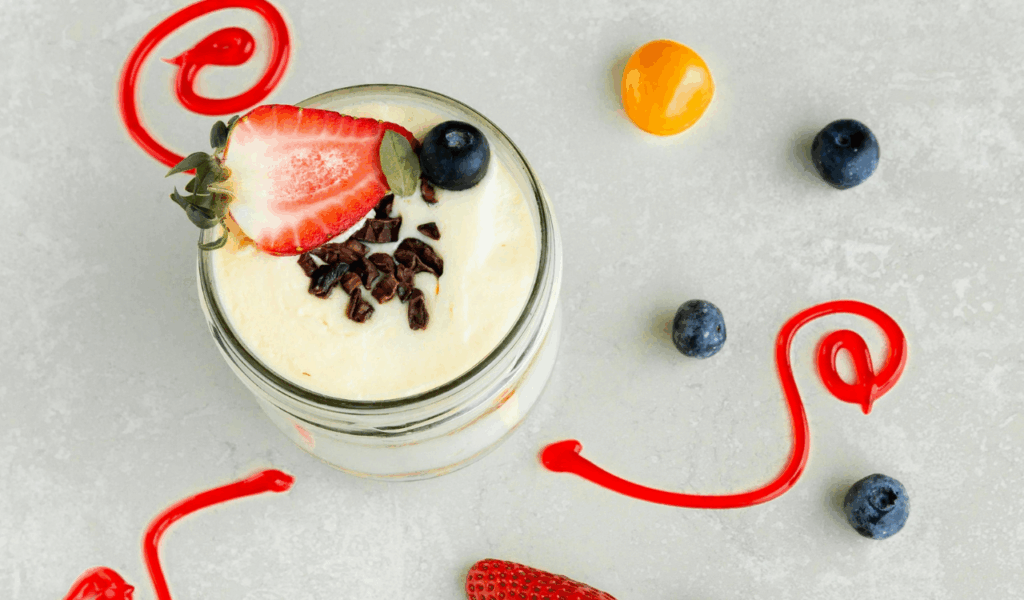
Without eggs or dairy, these custards still manage to have a velvety texture thanks to starches, sweeteners, and artificial flavors. The final texture is altered by preservatives and heat stable stabilizers, which contribute to their long shelf life. To enhance flavor, sugar is typically added in large quantities. Despite their portability, they don’t always meet nutritional needs. The best way to tell whether an option has been minimally processed or is highly prepared for long-term storage is to read the ingredient list.
5. Vegan Cheesecake Bars
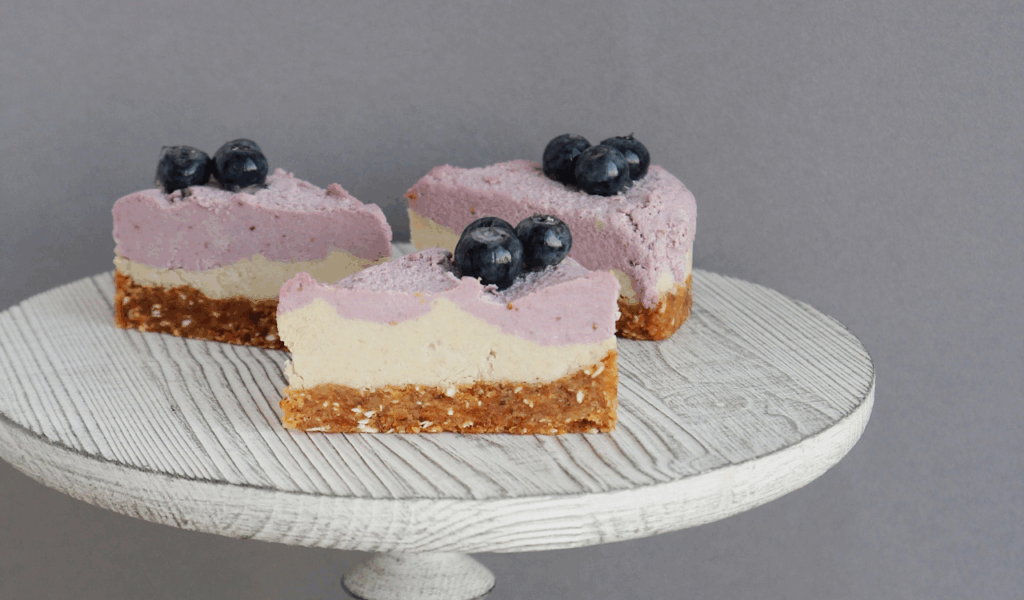
To obtain the typical rich texture of cheesecake bars, vegans utilize cashew or coconut bases and often combine them with emulsifiers and high-sugar syrup blends. To further solidify the filling, commercial versions may additionally use refined oils. Despite claims to the contrary, these bars are just as sugary as regular cheesecake, despite their sumptuous name. Finding options that are naturally sweetened with fruit or have balanced ingredients will help you control your portion sizes. Making them at home usually gives you more say over the sugar content and processing.
6. Oat Milk Frozen Novelties

Customers looking for dairy-free desserts may be enticed by oat milk-based frozen bars or sandwiches, but these products typically include a lot of added sugar. Gums, stabilizers, and oils help manufacturers keep their products structurally sound even when subjected to repeated freezing and melting. Despite their uncomplicated branding, these modifications make them ultra processed. Their subtle sugariness makes it easy to eat too much without noticing how many calories you’ve consumed. To find healthier options, read labels carefully for sugar and ingredient complexity.
7. Soy Based Chocolate Mousse Cups
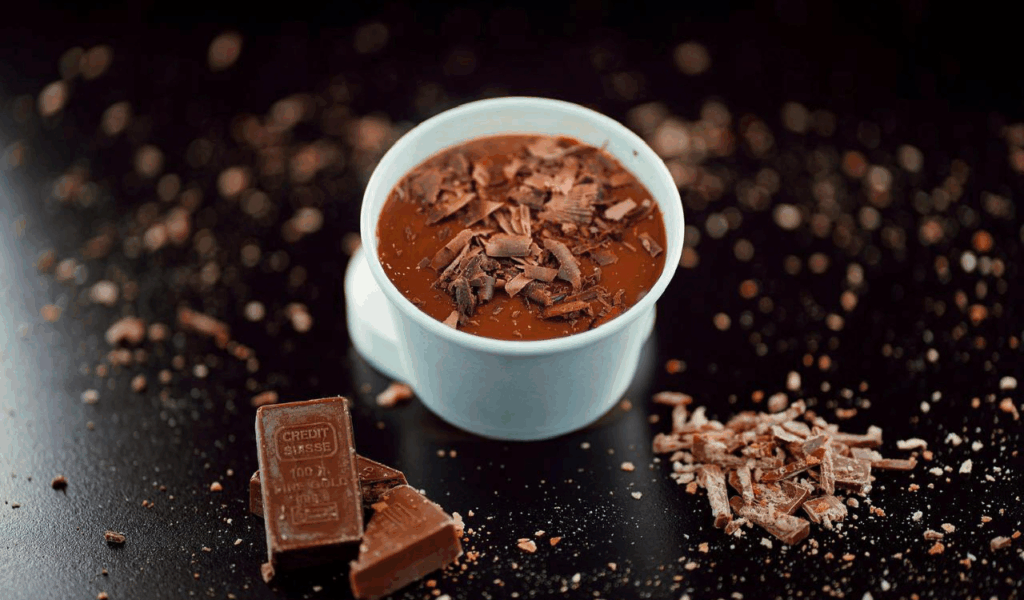
Mousses made with soy have a light texture but are usually thickened with whipped agents, chocolate stabilizers, and extra sugars. The many ultra-processed ingredients needed to keep them shelf stable are sometimes hidden by their nice taste. Despite being plant-based, these items almost never supply complete nourishment. You may cut back on additives by opting for the refrigerated varieties that have fewer thickeners. For a more sanitary option, try making your own with soy milk and real chocolate.
8. Dairy Free Caramel Sauces
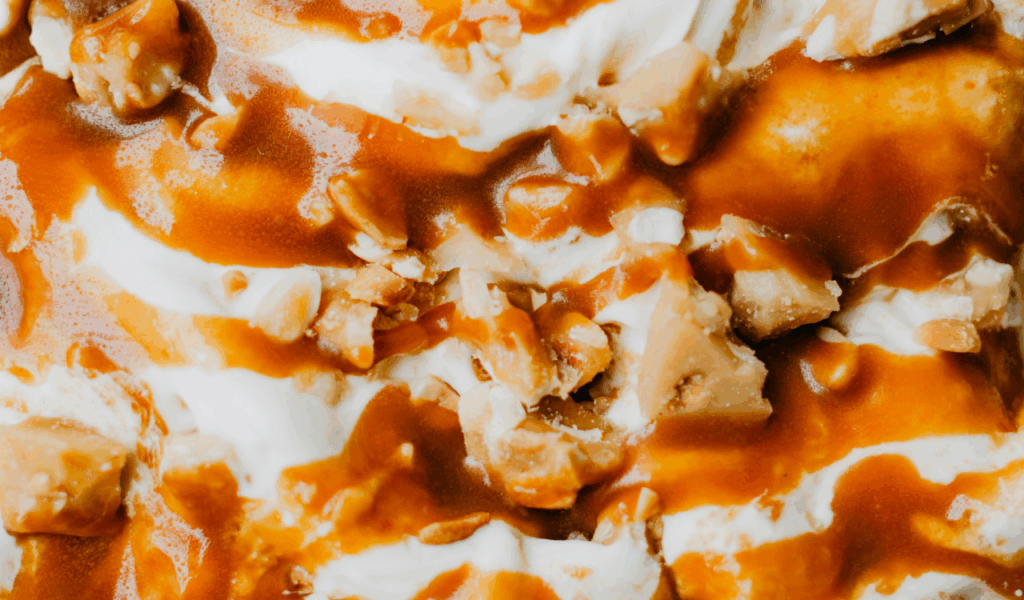
To get the same depth of flavor and color in dairy-free caramel toppings, people often turn to refined sugars or high fructose sweeteners. Many firms add processed refined oils and emulsifiers to their butter substitutes in an effort to make it taste as rich as real butter. Drizzling these sauces over sweets can dramatically raise the sugar level. One way to cut back on processed sugar is to make your own simple caramel or choose variations that use natural sweeteners.
9. Plant Based Cookie Sandwiches
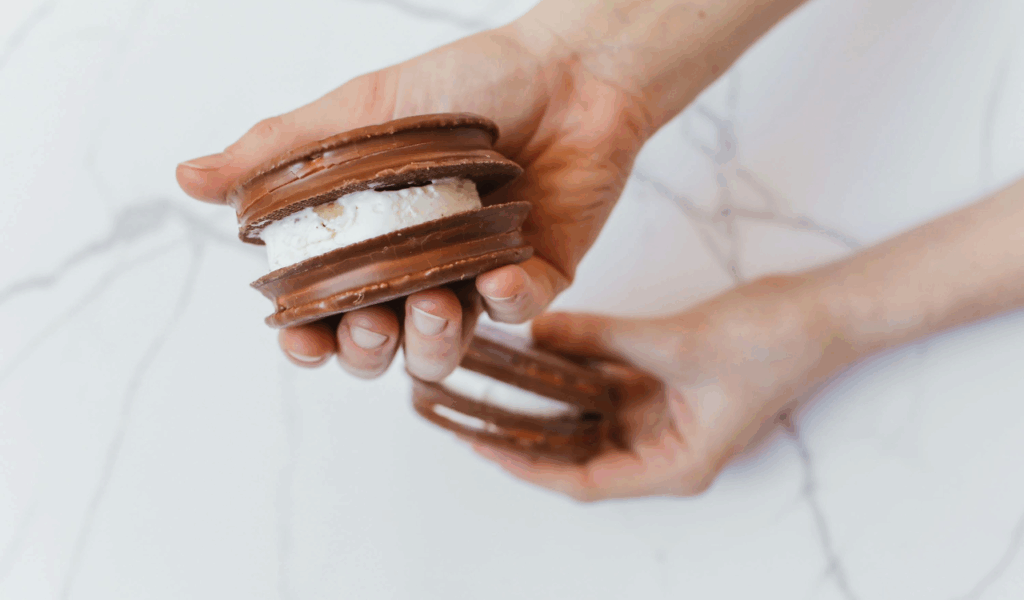
To achieve the same velvety smoothness as their dairy-based counterparts, these sandwich cookies frequently have sweet fillings held together by stabilizers. The sugar content of the cookies could be higher if refined flour and sweeteners are used in the cookie layers. Artificial tastes and ultra-processed oils are prevalent, which aid in keeping things fresh for longer. Though handy, they have the potential to provide more sugar than anticipated. To avoid taking in too much, it’s best to exercise moderation and read labels thoroughly.