Unveiling the Yield: How Many Bottles of Whiskey Come from a Single Barrel?
The journey from barrel to bottle is a fascinating aspect of whiskey production, blending art and science. Understanding how many bottles emerge from a single barrel involves delving into various factors that influence this yield.
Standard Barrel Capacities and Initial Calculations
A standard American whiskey barrel, known as the American Standard Barrel (ASB), holds approximately 53 gallons, equivalent to about 200 liters. Given that a typical whiskey bottle contains 750 milliliters (0.75 liters), a straightforward calculation suggests that a full barrel could theoretically yield around 267 bottles:
[ 200 \text{ liters} \div 0.75 \text{ liters per bottle} \approx 267 \text{ bottles} ]
However, this theoretical maximum doesn’t account for real-world variables that affect the final bottle count.
The Impact of the Aging Process: The Angel’s Share
During aging, whiskey undergoes evaporation, a phenomenon romantically termed the “angel’s share.” This process results in a gradual decrease in volume over time. The extent of this loss depends on factors such as climate, barrel storage conditions, and the duration of aging. In warmer climates, evaporation rates can be higher, leading to more significant volume reductions. For instance, a barrel aged for four to six years may yield approximately 160 to 180 bottles, as noted in industry observations.
Barrel Size Variations and Their Influence
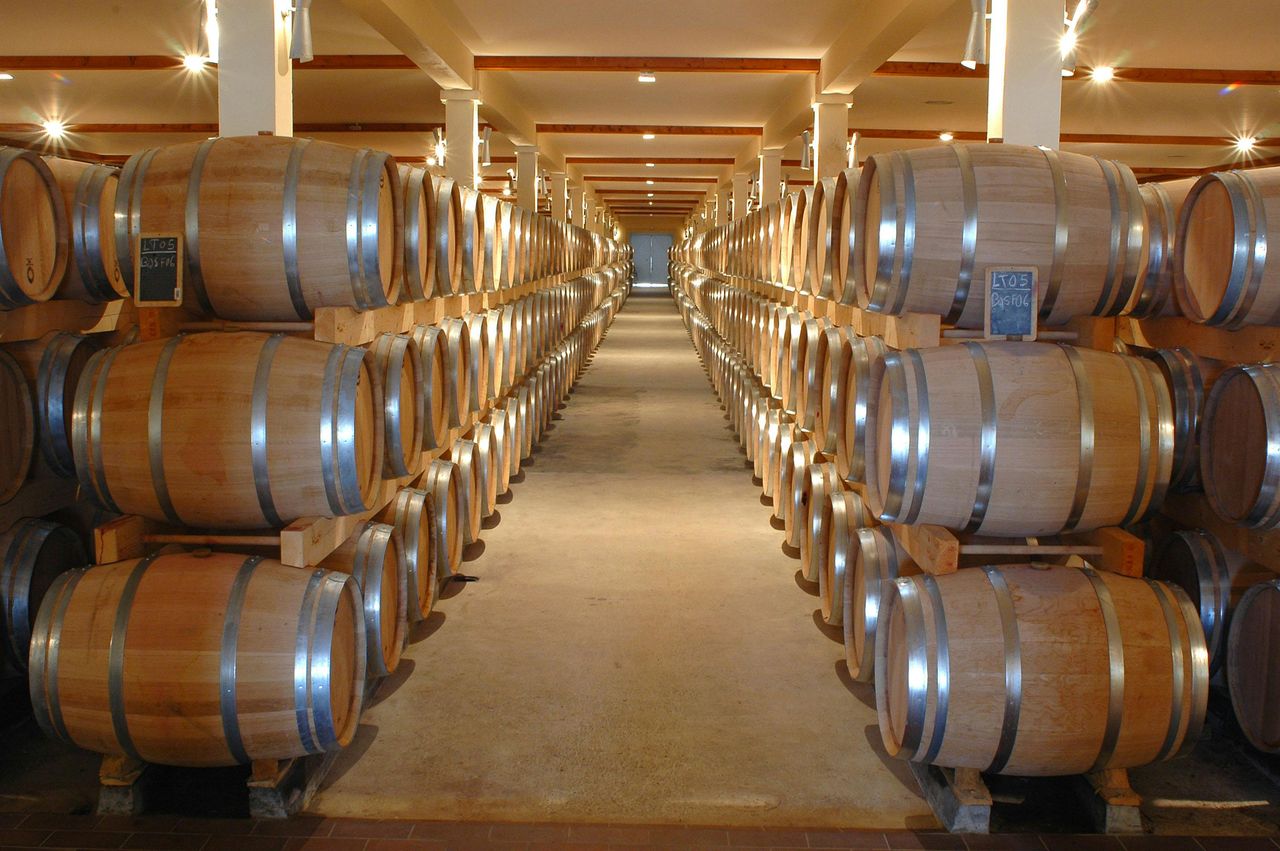
Barrel size plays a crucial role in determining the number of bottles produced. While the ASB is common, other barrel types include:
-
Hogshead: Approximately 63 gallons (238 liters), potentially yielding around 317 bottles.
-
Sherry Butt: Around 126 gallons (477 liters), with a potential yield of about 636 bottles.
Smaller barrels, such as quarter casks (approximately 13 gallons or 49 liters), would yield fewer bottles, around 65, due to their reduced capacity.
Proofing and Bottling Strength Considerations
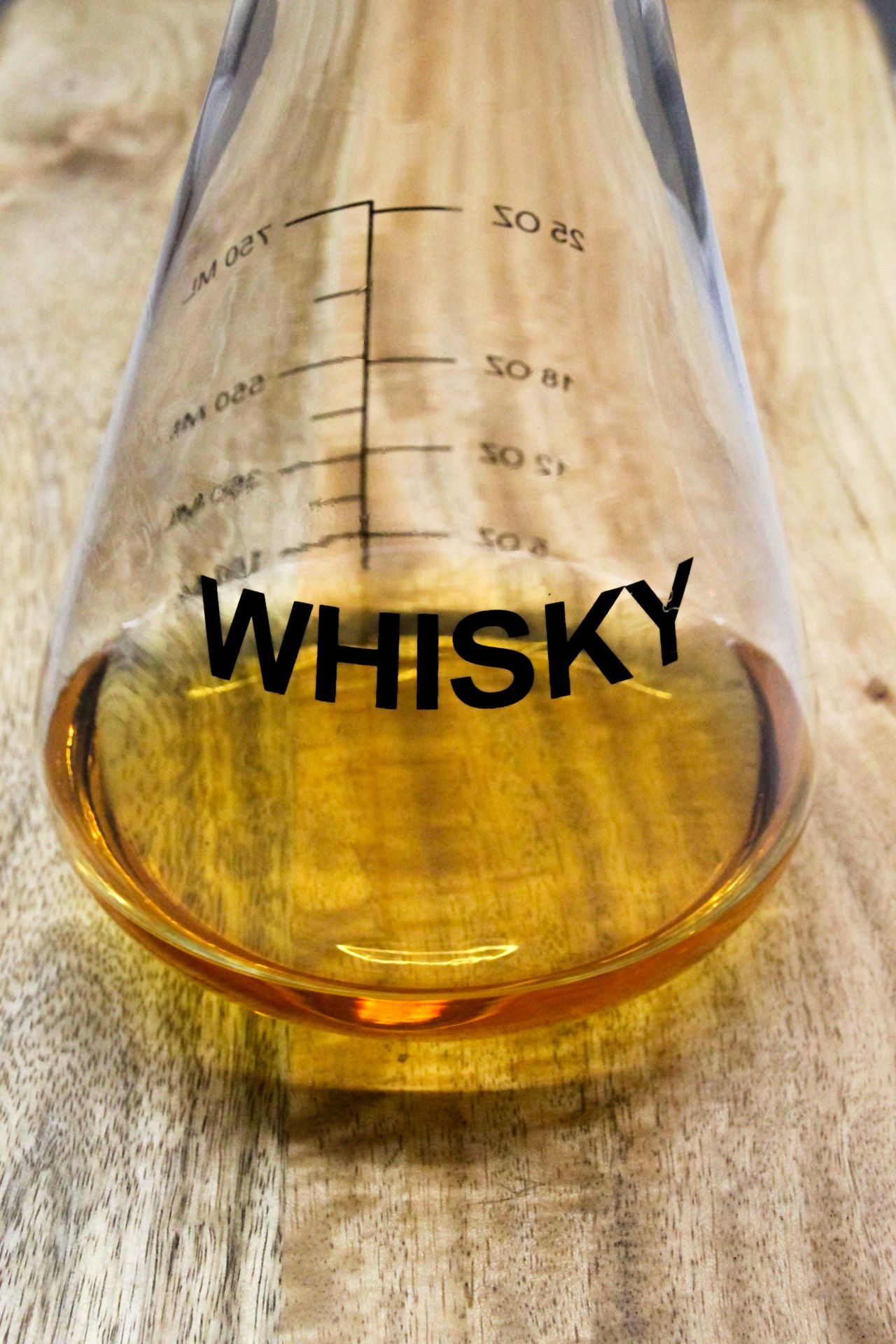
The alcohol by volume (ABV) at which whiskey is bottled significantly affects the number of bottles per barrel. Whiskey can be bottled at cask strength, meaning no water is added after aging, or it can be diluted to a lower proof. Diluting the whiskey increases the total volume, thereby increasing the number of bottles produced. For example, bottling at a standard 80 proof (40% ABV) after dilution can result in a higher bottle count compared to bottling at cask strength.
Additional Factors Affecting Yield
Several other elements influence the final bottle count from a barrel:
-
Storage Conditions: Temperature fluctuations and humidity levels in the warehouse can impact evaporation rates.
-
Barrel Condition: The quality and previous use of the barrel can affect how much whiskey is absorbed into the wood, impacting the final yield.
-
Aging Duration: Longer aging periods typically result in greater evaporation losses, reducing the final volume available for bottling.
Conclusion: The Art and Science of Whiskey Yield
Determining the exact number of bottles derived from a single whiskey barrel is a complex process influenced by multiple factors, including barrel size, aging conditions, evaporation rates, and bottling proof. While initial calculations provide a theoretical maximum, real-world conditions often result in a lower yield. This intricate interplay of variables underscores the craftsmanship involved in whiskey production, where each barrel tells its own unique story.