8 Once-Popular Home Features That Today’s Buyers Despise
Home design trends have a way of aging faster than anyone expects. Features that once boosted resale value or signaled modern living can quickly turn into deal-breakers as lifestyles, safety standards, and buyer priorities evolve. Today’s buyers walk into homes with different expectations around maintenance, flexibility, and long-term costs. What once felt luxurious or innovative now often reads as outdated, impractical, or expensive to undo. Understanding which once-popular features now repel buyers can help explain why some homes struggle to sell, even in competitive markets.
1. Wall-to-Wall Carpeting
There was a time when wall-to-wall carpeting signaled comfort, warmth, and even luxury. Today’s buyers see it very differently. Carpeting traps dust, allergens, pet hair, and odors in ways hard surfaces simply do not. Even well-maintained carpet raises concerns about what might be lurking underneath, especially in older homes where spills, moisture, or wear may have gone unnoticed for years. Hardwood, tile, and modern vinyl offer easier cleaning and a more timeless look. What once felt cozy now feels high-maintenance and outdated, especially in high-traffic areas where durability matters most.
2. Popcorn Ceilings
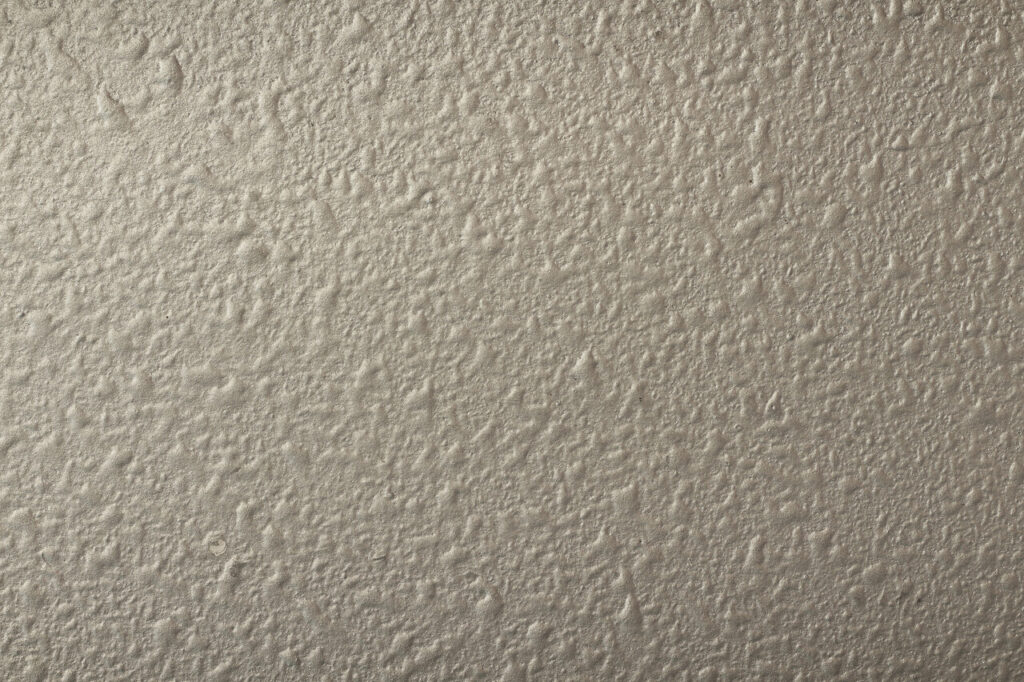
Popcorn ceilings were popular for a simple reason: they hid imperfections and were cheap to apply. That appeal has completely evaporated. Today’s buyers associate textured ceilings with older construction and costly remediation. Beyond aesthetics, popcorn ceilings raise practical concerns. They collect dust, are difficult to clean, and can complicate lighting upgrades. In some older homes, buyers also worry about asbestos, even if testing shows the material is safe. Removing popcorn texture is messy, time-consuming, and expensive, which immediately turns buyers off. Smooth ceilings now signal modern construction and care.
3. Sunken Living Rooms
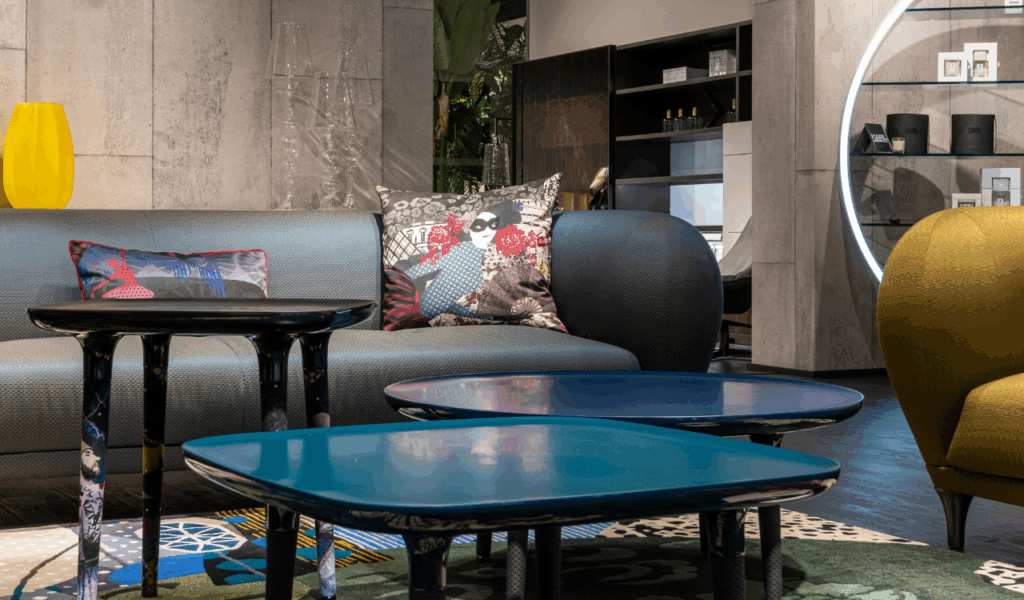
Sunken living rooms once embodied architectural drama and the separation of space. Now they are seen as impractical and even unsafe. Buyers with children, pets, or mobility concerns often view the step-down design as a hazard rather than a feature. Furniture placement becomes more complicated, and the layout can feel restrictive rather than open. Modern buyers prioritize flexibility, accessibility, and seamless flow between spaces. The sunken concept works against that mindset. What was meant to feel sophisticated now feels dated and inconvenient. Many buyers immediately imagine the cost and disruption required to level the floor, making the feature more of a liability than a selling point.
4. Mirrored Walls
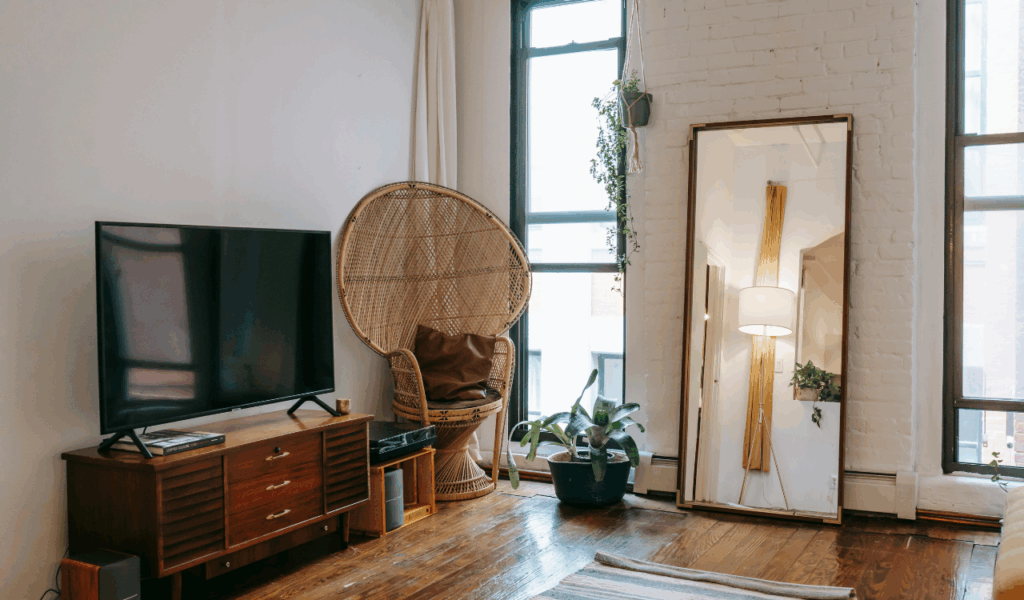
Mirrored walls were once associated with glamour, brightness, and making rooms appear larger. Today, they tend to trigger a strong negative reaction. Buyers often describe them as visually overwhelming or reminiscent of past decades rather than timeless design. Mirrors can feel cold and impersonal when overused, especially in living rooms or bedrooms. They also reflect clutter, which makes spaces feel busier instead of calmer. Removing large mirrors often reveals wall damage that requires repair. Modern buyers prefer intentional mirror placement that enhances light without dominating a room. What once felt bold now feels excessive and difficult to undo.
5. Overly Formal Dining Rooms
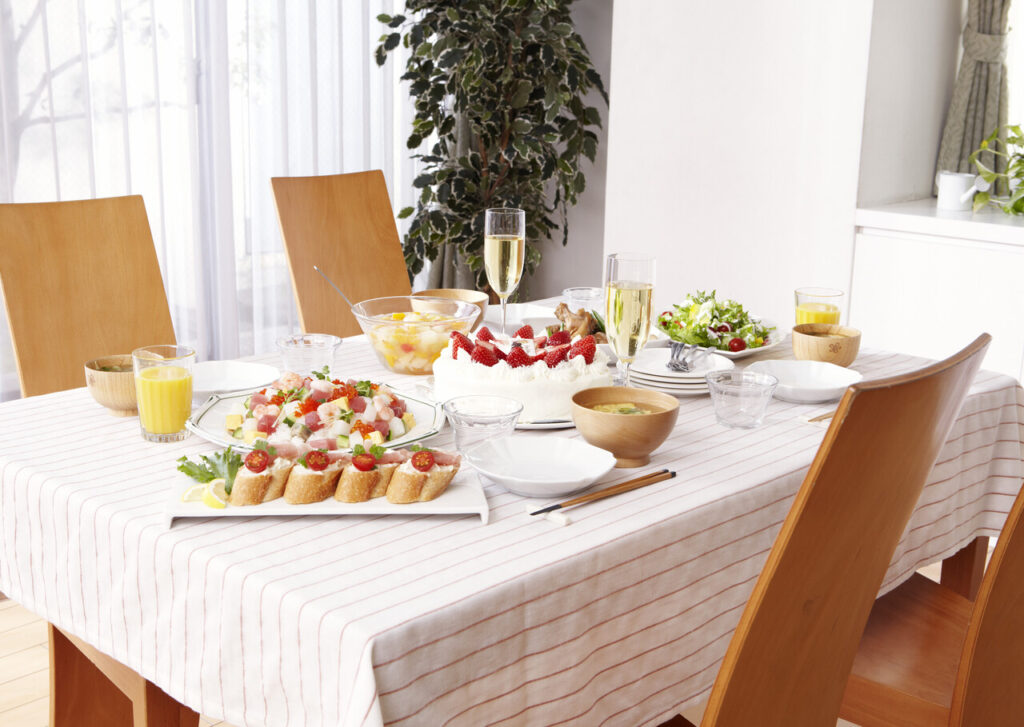
Formal dining rooms were designed for special occasions, but modern lifestyles rarely revolve around them. Buyers today favor spaces that serve multiple purposes, especially as homes compete with smaller footprints and open layouts. A room used only a few times a year feels like wasted square footage. Many buyers walk into formal dining rooms and immediately think about converting them into offices, playrooms, or expanded kitchens. Open-concept dining areas connected to kitchens feel more social and functional. The formality that once symbolized elegance now reads as impractical for everyday living.
6. Jetted Whirlpool Tubs
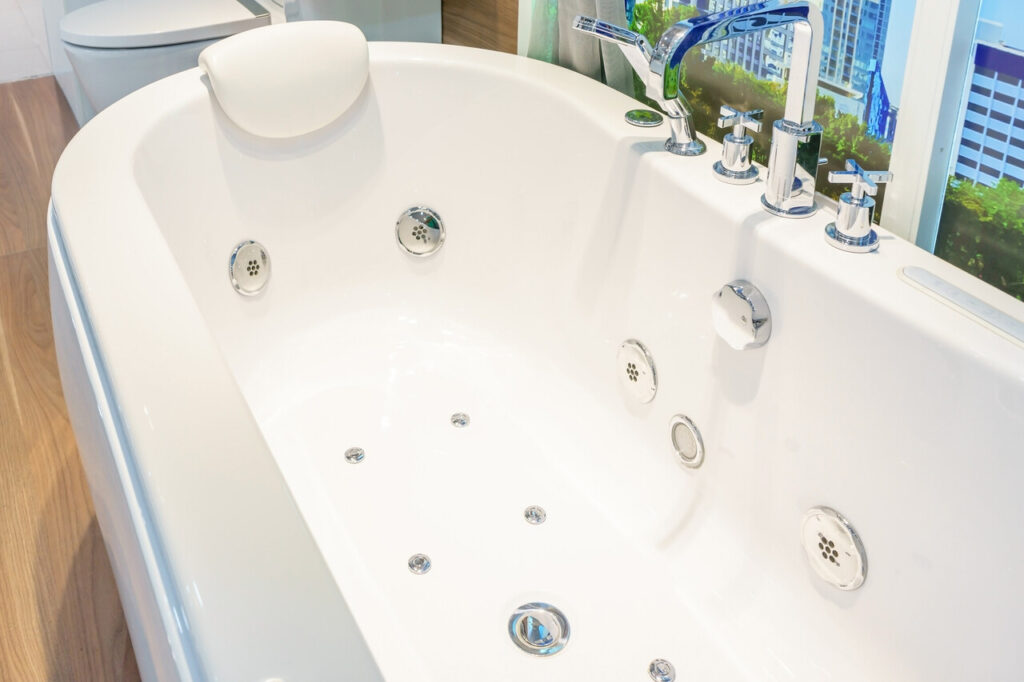
Jetted tubs were marketed as luxury features, but buyers have grown wary of them. Maintenance is a major concern. Jets can harbor bacteria and mold if not cleaned thoroughly, which many homeowners simply do not do. Repairs are costly, and the tubs take up valuable bathroom space that could be used for larger showers or double vanities. Modern buyers tend to prioritize walk-in showers with quality fixtures over tubs that rarely get used. What once promised relaxation now suggests hassle, upkeep, and wasted space.
7. Tiny, Closed-Off Kitchens
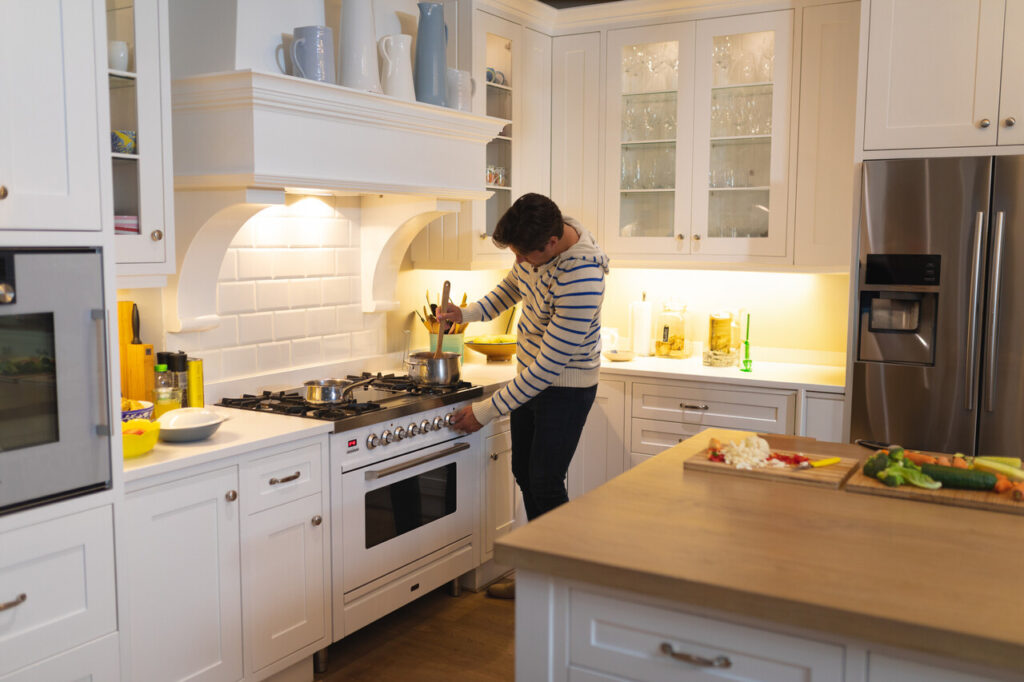
Closed kitchens once kept cooking messes out of sight, but today they feel isolating. Buyers expect kitchens to serve as gathering spaces where cooking, dining, and socializing overlap. Small, closed kitchens limit natural light, reduce sightlines, and make entertaining harder. Renovating these kitchens often requires knocking down walls, relocating plumbing, and upgrading electrical systems, which adds expense. Open or semi-open kitchens with functional layouts are now the standard. A closed-off kitchen signals a home that hasn’t kept up with how people actually live.
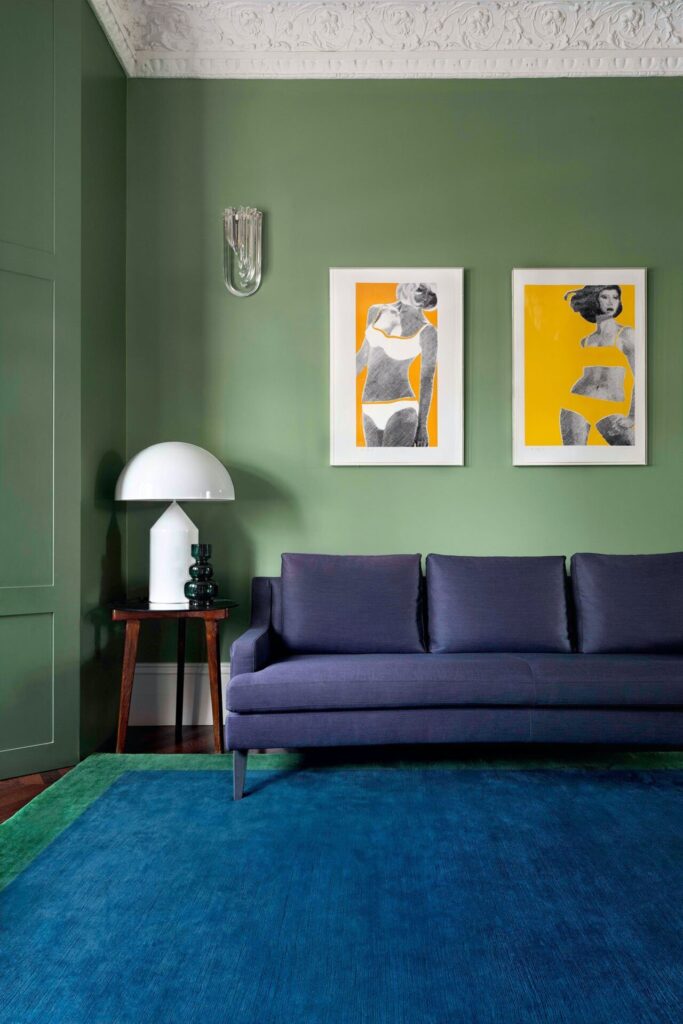
8. Bold, Dated Color Schemes
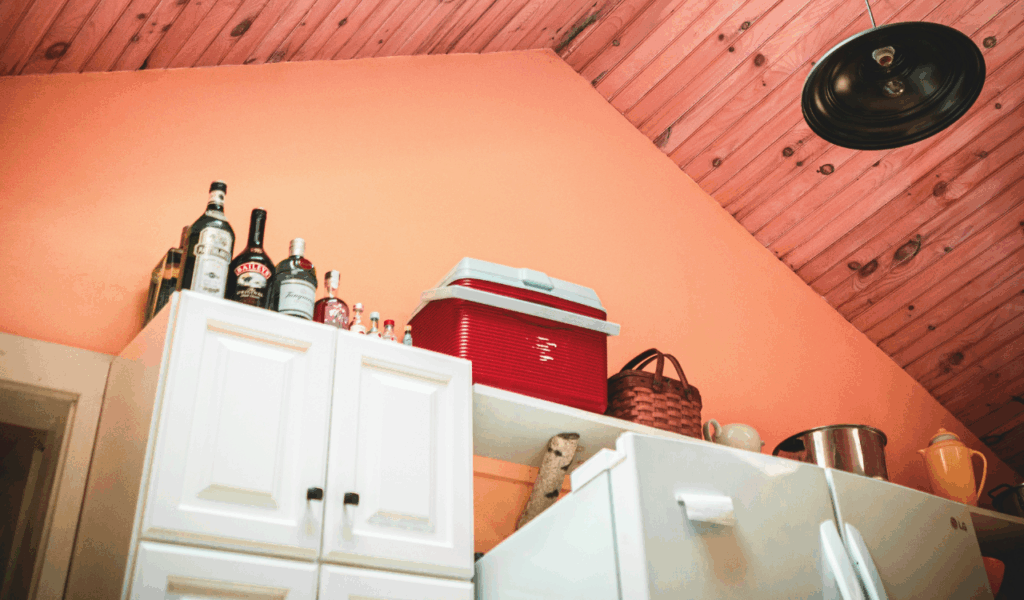
Bold color choices were once seen as personality-driven design statements. Today’s buyers often see them as obstacles. Bright reds, heavy golds, deep purples, or themed rooms make it harder for buyers to envision themselves in the space. Neutral palettes photograph better, feel calmer, and require less immediate work. Repainting an entire home can be costly and time-consuming, which buyers factor into offers. While accent colors still have a place, overwhelming schemes tied to a specific era tend to date a home instantly. What once felt expressive now feels limiting to resale appeal.