8 Fast-Food “Fresh” Burgers That Aren’t as Fresh as Claimed.
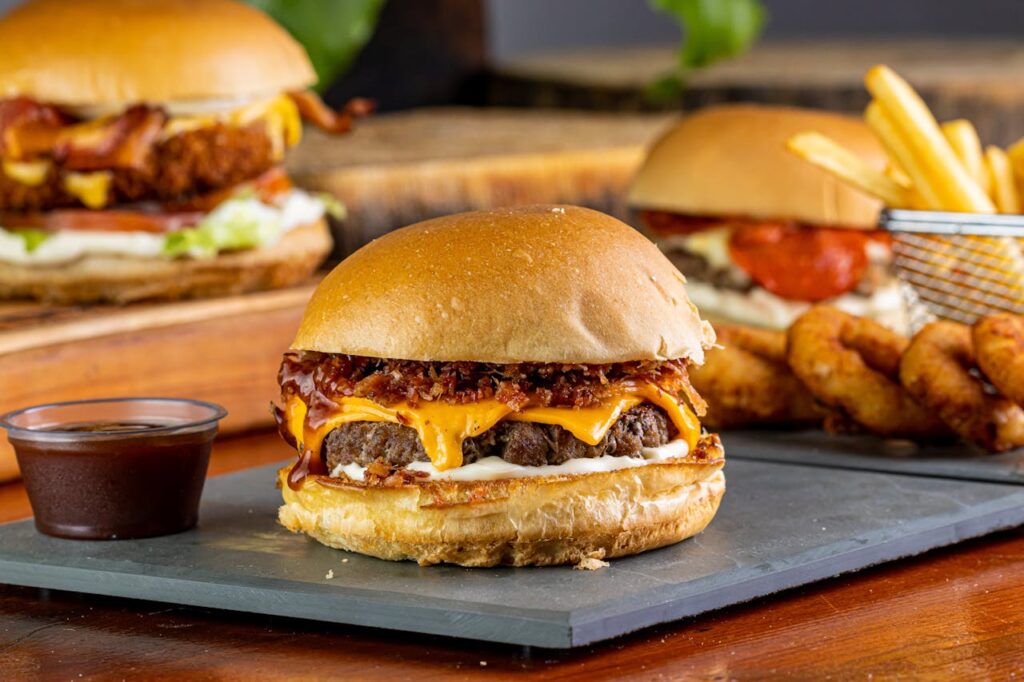
You see the phrase “fresh never frozen” everywhere in fast food, especially with burgers. The message feels reassuring. You picture beef going straight from the grill to your bun, skipping industrial freezers. But food supply experts say the reality is more complex.
Large chains operate at a scale where consistency, safety, and logistics matter as much as marketing. That often means freezing happens somewhere in the process, even if patties arrive thawed. Brands may rely on technical definitions or flash-freezing to support “fresh” claims. Understanding this helps you make more informed choices when you order.
1. Fast-Food Burgers That Are Marketed as Fresh but Often Arrive Frozen
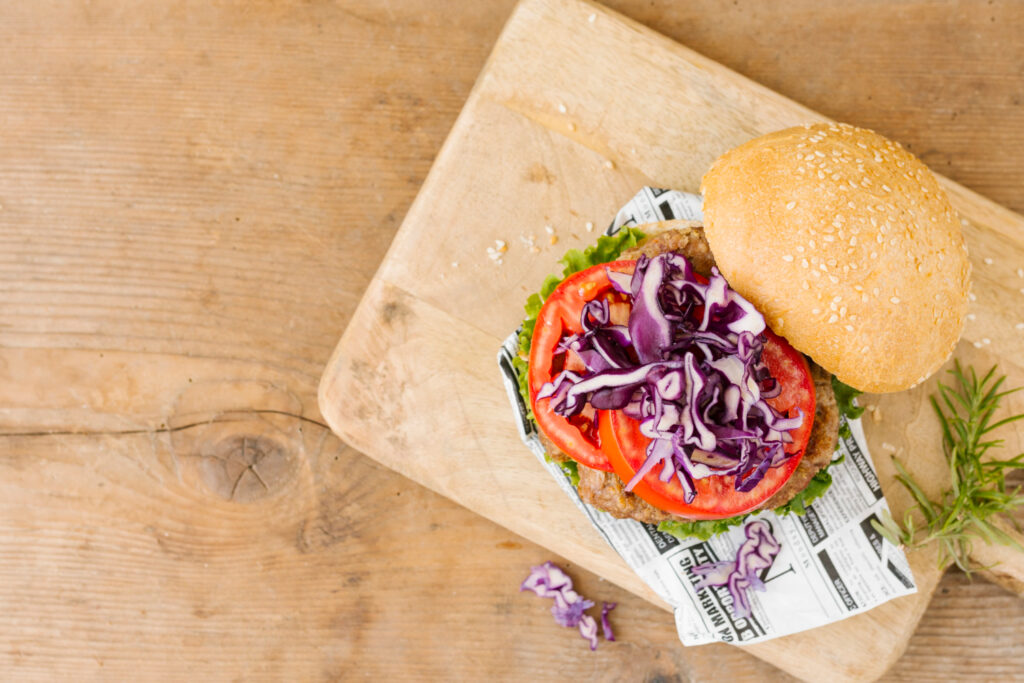
You often hear that certain fast-food burgers are made fresh daily, but food distribution experts say many patties arrive frozen or partially frozen. Large chains rely on centralized suppliers that ship beef long distances. Freezing helps prevent spoilage and maintain consistent portion sizes.
While the beef may be thawed before cooking, that does not always match what you picture when you hear fresh. Industry consultants say restaurants focus on how burgers are cooked or assembled rather than how the meat was stored, allowing brands to emphasize freshness at preparation while relying on frozen logistics behind the scenes.
2. “Never Frozen” Burger Patties That Are Frozen During Distribution, Experts Say
When you see “never frozen” on a menu, you likely assume the beef has never touched a freezer. Supply chain experts say that is not always accurate. Some brands define “never frozen” as not frozen at the restaurant, even if patties were frozen earlier during processing or shipping.
Flash-freezing is often used to lock in freshness, then patties are thawed before delivery. From a technical view, companies may still consider the beef fresh once it reaches the kitchen. Labeling specialists say this wording stays legal but can confuse customers, since the meaning depends on how freezing is defined.
3. Restaurant Burgers Labeled Fresh That Rely on Flash-Freezing for Storage
Flash-freezing allows beef to be frozen rapidly at very low temperatures, helping preserve texture and flavor. Many fast-food chains rely on this method to manage large inventories without losing consistency.
Experts say flash-freezing does not necessarily harm quality, but it challenges the everyday meaning of fresh. If you imagine beef that has never been frozen, these burgers do not meet that expectation. Restaurants highlight benefits like food safety and reduced waste while downplaying the freezing itself. The burger may taste fresh off the grill, but its journey likely included time in a deep freeze before reaching your tray.
4. Fast-Food Chains That Thaw Patties Daily Despite Fresh Claims
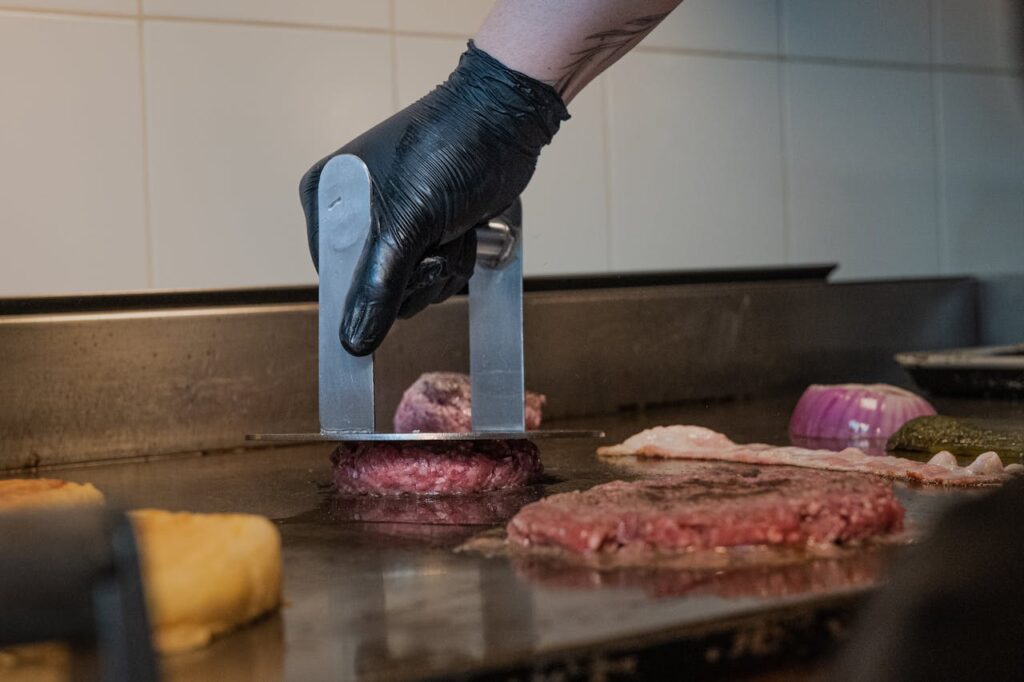
Some fast-food restaurants thaw burger patties each morning as part of prep. Operationally, this allows kitchens to cook beef evenly and quickly during busy hours. Food service trainers say daily thawing is standard, especially for high-volume chains. While patties may feel fresh by lunchtime, they started the day frozen.
Marketing often highlights daily preparation, which sounds reassuring but does not tell the full story. You hear fresh and think never frozen, but in practice, fresh often means recently thawed and cooked to order. That difference matters if you care how your food is handled before it reaches the grill.
5. Burgers Made With Previously Frozen Beef Despite “Fresh” Branding
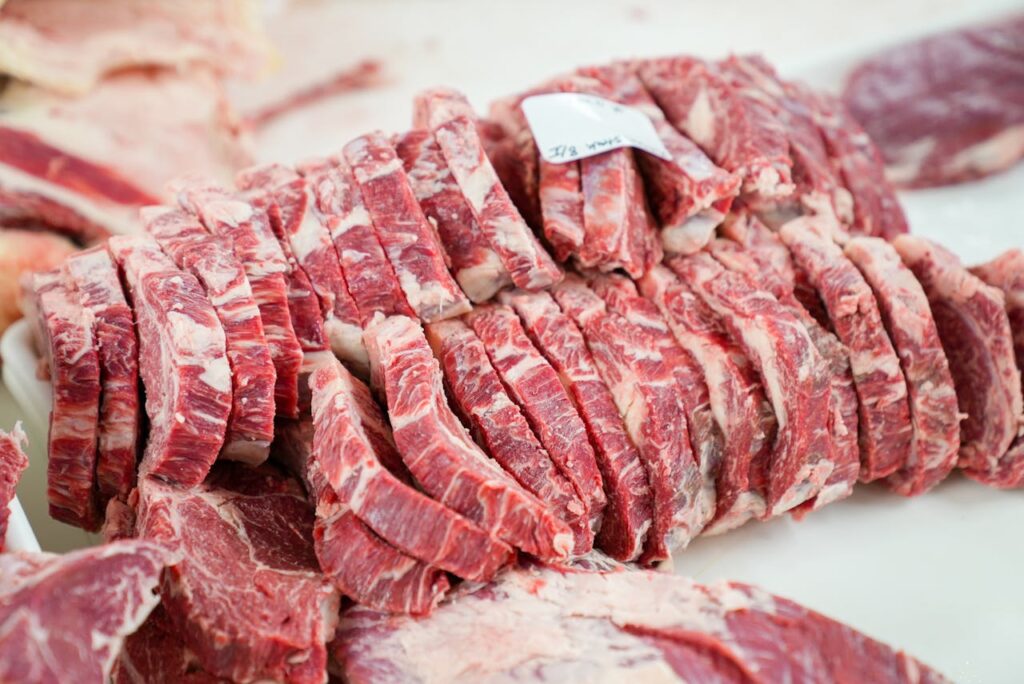
Branding strongly shapes how you perceive fast-food burgers. Words like fresh, premium, or handcrafted suggest minimal processing. Analysts say many burgers promoted this way still rely on previously frozen beef to keep costs manageable and supply stable. Restaurants may focus on toppings, cooking methods, or assembly to reinforce the fresh image.
the beef follows a frozen supply chain like other fast-food patties. This approach lets chains maintain a consistent product nationwide while using language that appeals to customers seeking quality. You get a burger that feels familiar, even if the branding oversells how fresh the beef really is.
6. Quick-Service Burgers That Use Frozen Beef to Maintain Consistency
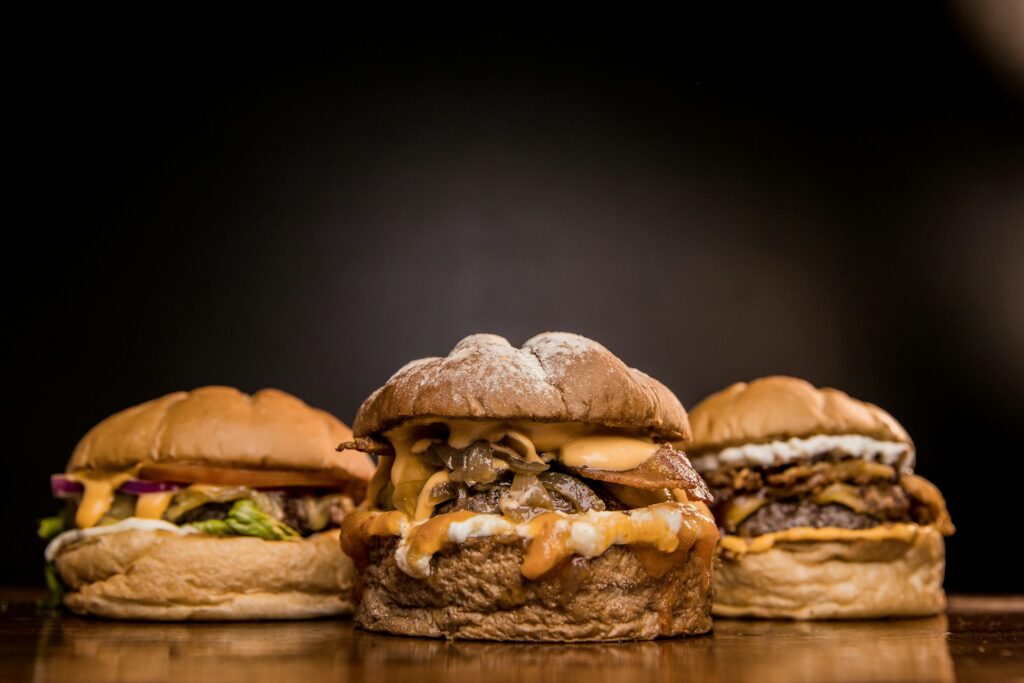
Consistency is one of the biggest challenges in fast food. Experts say freezing beef helps ensure a burger in California tastes the same as one in Ohio. Frozen patties allow chains to control fat content, size, and cooking time with precision.
While this system benefits speed and reliability, it clashes with the idea of fresh beef handled locally. Restaurants may still prepare burgers to order, giving you a hot, juicy result. Behind the scenes, frozen beef plays a key role in making that experience predictable. If you value consistency over transparency, this system works well. If you expect truly never frozen beef, it may disappoint.
7. “Fresh Never Frozen” Burgers That Are Frozen Before Reaching Stores
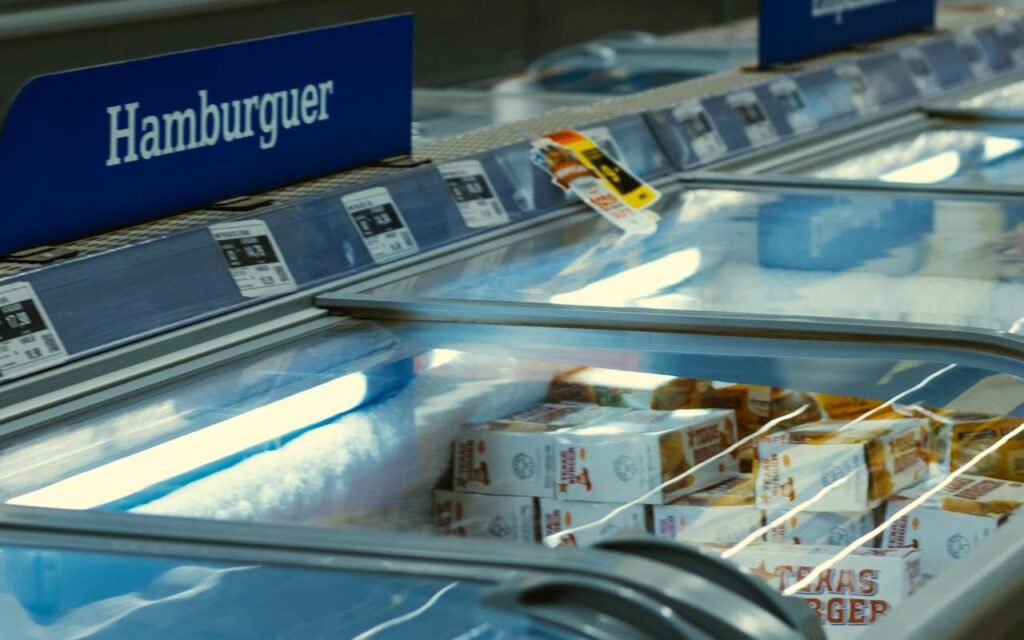
Food labeling experts say some “fresh never frozen” claims hinge on timing. Patties may be frozen at the processing plant, then thawed before shipment to restaurants. By the time the beef arrives, it technically is not frozen, allowing brands to support their wording. This practice stays within regulatory guidelines but stretches consumer expectations.
You see the phrase and imagine a completely unfrozen journey, even though freezing happened earlier. The burger you eat may still be safe and flavorful, but the label tells only part of the story. Understanding this nuance helps you interpret fast-food marketing more critically.
8. Fast-Food Burger Patties That Experts Say Are Not Truly Fresh
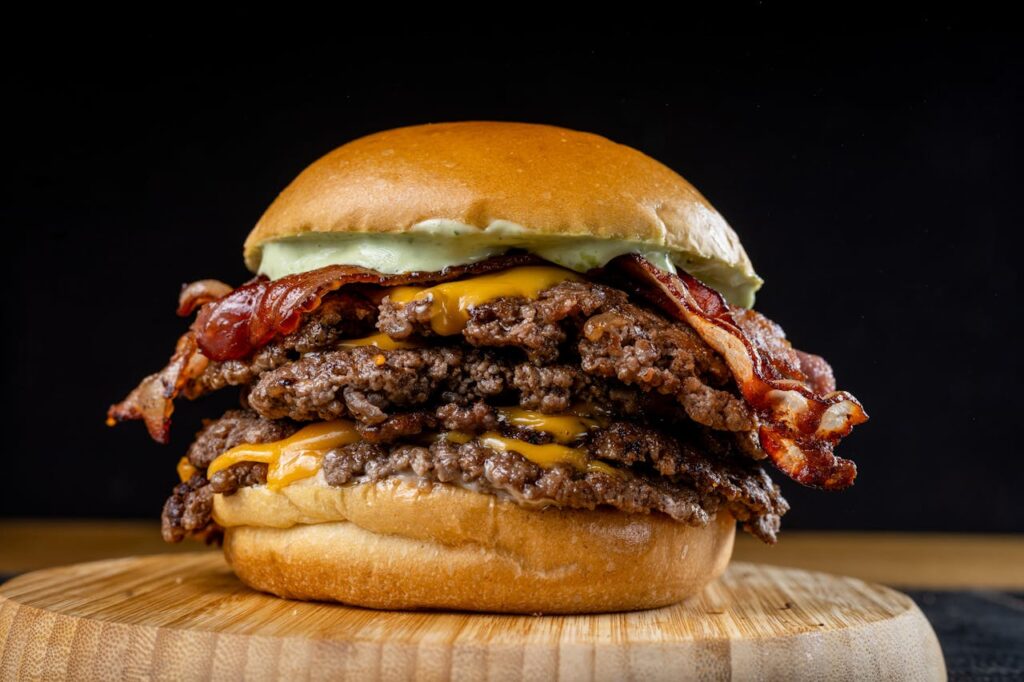
Food scientists and restaurant consultants agree that fresh is one of the most flexible words in fast-food marketing. It rarely means the same thing to customers as it does to corporations. Many burgers promoted as fresh rely on freezing, long-distance shipping, and centralized processing.
That does not automatically make them bad, but it does make the claim misleading. When you order a burger, you are often paying for speed, consistency, and familiarity rather than farm-to-grill freshness. Knowing how these systems work lets you decide what matters most, whether convenience, transparency, or the idea of fresh beef done your way.