9 Home Décor Influencer Trends That Don’t Work in Normal Houses
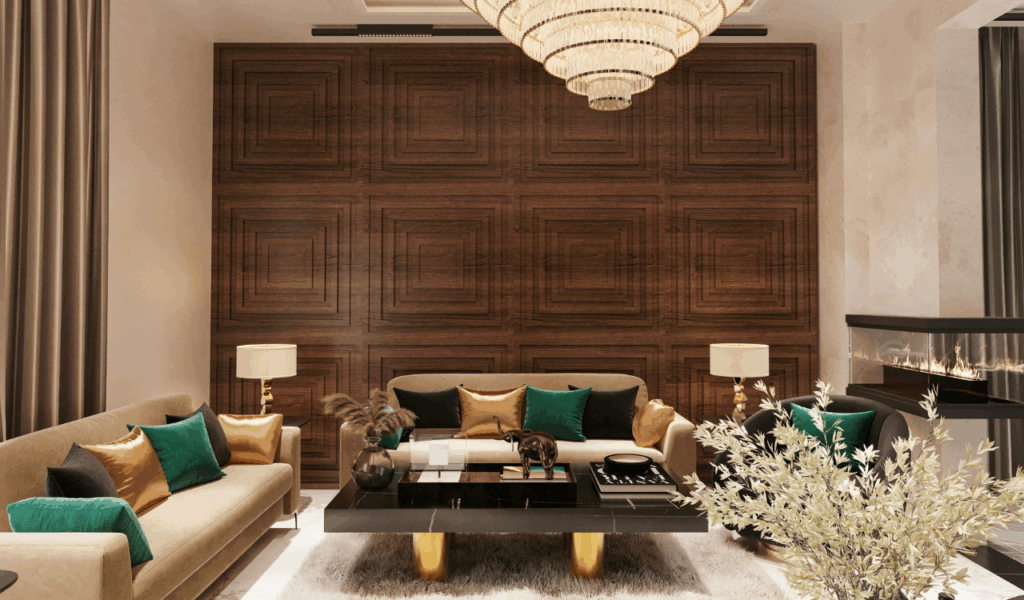
Home decor influencers often make rooms that look good in images but not in real life. When real people live there, what seems great on a screen can be impractical, uncomfortable, or hard to keep clean. Normal homes have kids, pets, things to store, and not much time to clean. Trends also don’t take into account variances in climate, lighting, and layout. This article talks about trendy decorating ideas that don’t work in real homes and discusses why they get annoying over time. The purpose is not to make fun of people’s style choices, but to help them avoid making expensive mistakes and make their homes appear nice while still being comfortable and livable for a long time.
1. All White Everything Interiors
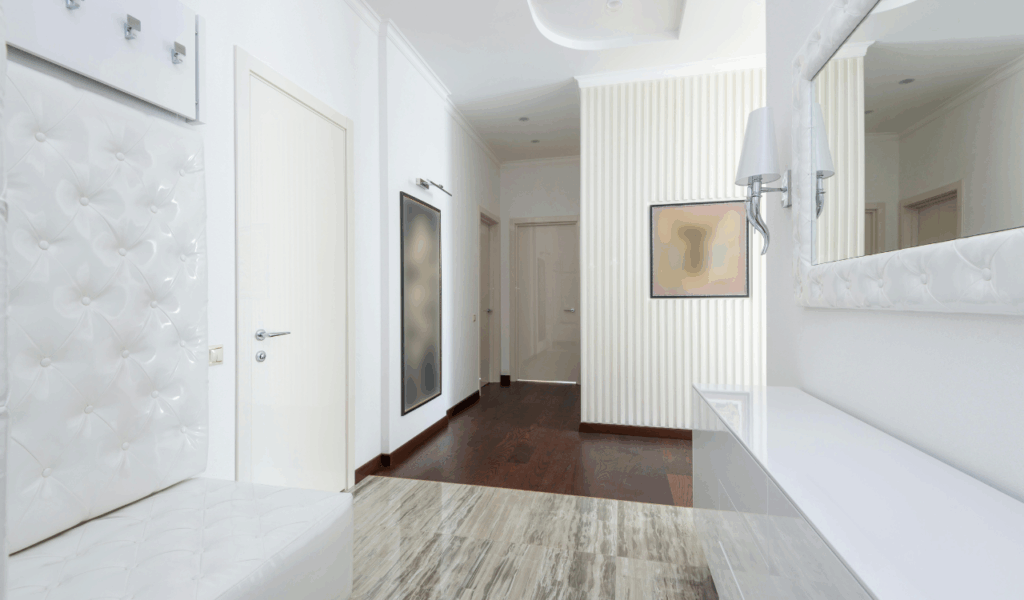
It’s easy to take pictures of all-white rooms, but they are really hard to keep clean in real life. In homes with kids or dogs, white sofas, rugs, and walls show every spill, scuff, and fingerprint. Cleaning all the time is a lot of labor, and strong chemicals can harm finishes over time. In limited natural light, white spaces can sometimes feel chilly or sterile, which makes rooms look flat instead of welcoming. These rooms don’t seem deep or comfortable because they don’t have a lot of different textures and warm colors. A balanced mix of bright and mid tones is much more forgiving and livable in average homes.
2. Open Shelving Everywhere
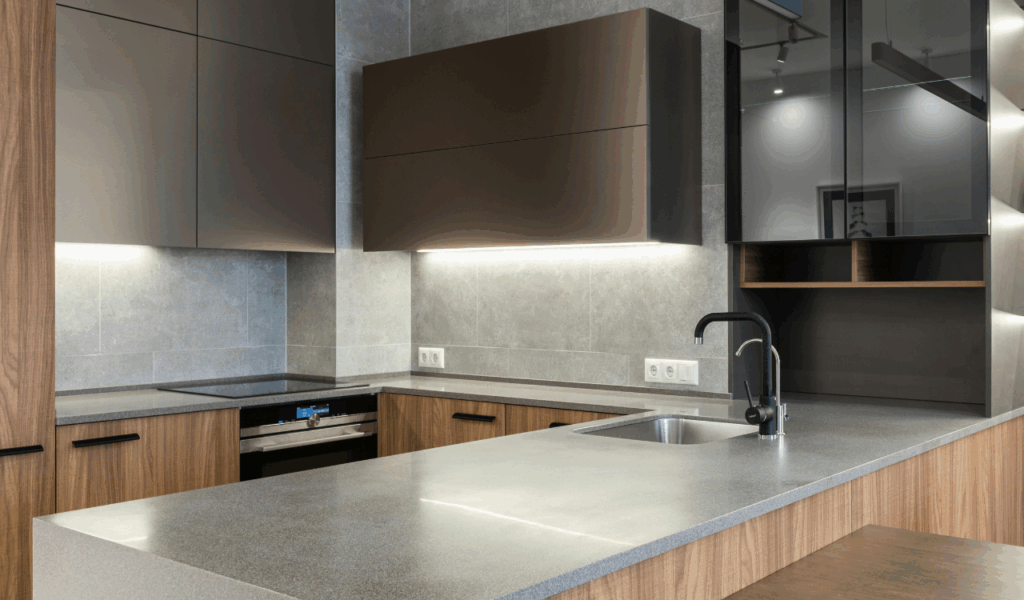
Online, open shelving looks spacious, but in real life, it rapidly gets messy. Kitchens and bathrooms need storage for things that don’t match, backups, and common tools that don’t look good. Dust, grease, and moisture can build up on open shelves, making them harder to clean. Things have to be continuously arranged to keep things from looking dirty, which isn’t possible for most homes. Open shelves can potentially harm stored items in places with high humidity. Closed cabinets hide visual noise and keep things safe, so they are a better choice for busy houses that value function.
3. Ultra Low Furniture
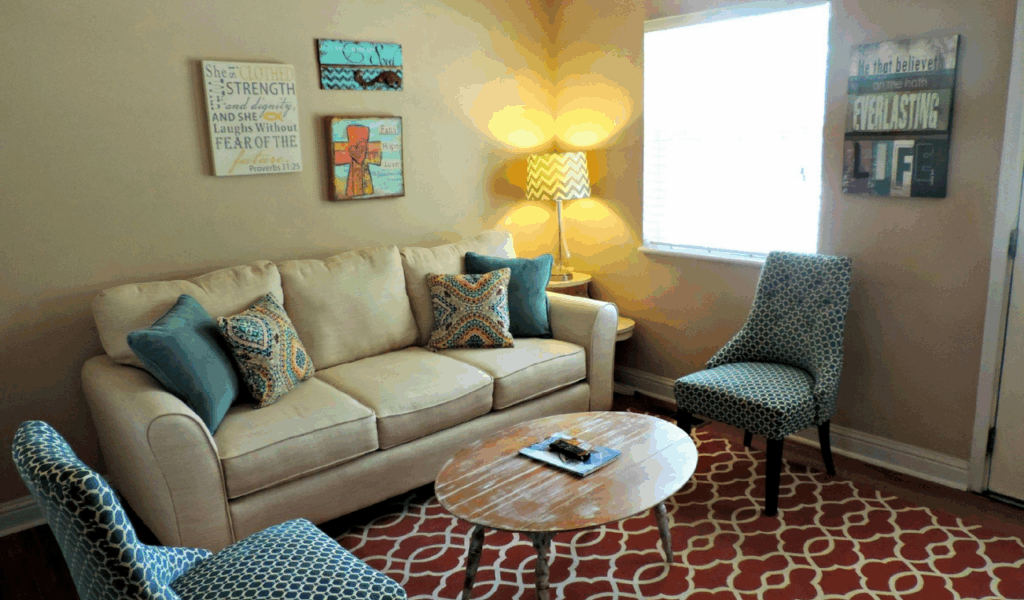
Sofas, beds, and tables that are very low seem sleek and futuristic, but they aren’t really comfortable or easy to get to. Getting up from low seats might hurt your knees and back, especially if you’re elderly or have joint problems. Low beds make it hard to clean under them and take up less storage space. These artifacts also look out of place in smaller areas, making them look awkward instead of attractive. Low furniture works well in simple, organized spaces, but most houses are better off with standard-height pieces that encourage good posture, make it easy to move around, and are comfortable to sit on.
4. Statement Lighting Without Proper Light
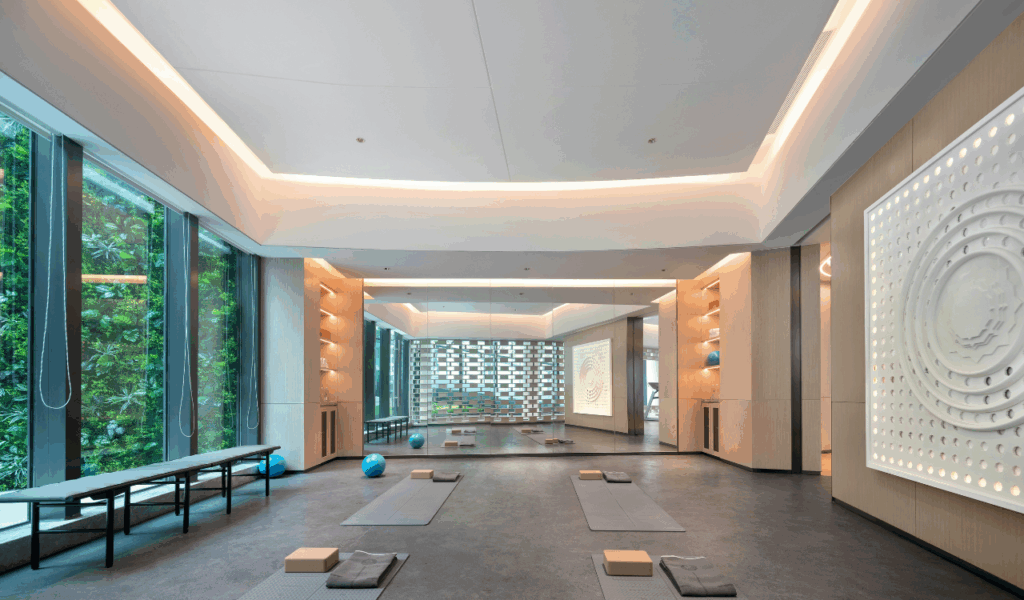
Lights that are too big or shaped like sculptures often draw attention but don’t give off enough light to be useful. Editing or other lighting equipment may be needed in certain rooms, which average residences don’t have. Bad lighting hurts your eyes, makes you feel bad, and makes work tougher. Some light fixtures make the room less useful by casting harsh shadows or uneven light. For good lighting, you need layers of light, such as ambient, task, and accent light. Choosing fixtures based only on how they look makes rooms dark and useless. Lighting in real homes needs to be stylish while also being bright, covering a lot of space, and saving energy.
5. Trendy Color Palettes With No Flexibility
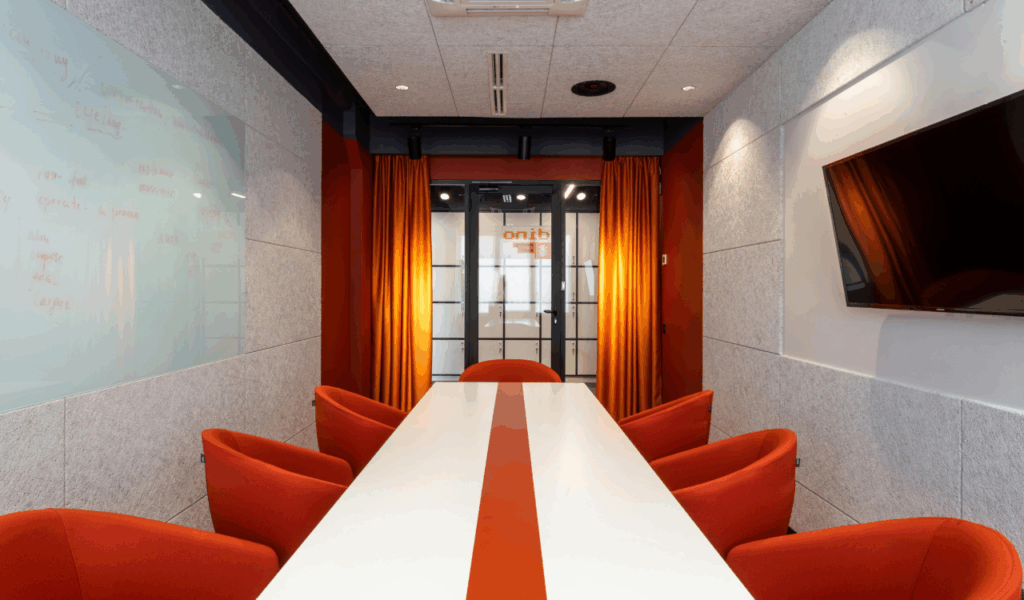
Trends in very precise colors look new for a short period, but they don’t last long. Strong theme palettes make it hard to adjust the decor later and don’t go with the furnishings you already have. When tastes change, it costs a lot to repaint or replace things. Some colors also look different in different kinds of light, and in real life, they can look boring or too bright. Most people want their homes to last, but influencer dwellings change a lot. Rooms can change over time if they have neutral bases and flexible accents. Flexible color choices save money, cut down on waste, and stop the need to constantly remodel.
6. Minimalist Rooms With No Storage
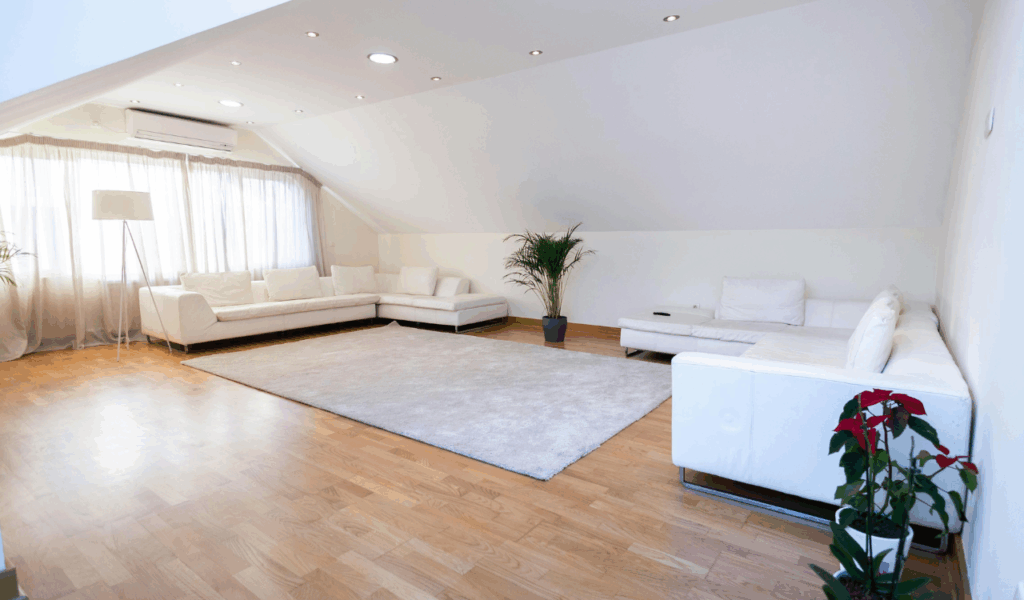
Minimalist interiors sometimes hide storage from view, which might lead to unreasonable expectations. Normal homes need areas to keep everyday things like papers, devices, and personal objects. Without enough storage, things can rapidly get out of hand and make you feel stressed. Furniture that doesn’t have drawers or cabinets gives up function for looks. To stay tranquil and useful, real homes need to be organized. To keep things tidy, there are built-in storage spaces, furniture that can be used for more than one thing, and hidden compartments. Instead of imitating empty, staged spaces you see online, a practical approach combines minimalism with smart storage options.
7. Decorative Items That Are Not Durable
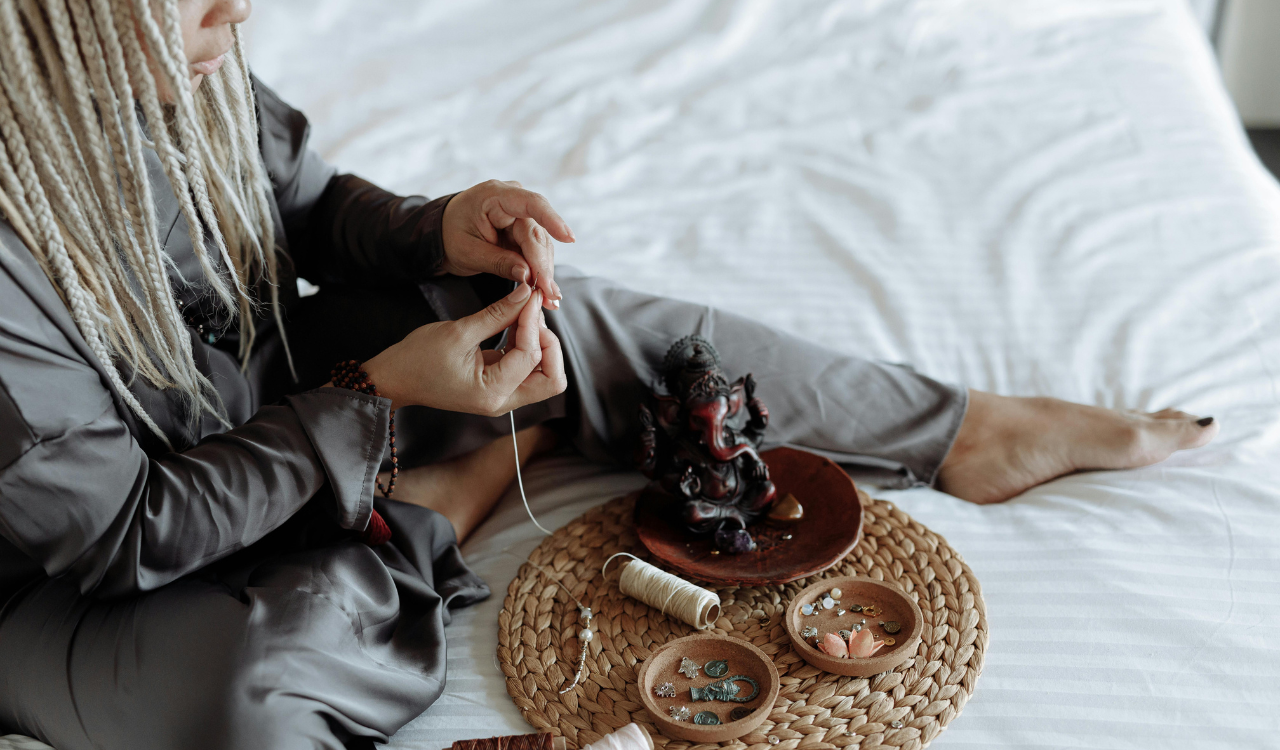
Influencer decor frequently has fragile things like thin glass, unpolished wood, or delicate fabrics in it. In busy homes, these things get chipped, stained, or broken easily. In small spaces, decorative trays, vases, and furniture edges might be dangerous. Constantly replacing things costs money and makes waste. Durable coatings that can tolerate wear, dampness, and temperature changes are good for real homes. Materials that last longer are sealed wood, strong ceramics, and textiles that can be washed. Choosing durability doesn’t mean giving up style; it means picking designs that will look good even after years of use.
8. Furniture Pushed Away From Walls
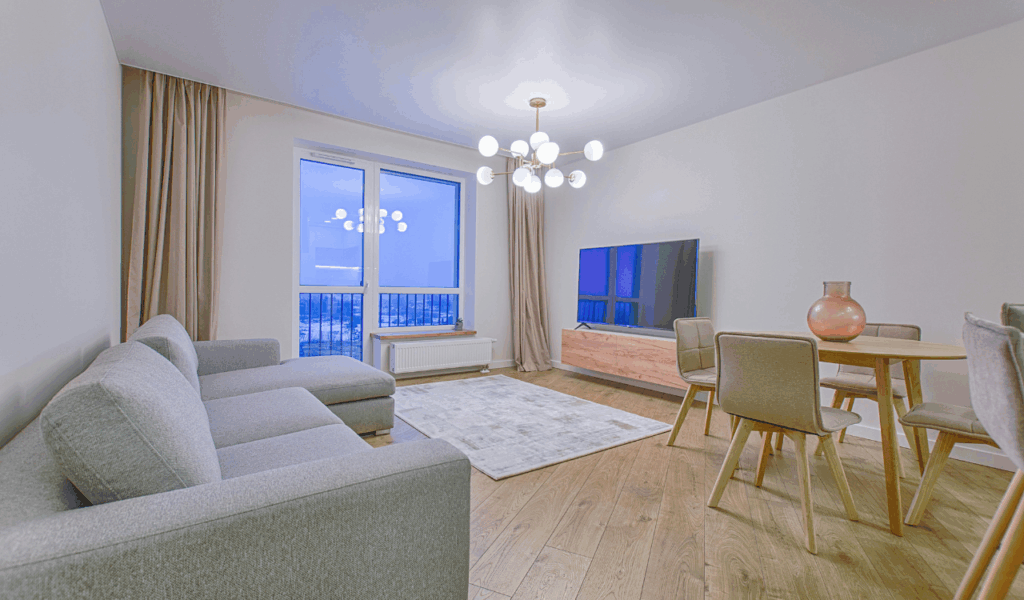
Floating furniture arrangements appear nice, but they only work well in big areas. In homes that are medium size, moving furniture away from walls wastes space and makes it harder for people to go about. The rooms may feel small instead of open, and the paths may be hard to walk on. Influencer layouts typically don’t take into account things like outlets, door swings, and space to walk. Most conventional residences are better off when the furniture is arranged in a way that makes it easy to move around and do everyday things. Instead of duplicating staged arrangements for big areas, well-planned layouts put comfort, flow, and proportion first.
9. Décor Chosen Only for Photos
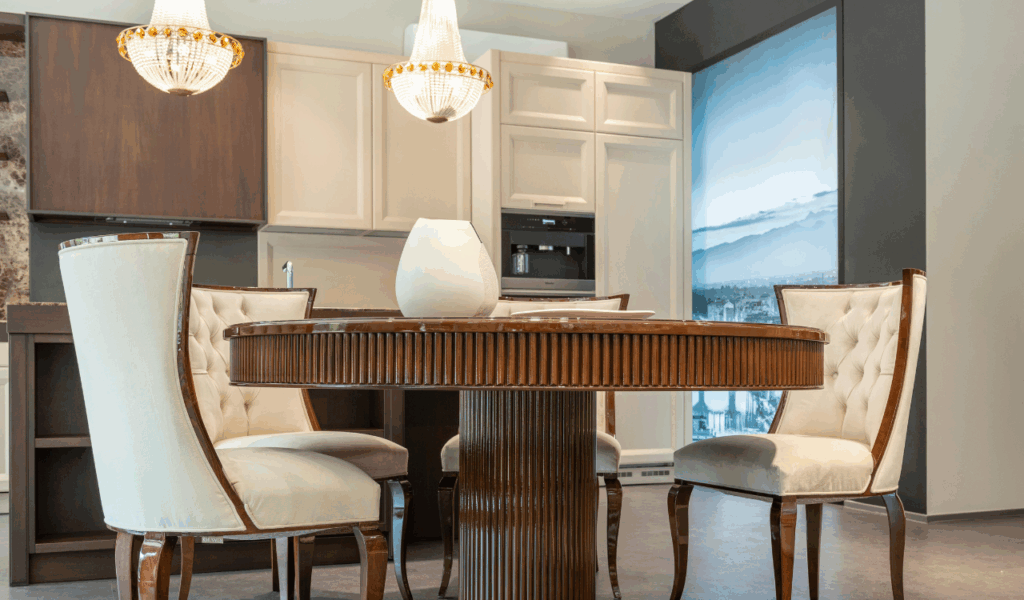
Some fads in home decor are only for looks and don’t add any value. Things may look dramatic, but they could not be comfortable, useful, or long-lasting. When the cameras are gone, homes that are made for photography can feel impersonal or hard to get to. Real places should allow you to relax, work, and connect with others. When people care more about how things look than how they feel, their daily lives suffer. Homes that stay enjoyable long after fads fade from social media are made up of things that feel good to use, not merely look beautiful.