Realtors Say Buyers Are Now Rejecting These 8 Once-Popular Home Features
The homebuyer mindset has shifted dramatically over the past few years. Features that once represented luxury or timeless appeal are now increasingly raising concerns among prospective buyers. According to top realtors monitoring multiple markets, what may have once seemed like an attractive upgrade can now become a stumbling block in negotiations or a reason for offers to stall. Buyers today prioritize functionality, flexibility, energy efficiency, and move-in readiness over stylistic or visually striking elements that deliver little everyday value.
These shifts reflect broader lifestyle changes, evolving household needs, and practical considerations. Hybrid work arrangements, aging-in-place planning, and tighter budgets have reshaped what buyers consider essential. Open, adaptable floor plans that accommodate home offices, play areas, or hobby spaces are increasingly preferred over traditional single-use rooms. Similarly, low-maintenance landscapes and interiors that require minimal preparation often sell faster and attract more competitive offers. Below, realtors outline eight home features that are falling out of favor and explain why they are losing their appeal in today’s market.
1. Mirrored Walls
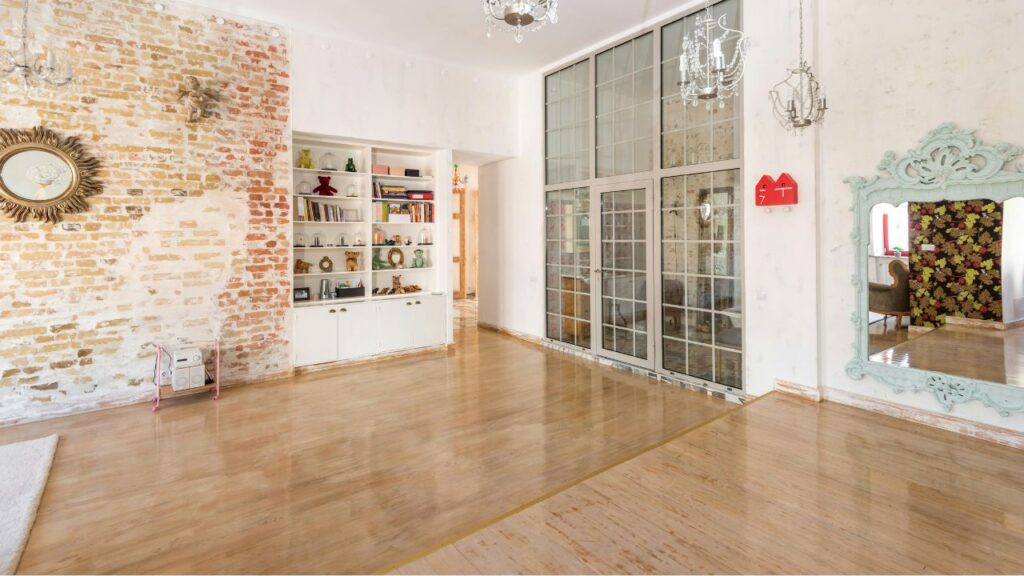
Mirrored walls were once used as a clever design technique to make rooms appear larger and brighter. However, in today’s market, floor-to-ceiling mirrors often date a home and can signal a past-decade renovation that feels out of touch with modern design trends. Realtors report that many buyers immediately question the practicality and condition of these installations, wondering what cosmetic or structural damage may exist behind the reflective surfaces, such as uneven drywall or older framing. This uncertainty can affect negotiations and perceived home value.
Beyond structural concerns, buyers seeking move-in-ready homes see mirrored walls as extra work. Cleaning, maintaining streak-free surfaces, and eventual removal are perceived as hassles that reduce the overall appeal of the space. Realtors increasingly advise sellers to replace mirrors with neutral, painted walls or contemporary finishes. Doing so allows potential buyers to imagine their own décor and furnishings, ultimately creating a cleaner, more flexible, and marketable room.
2. Wallpaper
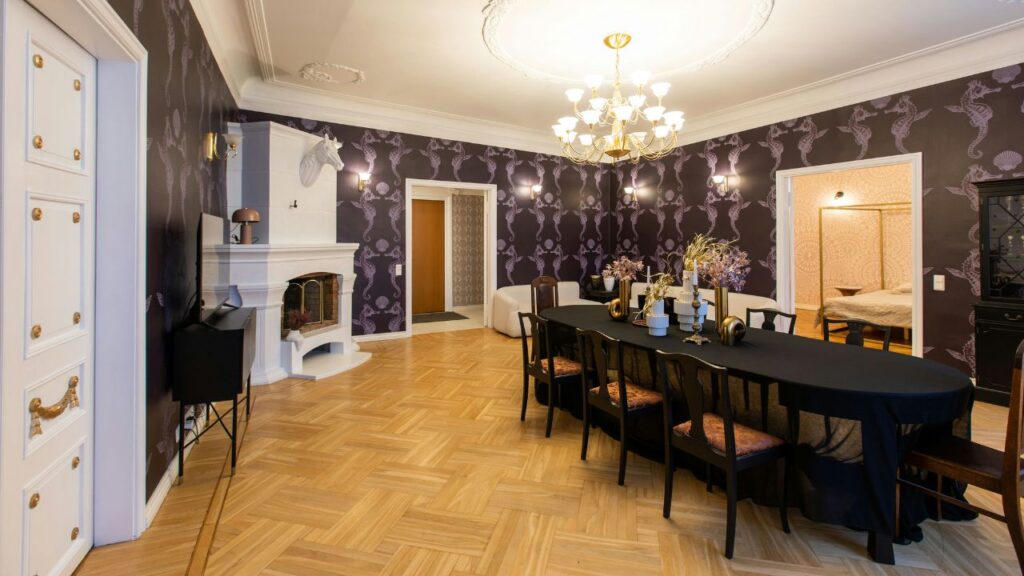
Once considered a bold and stylish design choice, wallpaper has become a potential liability in many home sales. Realtors note that permanent wallpaper installations, especially bold or patterned designs, can deter buyers who prefer a blank canvas for personalization. Removal often requires steaming, scraping, and repairing the underlying walls, which can create added expense and discourage buyers from envisioning the space as their own.
Even temporary peel-and-stick options can leave behind residue, discoloration, or uneven textures, adding another layer of concern for buyers. Homes with freshly painted walls in neutral tones are far more appealing, as they reflect light, feel larger, and allow buyers to project their style without distraction. Real estate agents report that properties with no wallpaper or recently updated paint typically spend less time on the market and receive stronger offers, demonstrating that simple wall treatments are now a practical selling advantage.
3. Dark or Heavy Wood Finishes
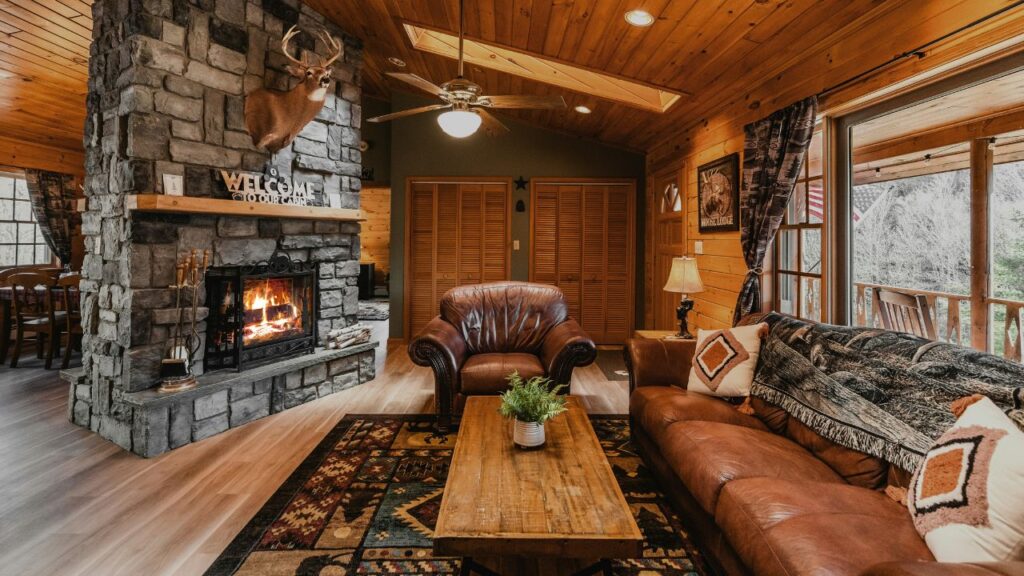
Rich, dark wood cabinetry and flooring were once viewed as symbols of quality, tradition, and elegance in kitchens and living areas. Today, however, many buyers perceive these finishes as heavy and visually constraining, absorbing light and making spaces feel smaller or less inviting. Realtors observing buyer reactions have found that homes with dark wood tones often create a dated atmosphere, particularly in open-plan layouts where brightness and airiness are highly valued.
Light-colored wood, painted cabinets, and neutral surfaces are now preferred because they create a sense of openness and versatility. These finishes complement modern décor trends, reduce the appearance of visual clutter, and make it easier for buyers to imagine how their own furnishings will fit the space. Realtors often recommend refinishing or lightening wood elements to increase appeal, noting that these updates can significantly improve interest in listings and position homes more competitively in today’s market.
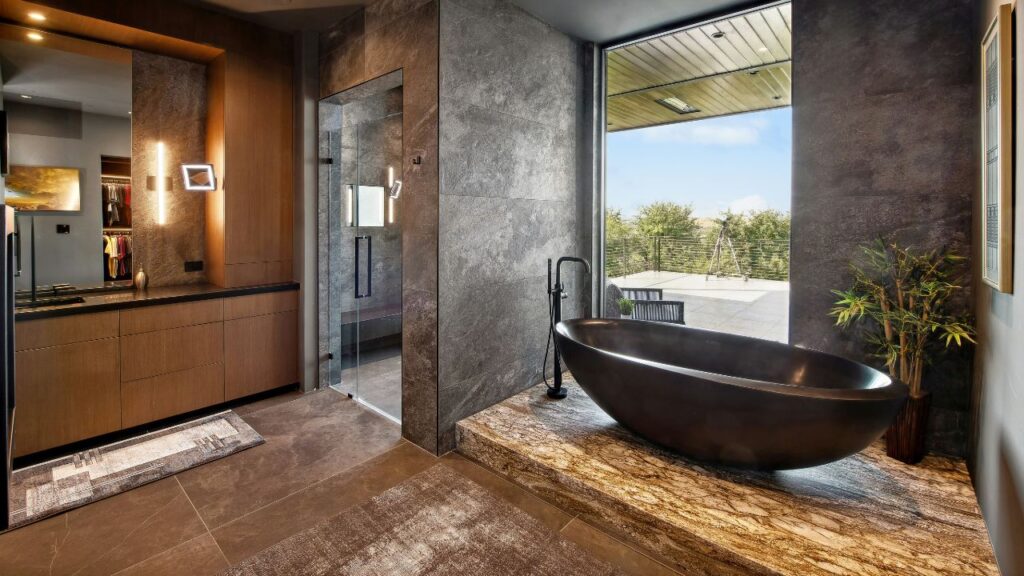
4. Bathtubs in the Master Bathroom
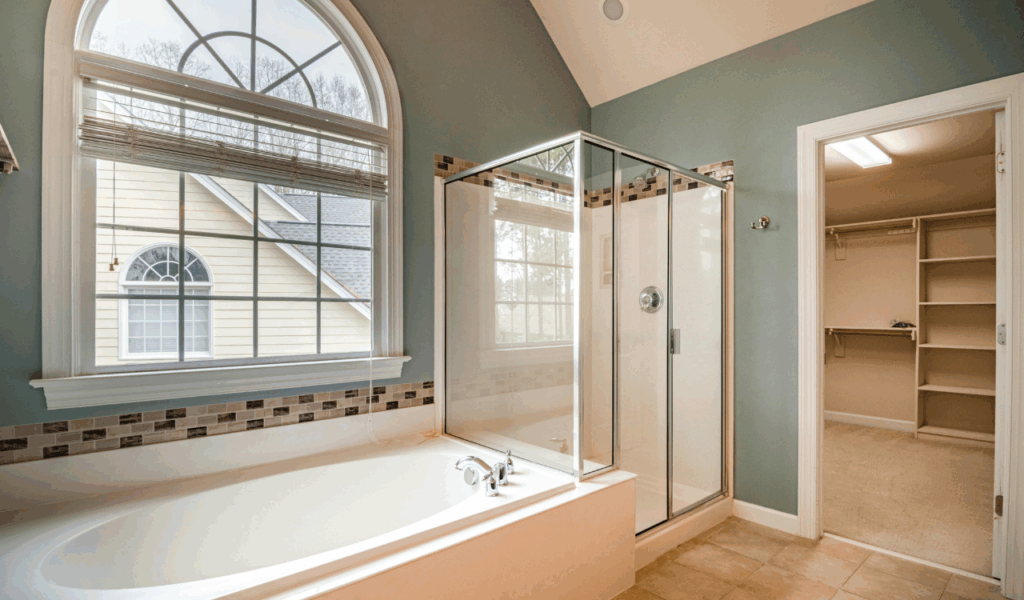
Large garden-style or freestanding tubs were traditionally considered a luxury feature in primary bathrooms. However, many buyers now prioritize functionality, storage, and accessibility over indulgence. Realtors report that oversized tubs can consume valuable floor space, leaving less room for walk-in showers, cabinets, or flexible layouts that better accommodate daily routines.
Walk-in showers are increasingly appealing for their practicality, particularly for families with children or buyers concerned with mobility and ease of use. Remodeling reports indicate that updating a master bathroom with a spacious shower instead of a large tub can deliver a 60–70 percent return on investment, compared with lower returns for tub-focused updates. As a result, agents encourage homeowners to evaluate how bathroom layouts influence both marketability and buyer satisfaction, emphasizing that practical design often outweighs traditional luxury features.
5. Double Ovens
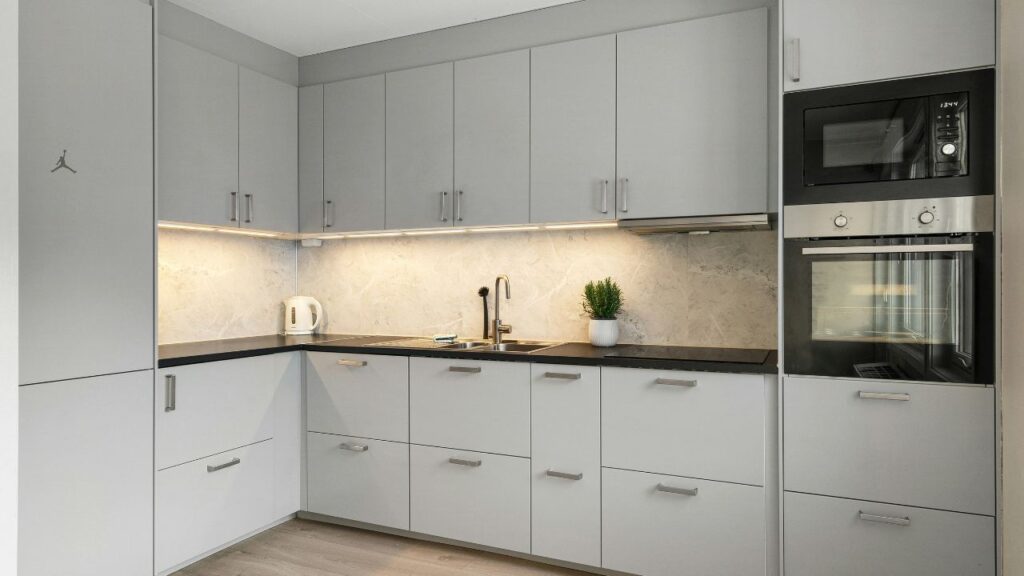
Double ovens were once considered the pinnacle of kitchen functionality, ideal for serious cooks who prepared multiple dishes simultaneously. However, changing culinary habits and lifestyle priorities mean that oversized appliances like these are now less appealing to many buyers. Realtors report that modern homeowners increasingly favor kitchens that offer additional counter space, pantry storage, or more versatile appliances over dedicated, rarely used equipment. Double ovens can also dominate wall space, limiting options for cabinetry or built-in features that provide practical storage and work surfaces.
Countertop air fryers, combination steam ovens, and induction cooktops now provide more flexibility for the average household. These multifunctional appliances satisfy most cooking needs without occupying large, permanent space in the kitchen. Realtors note that kitchens designed for efficiency, ease of use, and adaptability attract more interest than those focused on specialized appliances. The trend highlights how buyers prioritize convenience and practical layout over high-end, single-purpose features, particularly in homes intended for everyday living rather than occasional gourmet cooking.
6. Formal Dining Rooms
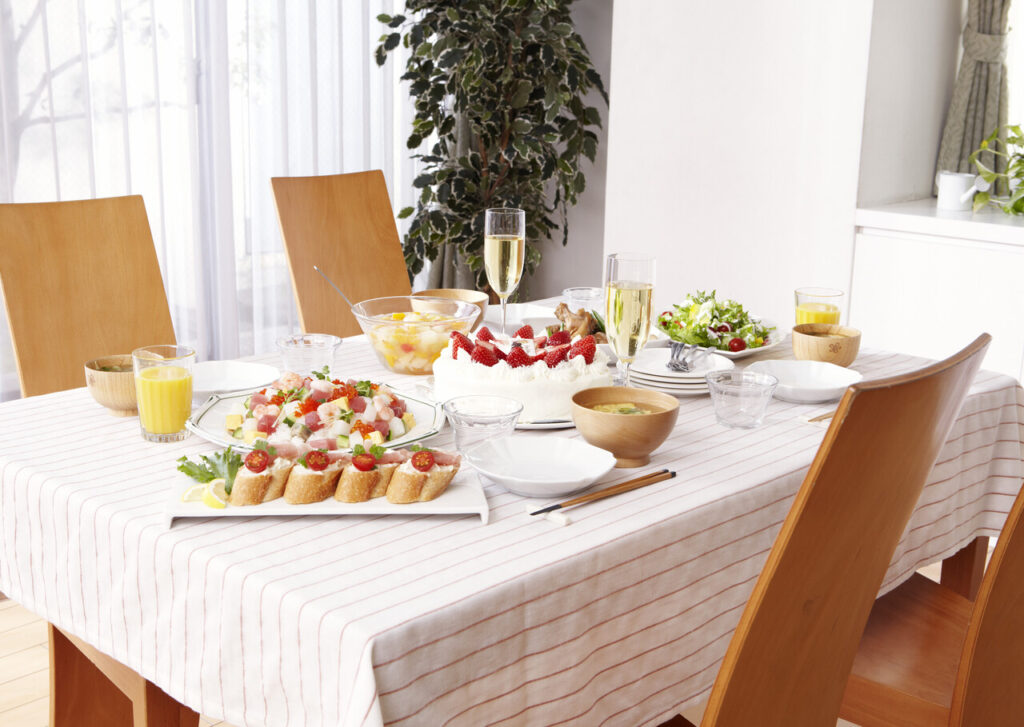
Formal dining rooms were long considered a standard feature in single-family homes, representing status and tradition. Today, however, many buyers see these spaces as underutilized or impractical. The post-pandemic era has emphasized flexible living, with homeowners needing areas that accommodate work, casual dining, and family activities. Realtors report that rigid, single-purpose dining rooms often require staging tricks or redesign suggestions to help buyers imagine alternative uses.
Real estate data shows a declining appeal for traditional dining spaces. Many buyers now favor layouts that integrate eating areas with kitchen islands, breakfast nooks, or open-plan living rooms. Spaces that serve multiple functions are more likely to attract competitive offers and close faster. As a result, formal dining rooms are increasingly viewed as a relic of older home design philosophies, with homeowners encouraged to convert these areas into functional offices, playrooms, or multipurpose gathering spaces that align with modern lifestyle expectations.
7. Granite Countertops
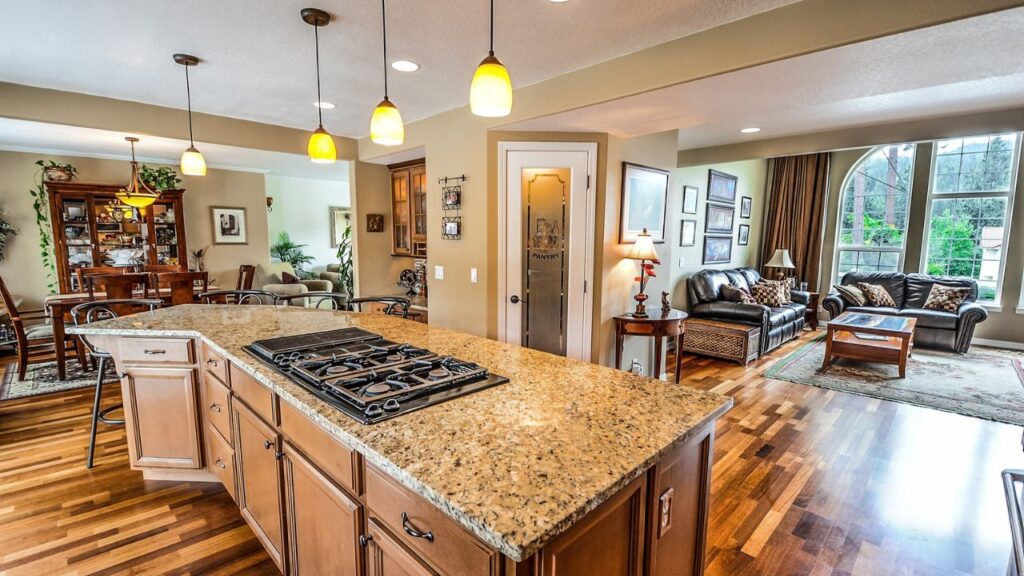
Granite countertops were once the hallmark of high-end kitchens, admired for durability and natural beauty. However, buyer preferences are shifting toward quartz and other engineered stone surfaces that offer greater consistency, ease of maintenance, and long-term performance. Realtors observe that darker or highly patterned granite can make kitchens feel heavy, dated, or visually busy, reducing the perceived modernity of the home.
Quartz countertops require less upkeep, do not need periodic sealing, and provide uniform patterns that complement contemporary décor. Buyers increasingly value surfaces that are move-in-ready and low-maintenance, reflecting broader desires for convenience and practicality. Listings featuring sleek, neutral countertops often appear brighter and more adaptable to personal style choices, driving stronger buyer interest and faster sales. Agents emphasize that updating countertops to these preferred materials can significantly enhance a home’s marketability and appeal to a broader audience.
8. Large, Formal Staircases
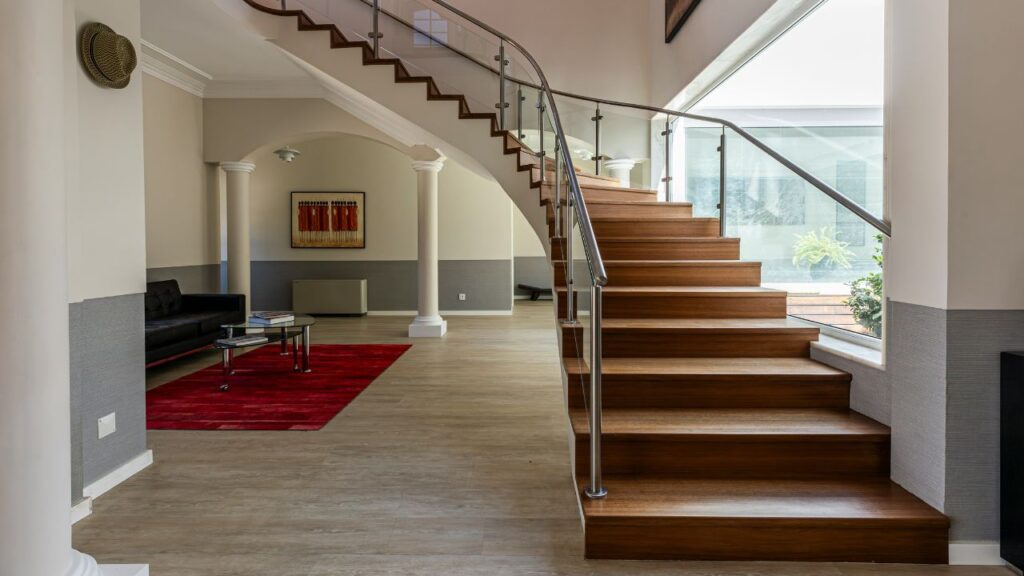
Grand staircases were historically a dramatic centerpiece in entryways, intended to impress guests and convey luxury. Today, many buyers view these large structures as a poor use of square footage that could otherwise support functional living spaces. Realtors report that oversized staircases reduce usable room dimensions, complicate furniture layouts, and can make smaller homes feel less efficient.
Smaller or tucked-away stair designs are increasingly favored because they preserve square footage for living areas, storage, or energy efficiency improvements. Buyers focused on practicality and cost-effective operation see expansive staircases as unnecessary, preferring layouts that maximize comfort and utility. Flexible design, including modest staircases integrated into open plans, aligns with contemporary preferences for multi-purpose spaces, demonstrating that architectural grandeur may be less valuable than everyday functionality in today’s real estate market.