11 Seasonal Decorations That Didn’t Work in Small Homes

Seasonal decorating is meant to bring joy, warmth, and a sense of occasion, but small homes don’t offer much margin for error. What looks charming in a magazine spread or a spacious suburban house can quickly become overwhelming when square footage is limited. Narrow hallways, compact living rooms, and multi-use spaces amplify every design choice, especially during the holidays. Decorations that are oversized, bulky, or visually busy tend to disrupt flow, reduce usable space, and create stress instead of comfort. In smaller homes, décor has to work harder. It needs to coexist with daily routines, storage limits, and real movement patterns. These seasonal decorations sounded festive in theory but, in practice, made small spaces feel cramped, cluttered, and harder to live in during an already busy time of year.
1. Oversized Holiday Wreaths
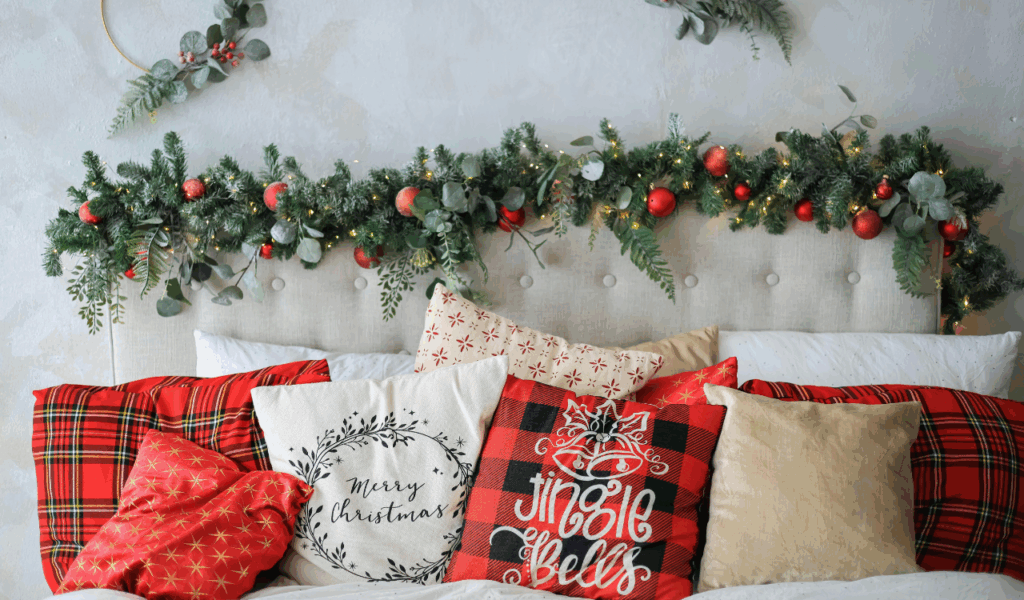
Oversized wreaths are designed to make a statement, but in small homes they often do the opposite of what’s intended. When a wreath is wider than the door or wall space supporting it, it visually shrinks the entire entryway. Doors may not open fully, light switches get blocked, and narrow hallways feel tighter the moment décor goes up. Large wreaths also sit closer to eye level in compact spaces, which can feel intrusive rather than festive. Instead of acting as a welcoming accent, they dominate the field of view and compete with everyday function. In small homes, décor works best when it enhances flow, not when it becomes an obstacle you have to maneuver around multiple times a day.
2. Large Inflatable Yard Figures
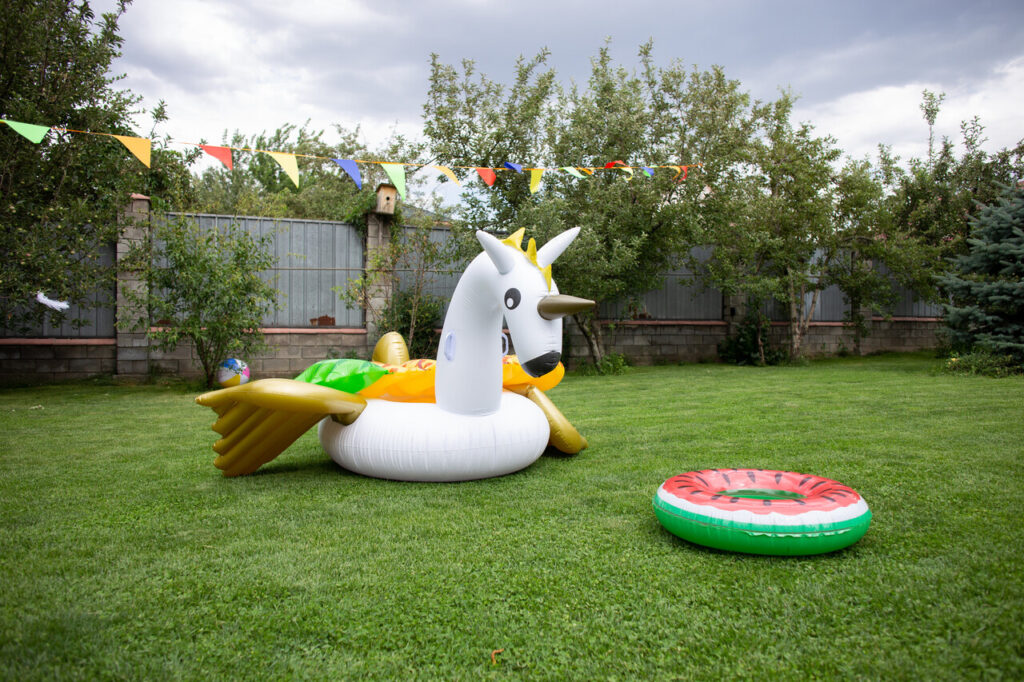
Inflatable decorations are built for scale, not subtlety. In small homes or apartments, especially those without front yards, these figures quickly become awkward. They block windows, crowd entry paths, and make exterior spaces feel cluttered rather than cheerful. Indoors, storage becomes the next problem. Once deflated, they still take up valuable closet or cabinet space. The visual payoff rarely matches the space they demand. What looks playful in a wide-open suburban yard feels oversized and mismatched when squeezed into a compact living situation. Small homes benefit from decorations that can flex with limited square footage, not items that assume room to spare.
3. Cluttered Mantel Displays with Figurines
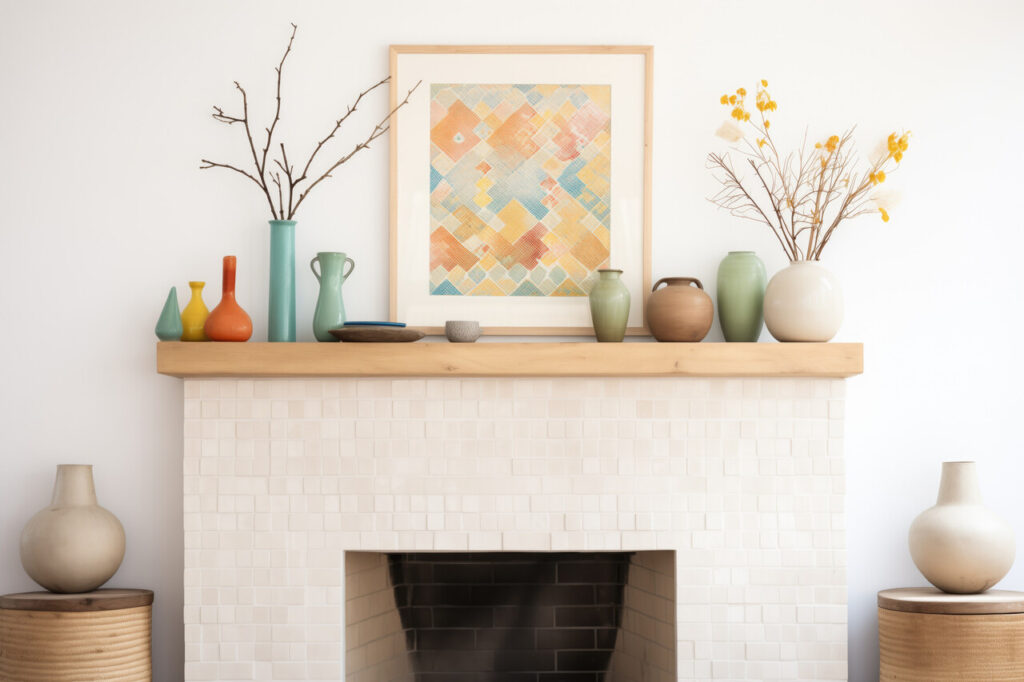
A mantel crowded with figurines may feel nostalgic, but in small rooms it creates visual noise. When every inch is filled with characters, candles, and signs, the mantel stops functioning as a focal point and becomes visual clutter. Small homes rely on clean sightlines to feel open. Overloaded mantels interrupt that balance and make rooms feel busier than they already are. Dusting and rearranging also become chores rather than seasonal pleasures. In tighter spaces, fewer well-chosen pieces create more impact. A restrained display allows the room to breathe while still feeling festive and intentional.
4. Full-Size Artificial Trees
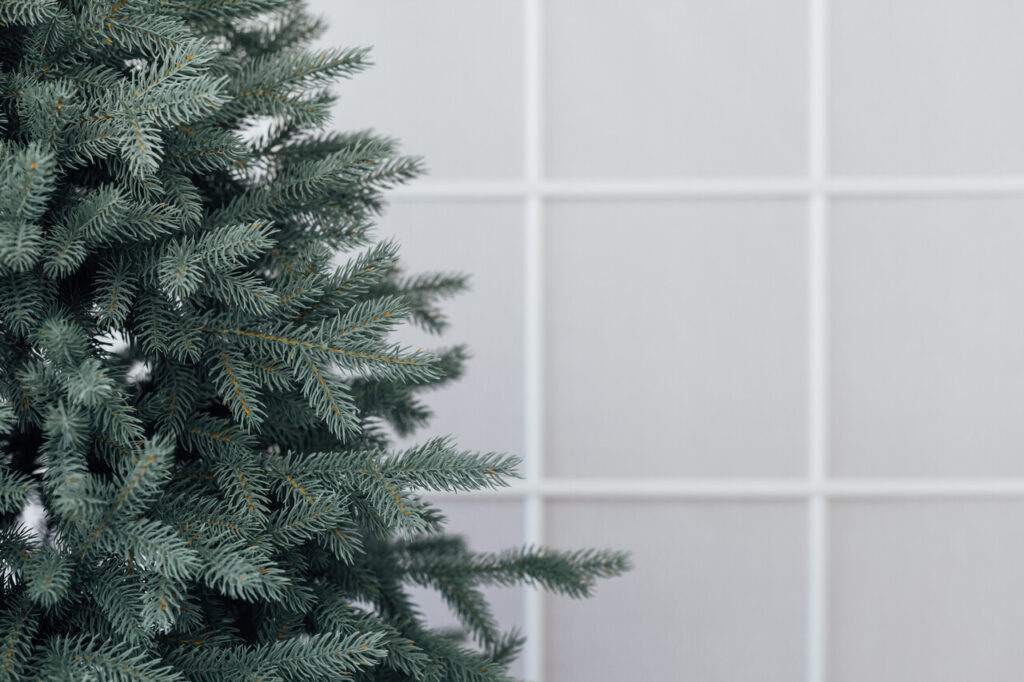
Full-size artificial trees are designed for homes with generous floor plans. In small homes, they often force furniture to shift awkwardly or block natural pathways. The result is a living room that feels cramped for weeks at a time. Clearance becomes a constant issue, from brushing branches while walking by to squeezing past presents piled underneath. These trees also reduce usable seating space, which matters more in compact rooms. While the tradition is appealing, scale matters. Smaller or slimmer trees maintain the spirit of the season without turning daily movement into a navigation challenge.
5. Excessive String Lights on Every Surface
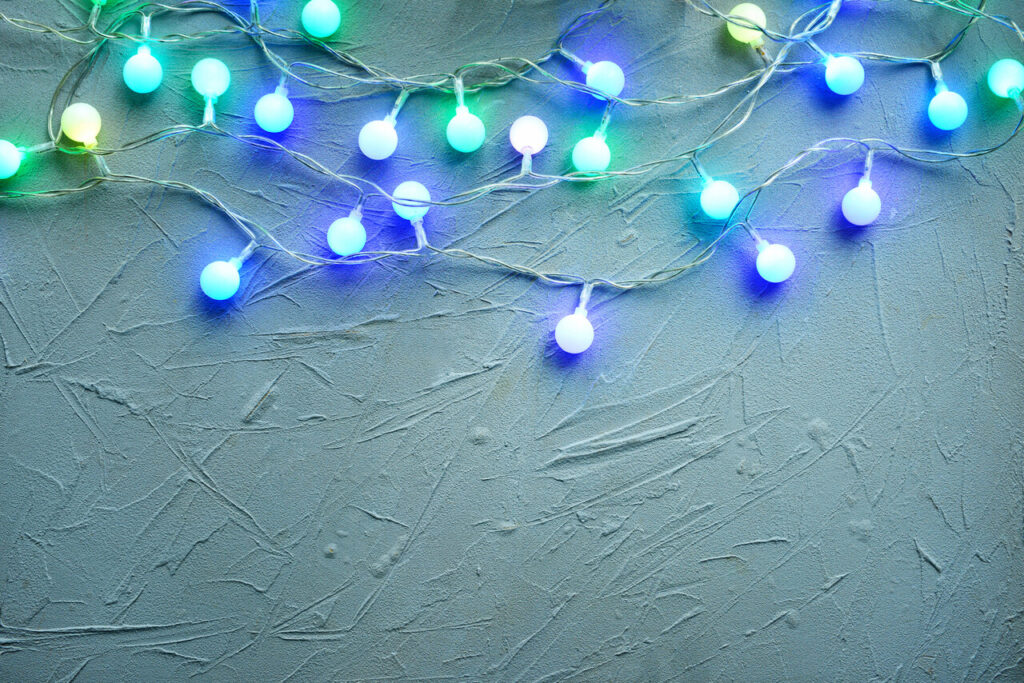
String lights can add warmth, but too many quickly overwhelm a small home. When lights wrap windows, shelves, stair rails, and door frames at once, the effect becomes chaotic instead of cozy. Cords and plugs add to visual clutter, and limited outlets create practical problems. In compact spaces, light reflects more intensely, which can feel harsh rather than magical. Instead of enhancing atmosphere, excessive lighting can make rooms feel busy and overstimulating. Thoughtful placement matters more than quantity. A few focused strands provide ambiance without sacrificing calm or functionality.
6. Heavy Themed Table Runners and Cloths
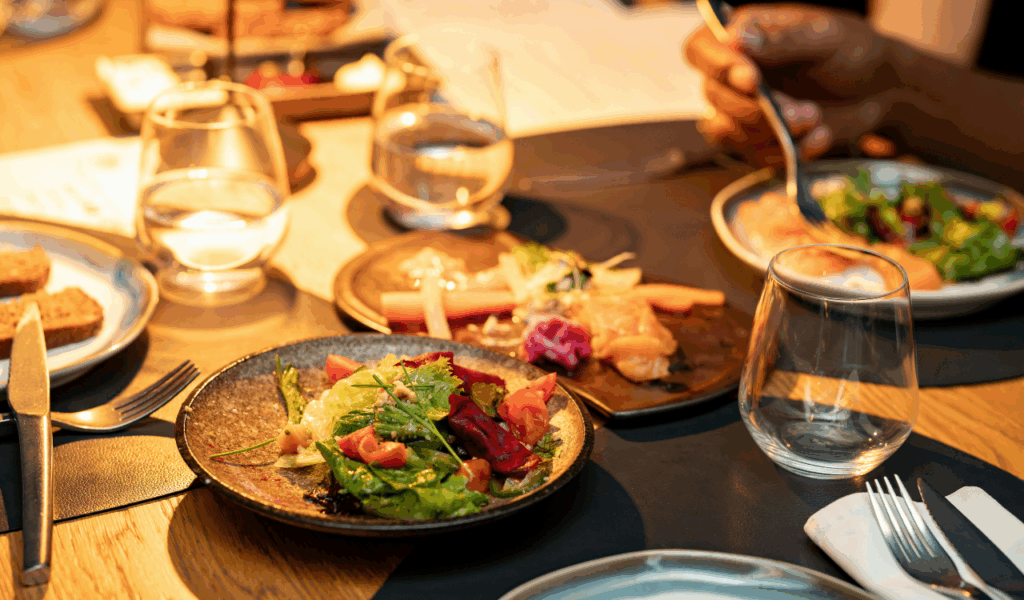
Bulky holiday table linens often overwhelm small dining surfaces. Thick fabrics, bold prints, and dramatic drops visually weigh down tables that already sit close to walls or seating. Chairs catch on excess fabric, and the limited tabletop space shrinks even further. In small homes, dining areas often double as work or prep zones, making practicality essential. Overly themed clothes limit flexibility and can feel out of place outside formal meals. Lightweight runners or simple placemats maintain seasonal charm without compromising usability. Décor should support daily living, not complicate it.
7. Giant Nutcrackers or Statues
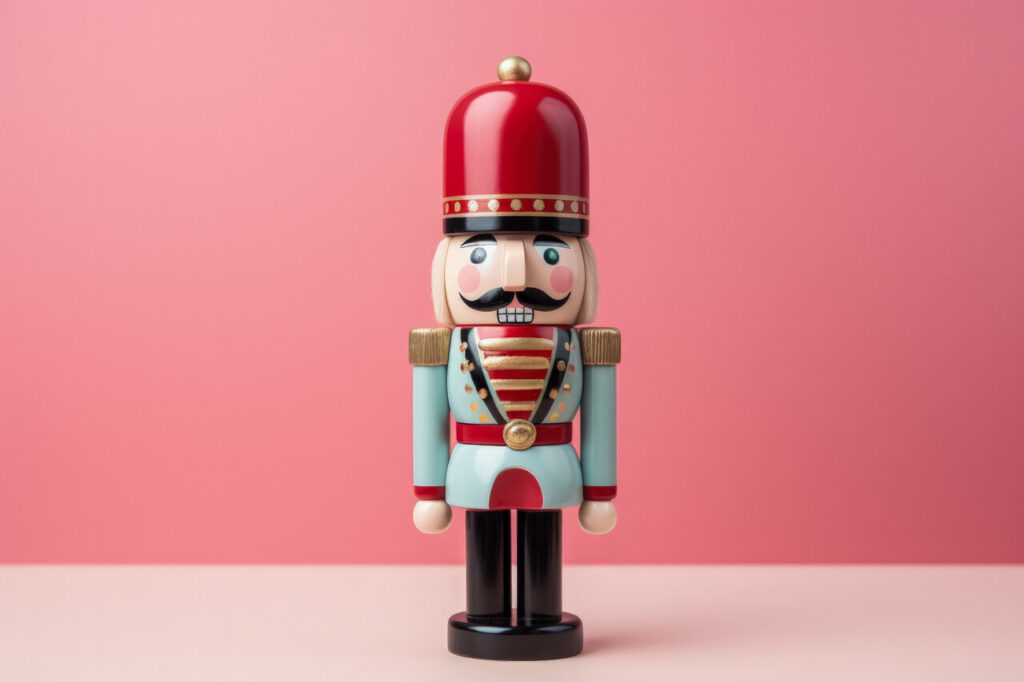
Large decorative statues assume extra floor space that small homes simply don’t have. When placed near doorways or corners, they interrupt traffic flow and make rooms feel crowded. Their scale draws attention away from the rest of the décor, creating an imbalance. Storage after the season ends becomes another challenge, as these items rarely collapse or compact. While visually striking, they often feel out of proportion indoors. In smaller homes, vertical or wall-mounted decorations deliver character without sacrificing valuable floor area.
8. Multiple Candles on Small Tables
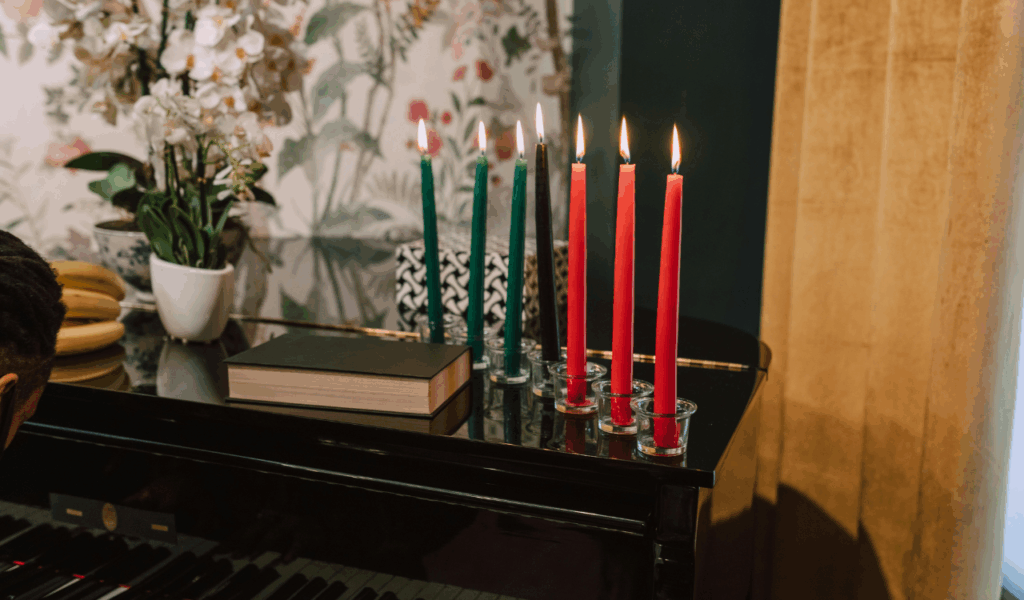
Candles bring warmth, but clustering them on small tables creates clutter and safety concerns. Limited surface space fills quickly, leaving no room for everyday items like keys or drinks. In tight quarters, open flames sit closer to fabrics, pets, and movement paths. The result is more vigilance and less relaxation. Small homes benefit from fewer candles placed intentionally rather than many packed together. One or two well-positioned pieces create ambiance without turning functional surfaces into decorative obstacles.
9. Large Outdoor Light Projectors Seen Indoors

Light projectors can feel immersive, but in small homes they often overwhelm interior spaces. Patterns spill across walls, ceilings, and furniture, making rooms feel busy rather than festive. In compact layouts, there’s no escape from the constant motion and brightness. What’s meant to enhance exterior décor ends up dominating indoor experience. For small homes, lighting works best when it complements rather than competes with living spaces. Controlled, static lighting keeps interiors calm and comfortable during long winter evenings.
10. Extra-Tall Centerpieces
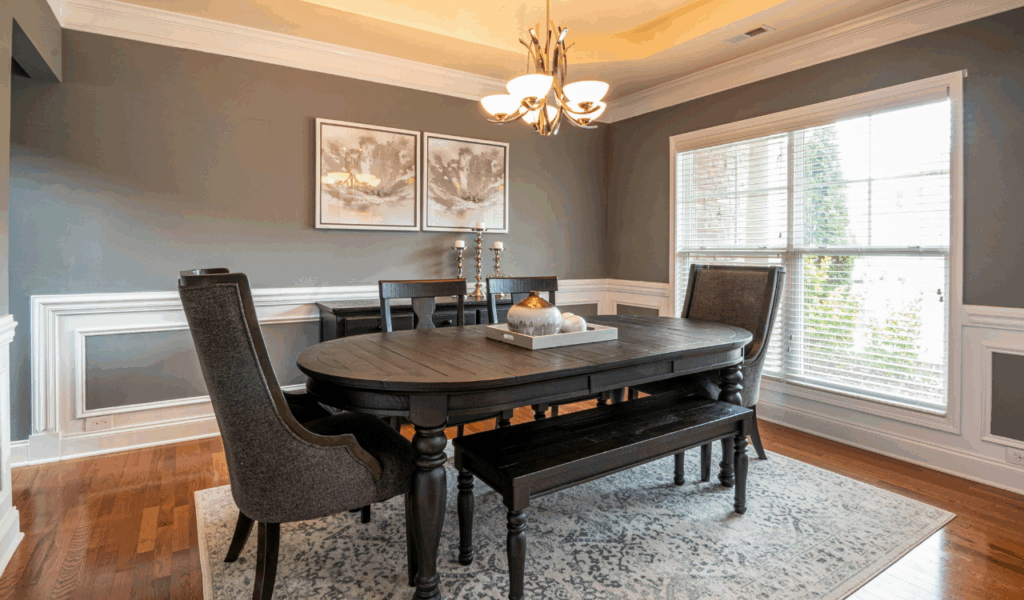
Tall centerpieces assume large tables and wide sightlines. In small dining areas, they block views across the table and disrupt conversation. They also limit serving space, forcing dishes to crowd edges. During daily use, these centerpieces often get moved repeatedly, defeating their purpose. Compact homes benefit from low-profile arrangements that add interest without interfering with function. Seasonal décor should enhance gatherings, not make them feel constrained.
11. Banners and Bunting in Narrow Hallways

Banners and bunting work best in open rooms. In narrow hallways, they visually lower ceilings and make passageways feel tighter. Movement causes them to shift, snag, or tear, adding frustration. Small homes rely on clear circulation to stay functional, especially during busy seasons. Decorative elements that intrude into walking paths create more hassle than charm. Wall-mounted art or subtle accents achieve festivity without compromising everyday movement.