10 Regional Sodas Locals Defend But Outsiders Call “Just Flavored Water”
Regional sodas often spark intense loyalty among locals, yet outsiders sometimes struggle to understand the appeal. Beverage historians and soda experts note that these drinks carry cultural weight, representing history, nostalgia, and even local identity. From unique flavor profiles to centuries-old recipes, each soda tells a story that goes beyond refreshment. For newcomers, however, the flavors can feel unusual, thin, or overly sweet, leading to divided opinions at the first sip. Understanding these regional favorites through expert insight helps explain why locals defend them passionately and why outsiders might dismiss them as “just flavored water.”
1. Moxie (New England)
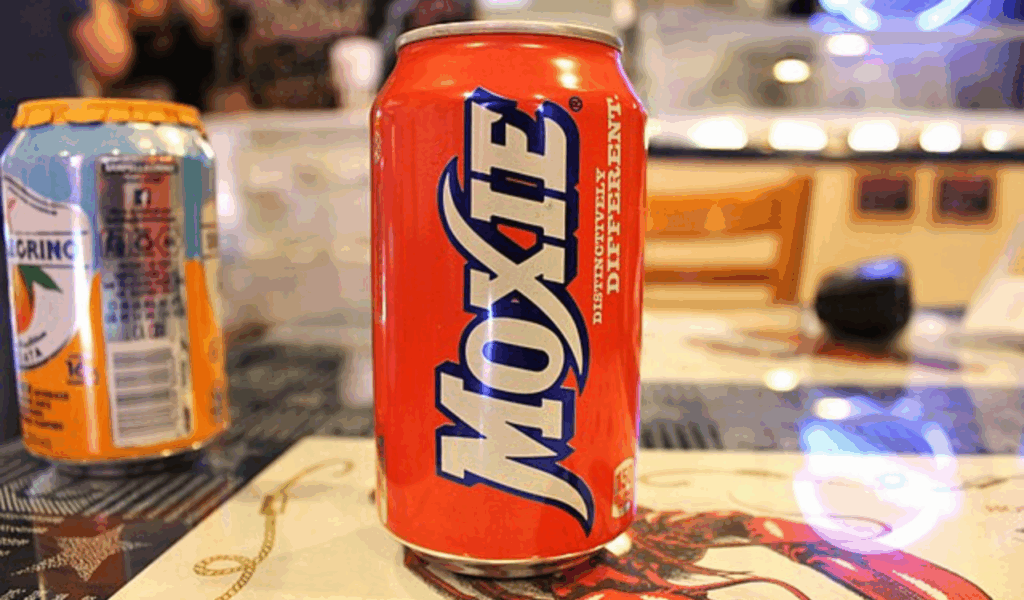
Moxie is one of America’s oldest sodas, crafted with gentian root to create a distinctly bitter, herbal flavor. Food historians highlight its 19th-century origins in Maine, where locals embraced it for its complexity and medicinal undertones. Beverage producers note that the bitter notes are intentional, offering a unique alternative to sweeter soft drinks. The flavor often surprises first-time tasters, who may describe it as sharp, carbonated medicine or even overly earthy.
Soda enthusiasts explain that Moxie is more than taste; it is a ritual and a source of regional pride. Collectors and longtime drinkers celebrate its heritage and local availability, reinforcing the sense of community around the brand. Experts emphasize that understanding Moxie’s history and production process explains why locals view it as a staple, even when outsiders struggle to enjoy its unusual profile.
2. Cheerwine (The Carolinas)
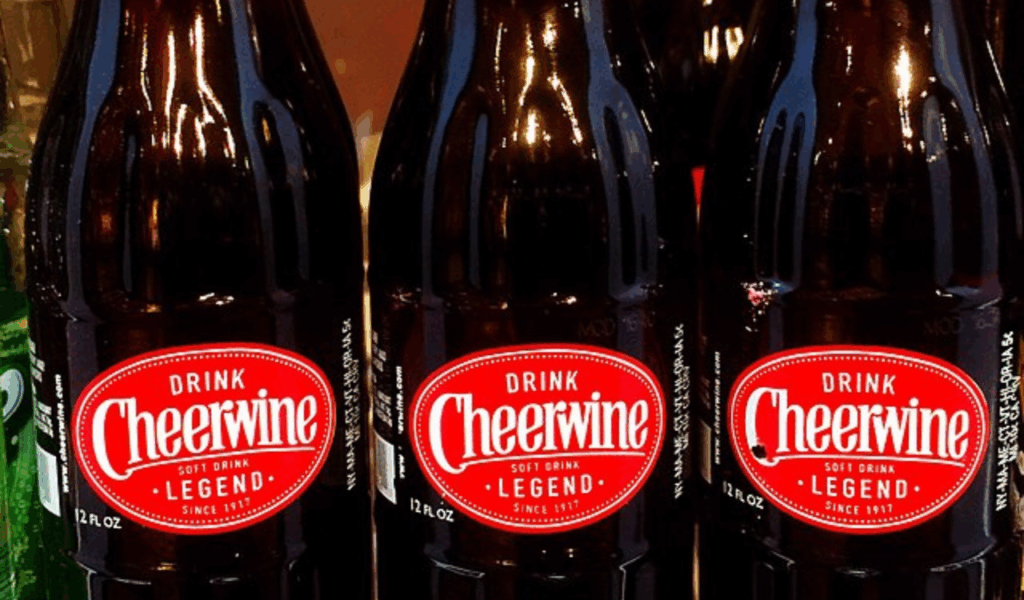
Cheerwine is a deeply sweet, wild cherry-flavored soda that has been a fixture of Southern culture for generations. Beverage historians point out that the high carbonation and pronounced sweetness were designed to stand out alongside rich Southern cuisine. Locals often refer to it as the “nectar of North Carolina,” praising its balance with barbecue, fried chicken, and classic desserts. Professional soda tasters note that its bright red color and sugary flavor create a bold, instantly recognizable drink.
Outsiders, however, can find Cheerwine overwhelming, likening it to cherry syrup dissolved in soda water. Experts note that the sweetness, while beloved by residents, contrasts sharply with mainstream soft drinks, which rely on subtle cola or citrus tones. Despite the intensity, Southern food writers emphasize that its appeal is deeply tied to cultural rituals, restaurant pairings, and childhood memories, making it a defended regional favorite despite polarizing first impressions.
3. Big Red (Texas)
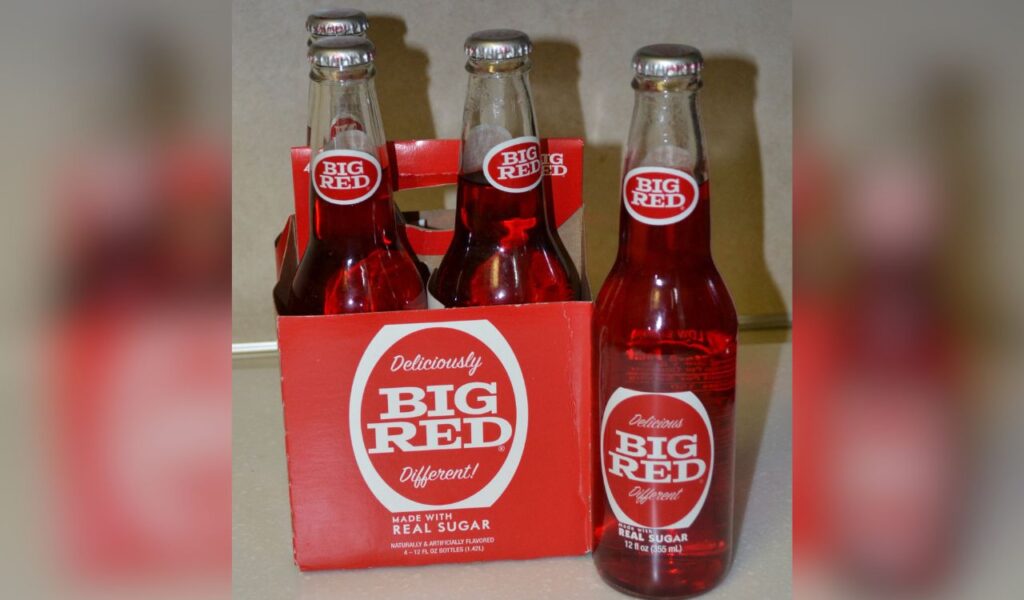
Big Red is known for its bubblegum-cream soda hybrid flavor, vibrant red hue, and long-standing place in Texan culture. Beverage historians note that it became popular in the mid-20th century, with its unusual combination of sweetness and creamy mouthfeel distinguishing it from standard soft drinks. Residents often describe it as a comfort beverage, part of family gatherings, school lunches, and local events, highlighting its emotional and cultural resonance.
Outsiders, however, may perceive Big Red as artificially flavored or excessively sweet, comparable to drinking liquid candy. Experts explain that the exaggerated sweetness and bright coloring are intentional branding choices that cater to local tastes rather than national palates. Food culture commentators highlight that while Big Red may divide visitors, Texans defend it passionately, viewing it as more than a soda: it is an edible emblem of state pride.
4. Vernors (Michigan/Midwest)
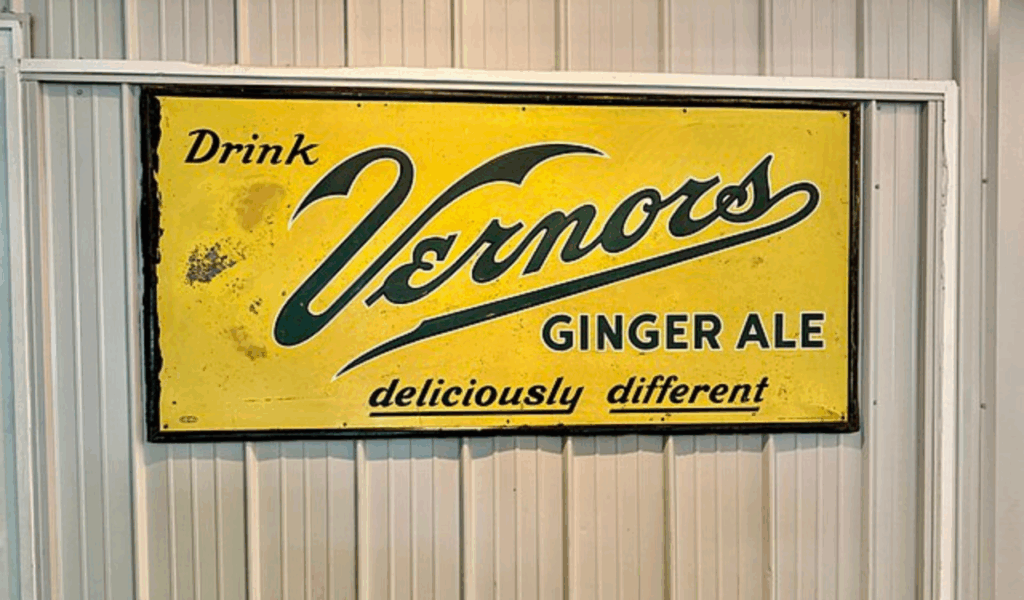
Vernors is an aged ginger ale with a spicier, “woody” profile compared to mainstream brands. Beverage historians explain that it was formulated in Detroit in the 19th century, intended both as a refreshment and a mild remedy for digestive discomfort. Professional tasters note that the sharp ginger bite and rich carbonation make it stand out, creating a distinct drinking experience that differs from the smoother, milder ginger ales commonly found nationwide.
Outsiders often find Vernors too intense, describing the flavor as sharp or medicinal. Locals, however, integrate it into culinary uses, including cocktails, floats, and even marinades. Beverage experts emphasize that its enduring popularity is rooted in nostalgia, multi-generational consumption, and regional pride. Understanding these contexts explains why Vernors remains a staple for Midwestern families, even when new visitors struggle with its assertive flavor.
5. Ale-8-One (Kentucky)
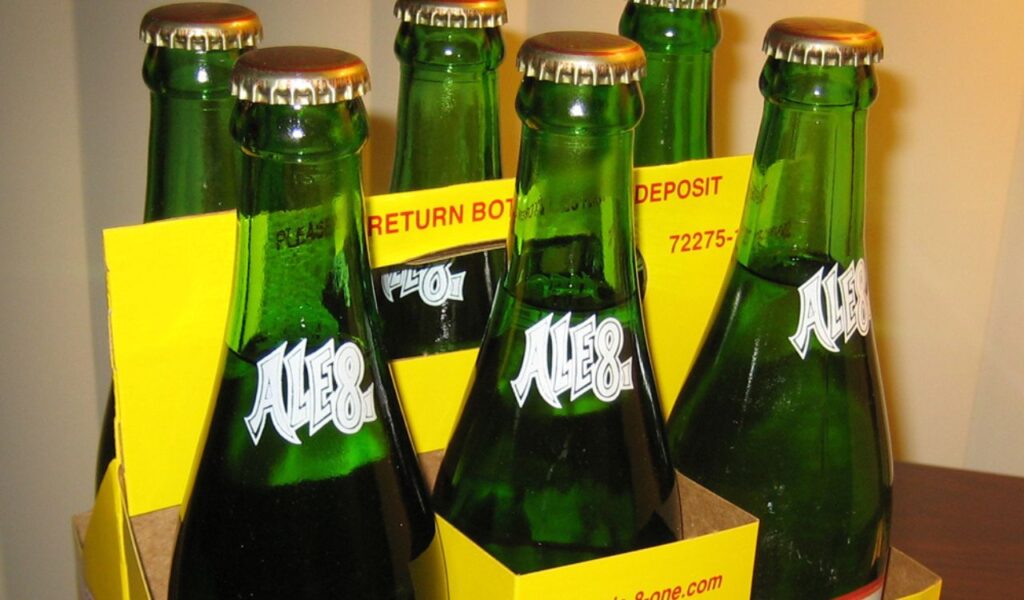
Ale-8-One is a ginger-citrus hybrid with subtle carbonation that has become a point of pride in Kentucky. Beverage historians highlight its creation in the early 20th century as an alternative to mainstream sodas, balancing mild ginger spice with citrus brightness. Local residents often praise it for its nuanced flavor, which pairs well with barbecue, fried chicken, or family gatherings. Beverage producers note that the restrained sweetness is intentional, offering a more sophisticated alternative to standard sodas.
Outsiders sometimes find Ale-8-One underwhelming, describing it as flat or too mild compared to bolder, more carbonated options. Experts explain that its charm lies in subtlety and regional preference rather than the dramatic punch of mass-market brands. Culinary writers suggest pairing it with hearty meals to appreciate the complexity, noting that its legacy and local reverence make it more than just a soft drink—it’s a cultural symbol for Kentuckians.
6. Green River (Chicago/Midwest)
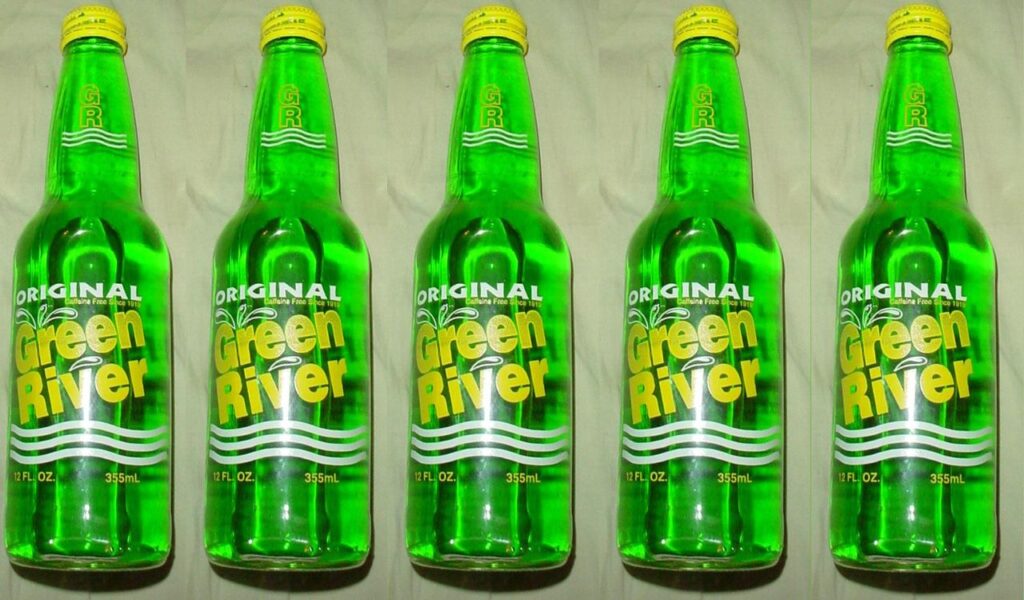
Green River is a bright neon-green lime soda that evokes nostalgia for Midwest diners and soda fountains. Beverage historians explain that it was created during the 20th century to compete with national lime-flavored sodas, using citrus flavors and high sugar to capture attention. Locals often celebrate it as a childhood favorite, enjoying it in floats or paired with diner staples. Soda experts highlight its sweet-tart profile, which has remained largely unchanged for decades.
Visitors or outsiders often react to Green River with surprise, sometimes calling it overly sweet or visually artificial, noting that its neon color and flavor differ from those of typical colas. Food culture analysts suggest that the soda’s enduring appeal comes from ritual and memory rather than mainstream taste expectations. Locals defend it vigorously, emphasizing its place in regional identity and the communal experience of Midwest diners.
7. Manhattan Special (New York)
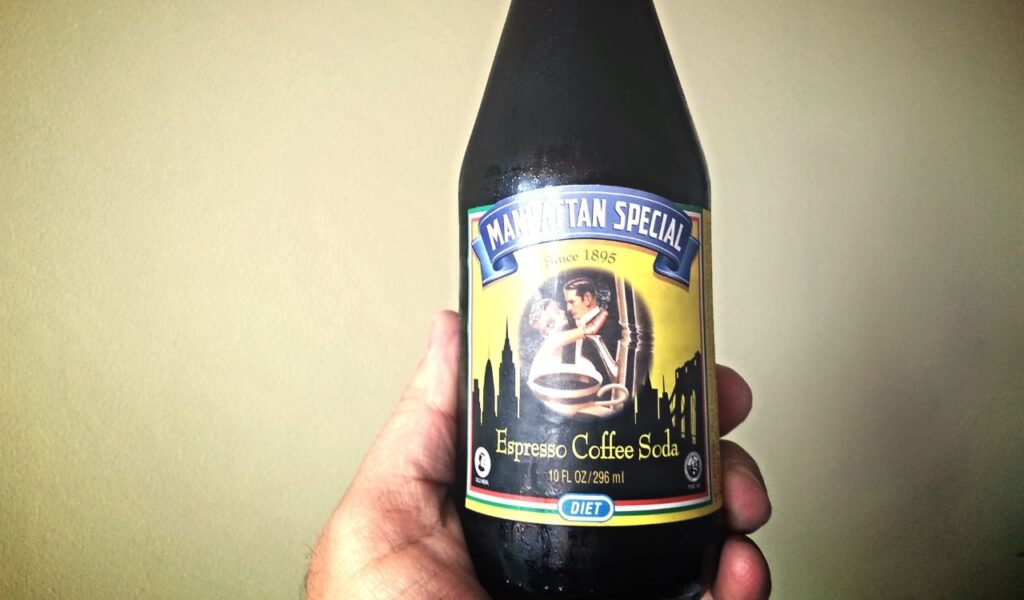
Manhattan Special is an espresso-based coffee soda with a bold and bitter profile, rooted in New York City beverage culture. Coffee and soda historians note that it originated to cater to Italian-American communities seeking caffeine combined with effervescence. Locals enjoy it as a midday pick-me-up, brunch accompaniment, or a unique alternative to standard colas. Baristas highlight that its bitter coffee notes distinguish it from traditional sweet sodas, creating a sophisticated flavor experience.
Outsiders often find Manhattan Special surprising or jarring, expecting sugary, fizzy soft drinks rather than espresso intensity. Experts explain that it requires adjusting expectations, as it functions more like a coffee beverage than a classic soda. NYC drink culture writers note that its cult following is tied to ritual, flavor complexity, and local pride, making it a staple for aficionados while confusing first-time tasters.
8. Pennsylvania Dutch Birch Beer (Pennsylvania)
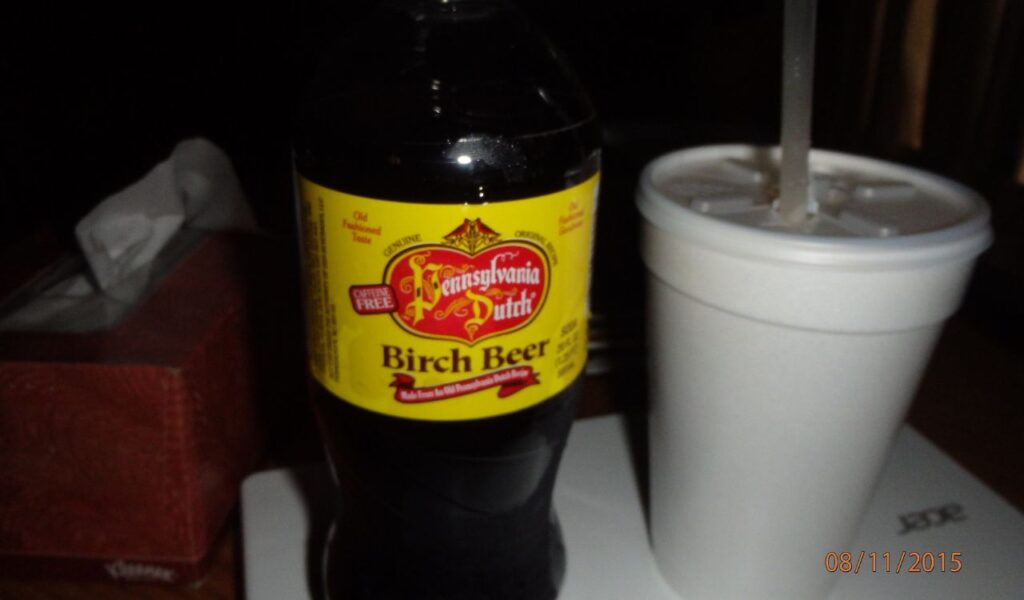
Pennsylvania Dutch Birch Beer is crafted from birch bark and sap, producing a crisp, lightly minty soda that has been enjoyed for generations. Beverage historians explain that it reflects Pennsylvania Dutch culinary traditions, with recipes passed down through families and small bottlers. Locals enjoy its unique flavor both as a standalone refreshment and as a complement to regional foods like soft pretzels or roasted meats. Professional tasters describe the subtle complexity as delicate but distinctive.
Outsiders, particularly those accustomed to root beer or cola, may perceive birch beer as thin or medicinal. Experts highlight that flavor expectations differ, and the beverage’s appeal lies in nostalgia and cultural context rather than mass-market sweetness. Locals defend it passionately, noting that its understated taste and heritage make it a defining part of regional identity, demonstrating how familiarity shapes preference and perception.
9. Grape Nehi (South)
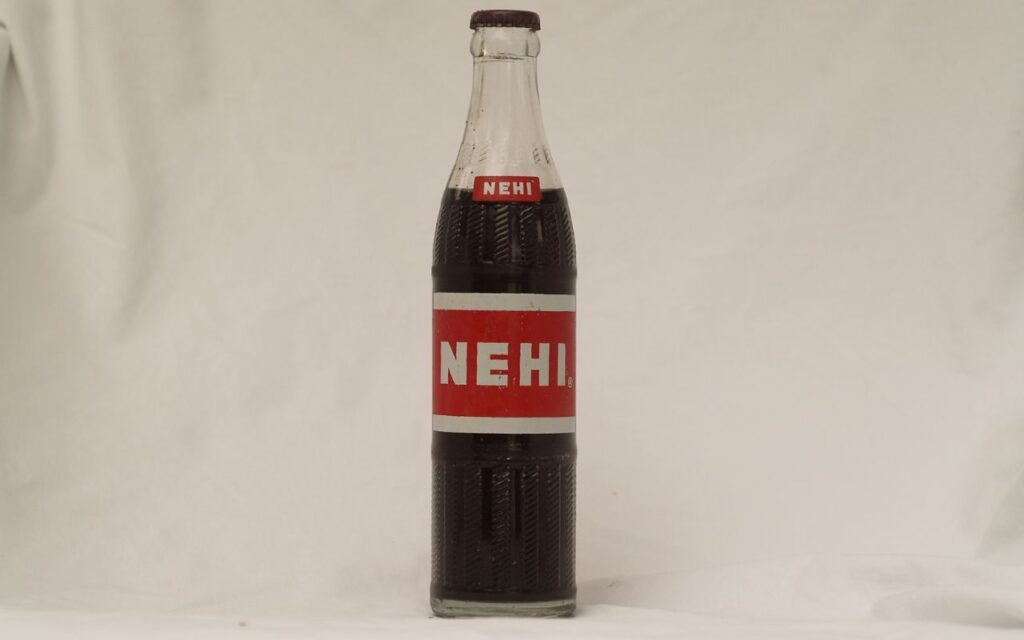
Grape Nehi is a purple, grape-flavored soda that has been a Southern diner staple for decades. Beverage historians note that it rose to popularity alongside classic soda fountains and drive-ins, often paired with fried chicken, burgers, or picnic fare. Locals celebrate its bold color and sweet, fruity taste, describing it as a nostalgic treat that evokes childhood meals and family outings. Food culture experts highlight that its flavor is deliberately vibrant, balancing sugary notes with a familiar grape essence that resonates deeply with Southern communities.
Outsiders often describe Grape Nehi as “grape juice with bubbles,” surprised by its intense sweetness and artificial-tasting hue. Beverage professionals explain that the soda’s appeal is not subtlety but memorability, designed to create a lasting impression in diners and lunch counters across the South. Culinary historians point out that its continued popularity is rooted in nostalgia, pairing tradition with flavor expectation, and for locals, the soda is more than refreshment; it is a cultural touchstone defended fiercely against outsider skepticism.
10. Dirty Soda (Utah)
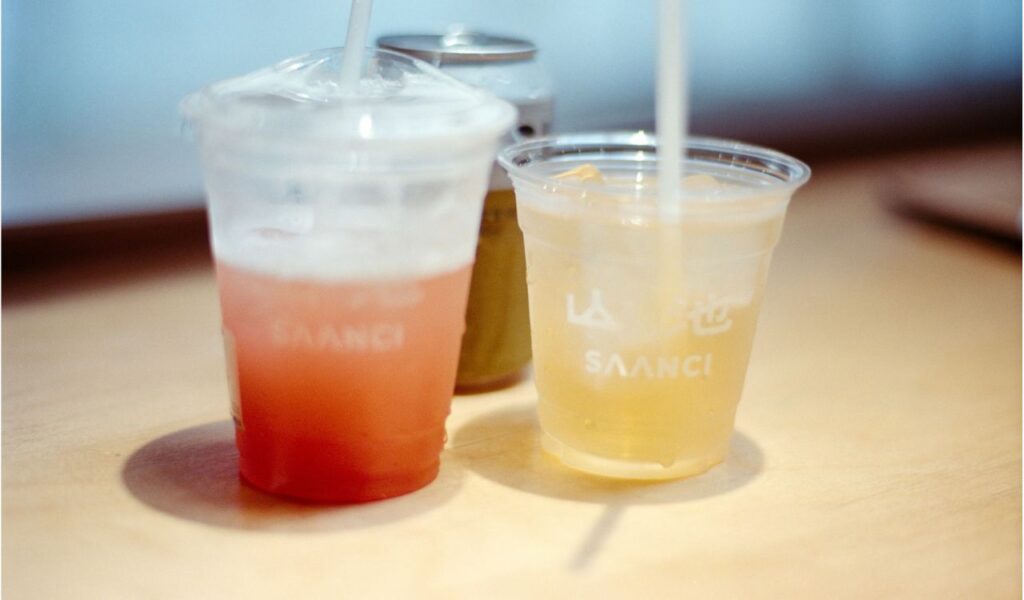
Dirty soda is a regional phenomenon involving sodas mixed with cream, flavored syrups, or other additives, popularized in Utah’s cafes and convenience stores. Beverage trend experts highlight that it reflects a broader culture of customization and indulgence, where patrons experiment with flavor combinations that go beyond standard soft drink offerings. Locals view it as a fun, social ritual, often sharing preferred mixes or visiting dedicated “dirty soda” shops as part of weekend traditions.
Outsiders sometimes dismiss dirty soda as overly sweet, sugar-laden water, or a gimmicky fad. Experts explain that its appeal is tied to novelty, texture, and the participatory nature of creating personalized beverages. Utah food writers emphasize that its continued popularity demonstrates how regional innovations in drink culture can thrive despite being misunderstood elsewhere, illustrating the gap between local affection and outsider expectations.