11 Holiday Décor Trends That Looked Charming Until January Hit
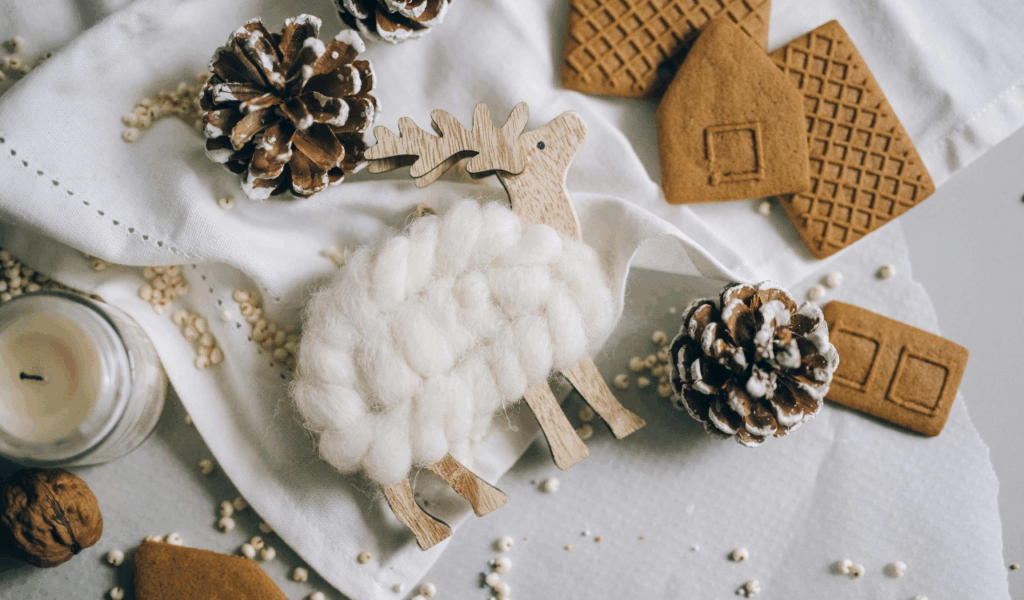
Christmas decorations are magical in December but overwhelming later. Comfortable, festive, and cheerful may become cluttered, inconvenient, or visually tiring when routines return. Holiday decor is frequently meant for short-term fun rather than daily comfort. The same goods feel heavy, outdated, or out of place in calmer, more utilitarian settings in January. Without Christmas lights, storage, visual overload, and maintenance become more apparent. These trends explain why simpler, flexible décor lasts longer after the holidays. These eleven Christmas décor ideas were fun at first but lost their appeal by January.
1. Overloaded garlands on every surface
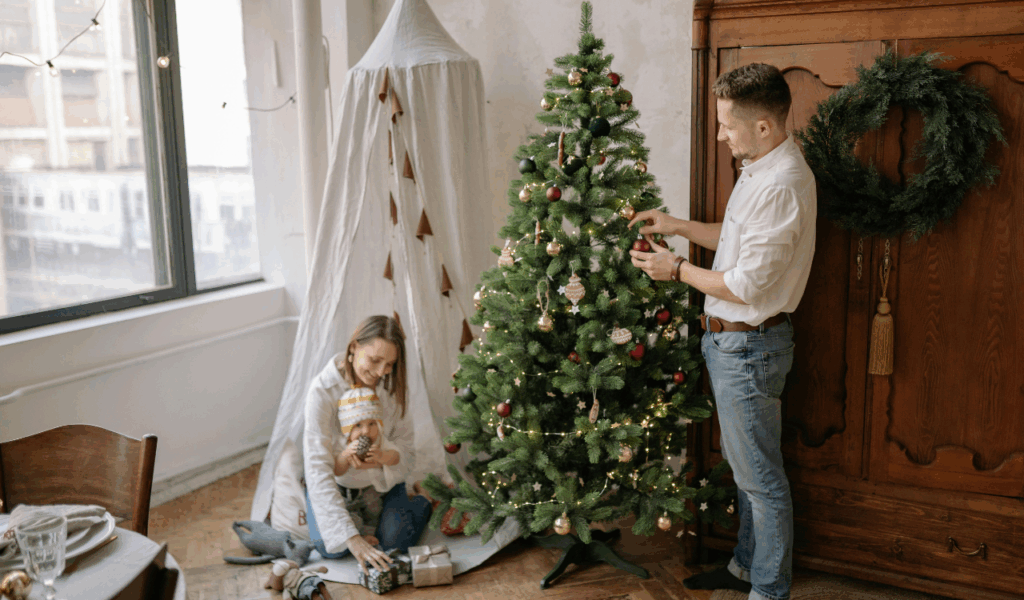
Garlands on stair rails, shelves, mirrors, door frames, and furniture edges look attractive during the holidays but tiresome afterward. Too many garlands jam architectural elements and mask a space’s natural balance. They collect dust and false needles after the season, making cleanup more difficult. Large items can make rooms feel dark, congested, and smaller. It is possible to create visual confusion in the décor by covering every surface with garlands; nevertheless, this can also provide warmth and emphasis. What was once rich and delightful becomes heavy, intrusive, and out of date during the month of January.
2. Holiday-themed throw pillows everywhere
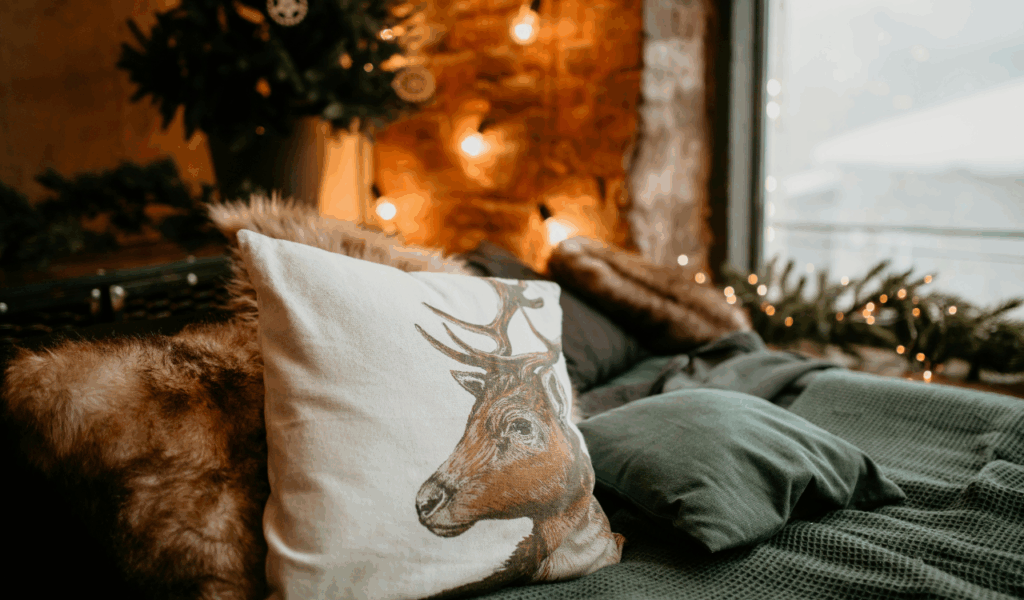
Throw pillows with seasonal messages, figures, or bold patterns on them are great for December, but they don’t look right when the holidays are over. Bulky pillows take up valuable closet or storage space, and many people put off rotating them because it involves work. If you leave them out for too long, they clash with the decor in your home and make rooms feel locked in a certain time. Too many pillows can make it less comfortable to sit and make surfaces messier. Pillows with texture or simple patterns that aren’t too bright last far longer than ones with bright, themed motifs.
3. Artificial snow décor indoors
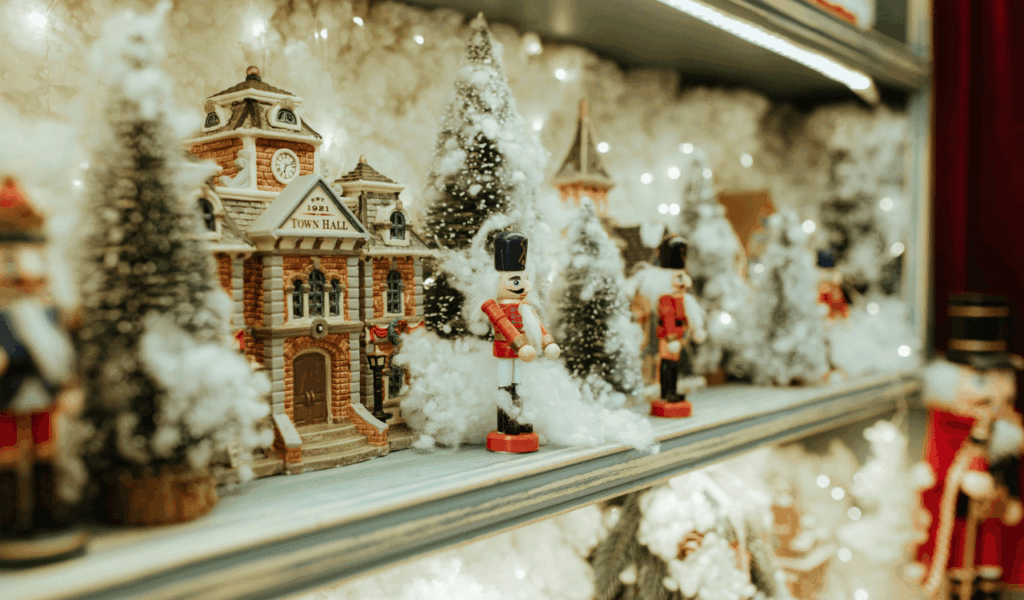
Fake snow blankets, sprays, and decorative flakes make a winter wonderland look at first, but they don’t last long indoors. Fake snow drops particles that go on floors, furniture, and clothes, making the mess spread far beyond the show. After the holidays, when the illumination changes, it can look dirty instead of magical. Cleaning up takes a lot of effort, especially when residue sticks to textiles or surfaces with a lot of texture. Faux snow appears disorganized and useless in January, reminding us that the magic was transitory. Simple winter textures let seasons transition more clearly and for longer.
4. Statement holiday signs

In December, big signs with holiday greetings or seasonal themes seem fun and expressive, but they don’t stay relevant for long. After the celebrations are finished, these placards seem too particular, embarrassing, and loud. People often leave large decorations out longer than they planned because it’s hard to store them. Their dramatic designs might make a room feel too full and make it hard to change the style. By January, statement signs often feel old instead of celebratory. This shows why decor that can be changed is usually better than decor that is tied to a short season.
5. Overly themed dining tables
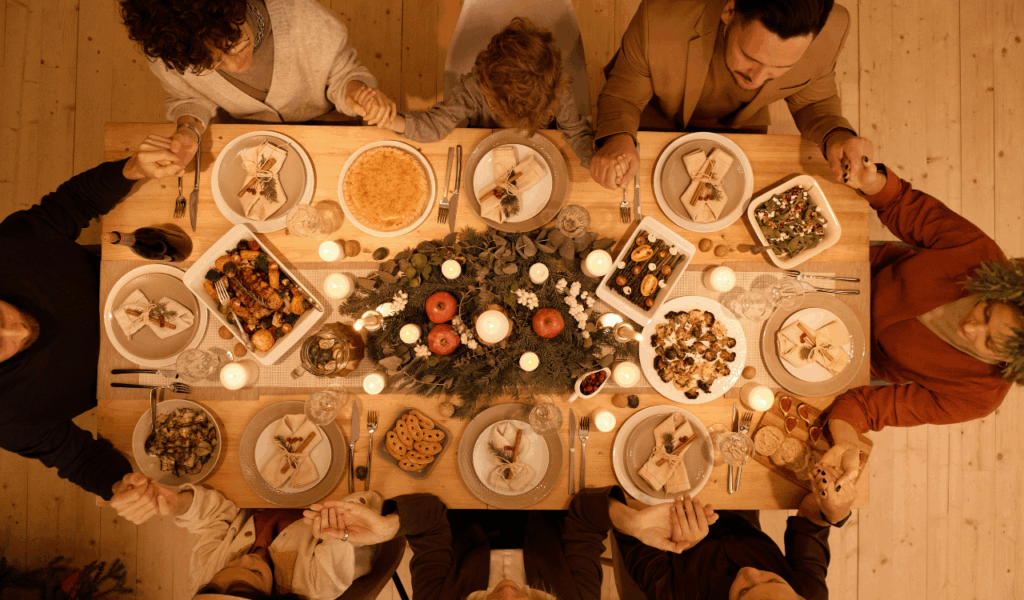
Holiday tables with themed runners, big centerpieces, unique dishware, and ornamental accessories look great for parties, but they don’t feel very useful after the party. These settings take up room and make it harder to use things on a daily basis, which makes casual dinners feel staged. Not include them makes it tougher to use dining rooms comfortably. Putting away big centerpieces and other unique objects also makes other parts of the house messy. Tables with many decorations feel burdensome when normal meals return. Simple table decorations make it easy to walk around and keep dining places quiet, not just on special occasions.
6. Excessive metallic accents

Metal decorations look shiny and dramatic over the holidays, but when the sun comes back in January, they can feel harsh. Gold, silver, and shiny finishes reflect light well and show fingerprints, dust, and smudges quickly. If you use them too much, they make things look messy instead than classy. People want things to be easy, yet cleaning and keeping surfaces bright takes more labor. Too many metallic accents can make a room look cold and sparkly after the holidays, which is not what people want in their homes.
7. Themed mini trees in every room
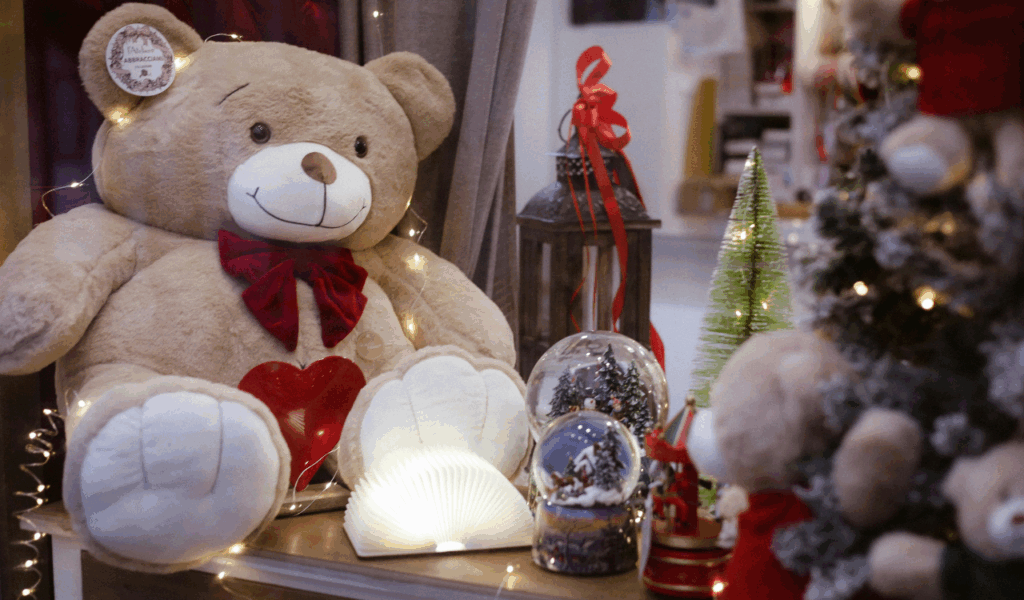
In December, small themed trees about the house offer a festive touch, but they get old very soon. Setting up, adjusting, storing, and cleaning up after several trees takes time. By January, they make the house feel congested and repetitious instead of cozy. Taking them down too soon makes it harder to get back to normal routines. One focus tree is frequently plenty, but having many themed replicas shows how quickly holiday decorations can take over a place after the novelty wears off.
8. Novelty holiday lighting indoors
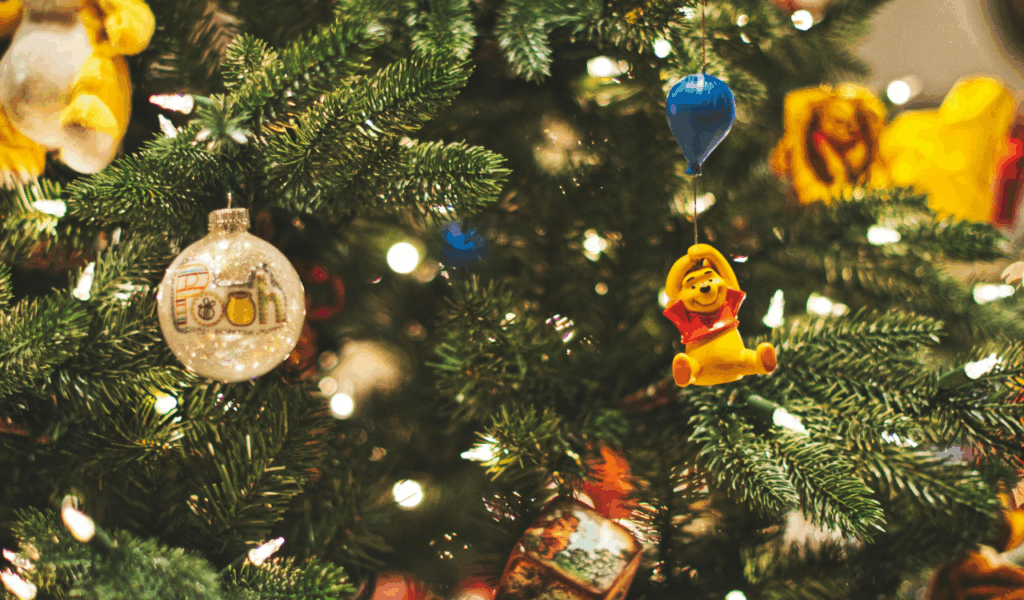
At first, novelty lights that seem like seasonal things are fun, but they don’t usually fit in with everyday decor after that. After the holidays, their colors, forms, and brightness typically don’t go well with more neutral rooms. It takes time and care to pack up and store delicate lights carefully. When novelty lights are left on for too long, they don’t feel cozy; they feel distracting. Soft, neutral lighting solutions normally work better for the new year than highly themed designs that are only supposed to be seen for a short time.
9. Over-decorated entryways
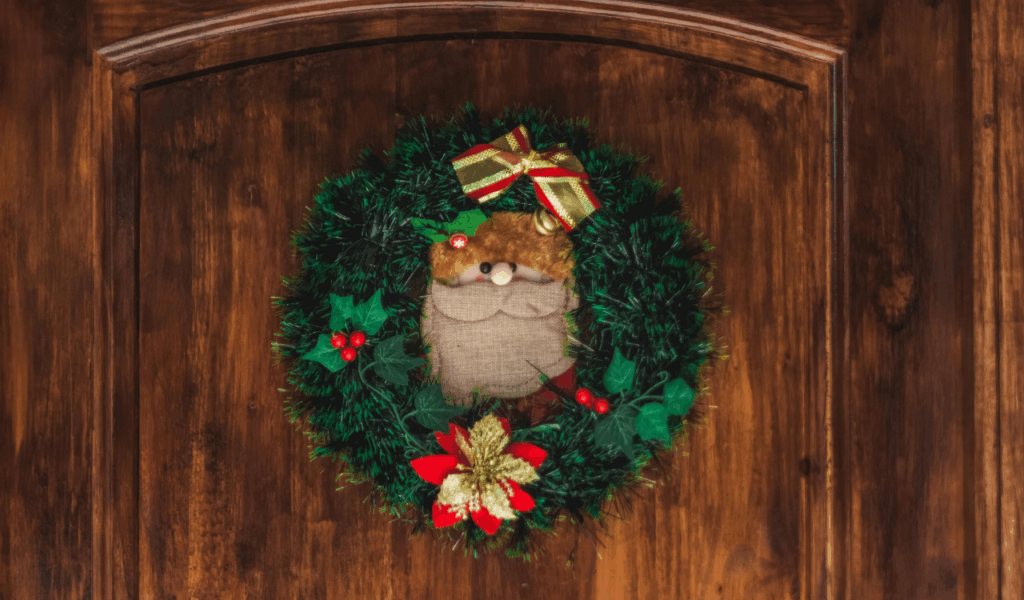
In December, holiday doorways with wreaths, signs, lanterns, colorful figures, and layered decorations create a big impression. After the season is over, they seem congested and unwelcoming. Entryways are places where people can go in and out, and too much decoration makes it hard to move around, store things, and do everyday tasks. It can be hard to clean around big things. Most people want things to be simple at the door by January, so entryways that are too decked are one of the quickest holiday trends to go out of style.
10. Matching holiday décor sets
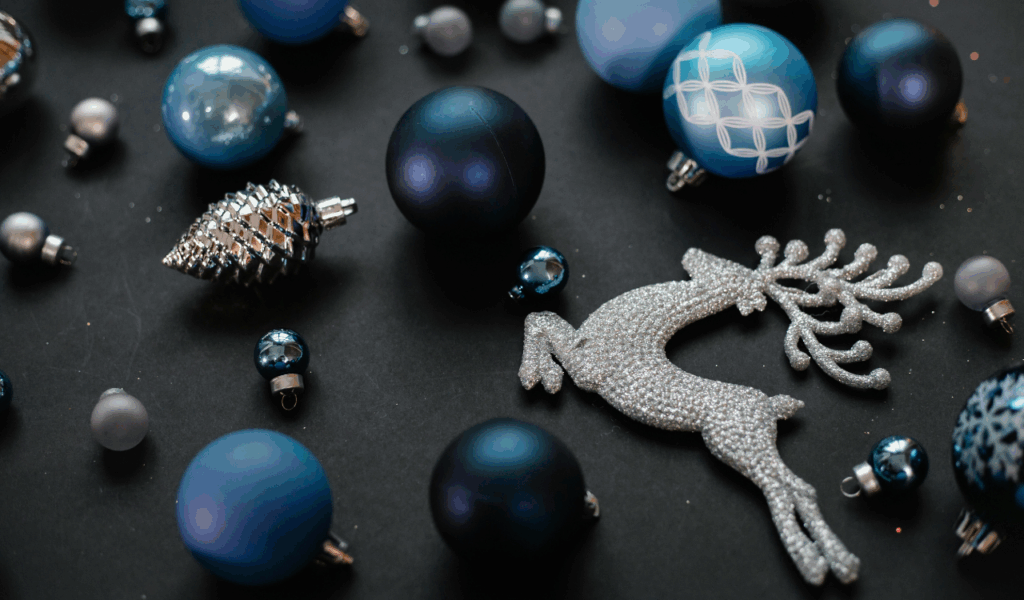
Sets of perfectly matched holiday decorations give a professional and unified effect, but they might feel fake once the season is over. Using the same colors, finishes, and patterns all across the house makes it look flat and inflexible. These sets are hard to match with regular decor, so you have to take them all out at once instead of slowly changing them. By January, the sameness appears stiff instead of joyous, reminding homeowners why collected, flexible decorations last longer.
11. Oversized holiday figurines
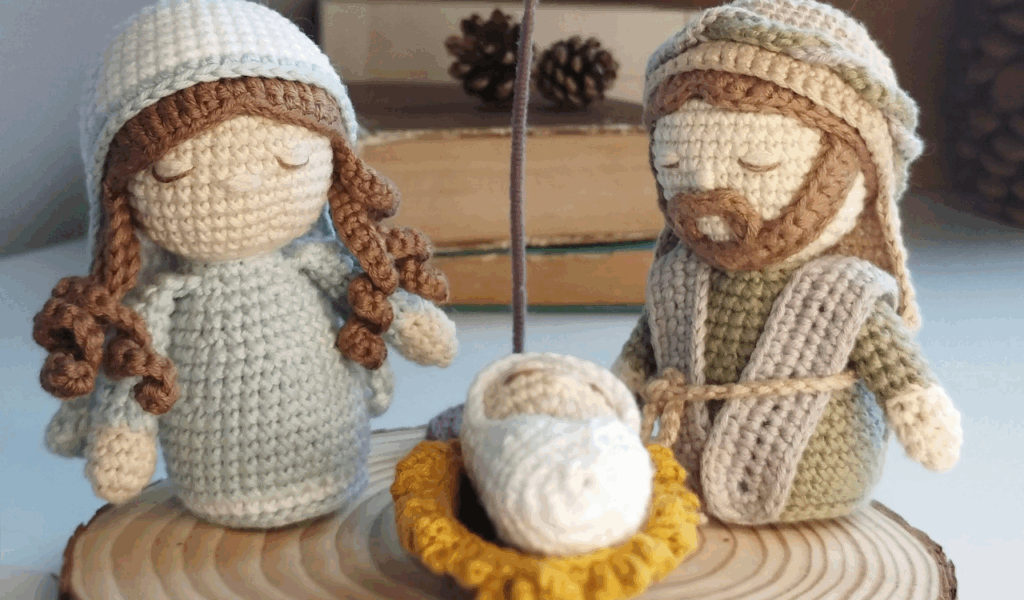
Big Christmas decorations are great for adding drama and visual interest throughout the season, but they take up a lot of space afterward. It’s hard to store them, and it seems like too much to leave them out beyond the holidays. They make rooms less flexible and are easy to accumulate dust. As the holiday spirit fades, big things start to feel more like a nuisance than a charm. Their small window of attractiveness shows why you should constantly think about size and storage when picking seasonal decorations.