
5 “Healthy” Satiety Foods That Often Contain Hidden Sweeteners or Fillers

Creating a truly satisfying eating routine gets harder when so many foods marketed as healthy are built around shortcuts. What this really means is people reach for items that promise fullness and steady energy, only to discover later that those same products rely on sweeteners, starches or engineered fibers to mimic the feeling of a balanced meal. When you look closer, the gap between what’s advertised and what you’re actually eating becomes pretty clear. Knowing where these traps hide can help you make choices that feel good in the moment and still support your goals long after the label glow fades.
1. Protein Bars

Here’s the thing about protein bars: they promise a quick, filling fix, but the label can be a fog of processed ingredients. Many bars use cheap protein isolates and adders like maltodextrin, sugar syrups or sugar alcohols to bulk up calories and mouthfeel while keeping the macro numbers attractive. Manufacturers also pack in isolated fibers, such as inulin or chicory root to claim “satiety,” plus gums and emulsifiers to bind everything together. The result is a bar that keeps you full for a bit but delivers refined carbs and additives that your body treats differently than whole foods.
2. Flavored Greek Yogurt

Flavored Greek yogurt sounds like a simple, healthy choice, but the reality is often a sugar trick. To hit the sweetness consumers expect, brands add fruit purées, concentrated fruit juices, or plain old cane sugar, sometimes more sugar per serving than a candy bar when you factor in toppings and mix-ins. Stabilizers like pectin and modified starch are common, and some products use nonnutritive sweeteners that change gut signaling and appetite. The “protein plus fruit” story feels wholesome, but many flavored tubs trade real fruit for syrupy bases and fillers that spike blood sugar.
3. High-Fiber Cereals
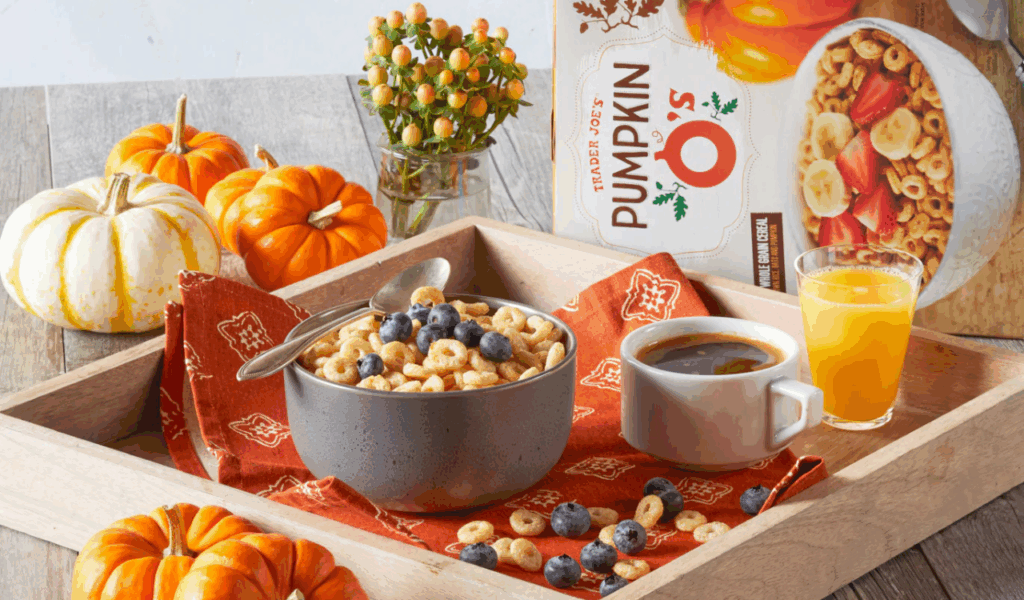
High-fiber cereals promise long-lasting fullness, and that sounds ideal for busy mornings. The catch is what manufacturers mean by “fiber.” Rather than whole grains and bran, many boxes rely on isolated fibers, inulin, polydextrose, or added oat fiber, plus malt syrup and other sweeteners to improve texture and taste. Those isolated fibers can have benefits, but at scale they act as fillers that make a product look healthy on paper while still delivering a high glycemic load. They can also cause digestive upset when consumed in large amounts by people who aren’t used to them.
4. Meal Replacement Shakes

Meal replacement shakes are designed to feel like a full meal in a bottle, but they usually reach that effect through industrial engineering. Protein isolates, pea or soy powders, emulsifiers, synthetic fibers, and sweeteners are blended to create thickness and a slow-release feel. Manufacturers may sprinkle in vitamins and minerals to call the product “complete,” yet the texture and satiety often come from gums, sugar alcohols, and isolated fibers that don’t behave like real food in your gut. Regularly using these shakes can blunt hunger differently than balanced meals, and the long list of additives can affect digestion and appetite signals.
5. Veggie Chips

Veggie chips have a clever pitch: you’re eating vegetables, right? In practice, many of these snacks are heavy on starch and light on actual produce. Manufacturers often use potato or tapioca starches, maltodextrin, and refined flours as binders, then label the result “carrot” or “beet” because those veggies were used as a coloring or flavoring ingredient. To get shelf stability and crunch, brands add oil, sugar for browning, and seasonings that boost palatability. The satiety claim comes from fiber buzzwords, but the effective fiber per serving is often low compared with whole raw or roasted vegetables.