10 Home Upgrades That Are Actually Against the Law (Yet Most Homeowners Still Do Them)
Many homeowners take on renovations thinking they are simple ways to improve comfort, value, or functionality. Yet building inspectors consistently report seeing illegal upgrades in kitchens, attics, decks, and garages, often creating safety hazards, insurance problems, and fines. What looks like a minor adjustment can violate local building codes, zoning laws, or fire regulations. These violations are surprisingly common, and experts estimate that over 70% of homes have at least one code issue from DIY or unpermitted projects. Understanding which upgrades are legal and which require permits is critical for safety and long-term property value.
The trend toward remote work, outdoor entertainment, and home expansion has amplified the number of unpermitted renovations. Attic offices, deck extensions, backyard fire pits, and garage conversions have surged during the last few years. Contractors caution that even seemingly harmless improvements can quickly escalate into major safety and legal concerns if they bypass inspection. Homeowners may underestimate the complexity, while inspectors see recurring patterns of violations that can lead to costly fixes. Seasonal conditions, like winter ice or cold snaps, often exacerbate the risks, revealing weaknesses in unpermitted installations.
1. Attic Conversions Without Proper Permits

Converting an attic into a bedroom or office is increasingly popular among homeowners looking to maximize space. Many assume that adding flooring and lighting is enough, but building inspectors routinely report that these conversions lack proper egress, ceiling height, or floor reinforcement. Without compliance with IRC R301 structural and egress standards, the space is technically illegal and poses serious fire and safety risks. Improper load-bearing modifications can also compromise structural integrity, especially in older homes.
Attics without approved exits endanger occupants in emergencies and may void insurance coverage. Inspectors emphasize that all bedrooms must meet IRC R310 5.7-square-foot egress window requirements. Correctly permitted conversions not only prevent legal issues but also increase resale value, because illegal bonus rooms often require costly retrofits to meet code. Proper planning ensures ventilation, insulation, and electrical systems align with safety standards, transforming an attic from a risky DIY project into a fully compliant, usable living space.
2. Deck Extensions Without Zoning Approval
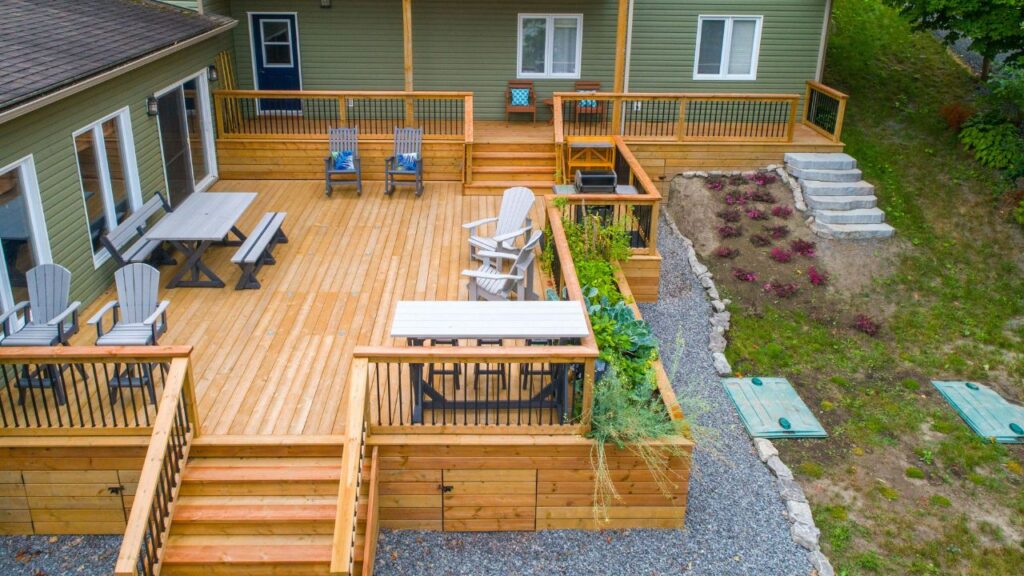
Decks are a common DIY addition for outdoor living, but unpermitted extensions often ignore local setback rules and railing requirements. Contractors report seeing decks built too close to property lines or without guardrails, creating safety hazards and potential neighbor disputes. Winter ice can also make unpermitted deck railings dangerously unstable, emphasizing the importance of structural compliance. Many homeowners underestimate the complexity of building code requirements, assuming a few boards and posts are harmless.
Zoning laws typically require 5-foot setbacks from property lines and 36-inch railings to prevent falls. Properly permitted decks protect both homeowners and guests while maintaining compliance with local ordinances. Legal inspections ensure that load-bearing posts are installed correctly and that joists meet structural specifications, avoiding sagging or collapse. Following these regulations reduces accident risk and helps with insurance validation and resale confidence.
3. Installing Windows Without Egress Compliance
Replacing or enlarging windows seems simple, but many homeowners overlook the legal requirements for bedrooms. Inspectors frequently find that new windows fail to provide adequate escape routes in emergencies, violating IRC R310 egress standards. Improperly sized or blocked windows can trap occupants during fires, significantly increasing risk. While aesthetics and natural light are appealing, safety and compliance are non-negotiable factors.
All bedrooms must have at least 5.7-square-foot egress windows for safe exit in emergencies. Unpermitted window upgrades can complicate resale, insurance, and safety inspections. Correctly installed, code-compliant windows provide both light and ventilation while ensuring escape paths remain accessible. Contractors also note that window placement impacts interior layout, energy efficiency, and emergency readiness, making proper permitting essential for legal and practical purposes.
4. Garage Conversions Without Fire Separation
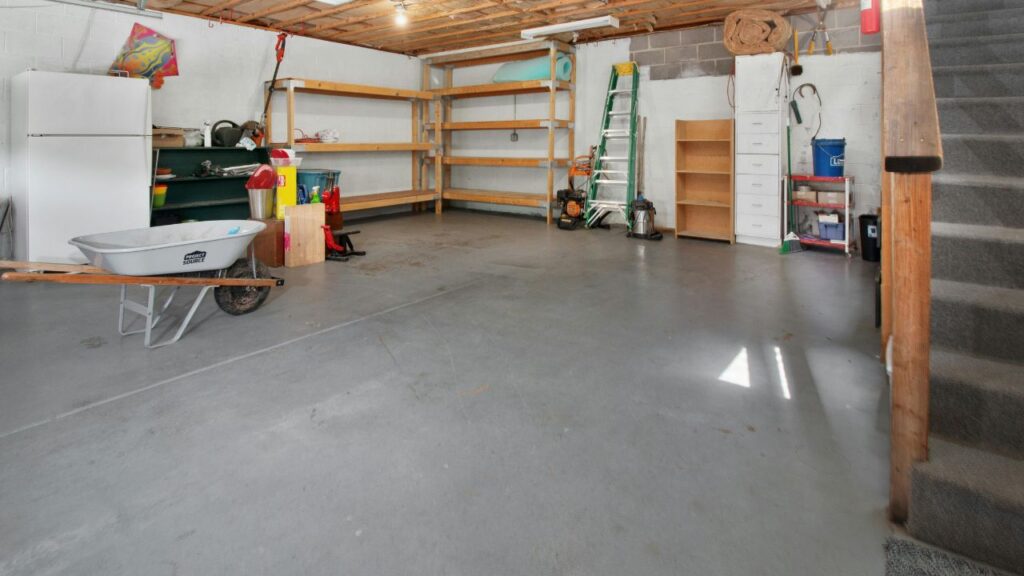
Transforming garages into living spaces or offices is a pandemic-era trend, but unpermitted conversions frequently bypass IBC 707 fire separation rules. Inspectors report seeing finished interiors without proper drywall, ceiling fire ratings, or door assemblies, which significantly increase the risk of fire spread. Many homeowners underestimate the impact of removing fire barriers, thinking insulation and flooring are sufficient for comfort.
Properly permitted garage conversions include 1-hour fire-rated walls and ceilings, ensuring the space meets building safety standards. Inspections verify electrical systems, ventilation, and load-bearing supports, reducing both fire and insurance risks. Legal conversions also prevent moisture issues, structural compromises, and liability concerns, making compliance crucial for safe, functional living spaces that truly add value.
5. Backyard Fences Over Height Limits
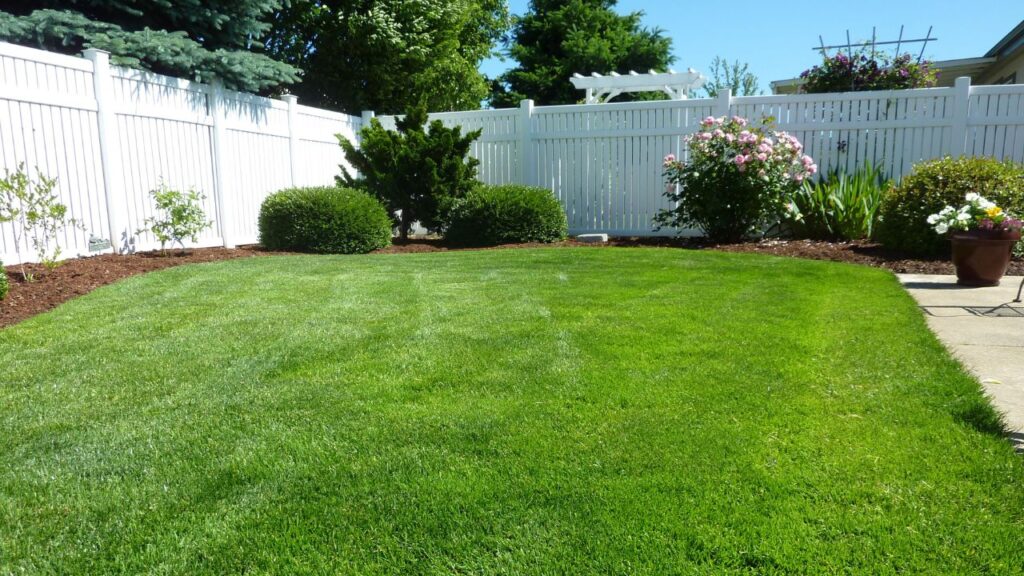
Homeowners often install tall fences for privacy or pet containment without realizing they may violate zoning codes. Inspectors regularly find fences exceeding 6-foot maximums, creating legal conflicts and safety hazards. Overheight fences can obstruct visibility for neighbors and emergency responders, while also violating HOA rules. Many owners underestimate the enforcement of fence regulations, assuming personal property rights override municipal codes.
Correctly permitted fences comply with height restrictions and setback requirements. Proper construction ensures durability and safety while maintaining neighborhood harmony. Inspectors recommend self-latching gates, especially for pool-adjacent properties, to reduce accidents and meet legal obligations. Adhering to code protects homeowners from fines, disputes, and potential liability issues.
6. Electrical Upgrades Without Proper Permits

Upgrading electrical panels, adding outlets, or installing smart devices without permits is a frequent violation. Inspectors warn that DIY electrical work can create shocks, fire hazards, and code infractions. GFCI placement, correct breaker sizing, and wire routing are often ignored, leaving the system unsafe. Homeowners attempting shortcuts often underestimate the complexity of electrical compliance.
All electrical work must meet NEC 210.8 and related wiring standards. Permits ensure inspections verify circuit integrity, grounding, and safety devices, preventing fires and insurance problems. Legal electrical upgrades not only protect residents but also maintain resale value. Seasonal hazards, such as winter heater surges or holiday lighting, further highlight the need for proper installation and inspection.
7. Pools Without Proper Safety Barriers
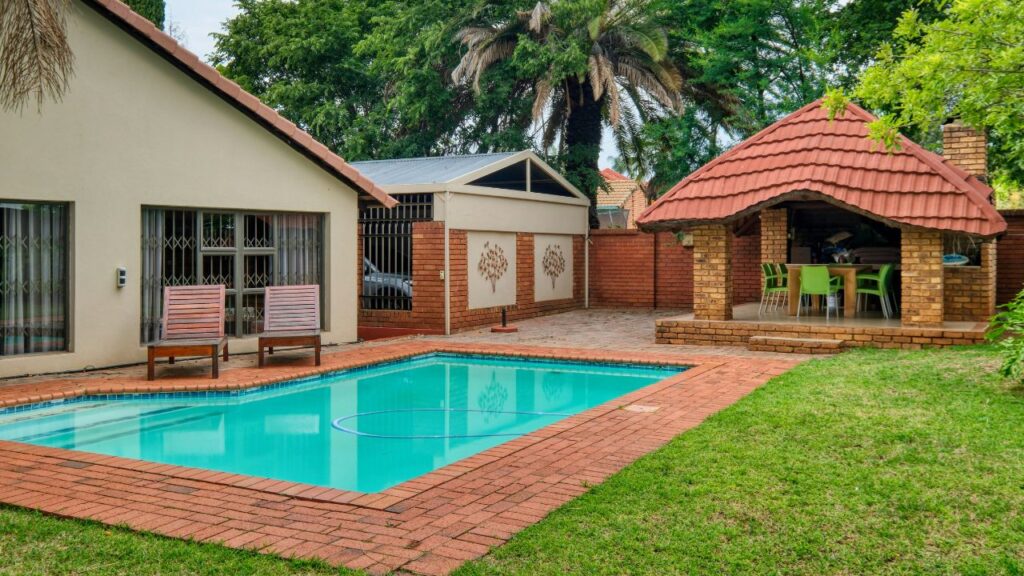
Installing pools without 48-inch self-latching fences is a common legal violation. Inspectors consistently find homes with backyard pools that lack adequate barriers, posing drowning risks, especially for children. Homeowners may assume supervision alone is enough, but code compliance is mandatory and non-negotiable for safety.
Permitted fencing ensures both safety and legality. Correct installation protects guests, prevents accidents, and complies with IRC A108 standards. Inspections also verify gate hardware, spacing, and structural durability, transforming backyard pools into safe, code-compliant recreational features. Seasonal weather, such as slippery winter decks near pools, further underscores the risks of noncompliance.
8. Roof Modifications Without Load Compliance
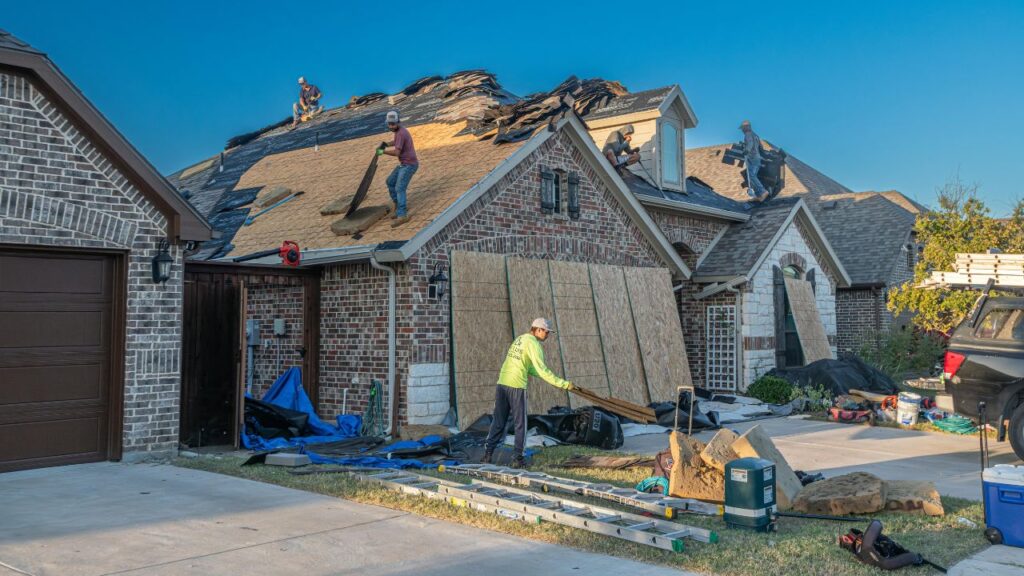
Homeowners often add dormers or re-roof without checking snow load and structural ratings, particularly in regions with winter snow accumulation. Inspectors frequently note under-rated structures that risk collapse or leaks. Unpermitted roofing modifications can also void insurance and reduce resale value if structural compliance is not met.
All roof upgrades must meet local snow load requirements, typically 15 pounds per square foot minimum in snowy regions. Proper permitting ensures rafters, joists, and sheathing meet engineering specifications. Inspections confirm safe load distribution, ventilation, and waterproofing, preventing costly repairs or hazards during winter storms.
9. Attic Floor Reinforcement Ignored
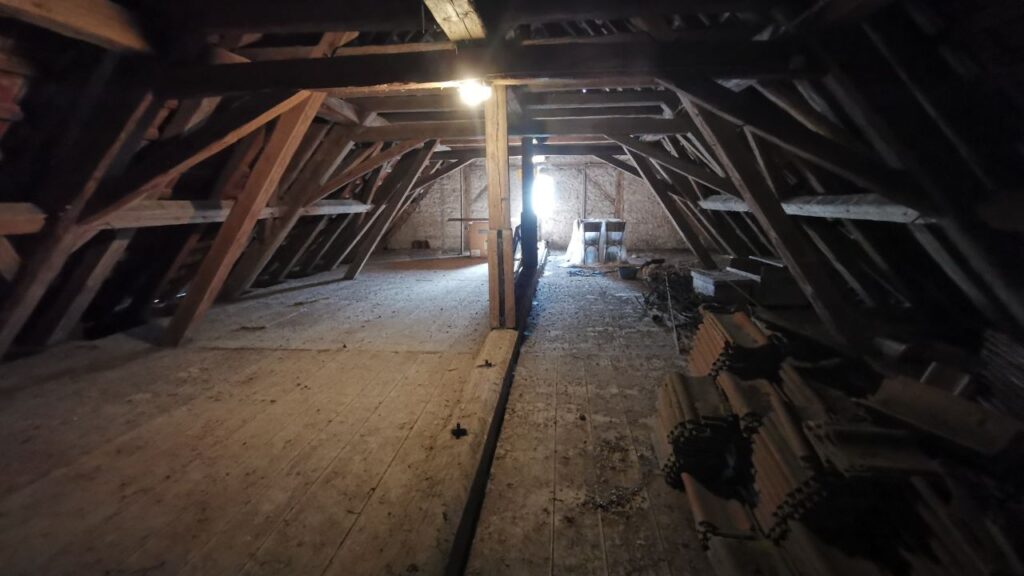
Converting storage attics into offices or bedrooms without reinforcing floors is a recurring violation. Inspectors report that DIY reinforcements often fail to meet load standards, creating a risk of collapse. Homeowners assume that adding plywood or temporary supports is enough, but 20 psf floor reinforcement is typically required for habitable spaces.
Proper reinforcement ensures that attic floors safely support furniture, electronics, and daily activities. Permits also verify joist size, spacing, and load-bearing connections. Legal compliance reduces structural risk, prevents insurance claims, and ensures occupants’ safety, while creating a truly functional living area that adds legitimate property value.
10. Backyard Fire Pits Without Clearance
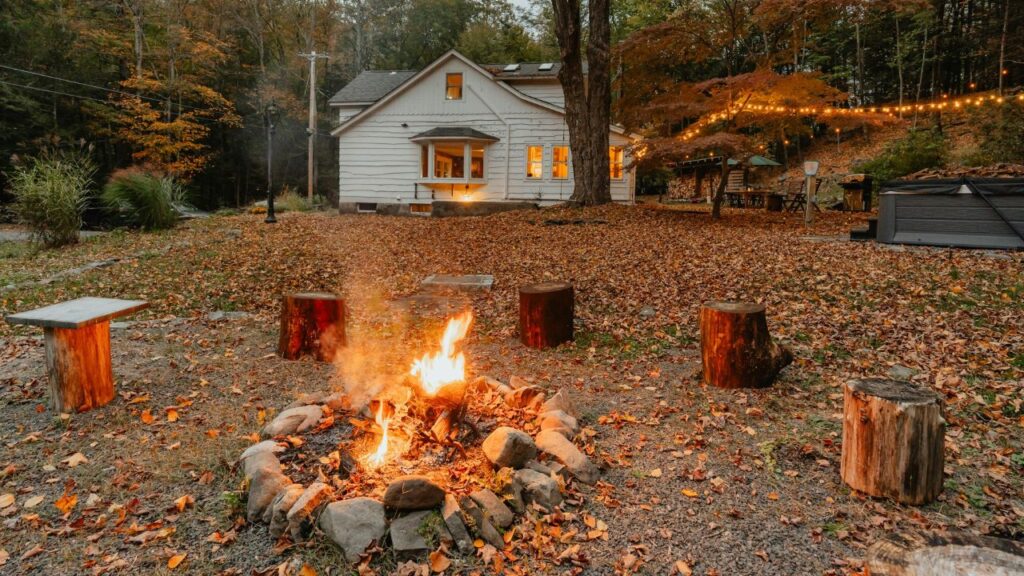
Fire pits are increasingly popular, but installers frequently ignore required clearance from structures and flammable materials. Inspectors report seeing pits placed too close to fences, decks, or overhanging trees, violating NFPA 54 standards. Many homeowners underestimate the danger of radiant heat and flying embers, which can spark fires or property damage.
Permits require a 10-foot minimum clearance, ensuring fire safety for occupants and neighbors. Legal installations also account for fuel type, ventilation, and seasonal hazards like dry winter months or high winds. Compliance transforms a backyard feature from a potential hazard into a safe, enjoyable entertainment space.