9 “Midcentury” Copies That Chip and Look Tacky in a Year
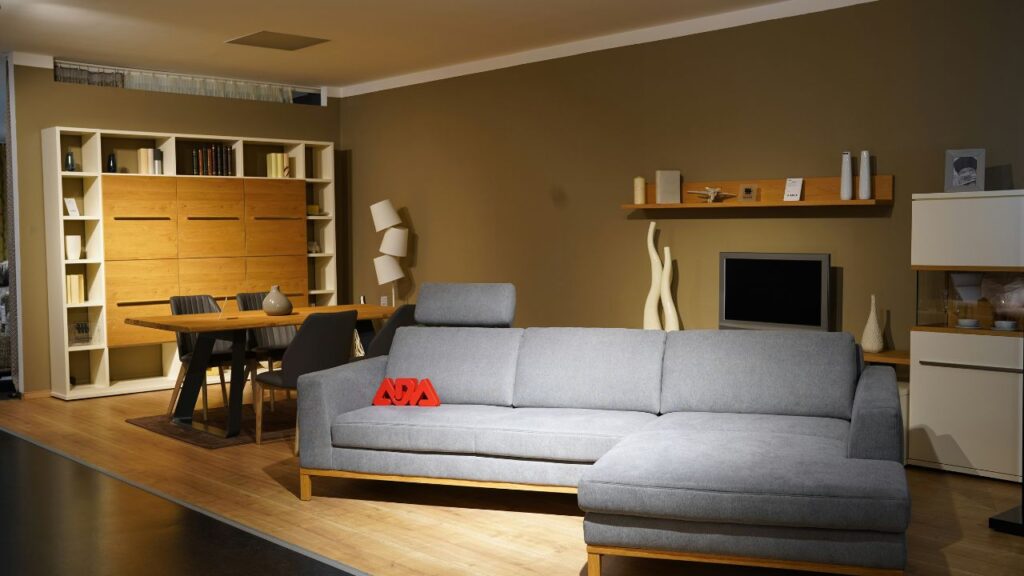
Midcentury modern furniture is built on proportion, material honesty, and patience in construction. The problem is not the style. It is the shortcuts taken when mass-market copies try to imitate it quickly and cheaply. Furniture restorers and interior designers frequently note that authentic midcentury pieces age with character, while poorly made replicas often show damage within months. Veneers chip, finishes flake, and joints loosen once daily life sets in. These copies may photograph well on day one, but they struggle with real use, temperature changes, and normal wear. Understanding which midcentury-inspired pieces fail early helps buyers avoid furniture that looks tired long before it should.
1. Thin-Veneer Media Consoles
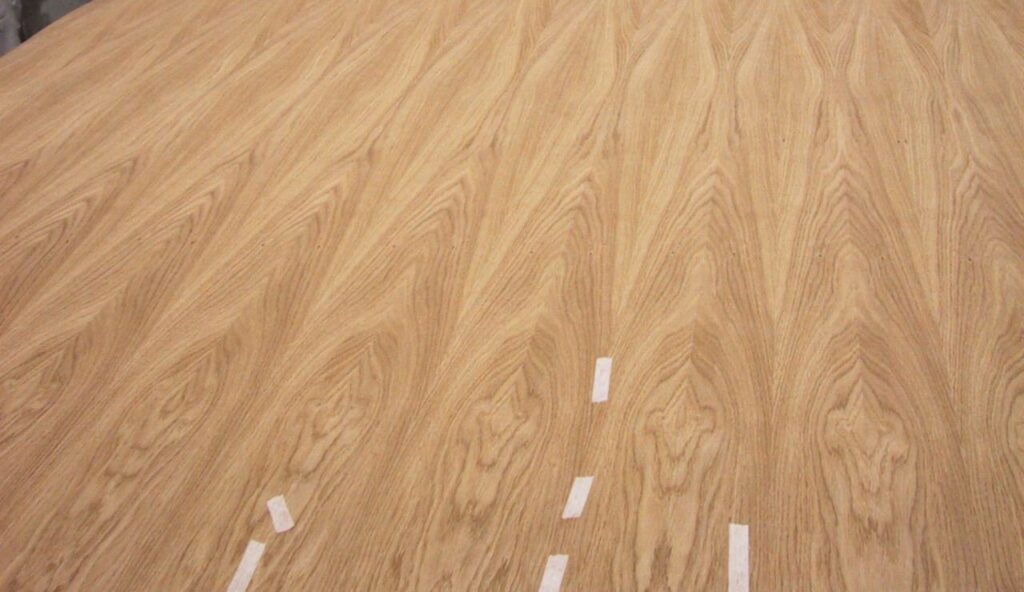
Many midcentury-style media consoles rely on ultra-thin wood veneer applied over composite cores. At first glance, the grain looks convincing, especially under showroom lighting. The problem emerges once heat from electronics, sunlight, or minor bumps enter the picture. Veneer edges begin to lift, corners chip easily, and repairs are nearly impossible without full panel replacement.
Furniture repair specialists explain that authentic midcentury pieces used thicker veneers and solid wood framing to absorb stress. Modern copies skip that step to reduce cost and weight. Once the veneer breaks, the illusion collapses quickly. The console goes from stylish to damaged, even if the rest of the room is carefully designed.
2. Faux Walnut Coffee Tables

Walnut became a cornerstone of midcentury interiors because it balanced visual warmth with real durability. Many modern copies replace true walnut with printed laminates or thin stains applied over softwood or composite cores. At first glance, the color and grain read correctly, especially under showroom lighting. Daily use exposes the weakness quickly. Coffee cups leave heat rings that cannot be removed, remotes scrape through surface layers, and even light impacts cause chips that reveal pale material underneath.
Designers note that laminate surfaces fail abruptly rather than wearing gradually. Authentic walnut develops patina through small scratches and tone shifts, while faux finishes jump straight from new to damaged. Once the top layer breaks, there is no subtle aging, only obvious wear. Within a year, these tables often look mismatched against the rest of the room, undermining the very warmth they were meant to provide.
3. Tapered-Leg Dining Chairs with Stapled Joints
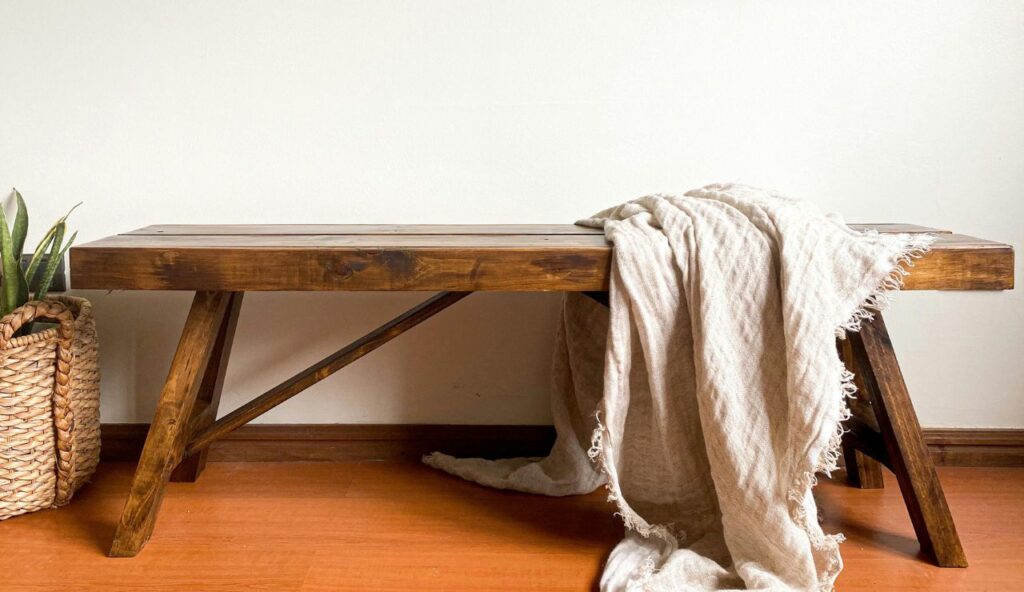
Tapered legs are iconic to midcentury dining chairs, but the visual cue means little without proper structure behind it. Many replicas attach legs using staples or minimal adhesive rather than traditional mortise-and-tenon joinery. The chair may feel solid when first assembled, but repeated movement, shifting weight, and floor friction expose the weakness quickly.
Seating specialists explain that chairs endure constant lateral stress, far more than most furniture. Stapled joints loosen gradually, leading to wobble, creaking, and subtle misalignment that worsens with time. Once movement begins, no amount of tightening restores integrity because the internal connection has already failed. What starts as a design-forward seating choice becomes unreliable and uncomfortable, turning a dining set into something guests hesitate to trust.
4. Low-Cost Sideboards with Painted Finishes
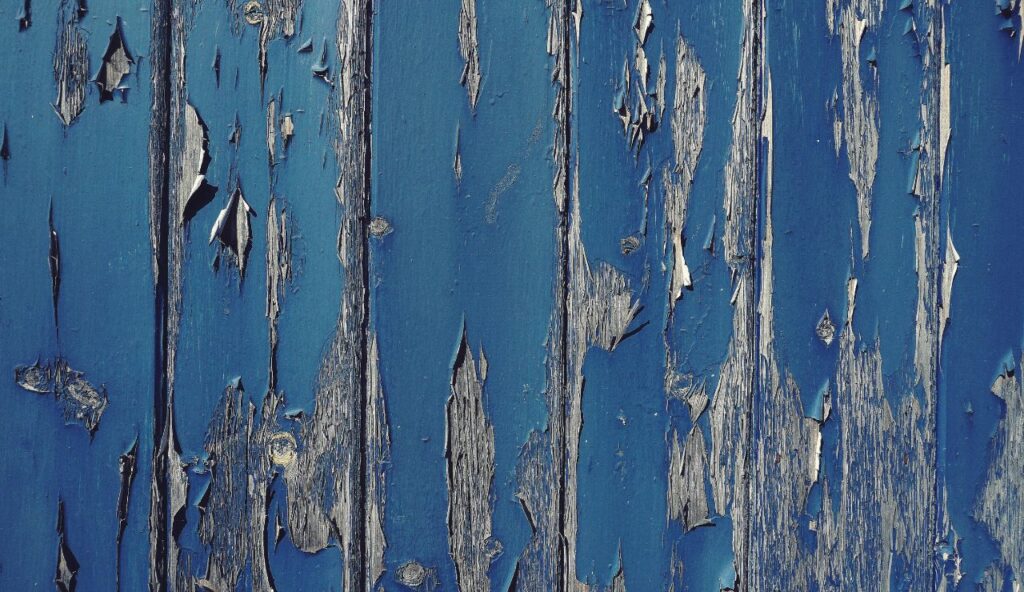
Painted finishes are often used on midcentury-style sideboards to simulate craftsmanship without the expense of proper wood finishing. While the color can feel fresh initially, thin paint layers struggle in real kitchens and dining areas. Edges around doors, corners, and handles chip quickly, especially where hands make frequent contact. Once paint breaks, MDF or particleboard beneath becomes visible, making damage difficult to ignore.
Furniture restorers point out that original midcentury pieces relied on oil or lacquer finishes that bonded into wood fibers. Paint sits on top and fails under friction. Chips cannot be blended naturally, so wear looks accidental rather than earned. In busy homes, these sideboards often appear prematurely distressed, clashing with otherwise intentional spaces and drawing attention for the wrong reasons.
5. Flat-Pack Nightstands with Imitation Grain
Midcentury nightstands appear simple, which makes them frequent targets for flat-pack construction shortcuts. Imitation grain wraps are applied to lightweight panels that react poorly to humidity and daily handling. Corners peel, edges swell, and surfaces bubble after minor moisture exposure. Drawer runners made from thin metal or plastic lose alignment quickly, causing sticking or uneven gaps.
Furniture makers explain that bedside tables endure constant micro-movements from drawers opening, lamps shifting, and phones being set down repeatedly. Solid materials absorb that stress. Cheap composites do not. Instead of developing subtle wear, these nightstands degrade visibly and unevenly. The result is furniture that looks tired far sooner than expected, disrupting the calm, balanced feeling midcentury design is meant to create.
6. Pressboard Dressers with Skinny Hardware
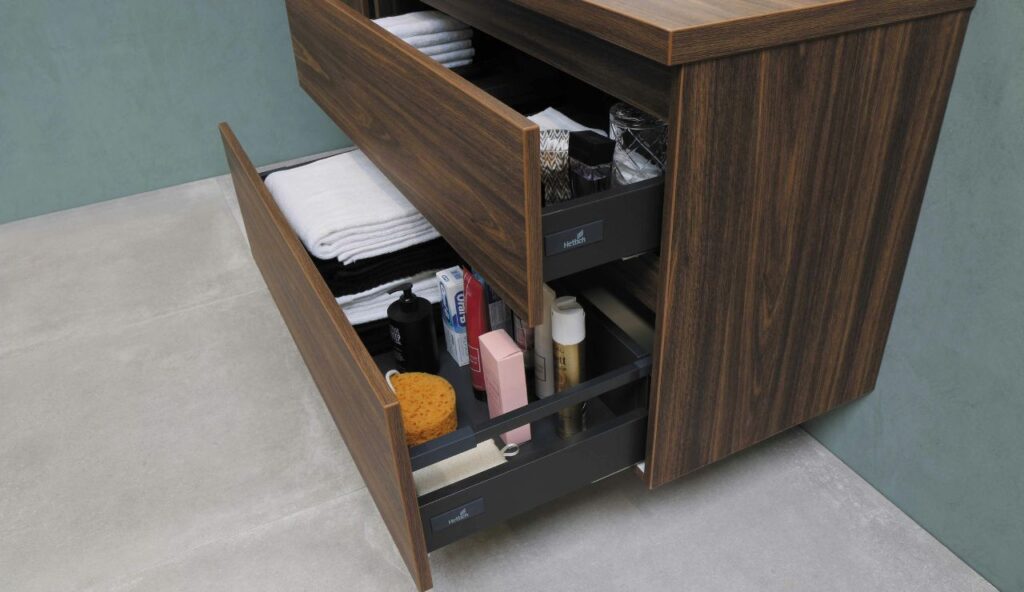
Midcentury dressers often feature slim, understated pulls that feel elegant and light. The problem with many modern replicas is not the hardware itself, but what it is anchored into. Pressboard and low-density composites are frequently used beneath the surface veneer, offering little resistance to repeated pulling. Drawers are opened daily, often multiple times, and that constant stress slowly fractures the material around the screws.
Closet designers note that once the hardware begins to loosen, the failure accelerates quickly. Screws no longer bite securely, handle tilt, and drawers start to feel unreliable. Attempts to retighten rarely last because the internal structure has already degraded. Instead of clean lines and quiet function, the dresser feels unstable and cheap. The visual style may remain intact, but the tactile experience gives the piece away within a year.
7. Faux Leather Lounge Chairs

Midcentury lounge chairs rely as much on material integrity as silhouette. Many replicas replace full-grain leather with bonded or synthetic alternatives that photograph well but perform poorly in real use. Body heat, natural oils, and friction from daily sitting begin breaking down the surface coating surprisingly fast. What starts as slight stiffness quickly turns into surface cracking.
Upholstery professionals consistently point out that faux leather does not soften with age. It deteriorates. Once the outer layer fails, peeling spreads unevenly across seat cushions and arms. Repairs are rarely convincing, and replacement upholstery often costs more than the chair itself. Within a year, the piece shifts from iconic to visibly worn, undermining the sense of permanence that midcentury lounge seating is meant to convey.
8. Veneered Bookcases with Unsupported Spans

Open shelving is central to midcentury bookcase design, but replicas often miscalculate structure in favor of appearance. Thin shelves wrapped in veneer are stretched across wide spans without internal reinforcement. Once loaded with books, weight concentrates at the center, causing gradual bowing that becomes noticeable within months.
Carpenters explain that authentic midcentury designs accounted for load distribution through solid wood cores or discreet supports. Copies frequently skip these elements to reduce cost. As shelves bend, veneer begins to crack or separate along stress lines. The damage is permanent and visually disruptive. Instead of feeling airy and curated, the bookcase starts to look strained and cluttered, making the entire room feel less intentional.
9. Replica Credenzas with Spray-On Finishes

Many midcentury credenzas rely on fast spray-on finishes to keep production efficient. These coatings create a uniform look initially, but they lack depth and durability. Everyday cleaning, indirect sunlight, and even light dusting wear the surface unevenly. High-contact areas around doors and edges lose sheen first, creating patchy contrast.
Finish specialists note that original midcentury pieces used layered finishes that cured slowly and bonded into the wood. Spray-on coatings sit on the surface and break down instead of aging gracefully. Once wear begins, it cannot be blended or repaired discreetly. Within a year, the credenza often looks dull and inconsistent, signaling shortcut construction rather than timeless design.