8 Diner Bottomless Coffee That’s Mostly Refill Scams
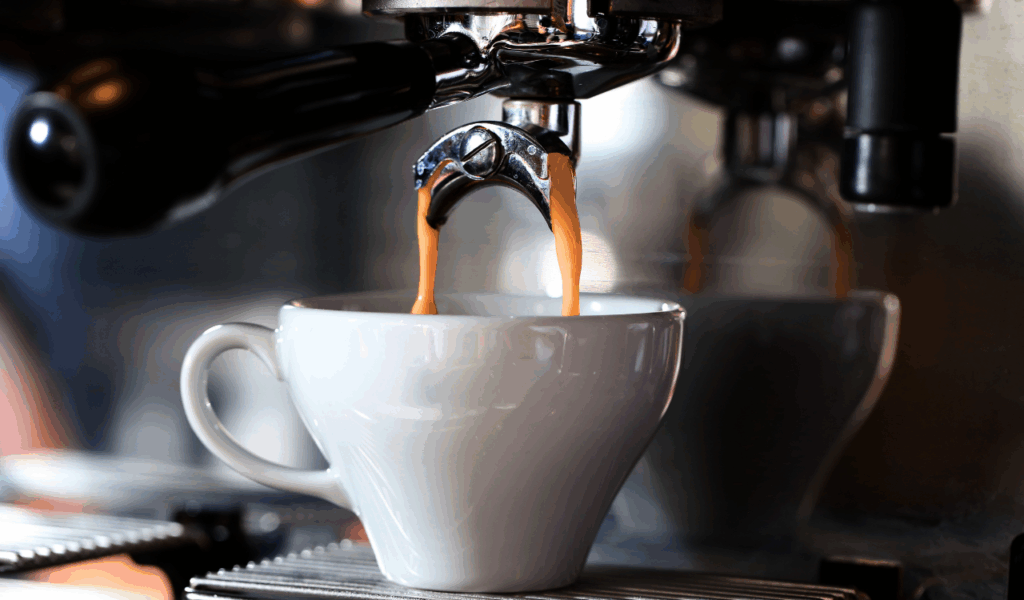
The bottomless coffee cup is a key part of the standard American diner experience. It promises an endless supply of caffeine for a single flat payment. But many who work in the sector and experienced chefs say that this “endless” benefit is typically a carefully planned business strategy that aims to increase profit margins while decreasing real product use.
Restaurant consultants say that the coffee bean itself is so cheap that the true cost is the labor and the time people spend sitting down. When a restaurant offers unlimited refills, they are generally trying to get customers to eat food with a high profit margin by playing a psychological game with them. Restaurant menu designers realize that the word “bottomless” makes people think they are getting a great deal, which makes them want to stay longer.
But experienced servers say that the coffee often gets worse as the day goes on, which is what many people term the “refill scam.” Diners have found ways to make sure that the “infinite” coffee doesn’t cost them a dime in potential profit, whether it’s by strategically ignoring it or watering it down. If you know how to read these small moves, you can tell if that five-dollar cup is a good deal or just a clever way to keep you in your seat.
1. The Tactical Slow-Walk Refill
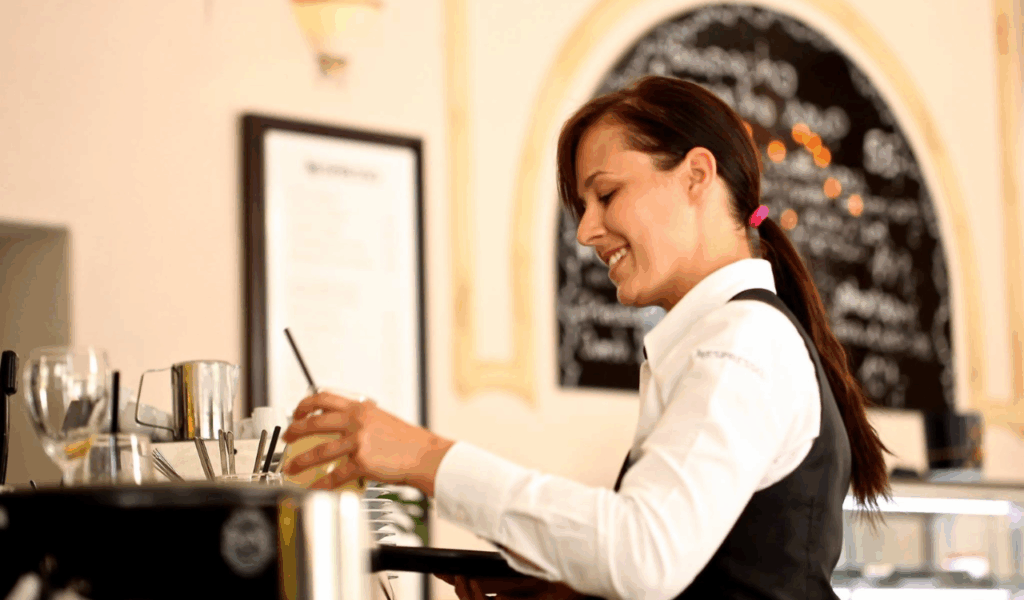
The “tactical slow-walk” is one of the most prevalent ways that people who eat out restrict their coffee intake. According to specialists in restaurant management, servers are sometimes quietly told to put food delivery and check-outs ahead of coffee refills during busy times. This makes sure that the consumer, even though they are technically allowed to have more coffee, finishes their meal and leaves before they can actually drink more than two cups. Designers of busy diner processes typically put the coffee carafes in places that are a little hard for the personnel to get to when things become busy.
Experts say this isn’t necessarily about being lazy; it’s a planned strategy to get more people to sit at the table. If you have to wait ten minutes for a refill, you’re more likely to pay your bill and leave the seat for the next paying client. Professional chefs say that a table that is taken up by a “coffee-only” customer for two hours is a loss for the business. The diner can essentially end the “bottomless” promise by slowing down the rate of refills without ever having to say no to a request for more.
2. The Dilution and “Stretch” Technique
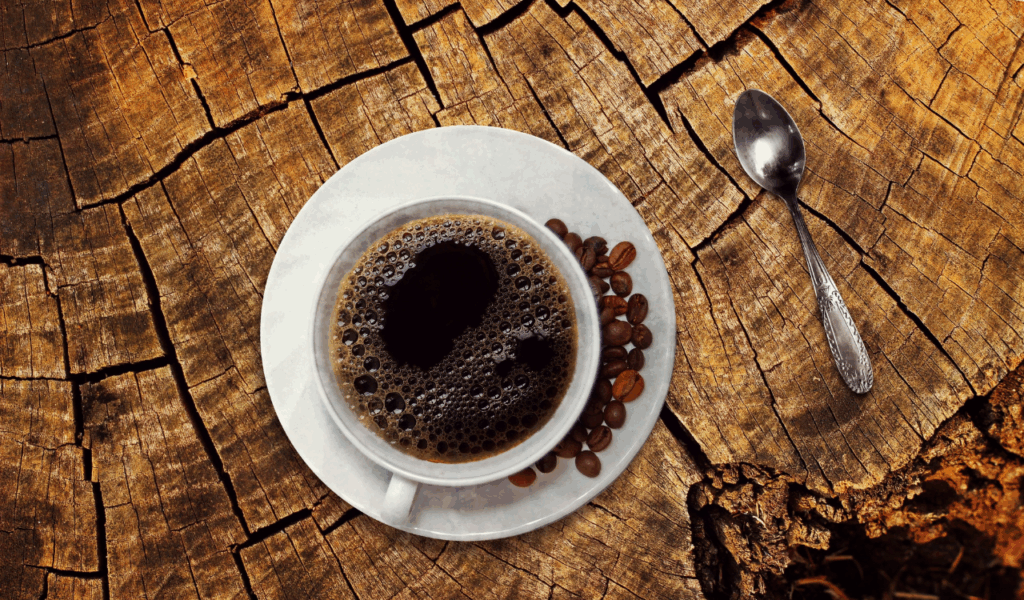
During the busiest times for breakfast, some customers may “stretch” the coffee supply. According to experienced baristas, this means adding a lot of hot water to the pots that are already there or using less coffee grinds to make more water throughout the brewing process. Experts argue that this makes a “brown water” effect that looks like coffee but doesn’t have the caffeine or flavor of a fresh brew.
This lets the diner give additional refills for a small fee, which is already modest for the beans.
Designers of drink programs say that most customers won’t mind poor coffee during a crowded lunch because they’re too busy eating and talking.
This dilution, on the other hand, is a common refill trick that costs the restaurant pennies each cup but makes the product much worse. If you can see the bottom of the mug through the coffee, professional chefs say you might be a victim of the stretch technique, which is meant to keep the diner’s bottom line.
3. The “Cold-Pot” Discouragement
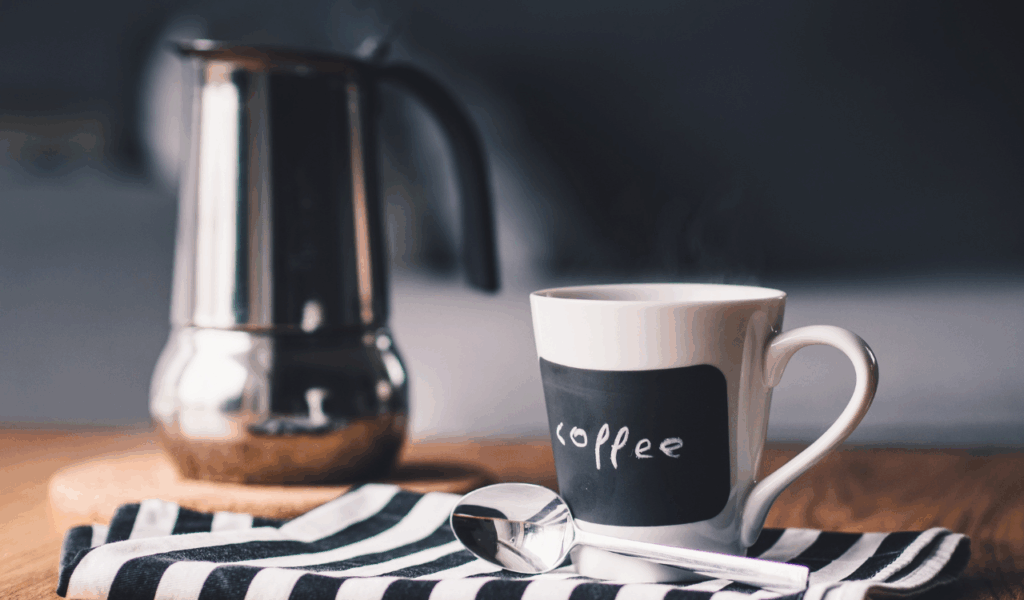
A lukewarm refill is one of the most disappointing things there is, and sometimes that reduction in temperature is on purpose. Experts in restaurant equipment say that keeping coffee hot all the time takes a lot of energy and makes it taste bad and sour. Some restaurants may let a pot sit off the stove once it reaches a specific level. This is because customers are far less likely to ask for a second or third cup if the coffee is lukewarm. It is a subtle method to stop people from eating without seeming to refuse to serve them.
Experts suggest that the “cold-pot” method works best in the late morning, when breakfast is ending and lunch is beginning. Designers of kitchen layouts typically include extra burners in places where there is a lot of air flow to speed up the cooling process. The “endless” charm quickly fades if the coffee isn’t steaming hot, and the customer is more inclined to ask for the check or go for a beverage. This way, the diner doesn’t have to waste time making a new pot of coffee for just one customer.
4. The Tiny Cup Illusion

The way the restaurant cup is made is a big part of the endless coffee deception. Interior designers who work in hospitality say that many diners utilize hefty ceramic mugs with thick walls that make them look much bigger than they really are. These mugs are often small inside and can only hold six or seven ounces of liquid.
Experts explain that every time the cup is filled up, the brain gets a “refill” that makes it feel good, no matter how much coffee was actually drunk. The diner makes the server interact with them more often by utilizing smaller vessels. This gives the waitress more chances to check on the food or recommend dessert.
Professional organizers say that these compact cups take up less space on the table, which means more plates and possible sales. But the fact that the customer is “topping off” their coffee a lot often hides the fact that they are drinking less coffee overall than they would from a regular twelve-ounce mug. It’s a smart design approach that makes the “bottomless” experience feel more generous than it really is.
5. The Bitterness Burn-Off
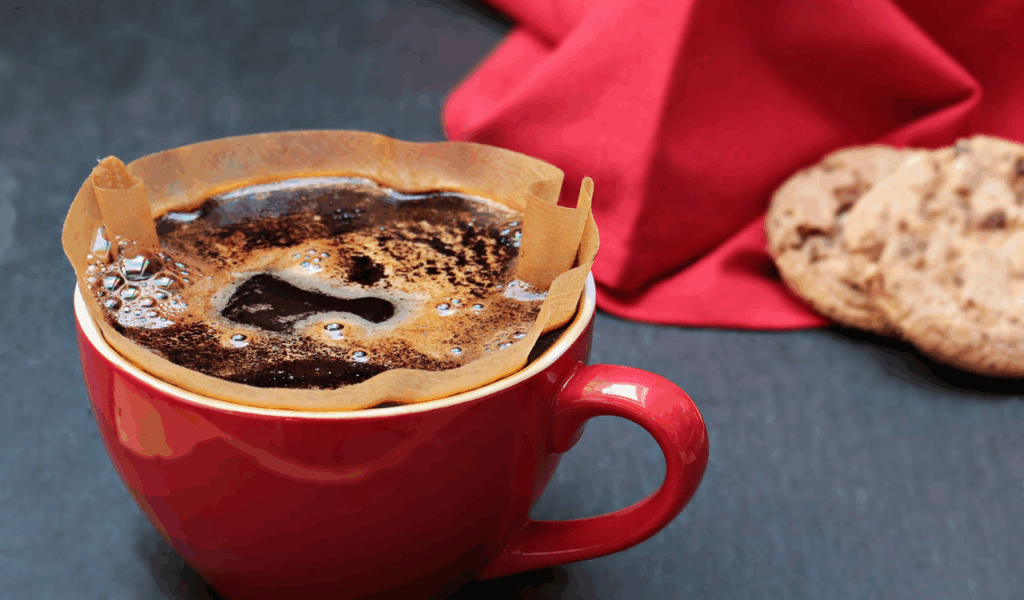
If coffee stays on a heat plate for too long, the water evaporates and the acids build up, making the coffee taste very bitter. Food scientists say that a lot of people leave the last quarter of a pot on the fire to “cook” until it is almost undrinkable. If a server offers you a refill from this “burnt” pot, you probably won’t drink it all. Experts think this is a passive-aggressive way to trick someone into getting a refill that stops the cycle for that consumer.
Quality control experts say that these heat plates shouldn’t be used in high-volume coffee systems, yet they are nonetheless very common in traditional diners for this reason. Some customers think that “strong” coffee has a burnt taste, but for most people, it means the dinner is over. If the coffee smells like burnt dirt, professional cooks say it’s time to stop refilling it. The diner gains by making sure you don’t remain long enough to ask for a new pot of coffee and by saving money on fresh beans.
6. The “Hidden” Refill Charge
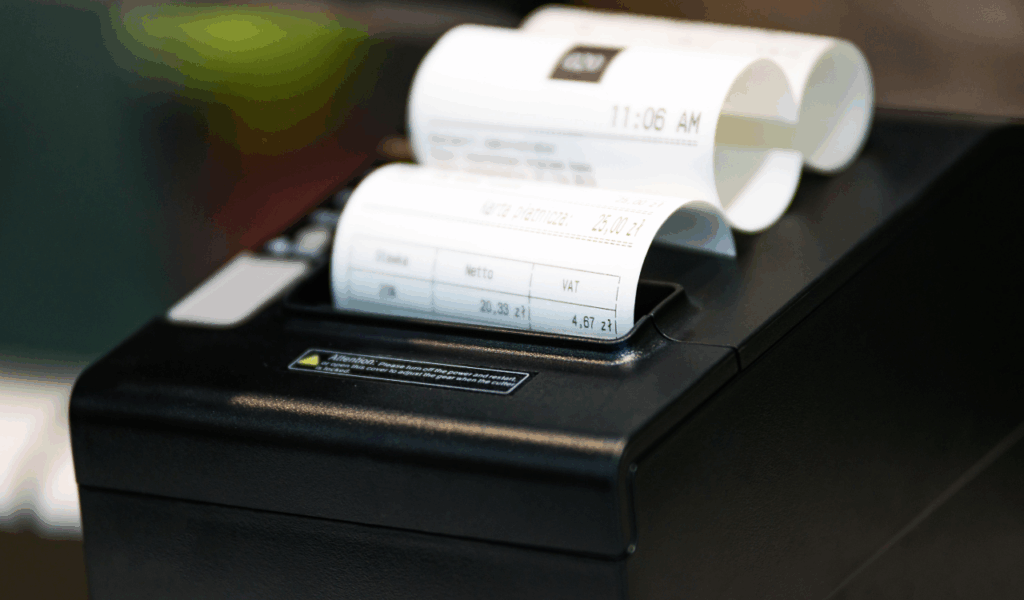
The menu might read “bottomless,” but the fine print or the final bill might suggest something else. Consumer advocates say that some restaurants have started adding “service fees” or “convenience charges” that only show up if a customer asks for more than a specific number of refills. Experts claim this is a dishonest way to trick the most devoted coffee drinkers.
Professional real estate agents who work with restaurant operators say that when costs go up, these hidden fees are becoming a more typical technique to make up for the promise of unlimited food. Point-of-sale system designers may easily add these triggers to the software, so the server doesn’t even have to say anything about the extra cost.
On your receipt, you might see a “large beverage” charge or a “extended stay” price that wasn’t plainly listed on the menu. This makes your bottomless coffee work like a tiered pricing system. To avoid this scam, experts say you should ask directly if there are any limits or extra expenses for refills before you get your third or fourth cup.
8. The Afternoon Decaf Switch
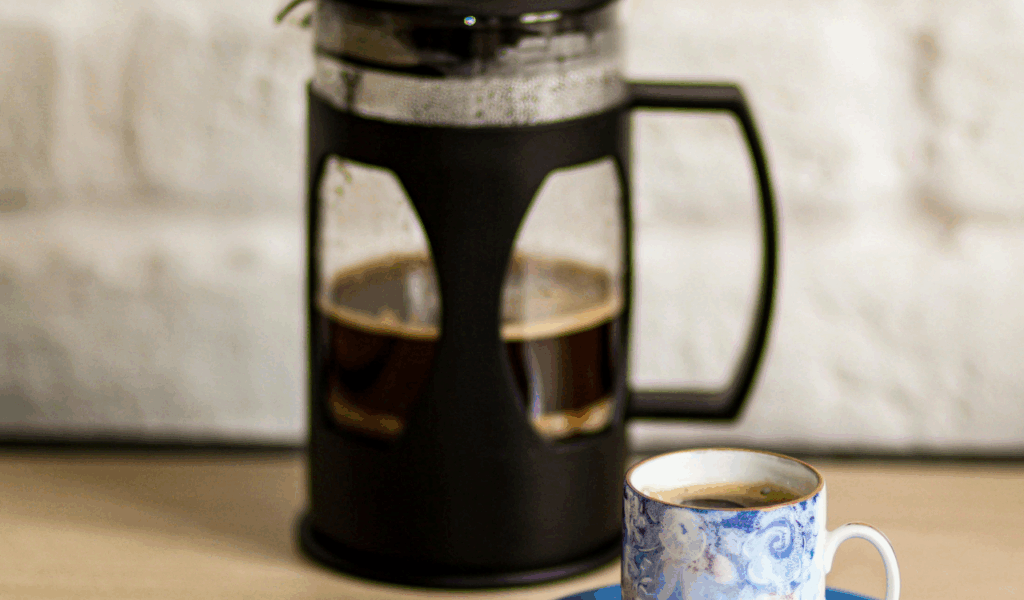
One really subtle refill scam is when someone “accidentally” switches to decaf in the afternoon. As the day comes to an end, restaurant insiders say that diners may quit making ordinary coffee completely to avoid wasting it. When a customer requests for a refill of regular coffee, they get decaf coffee from the orange-rimmed pot instead. Experts suggest that most consumers won’t realize the lack of caffeine until they are back at work or home because the taste is comparable when the coffee is thoroughly creamed or sugared.
Coffee station designers utilize color-coded pots to stop this from happening, but in a busy café, the rules are often broken. When demand is low, this switch prevents the restaurant from having to make two kinds of coffee. Professional cooks say this is a breach of trust, especially for individuals who need that afternoon boost. If you see the server pouring from a pot with an orange handle or if the coffee looks too smooth and doesn’t have a “bite,” you might be getting a decaf refill you didn’t ask for.
9. The “Last Pot of the Day” Wall
As the diner gets closer to closing time, the “bottomless” promise typically encounters an imaginary wall. Veteran restaurant workers said that staff are often told to stop making new coffee up to an hour before the doors close. This implies that if you come in late for a meal, your “bottomless” coffee is only what is left in the airpot from three o’clock.
Experts suggest that servers will often state that the machine is “broken” or being cleaned to avoid making a last brew for just one consumer. When making end-of-shift checklists, designers put cleaning and getting ready for the next day ahead of the needs of the last customer.
This is a refill scam because you are still paying the full price for the bottomless option, but you can’t literally get the service. Professional organizers say that restaurants should provide a lower price for coffee in the late afternoon, but most of them stick to the regular pricing. If you love to eat late at night, you should know that the bottom of the “bottomless” cup is typically much closer than you think.