9 “Artisanal” Ice Cream Scoops That Melt Before You Eat Them

Artisanal ice cream sounds like an easy yes. Small batches, creative flavours, better ingredients, and that handcrafted feel people are happy to pay extra for. The expectation is a scoop that tastes richer, feels premium, and lasts long enough to actually enjoy, rather than racing the sun. It is marketed as slower, denser, and more thoughtful than mass-produced options, often positioned as worth the wait and the price.
What many people run into instead is a mess. These scoops often appear perfect in the case, then collapse seconds after hitting the cone. It is not bad luck. It is a mix of ingredient choices, serving temperatures, and design decisions that do not hold up once the scoop leaves the freezer and meets real-world heat, crowds, and summer sidewalks.
1. Ultra-Low Fat “Clean Label” Scoops
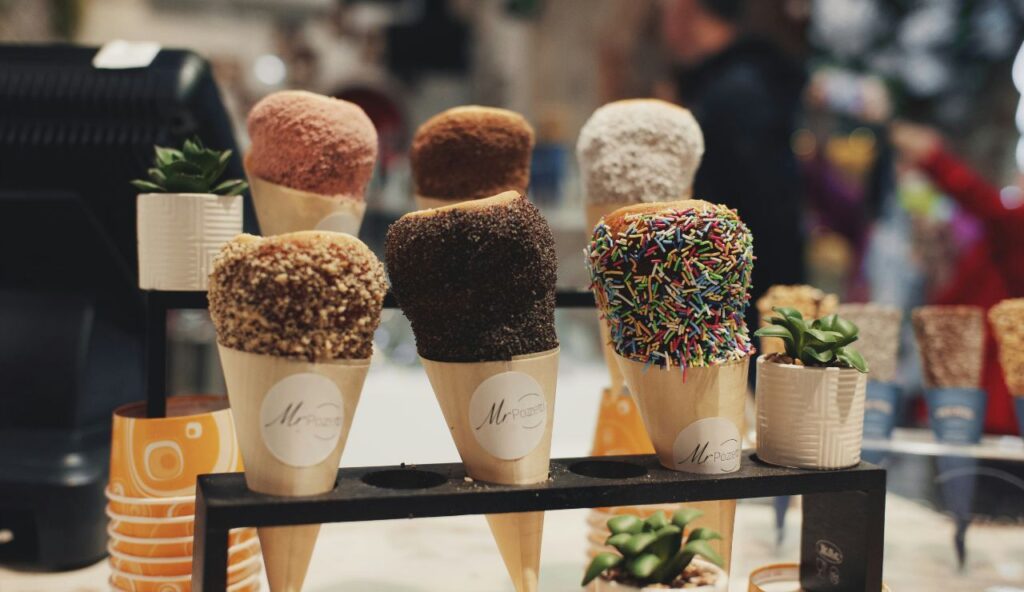
Shoppers choose these expecting a lighter dessert that still behaves like ice cream. Fewer stabilisers and less fat are marketed as cleaner and more natural, especially for people trying to eat healthier without giving up treats. The promise is balance: indulgence without heaviness, guilt, or an overly rich finish, paired with the belief that simpler ingredients automatically deliver a better eating experience in warm weather.
In real life, fat slows melting and provides structure. Remove it, and the scoop loses integrity almost immediately. Even standing in line too long or stepping into direct sunlight can cause a drip before the first bite reaches your mouth. Instead of savouring flavour, people end up hovering over napkins, racing gravity, and wondering why a healthier choice created more stress than satisfaction.
2. Fresh Churned Small-Batch Scoops

Fresh-churned ice cream sounds like peak quality. People assume ice cream made that day will be creamier, smoother, and more satisfying than something produced weeks earlier and stored in deep freezers. Freshness is often seen as a guarantee of better texture and aroma, and of a more handcrafted experience, which justifies longer lines and higher prices at speciality shops.
The catch is stabilisation. Newly churned ice cream has fragile ice crystals and air pockets that have not fully settled. Once exposed to warm air, it softens quickly and rarely survives a walk outside without sagging or dripping. What tastes incredible in the shop often becomes a melted puddle before you reach a seat, especially on busy afternoons.
3. Dairy-Free Nut Milk Scoops
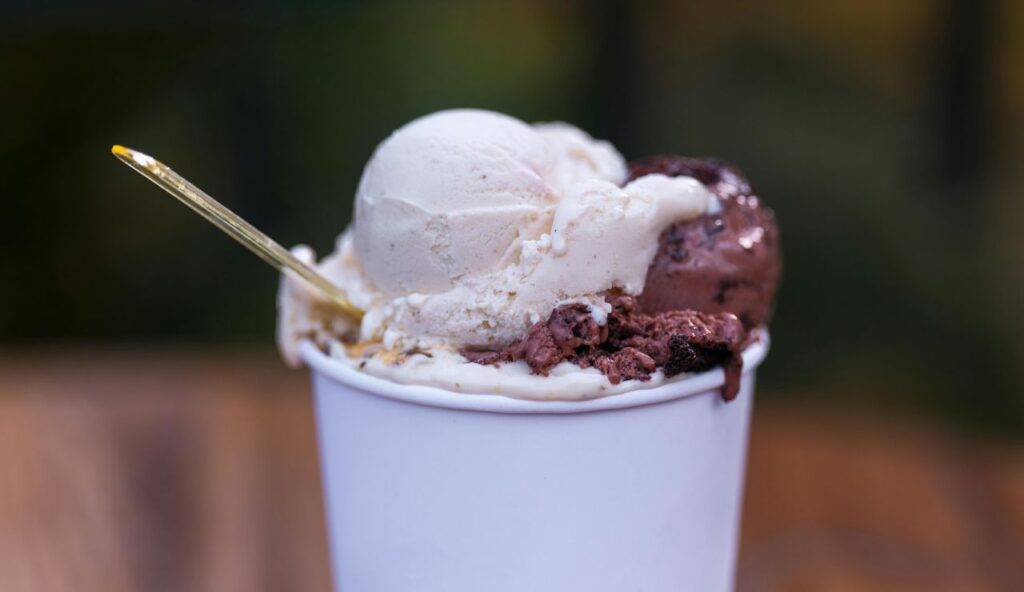
Nut milk scoops promise a dairy-free experience that still feels indulgent. Cashew, almond, and oat bases are sold as creamy alternatives that behave like traditional ice cream, appealing to vegans and lactose-intolerant customers seeking the same satisfaction without compromise. The marketing suggests familiarity with none of the downsides, especially during warm weather or busy service hours.
Most of them do not deliver that stability. Without enough fat or strong emulsifiers, these scoops soften almost instantly once served. Many scoopers move fast and quietly warn regulars because they know the window before melting is short. A slow checkout, warm air, or outdoor seating can turn the scoop into soup in minutes, even before you sit down.
4. Overloaded Flavour Swirl Scoops
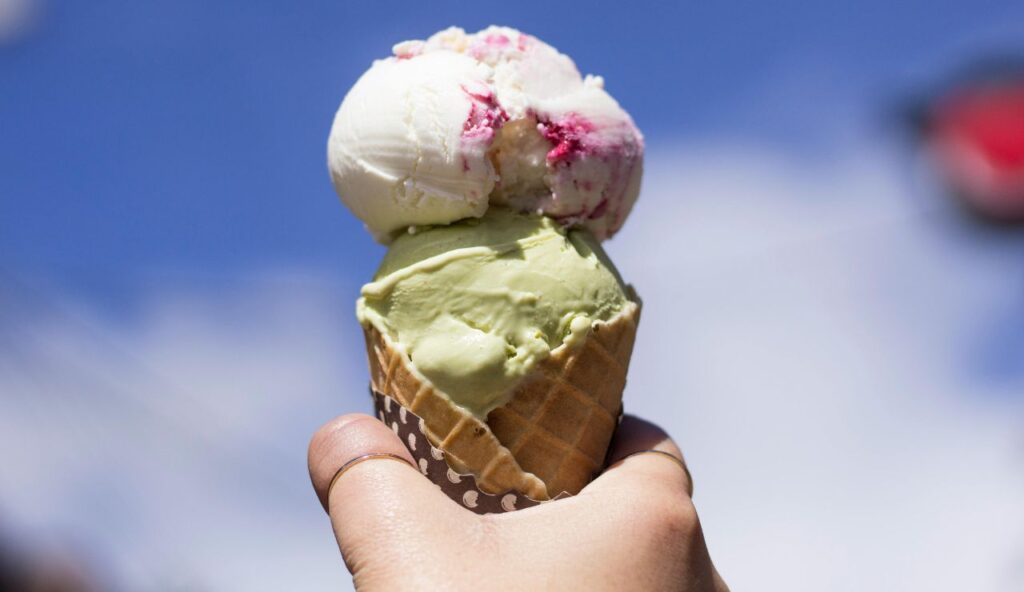
Heavy swirls look luxurious. Thick ribbons of caramel, fruit puree, or chocolate make the scoop feel handcrafted, generous, and visually impressive in the display case. They signal indulgence and complexity, encouraging customers to choose based on appearance and bold flavour combinations rather than practicality or melt resistance. These scoops are designed to catch the eye first, often prioritised for photos and impulse decisions rather than how they perform once served.
Those swirls warm faster than the base ice cream because they contain more sugar and less structure. As they soften, they destabilise the scoop from the inside, creating weak points that collapse quickly. The result is a sticky slide down the cone within minutes, especially when eaten outdoors, while walking, or on hot days when the mix-ins lose structure long before the ice cream itself does.
5. Alcohol-Infused Ice Cream Scoops
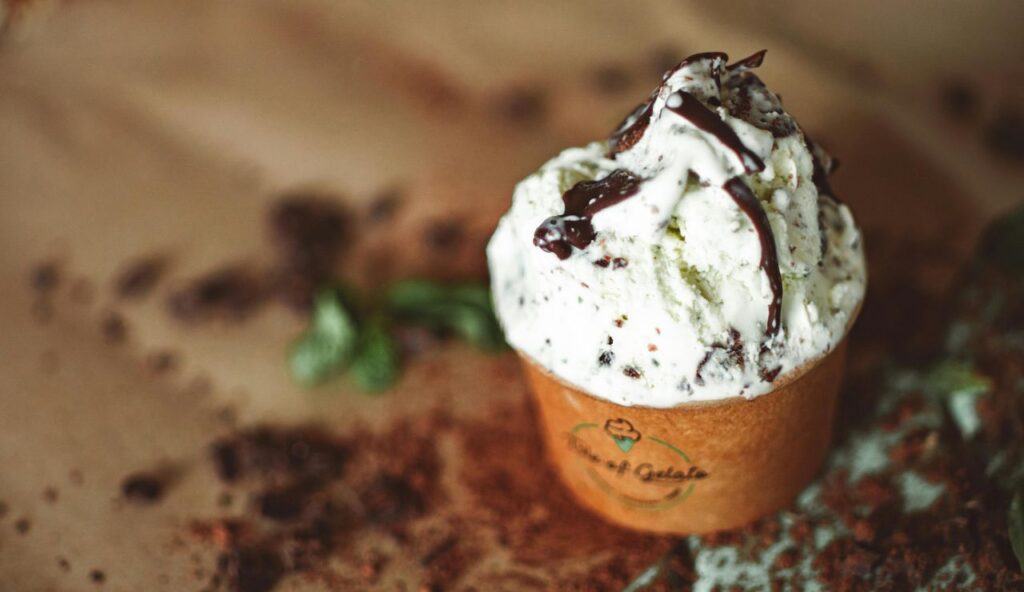
Boozy ice cream feels like a fun upgrade. Shoppers expect a rich dessert with a subtle kick that still behaves like a normal scoop, combining indulgence with novelty. These flavours often appeal to adults looking for something playful yet refined, especially in summer tourist areas, late-night dessert spots, and speciality shops that lean into experimental menus and seasonal buzz.
Alcohol lowers the freezing point of ice cream in a very real, unavoidable way. Even small amounts prevent the mixture from fully hardening, leaving the scoop softer from the start. Once served, it absorbs heat quickly and melts far faster than standard flavours. The practical result is a scoop that demands immediate attention, usually best eaten from a bowl indoors rather than carried outside.
6. High-End Gelato-Style Scoops
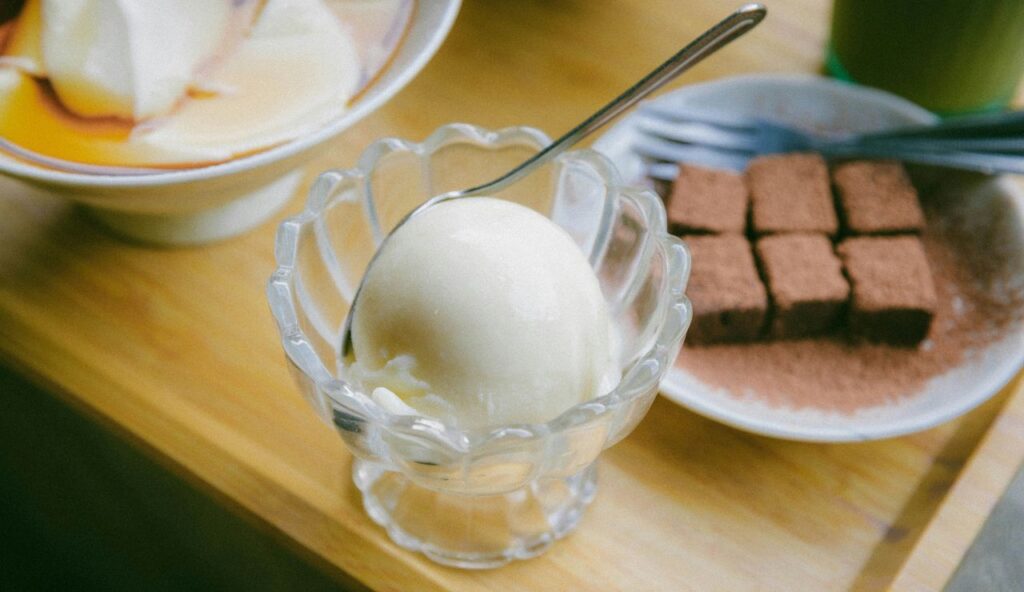
Gelato is often seen as denser, smoother, and more refined than traditional ice cream. People expect it to melt more slowly because it looks compact and silky in the display case, with intense flavours that suggest craftsmanship. Many assume the thicker texture will translate to better performance in warm conditions, especially when compared to airier supermarket ice cream.
In reality, gelato is intentionally stored and served at a warmer temperature to enhance flavour and mouthfeel. That choice makes it taste incredible, but also means it starts melting the moment it leaves the case. Outdoors, especially in heat or humidity, gelato can lose its structure quickly, turning glossy and soft before you are halfway through, particularly when served in a cone.
7. Vegan Coconut Oil Scoops
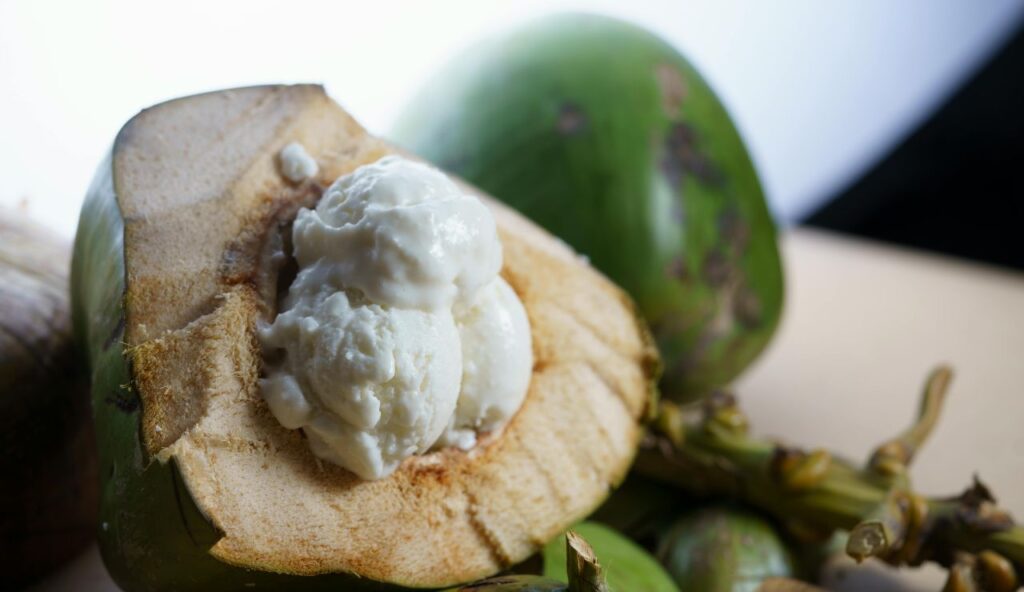
Coconut-based scoops promise richness and structure thanks to solid plant-based fats. Many buyers assume these will hold up better than nut milk versions, offering a creamier texture and slower melt while staying dairy-free. They are often marketed as the closest vegan alternative to traditional ice cream in both taste and performance, especially for cone-friendly serving.
Coconut oil behaves differently from dairy fat once exposed to warmth. It stays solid until it reaches a tipping point, then melts rapidly and completely. When that happens, the scoop collapses unevenly instead of softening gradually. This leaves very little time to enjoy it cleanly, particularly outdoors or when carried even a short distance.
8. Minimal-Stabiliser “Chef Driven” Scoops
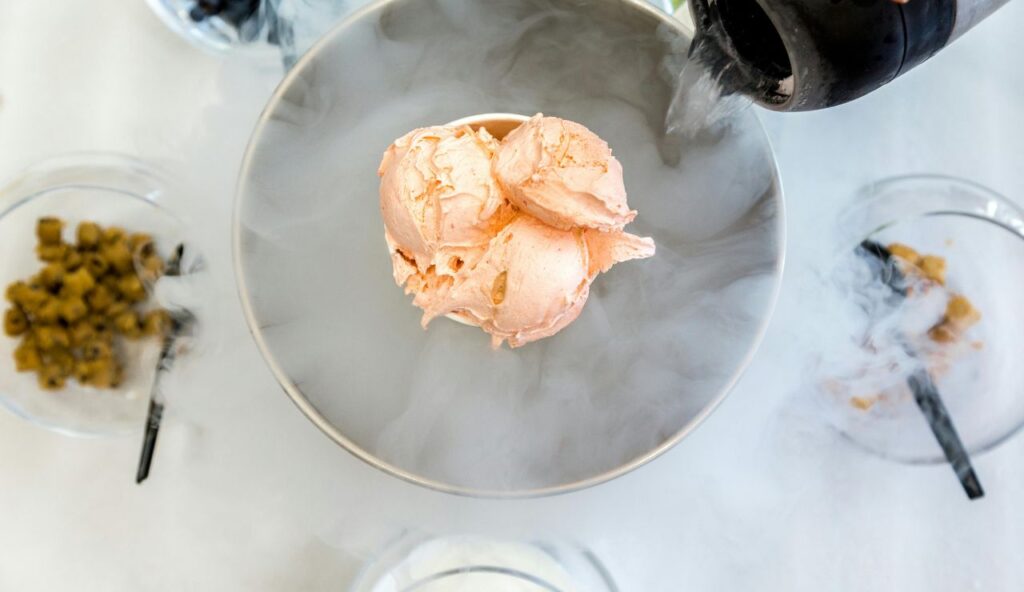
Some shops skip stabilisers to keep ingredients simple and transparent. The idea is a more natural texture and flavour without additives, appealing to customers who associate fewer ingredients with higher quality. These scoops are often framed as thoughtful, chef-driven creations meant to highlight purity rather than shelf life or durability.
Stabilisers play a crucial role in controlling the melt rate and structure. Without them, ice cream becomes far more sensitive to heat, air, and handling. These scoops soften rapidly, lose shape easily, and are unforgiving if not eaten immediately. What feels artisanal in theory often turns fragile and messy in practice, especially during busy service hours.
9. Oversized Showcase Scoops
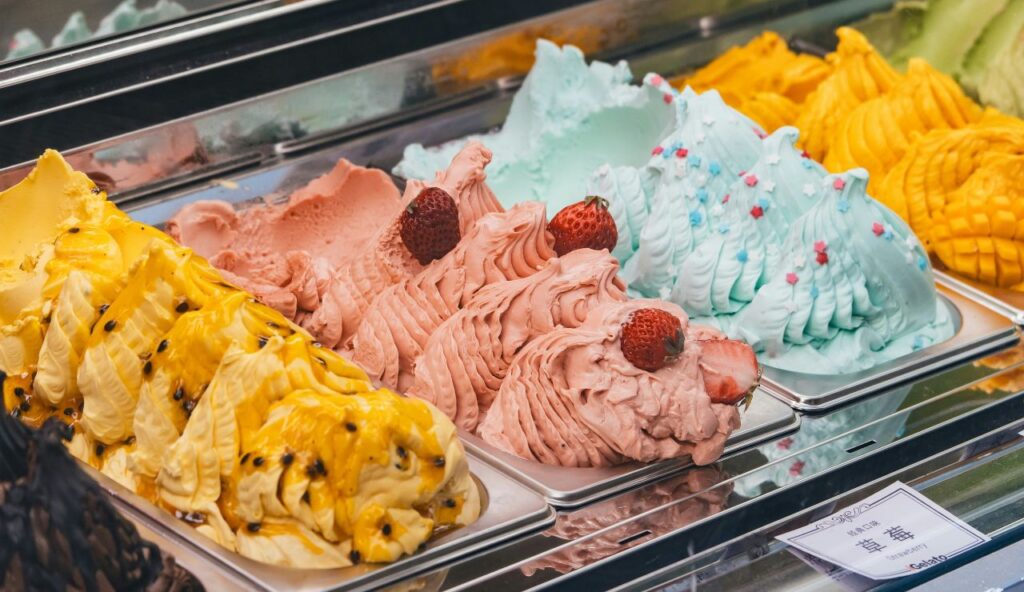
Big scoops look generous and feel like a better deal. Customers love the visual impact of a towering cone, especially when it feels like extra value for the price. Shops often rely on oversized portions to stand out, create social media moments, and reinforce the idea of abundance and indulgence. The presentation suggests you are getting more for your money, even if it comes at the cost of practicality.
Larger scoops expose significantly more surface area to heat from every direction. That exposure speeds up melting and dripping almost immediately. The size that looks impressive at first becomes a liability, with gravity and warmth working against the eater long before the scoop is finished. Instead of enjoying the flavour, people end up rotating the cone, chasing drips, and rushing through what should be a relaxed treat.