7 “Jute” Rugs That Stain From One Red Wine Spill
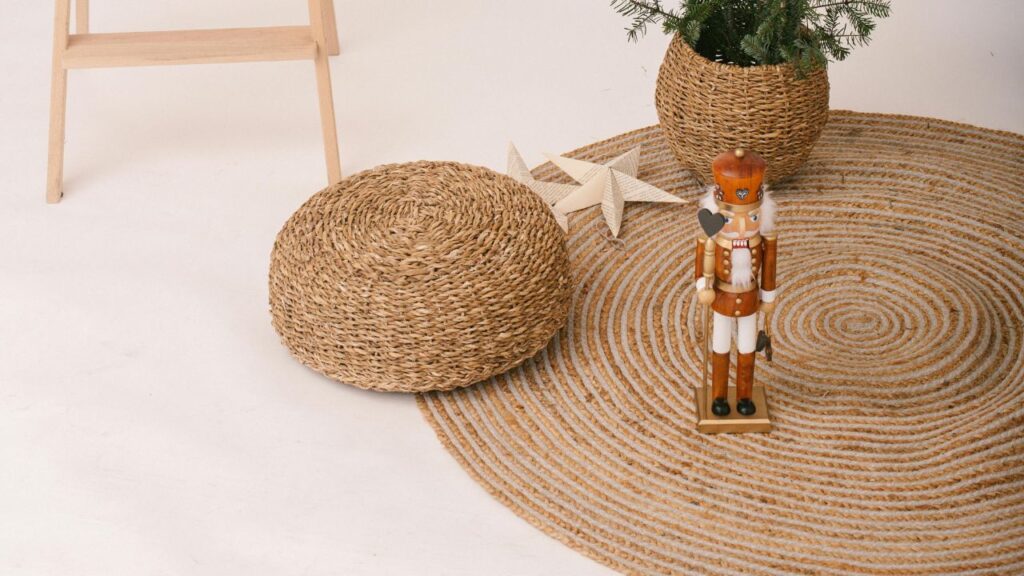
Jute rugs have exploded in popularity thanks to their raw, earthy vibe and sustainable reputation. They look breezy and natural, like something pulled from a California coastal rental or a Pinterest board. But looks can be deceiving, especially when that innocent dinner party turns into a cleanup disaster. Most buyers don’t realize that jute acts more like a sponge than a fabric. One splash of red wine, and you’re left with a permanent blotch that makes the entire room feel grubby.
These rugs often come with no warning label about how badly they handle real-life messes. While their texture and color might suggest rustic charm, their fibers trap moisture quickly, making stain removal nearly impossible. From braided runners to white-accented weaves, here are seven popular jute rugs that fall apart the minute you reach for the wine opener.
1. The “Coastal Natural” Jute by Big Box Decor
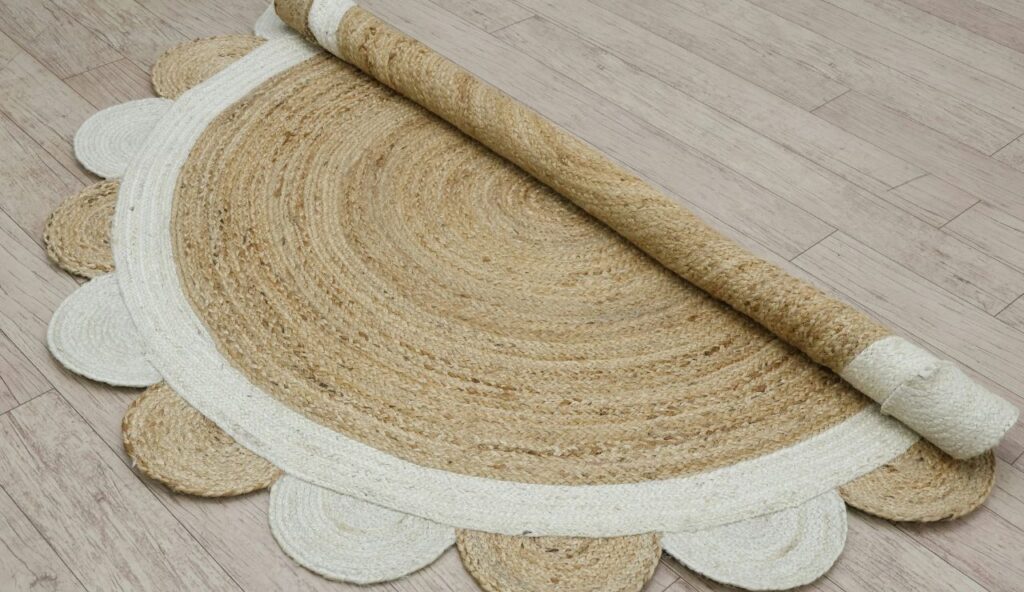
The “Coastal Natural” jute rug sells a clean, sandy look that feels straight out of a summer house photoshoot. It’s marketed as casual luxury, something you could plop down in your entryway or under the dining table. But the second the red wine hits, the fantasy ends. Jute’s raw fibers are not stain-resistant. Instead, they absorb liquid, darkening instantly and unevenly.
Even blotting right away doesn’t fix it. The wine seeps deep into the twisted braids, leaving a misshapen maroon halo that no cleaner can truly remove. People think it’ll behave like cotton or wool, but it doesn’t. Once it’s soaked, it’s over. You’ll either flip the rug or slide the furniture to hide the damage, and no, it won’t “fade over time.”
2. Rustic Farmhouse” Braided Jute Runner
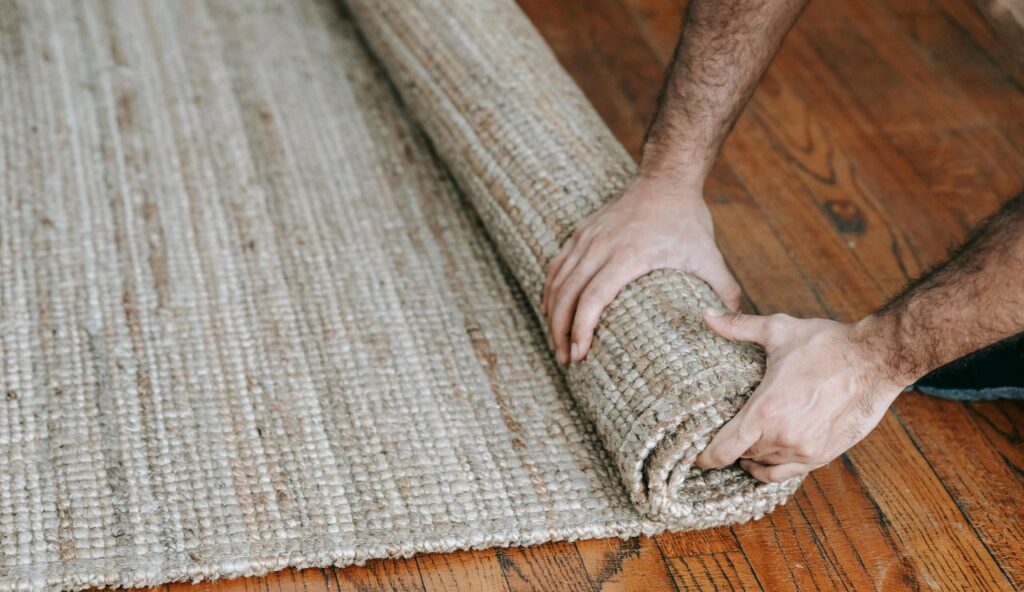
This one looks like it belongs in a curated fall Instagram post, styled with a wicker basket, weathered boots, and a hot PSL. The braided texture gives it a cozy, barn-style charm people love, and at first glance, it appears durable enough for everyday use. But it’s a total illusion. Spill red wine once, and the braids absorb it instantly, as if they’ve been waiting for disaster. Jute isn’t sealed and doesn’t offer a grace period before it stains.
The real pain starts when you try to clean it. The stain spreads like ink on paper, bleeding across the weave and growing in size every time you touch it. And because it’s usually placed in a narrow hallway or kitchen zone, you can’t disguise it with a coffee table. Most people either relocate it to a back room or pretend the dog had an accident. Either way, the farmhouse charm fades fast.
3. Boho Fringe Jute & Cotton Blend
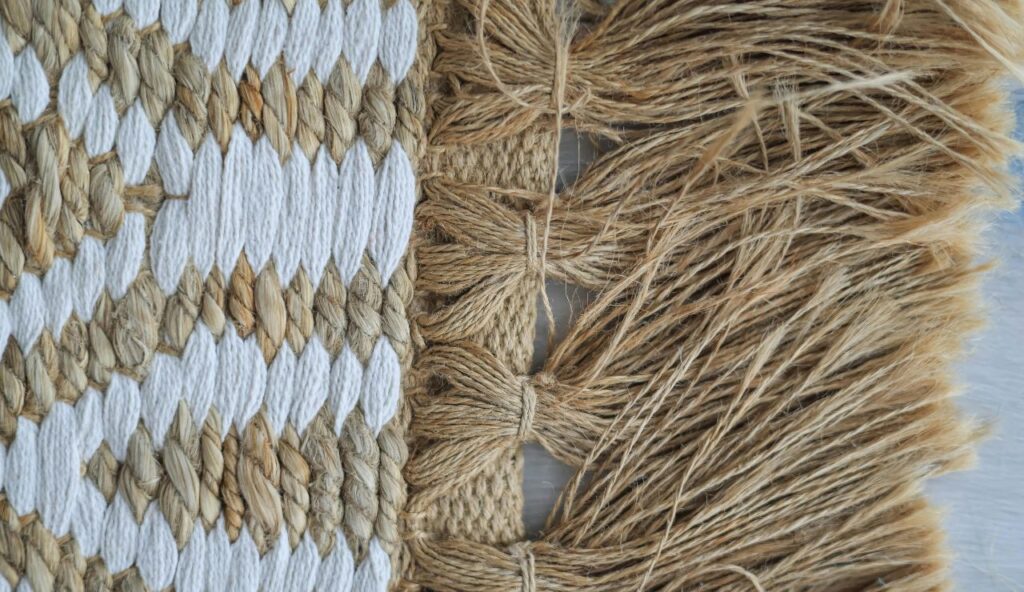
On paper, a jute and cotton blend sounds like the perfect marriage: texture from the jute, softness from the cotton, and supposedly better stain resistance. But in reality, this rug fails both visually and functionally the moment anything spills. Red wine hits the jute and instantly spreads to the cotton strands, creating a giant blotch that’s nearly impossible to hide. Since cotton absorbs more slowly, it holds the stain differently, creating uneven bleeding and a weird watercolor look no one asked for.
Buyers expect this rug to be easier to clean because of the cotton component, but that’s just marketing fluff. When you try to blot, the two fibers react differently, resulting in patchy tones and stiff, crusty sections. And no, you can’t throw it in a washer, it’s too big, too delicate, and too risky. Once it’s stained, it stays stained, and the fringe just highlights every imperfection.
4. The “Chunky Knit” Natural Jute
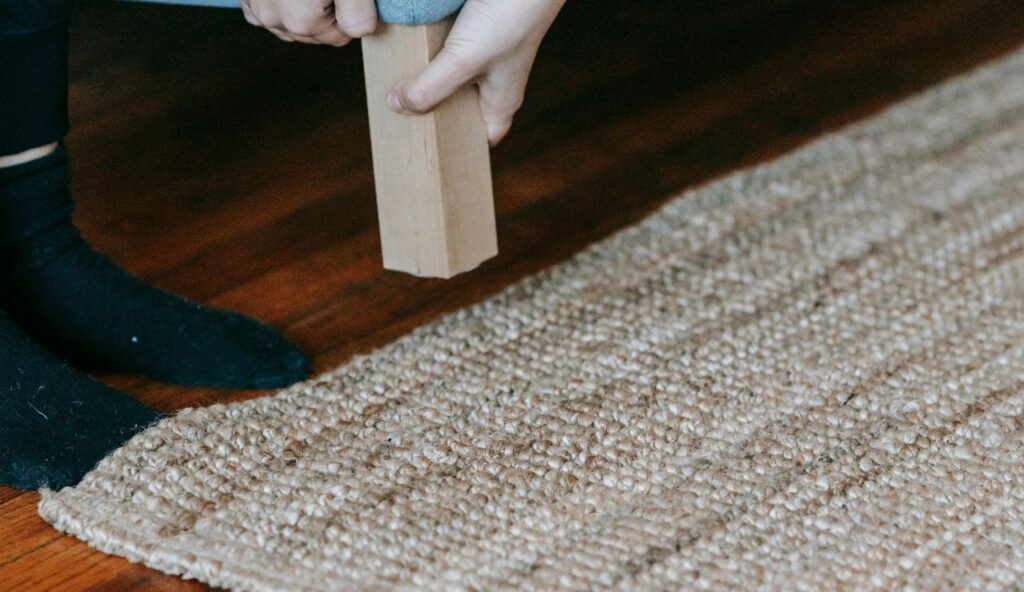
This rug has strong visual appeal thanks to its thick, handwoven braids and soft neutral tones. It conveys texture and warmth, tying together an open-concept living room with ease. People expect it to be tough because of the chunkiness, but that bulk is exactly what makes it a nightmare to clean. Red wine doesn’t sit on top; it tunnels straight through the loose, thick loops and vanishes before you’ve even processed what happened.
You can’t blot deep stains when they’re buried three layers below the surface. And because the braids are irregular in width, any scrubbing just frays them into fuzzy chaos. It’s not like other rugs where a stain blends into the pattern; this one highlights it. What started as a cozy, high-end aesthetic quickly becomes old, dingy, and unkempt. It doesn’t bounce back, and replacing it isn’t cheap either.
5. Desert Neutral” Flatweave Jute
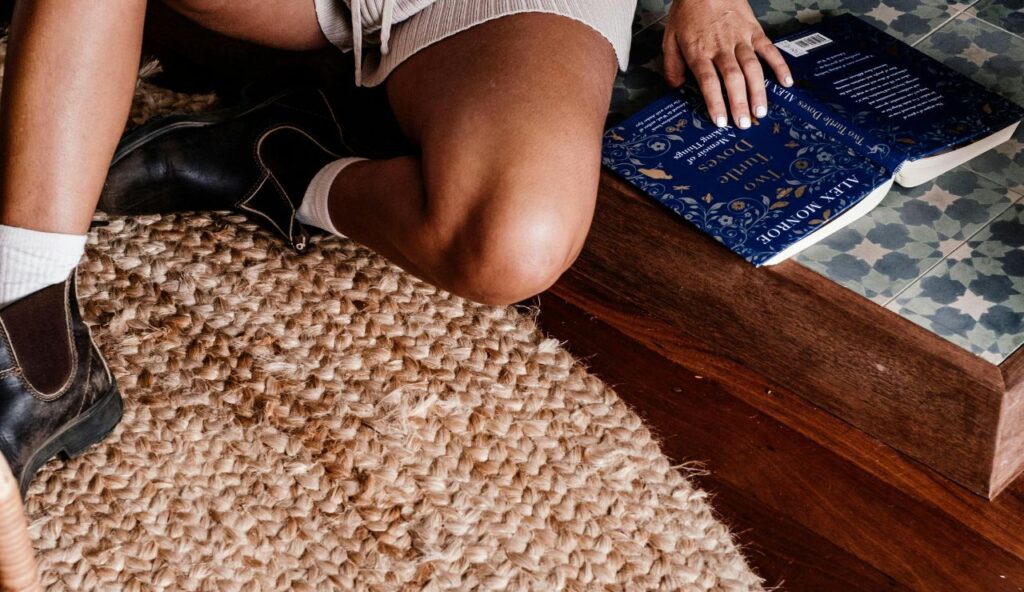
Flatweaves are often marketed as low-maintenance, especially for homes with kids or pets. No high pile means no crumbs, right? But when you introduce wine into the equation, that flat design works against you. Instead of spreading slowly, the spill spreads instantly sideways, like a drop of ink on a napkin. Suddenly, your minimalist beige rug is wearing a magenta bullseye right in the middle of the living room.
What makes it worse is the false confidence it gives. Many buyers believe a quick spot clean will save it. But with jute, the more you dab, the worse it gets. The fibers lock in the stain and react weirdly to moisture, often creating a permanent shadow ring even if you treat it right away. Since the rug isn’t double-sided and has no pattern to hide behind, the damage is always on display. It turns from neutral to nightmare in seconds.
6. Textured Diamond Jute with White Overlay
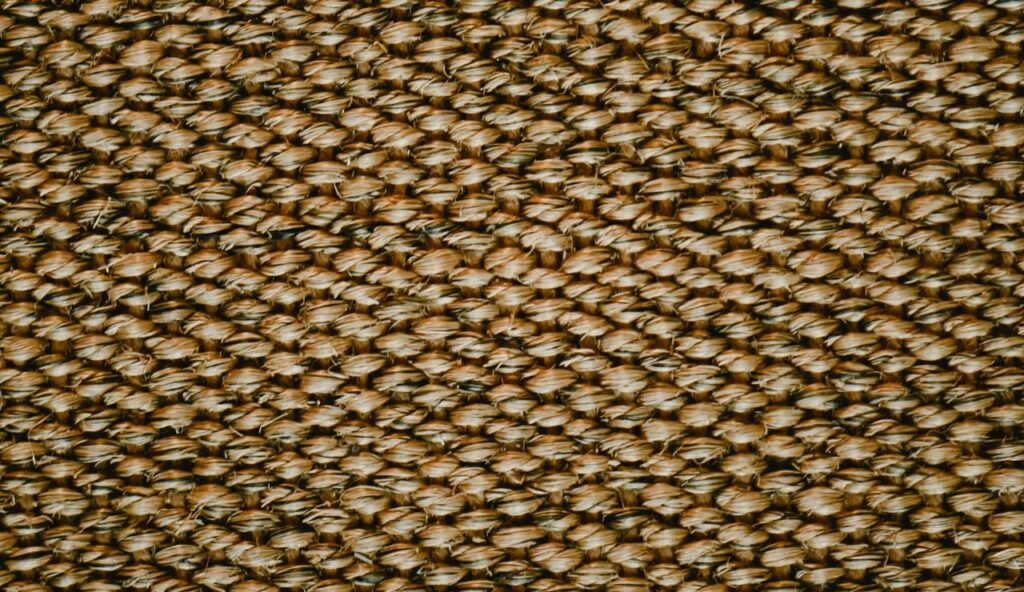
This rug is the ultimate bait for anyone who loves that clean, boho-meets-minimalist vibe. The white diamond overlay pops against the natural jute, giving it a Pinterest-perfect look that seems ideal for bright living rooms. But here’s the catch: the paint isn’t sealed. One glass of red wine doesn’t just stain the fiber; it reacts with the white paint, turning it a dull pink or sickly gray in weird, uneven patches.
Even if you catch the spill immediately, you’re stuck in a no-win situation. Scrub gently, and the paint rubs off. Dab too long and the moisture seeps beneath the pattern. What’s left looks like a faded Arts and Crafts fail, not a design feature. Because the white overlay was the rug’s main appeal, covering the stain defeats the purpose. At that stage, you’re just trying to salvage the aesthetic with damage control.
7. Hand-Knotted “Artisan” Jute Rug
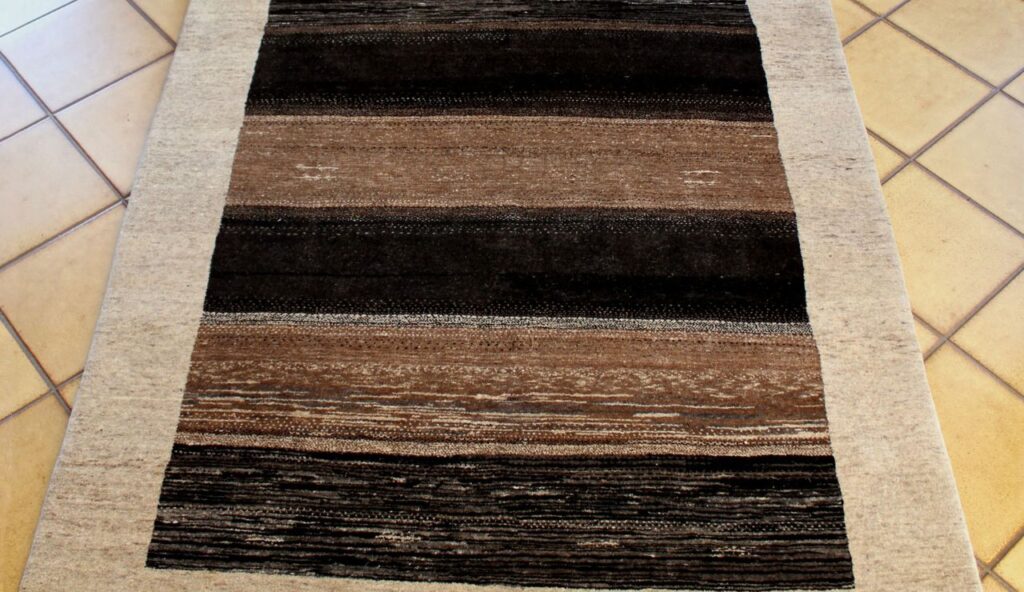
This one screams boutique quality, handmade craftsmanship, unique weaves, and a price tag that convinces people it must be built to last. But artisan doesn’t mean durable. These intricate weaves absorb liquid unevenly, with some knots soaking up more than others. That means a red wine spill doesn’t just stain, it spreads in unpredictable patterns that make the whole thing look warped.
The worst part? Every cleaning attempt becomes a gamble. Some areas may lighten, others may bleach out entirely, ruining the texture or fraying the knotwork. It quickly becomes clear this rug was made to be looked at, not lived on. People hang onto it out of guilt, hoping the price justifies the mess. But let’s be honest, when it starts resembling a wine-soaked burlap art project, it’s time to roll it up and move on.