9 “Healthy” Salads Servers Know Are Secretly Calorie Bombs
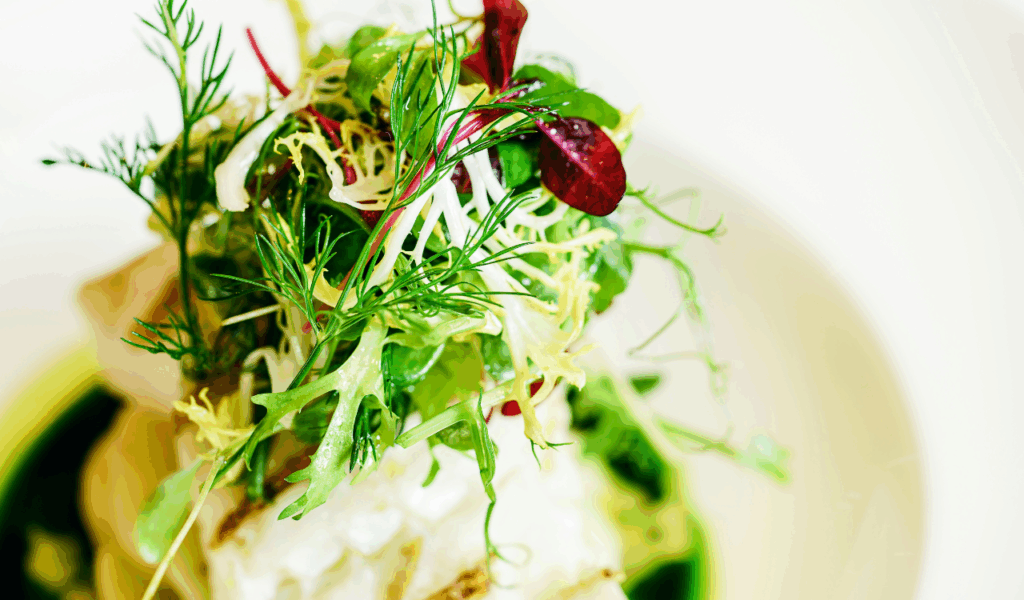
Many people think that ordering a salad is the best way to show that you are serious about living a healthy life, especially when you eat at prominent restaurant chains. But experienced servers and restaurant workers know that the “green” part of the menu may be a dangerous minefield full of hidden fats and carbohydrates. The foundation may be spinach or kale, but the heavy sauces, fried proteins, and candied toppings can add up to a meal that has more calories than a double cheeseburger. Experts warn that the “health halo” around salads sometimes makes people unaware of what’s really on their plates.
Chefs and nutritionists say that restaurants put flavor ahead of health to keep customers coming back. This means they use a lot of oil-based dressings and salty toppings. People who plan professional kitchens say that a lot of pre-made salads are made to look good, which usually means adding high-calorie crunches like wonton strips or caramelized nuts. Experts say that anyone who wants to eat out and yet keep a balanced diet has to know exactly what foods are causing this “calorie creep.” This article reveals the nine most popular salad offenders that are secretly making you gain weight.
1. The Classic Crispy Chicken Caesar
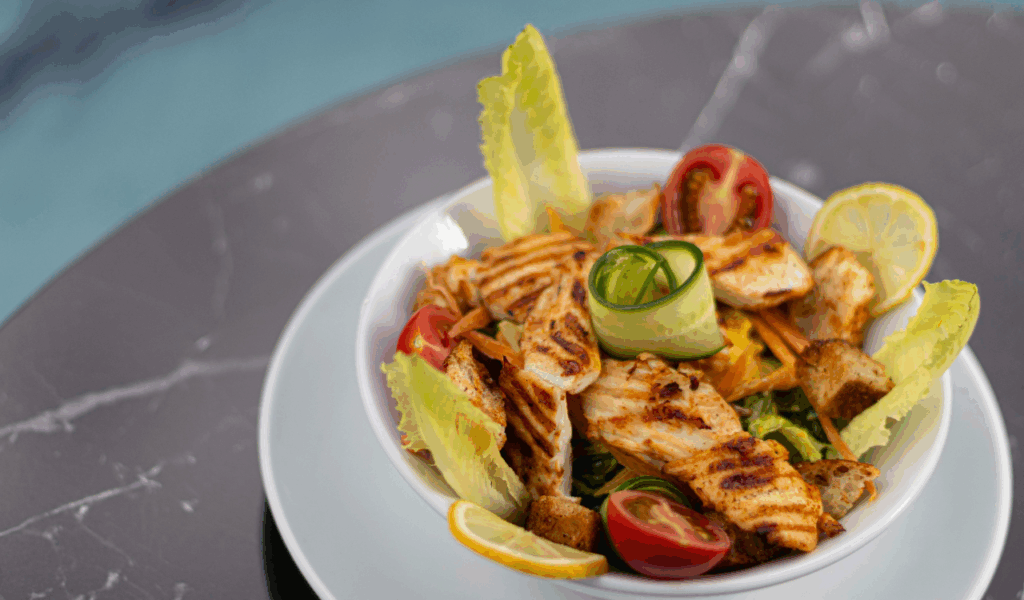
Almost every menu has a Caesar salad, but if you choose the “crispy” chicken version, you’re asking for a lot of calories. Designers of restaurant menus know that people love the taste of deep-fried breaded chicken, shaved parmesan cheese, and butter-soaked croutons. Chefs say that the dressing is the actual hazard. A conventional Caesar dressing is basically a thicker emulsion of egg yolks and oil, and a tiny serving cup can have more than 200 calories. When the salad is tossed in the kitchen ahead of time, servers typically witness too much of this thick sauce being used to make sure every leaf is covered.
Culinary professionals say that restaurants often deep fry croutons instead of baking them to get that trademark crunch. Experts estimate that a standard-sized Caesar salad with fried protein and creamy dressing might easily have more than 1,000 calories. Servers sometimes see people ordering this as a light lunch, not realizing that the nutritional value is more like that of a hefty pasta dish. If you want to lose weight, experts say you should switch to grilled chicken and ask for the dressing on the side so you can control how much you eat.
2. The Southwestern Fiesta with Fried Tortillas
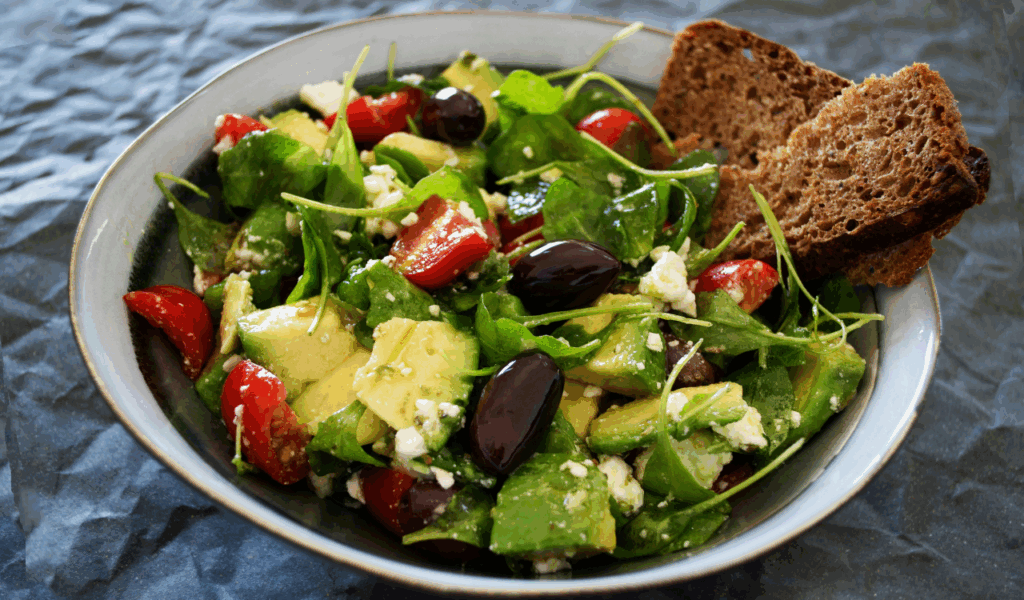
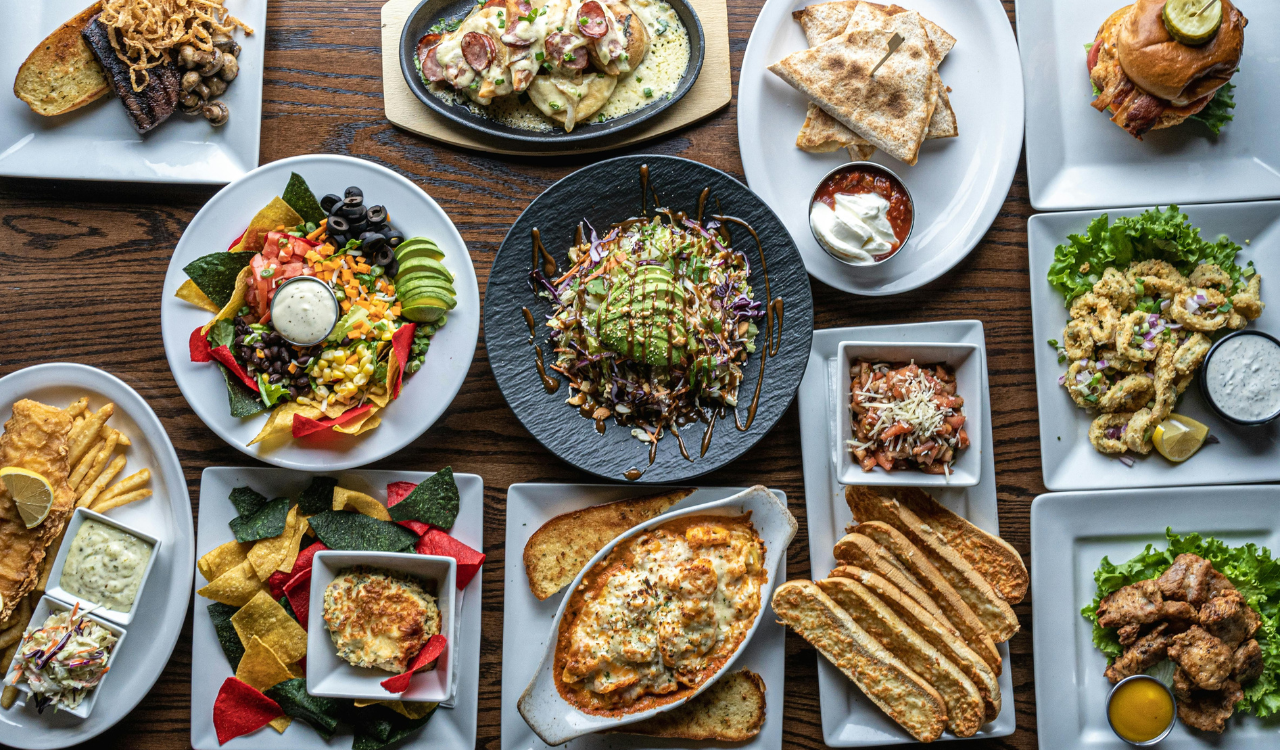
People adore the Southwest or Fiesta salad because it has strong flavors and bright ingredients, but it can also be a high-calorie trap because of the beans and corn. Chefs say that the fried tortilla strips and the creamy avocado ranch or chipotle sauces are the worst parts of this dish. Black beans and maize may have fiber, but they also have a lot of carbs that, when mixed with fried toppings, make the calorie count go up. Servers say that a lot of restaurants also add a lot of shredded cheese and a spoonful of sour cream, which makes the meal even more unhealthy.
Experts say that the “taco bowl” version of this salad is much worse because the fried shell can have as many calories as a big order of fries. Professional kitchen gurus say that the dressings for these salads frequently have a lot of sugar in them to balance out the spicy parts. This makes them a double hazard for weight loss. Instead of the fried strips and shell, organizers say you should get more salsa or a squeeze of fresh lime to add flavor without the hidden bloat. Often, servers see these bowls come back empty, with diners having eaten almost a whole day’s worth of sodium in one sitting.
3. The Candied Nut and Goat Cheese Bistro Salad
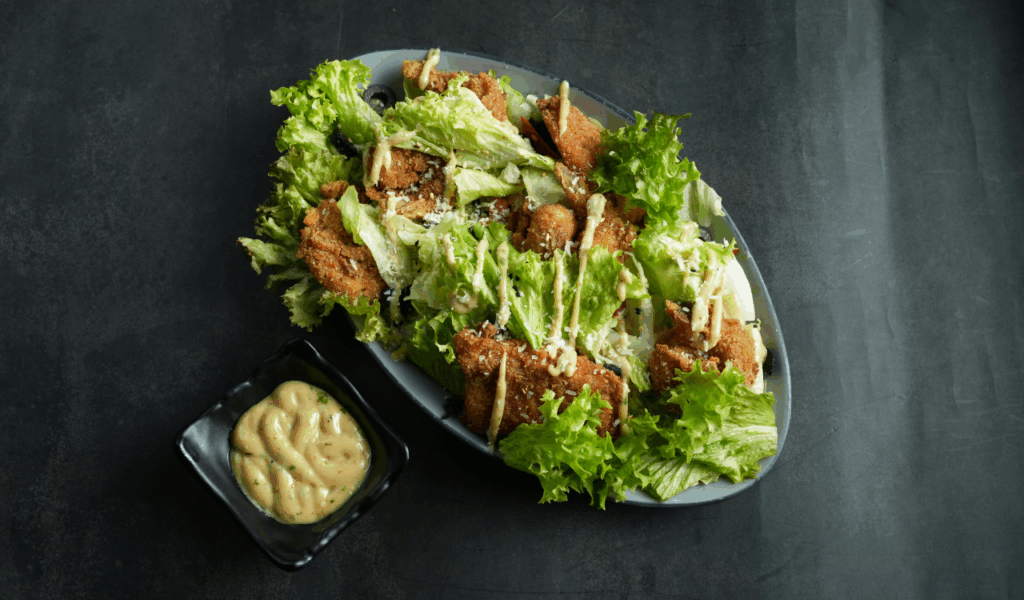
Bistro-style salads with mixed greens, goat cheese, and candied walnuts are often sold as a light and fancy vegetarian choice. But chefs say that the “candied” part of the nut is really a hard sugar coating that makes a nutritious protein into a candy. Experts say that goat cheese is very high in calories. It has a tangy taste, but a big serving can add hundreds of calories to a simple bowl of greens. Servers typically see these salads with a thick balsamic glaze on top. To get the syrupy consistency, the glaze is generally thinned off with sugar.
Professional organizers in the food industry say that the dried cranberries or cherries that are often in these salads are usually sweetened while they are drying. Experts suggest that this makes the glycemic load very high, which can make you feel tired later in the day. Servers say that people often eat more bread on the side with these salads because they don’t have a lot of protein, like steak or chicken. This adds to the total number of calories they take in. To make this cafe staple as healthy as possible, designers say to ask for raw walnuts instead of candied ones and to just use a small amount of cheese instead of a big one.
4. The Oriental or Asian Crunch Salad
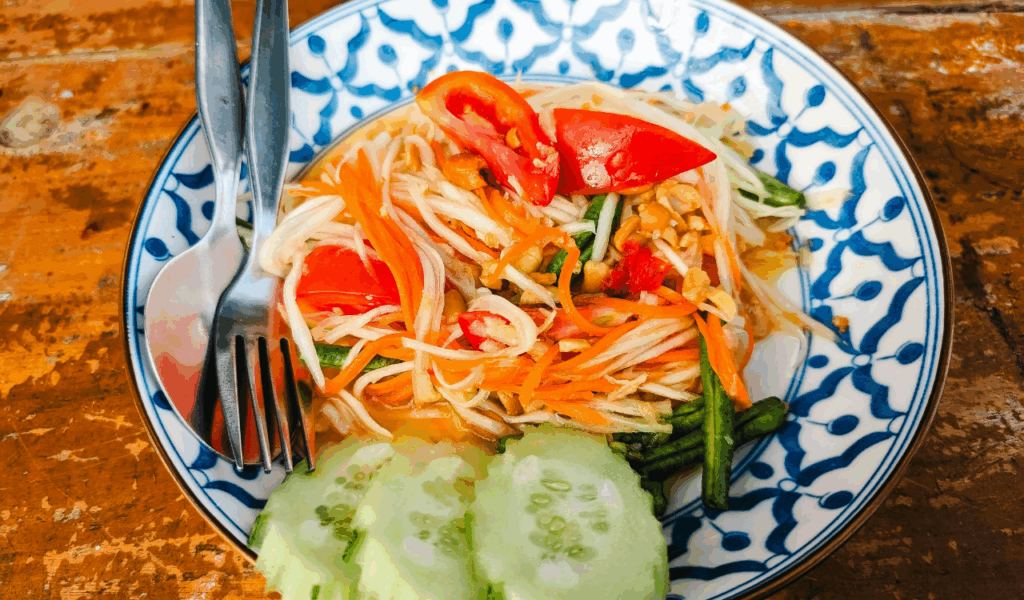
People frequently think that Asian-inspired salads are light because they contain ingredients like cabbage, ginger, and sesame. But cooks say that these are often some of the most calorie-dense foods on the menu because of the fried wonton skins and rice noodles. Experts warn that the peanut or sesame dressings used in these dishes are often full of sugar and peanut butter, which taste great but are very high in calories. Servers say that these salads are often delivered in huge volumes, which makes people want to eat the whole bowl because it feels “light” and crunchy.
Professional kitchen gurus say that the dressing for an Oriental salad can have more sugar than a regular soda. Organizers say that deep frying usually always gets the “crunch” factor, but this adds extra trans fats to an otherwise fresh vegetable basis. Experts suggest that sliced almonds are a healthier way to get a crunch than fried noodles since they have better fats. Servers often discover that visitors are startled by the nutritional information of these salads. The edamame and cabbage make people feel like they are eating healthy, but the hidden sweets are what really hurt.
5. The Steakhouse Wedge with Blue Cheese
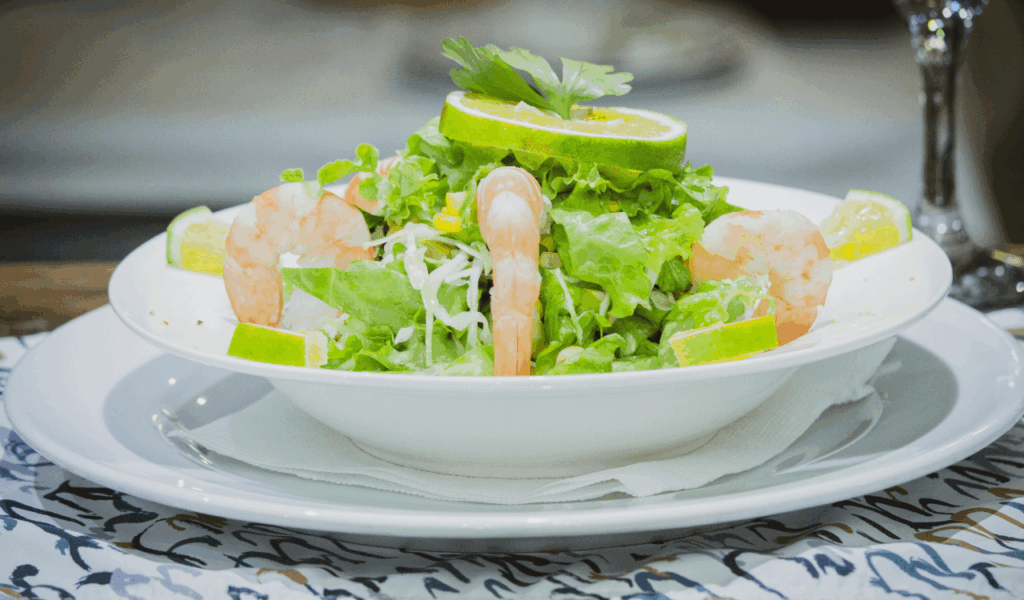
The Wedge salad is a typical appetizer at steakhouses. It is a crisp piece of iceberg lettuce that looks basic but is actually very good. Chefs say that iceberg lettuce has very little fiber and nutrients, so the whole meal is really just a way to get the toppings on. Experts say that the heavy pour of blue cheese dressing, together with a mountain of actual bacon bits and extra cheese crumbles, makes this one among the least healthful choices on the menu. Servers typically see the “wedge” drowning in dressing, which can add 400 to 500 calories before you even think about the other toppings.
Professional organizers at high-end steakhouses say that the bacon is generally thick cut and either candied or fried in its own fat to bring out the flavor. Experts believe that you aren’t getting the micronutrients that would normally make a high-calorie salad worth it because there isn’t enough variety in the greens. Realtors and business people often eat this for lunch, not knowing that the high salt level can make them hold on to a lot of water and make them feel tired in the middle of the afternoon. To lessen the harm, designers suggest choosing a vinaigrette and asking for the bacon on the side so you may use it judiciously.
6. The Mediterranean Falafel or Gyro Bowl
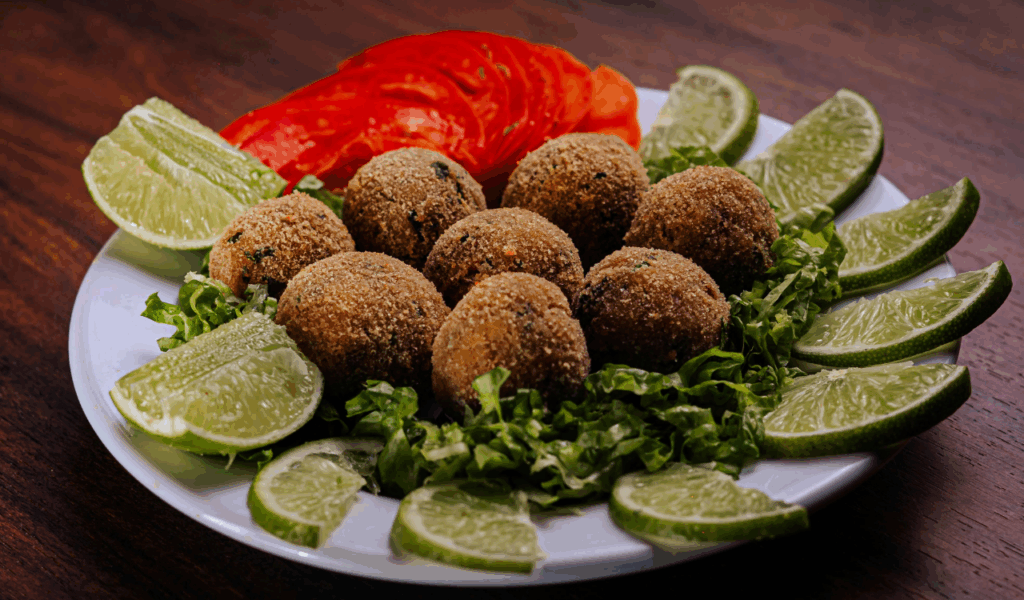
The Mediterranean diet is known all over the world for being good for you, yet a restaurant version of a Greek or falafel salad can be rather hefty. Chefs say that falafel is usually always deep-fried, and since it is made of chickpeas, it is already a starch with a lot of calories. Experts believe that adding hummus, tzatziki, and feta cheese makes a “triple threat” of fats that can mount up quickly. Servers often offer these salads with a lot of pita bread, which adds refined carbs to a meal that is already high in fats and oils.
Professional kitchen advisors say that the olives and feta have a lot of sodium in them, which can be more than the daily allowance in one meal. Organizers say that even though the ingredients are complete foods, the amount of oils used in Mediterranean restaurant cuisine can be too much. Experts believe that the best way to keep this dinner healthy is to choose grilled souvlaki over fried falafel and limit the bread. Waitstaff say that diners typically feel “stuffed” after this salad, which is a clear clue that it had a lot more calories than the “healthy” label said it did.
7. The Chef’s Salad with Deli Meats and Eggs
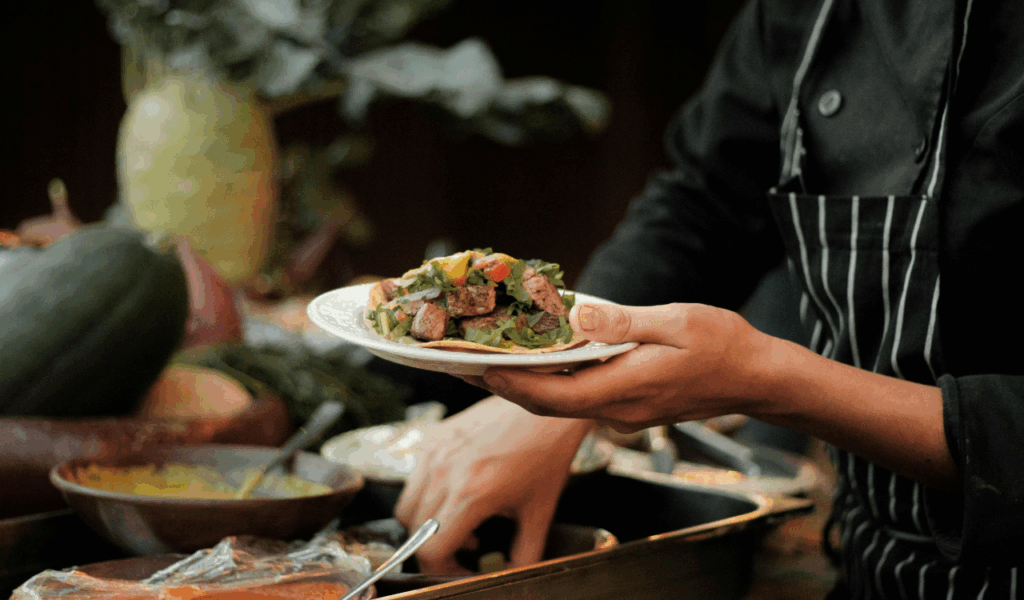
The Chef’s Salad is a classic dish that has ham, turkey, hard-boiled eggs, and several kinds of cheese. Chefs say that the main problem is the huge variety and amount of proteins, most of which are processed deli meats that are high in sodium and nitrates. Experts say that the “thousand island” or “french” dressings that go with this salad are mostly made of sugar and mayonnaise, which adds a lot of calories to an already hefty dish. People who want a high-protein meal commonly order this salad, although the protein content is often substandard.
Professional organizers in the restaurant business say that the ham and turkey utilized are typically processed versions that are heavy in moisture and have hidden sweeteners and thickeners. Experts suggest that mixing three or four different proteins with cheese makes the total fat content go through the roof. Landscapers and those who work outside typically select this since it fills them up, but designers say that fresh grilled chicken or salmon is a better choice for getting more nutrients. Servers say that this salad is often the heaviest thing on the “light fare” menu, and it often has as many calories as a regular club sandwich with fries.
8. The Buffalo Chicken Salad with Ranch
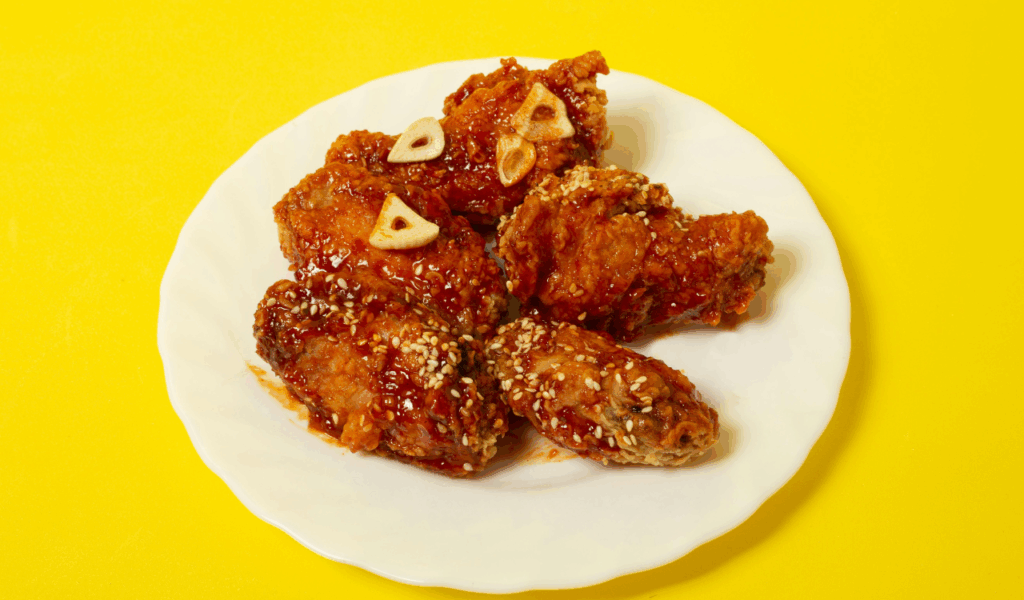
The Buffalo Chicken Salad is the best pick if you love buffalo wings but want to feel like you’re making a healthier choice. But cooks say that this is really just a basket of wings that has been taken apart and put on top of some lettuce. Experts say that the chicken is frequently breaded and fried before being dipped in a buffalo sauce made with butter. Servers say that the only way to cool down the sauce is to add a huge amount of creamy ranch or blue cheese dressing, which adds a lot of calories and saturated fat to every meal.
Professional kitchen advisors say that the celery and carrots are often the sole healthful aspect of the dish, although they are also usually dipped in the dressing. Experts believe that the buffalo sauce’s high levels of vinegar and salt might cause stomach pain and bloating. If you want the taste, organizers say that ordering grilled buffalo chicken with a light vinaigrette can save you hundreds of calories. Servers frequently think of this salad as the “ultimate compromise,” but it’s not actually a compromise at all because the fried parts cancel out the health advantages of the greens.
9. The Quinoa and Roasted Vegetable Power Bowl
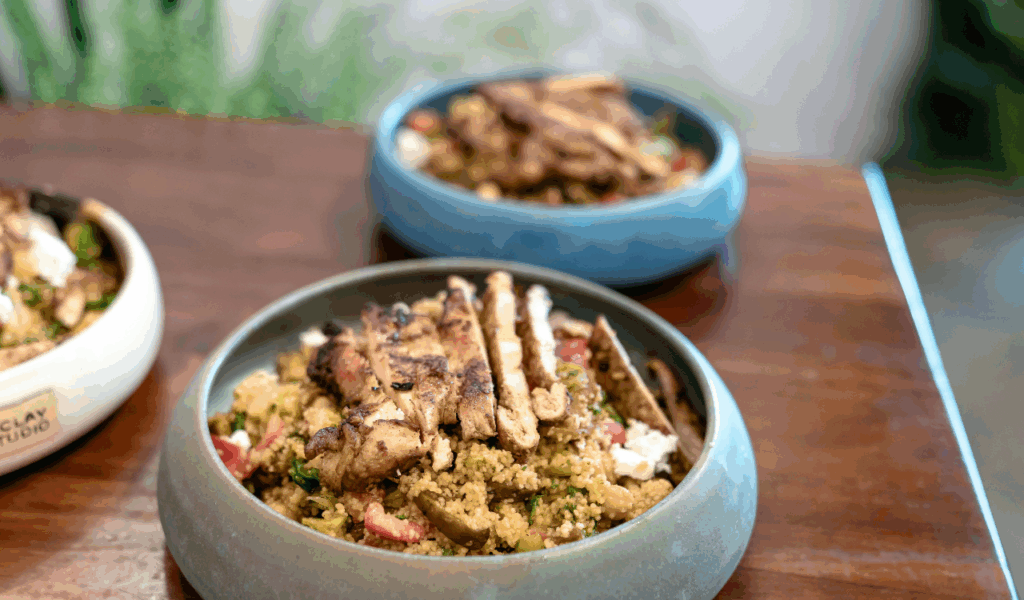
People love “power bowls” with quinoa and roasted vegetables, but they aren’t necessarily as healthy as they look. Chefs say that to make roasted veggies taste good, they often throw them in a lot of oil before putting them in the oven. Experts say that quinoa is a healthful grain, but it is also highly high in calories. A big bowl can easily hold two or three servings of grains. Servers typically see these bowls with tahini or nut-based sauces on top. These dressings are high in calories but include beneficial fats.
Wellness professionals say that a lot of “healthy” bowls have additions like avocado, sunflower seeds, and dried fruit, which add 50 to 100 calories each. Experts believe that bowls are full of nutrients, yet a fully filled power bowl might have 800 to 900 calories. Designers say to monitor how much grain you eat and ask for the dressing on the side so the vegetables don’t soak up oil. Customers often think of them as “free” items that they may eat as much as they want, which leads to eating too many calories in the sake of health.