10 Items Experts Say Don’t Belong in a Tool Shed or Garage
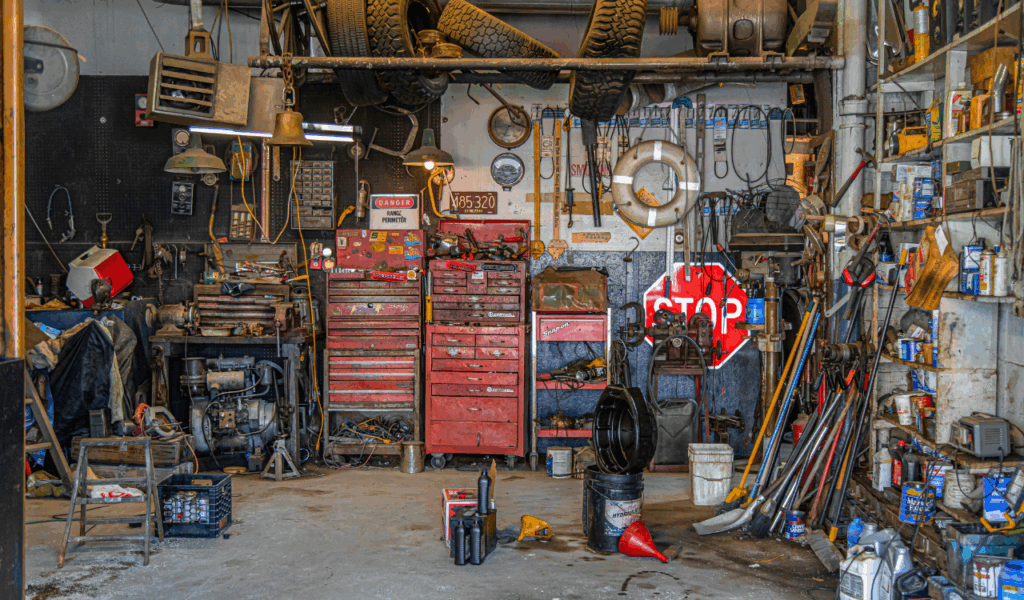
Keeping your garage or tool shed neat and tidy is more than just being able to find your screwdriver. It’s also about keeping your things safe and keeping your home safe. Experts say that the changing temperatures and humidity levels in these areas can be very bad, even though people typically use them as “catch-all” locations for things that don’t fit in the kitchen or bedroom. Improper storage can cost thousands of dollars in damage to property, which is something that professional organizers and home care specialists see all the time.
Residential contractors say that garages are rarely climate-controlled, so they operate like ovens in the summer and freezers in the winter. Thermal cycling, together with bugs and moisture, makes many ordinary household products unsafe.
You can avoid chemical leaks, structural rot, and the agony of finding lost family artifacts by knowing what really belongs in an outdoor construction. Taking the effort to check your storage space now will save you a lot of money and frustration in the long run.
1. Canned Food and Perishables
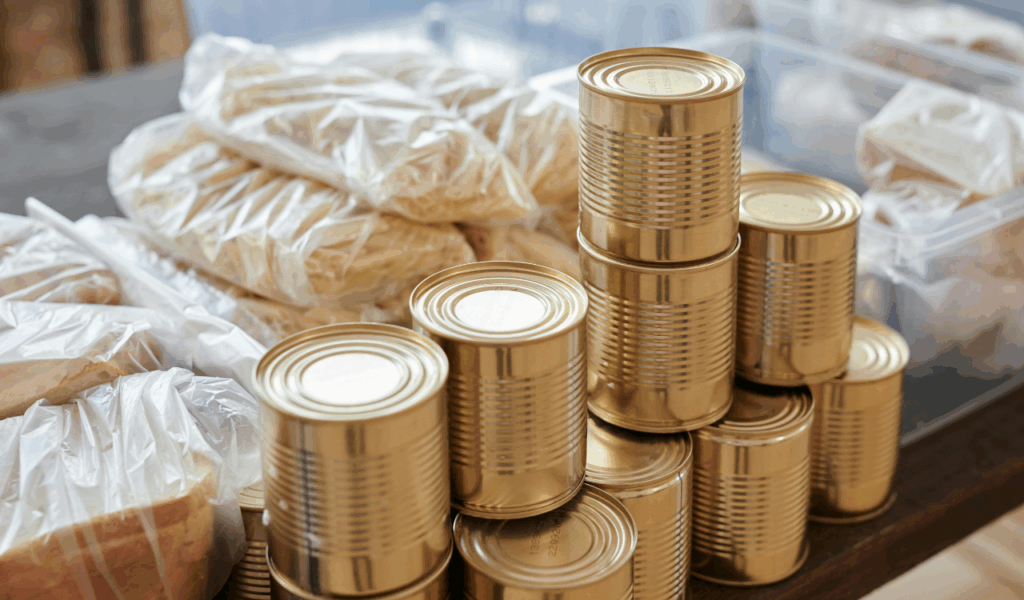
Food safety experts and professional chefs all agree that the garage is the worst location to keep your extra food. Canned goods can expand and contract when the temperature changes a lot, which weakens the seals. Bacteria can get into the can if a seal is broken, or the food within can become bad long before its expiration date. Also, high heat can break down nutrients and modify the texture of food, making your emergency supplies taste bad or even harmful.
Organizers also say that storing food in sheds is a big draw for bugs and rats. Even if the food is in cans, the scent of cardboard boxes or little spills can draw in pests that can eventually eat through other things that are stored.
Pest control experts say that leaving food out in areas that aren’t climate-controlled is like sending out an invitation for bugs to come in and spread to your main living area. Always keep food in a cool, dry, and indoor place with consistent temperatures for long-term safety.
2. Latex Paint and Stains
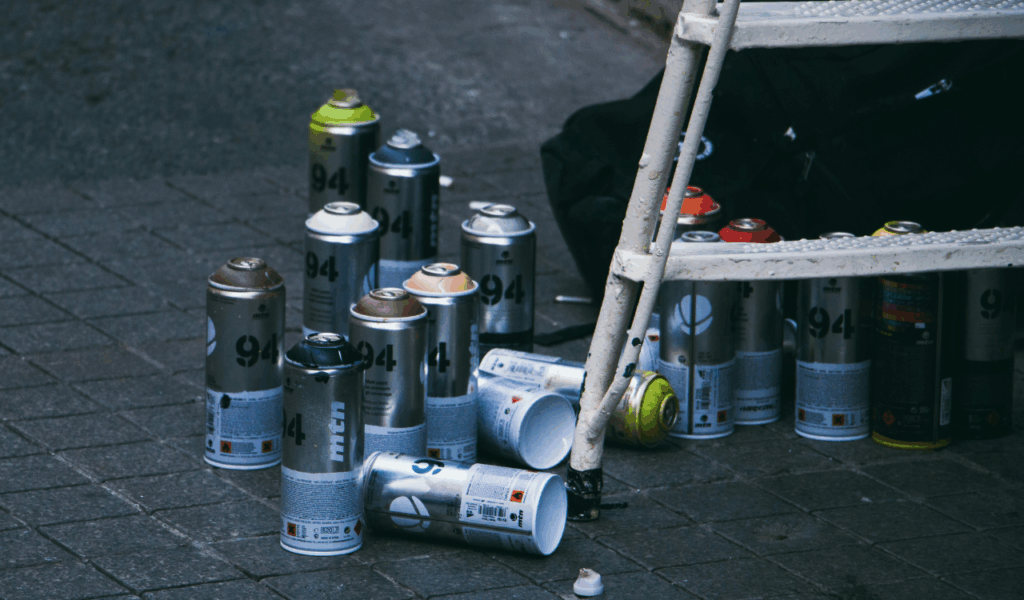
Don’t just throw away leftover paint from a home improvement project on a high shelf in the shed. Professional painters and builders say that latex paint is largely made of water, which makes it very easy to freeze. When paint freezes and thaws, the solids and liquids segregate in a way that makes it hard to mix them back together.
This makes the texture lumpy and like cottage cheese, which means it can’t be used for touch-ups or other projects in the future. Too much heat can also break down the ingredients in paint and cause it to peel over too soon, in addition to freezing.
Experts believe that putting paint cans directly on concrete flooring is another bad idea since the dampness from the slab can make the metal cans corrode from the bottom up. This rust might potentially cause leaks or change the color of the paint. Put your expensive finishes in a basement or utility closet where the temperature stays reasonable and the air stays dry to keep them safe.
3. Important Documents and Photos

Professional archivists and estate planners say that you shouldn’t keep paper-based things in a shed or garage. The main adversary here is humidity, which makes paper fibers swell and can cause mold and mildew to bloom. It is generally impossible to fix pictures or birth documents once they have been ruined by water.
Also, the high acidity in many cardboard storage boxes can make paper turn yellow and become brittle faster when it is in a hot tool shed. Silverfish and moths love to live in the dark, damp corners of a garage and eat the glue and starch that are in book bindings and paper.
Professional organizers say that these bugs can ruin a lifetime of memories in just one season. Experts say that if you need to maintain physical copies of documents or family albums, you should use airtight, UV-protected plastic boxes that are placed inside the house. This keeps your legacy safe from the weather and animals in the area that might find your papers to be a good snack.
4. Propane Tanks
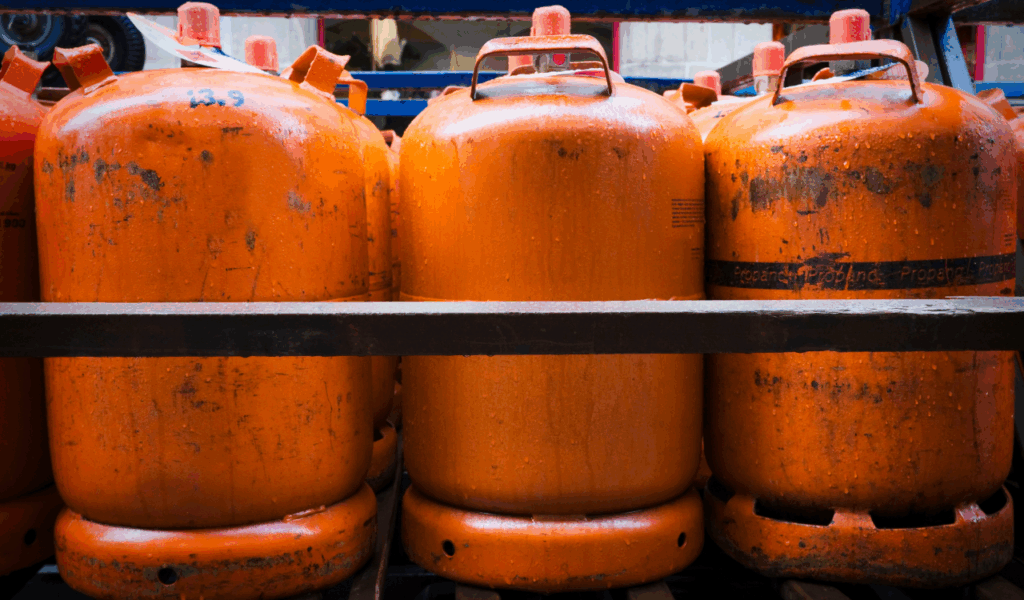
When it comes to storing fuel, safety is the most important thing. Fire marshals are very clear: never store propane tanks in a garage or shed. A minor, hidden leak can cause gas to build up in a closed environment. Propane is heavier than air, so it settles toward the floor. A single spark from a car engine, a water heater, or even a light switch might set it off. This puts your whole property at risk of a huge explosion.
Experts say that you should store propane tanks outside in a well-ventilated place that is not in direct sunlight and away from anything that could start a fire. If you have a grill or a portable heater, you should disconnect the tank and put it on a level, sturdy surface where gas may safely escape if there is a leak.
Safety experts say that the risk of a huge fire is just too high to justify the ease of keeping fuel tanks hidden away in a storage building or garage.
5. Fine Wood Furniture

Antique collectors and expert furniture flippers say that the garage is a “death trap” for wooden furniture. Wood is a porous material that lets air in and out. This means that it gets bigger when the air is humid and smaller when the air is dry. These quick shifts make the wood in a shed bend, fracture, and break at the joints. Woodworkers say that even high-end pieces can be destroyed beyond repair after only one season of being exposed to humidity levels that aren’t controlled.
Moisture also damages the wood’s polish. Professional restorers say that high humidity can cause “blushing,” which is when moisture is trapped under the lacquer or varnish and makes ugly white hazy areas.
Also, timber that hasn’t been treated is a good target for wood-boring beetles and termites, which can live and thrive in the quiet of a backyard shed. To maintain your antiques in perfect condition, they need to stay in your house, where the temperature and humidity are always the same.
6. Electronics and Appliances
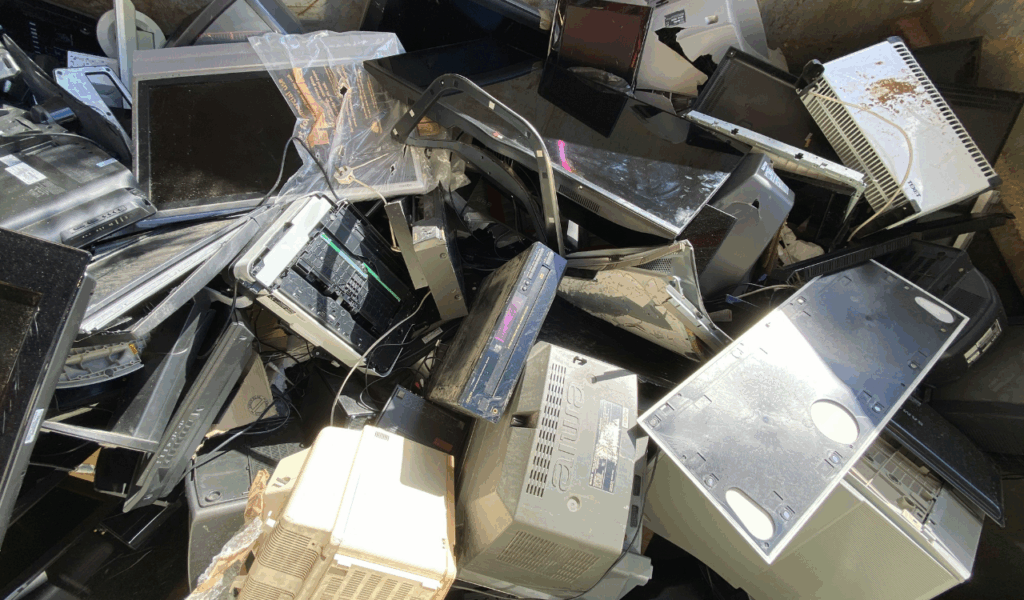
Don’t think that your old computer, TV, or extra fridge will be safe in the garage. Electronics are quite susceptible to both very hot and very wet conditions. IT experts say that circuit boards and other internal parts can rust when moisture from the air falls on them. When you plug the gadget back in, the moisture might cause a short circuit that permanently damages the hardware and could even start a fire.
The problem with backup refrigerators and freezers is the temperature around them. Most refrigerators are made to work best between 60 and 80 degrees Fahrenheit. The compressor needs to work extra hard when a garage becomes too hot, which can cause it to break down early.
On the other hand, if it gets too cold, the thermostat might not work at all, which would let the food inside defrost. Experts in appliance repair claim that keeping these devices in places without insulation greatly shortens their lifespan and raises your energy bills.
7. Protective Clothing and Bedding

It could make sense to keep additional sleeping bags or seasonal coats in the shed, but expert organizers say you shouldn’t do that. Textiles soak up a lot of things, thus they will soak up the “garage smell,” which is made up of oil fumes, exhaust, and musty air. Once these smells go deep into the fibers of a heavy wool coat or a down comforter, they can be very hard to get rid of, even with expert dry cleaning.
The scent is bad, but the possibility of nesting is worse. Wildlife relocation specialists say that in the winter, mice and rats hunt for soft, warm things to make their nests out of. A box of winter clothes or a rolled-up sleeping bag makes the best shelter. These bugs will eat holes in the fabric and leave behind droppings and urine, which are bad for your health. Experts say that the best way to protect your clothes and linens is to put them in vacuum-sealed bags and store them in the attic or under the bed in the house.
8. Hazardous Chemicals and Pesticides
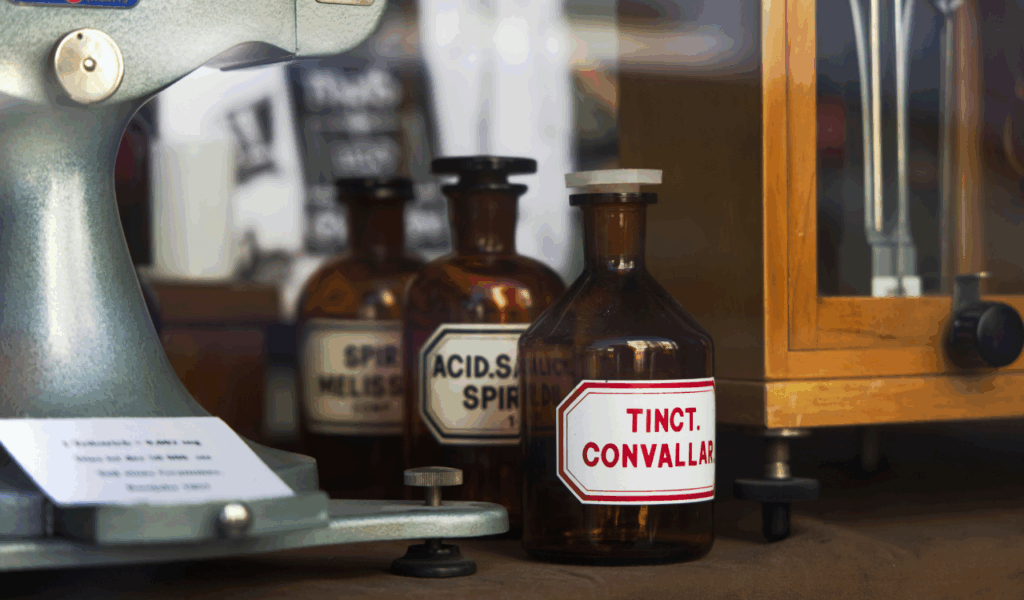
It sounds like a good idea to keep lawn chemicals where you use them, but some liquids and powders need to be stored in certain ways. If you let many liquid pesticides and fertilizers freeze or get too hot, they can become unstable.
Environmental safety specialists say that very high or low temperatures can change the chemical makeup of these items, making them useless or, in certain situations, more dangerous and unstable. Another problem is containment. When plastic containers are in a hot garage for a long time, they can become brittle and shatter or leak.
Professional cleaners say that if dangerous chemicals drip into a garage floor, they can go into the concrete and produce smells for years. Also, if these chemicals are kept close to the floor, kids and pets can readily get to them. Experts say that a secured cabinet in a room with controlled temperature is the best option. If that’s not possible, at least a separate container for secondary containment should be set up to collect any leakage.
9. Wine and Spirits

A garage might seem like a decent place to store wine, but sommeliers and wine experts say that heat is the “silent killer” of a fine vintage. Wine starts to age too quickly and tastes “cooked” when it is kept at temperatures above 70 degrees for a long time. The liquid’s expansion can also force the cork out a little, letting oxygen into the bottle and turning your pricey wine into vinegar.
The liquid also expands and contracts when the temperature changes, which can break the seal on both spirits and wines. Professional collectors say that the vibrations from a garage door opener can also shake up the sediment in older wines, which makes them not age as well. Wine needs to be stored in a dark, vibration-free place with a temperature that stays about 55 degrees.
Experts say that if you don’t have a basement, you should keep your wine in a separate wine refrigerator inside your home instead of relying on the weather outside a shed.
10. Firewood
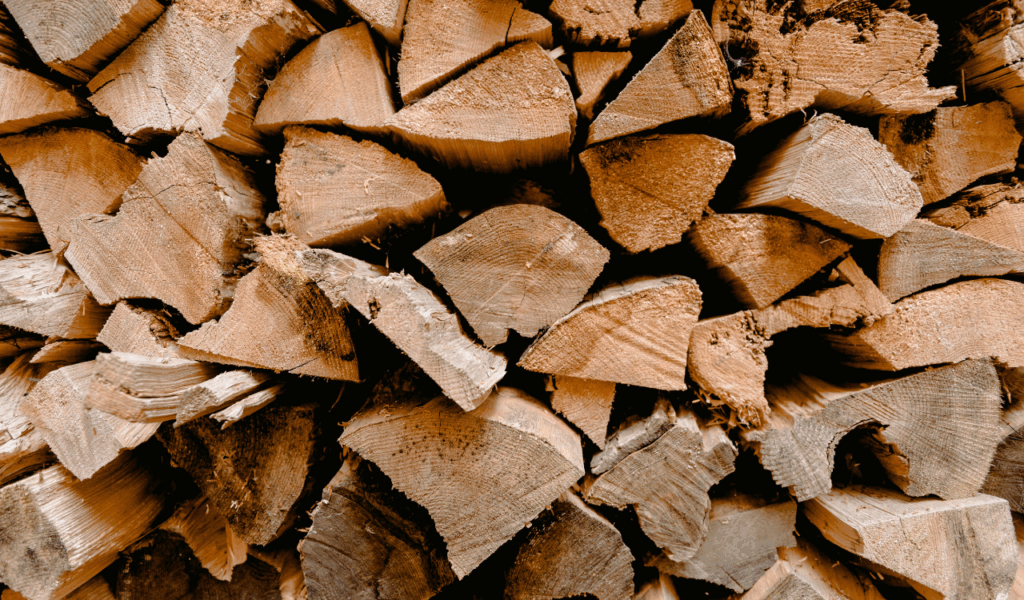
Putting firewood in a garage or shed might seem like a good idea for those cold winter nights, but pest control specialists say it’s a big mistake. Termites, carpenter ants, and wood-boring beetles all like to live in wood heaps. By bringing that wood into a structure that is connected to your home, you are giving these creatures that eat wood a direct way to get to the framing of your home. Home inspectors say that this is how a lot of infestations start.
Firewood needs air to be dry, and insects can get inside it. Moisture can get stuck in a shed or garage, which can cause mold and decay. When wood is wet, it doesn’t burn well and makes more smoke and creosote build up in your chimney, which is a big fire hazard.
Experts say that you should keep firewood at least twenty feet from your home, off the ground, and simply cover the top to let the most air circulate. This keeps bugs away from your walls and makes sure your wood is dry and ready for the fireplace.