8 “Organic” Produce Stickers That Hide Bruises and Lies
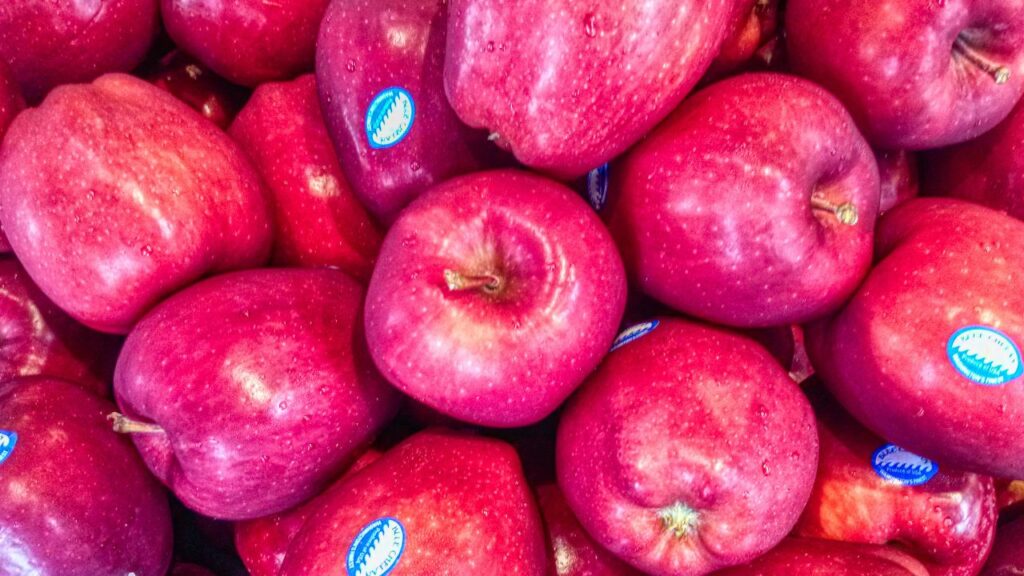
Shoppers expect a centred organic sticker to signal quality and care. It feels deliberate, like the apple was inspected and approved before landing on the shelf. Apples already carry a reputation for durability, so most people assume a clean exterior means a clean interior. In busy grocery stores, that assumption keeps displays moving fast. Customers make quick grabs, trusting appearance over inspection, especially when buying multiple apples at once for the week.
What actually happens is less curated. Apples bruise easily during shipping, pallet drops, and bin transfers. Produce clerks often place stickers directly over visible blemishes to keep displays uniform. The damage stays hidden until slicing at home, when a brown, mushy patch appears exactly under the label. The consequence is wasted food and frustration, not because apples are bad, but because the sticker delayed the truth.
1. The Oversized Avocado Label
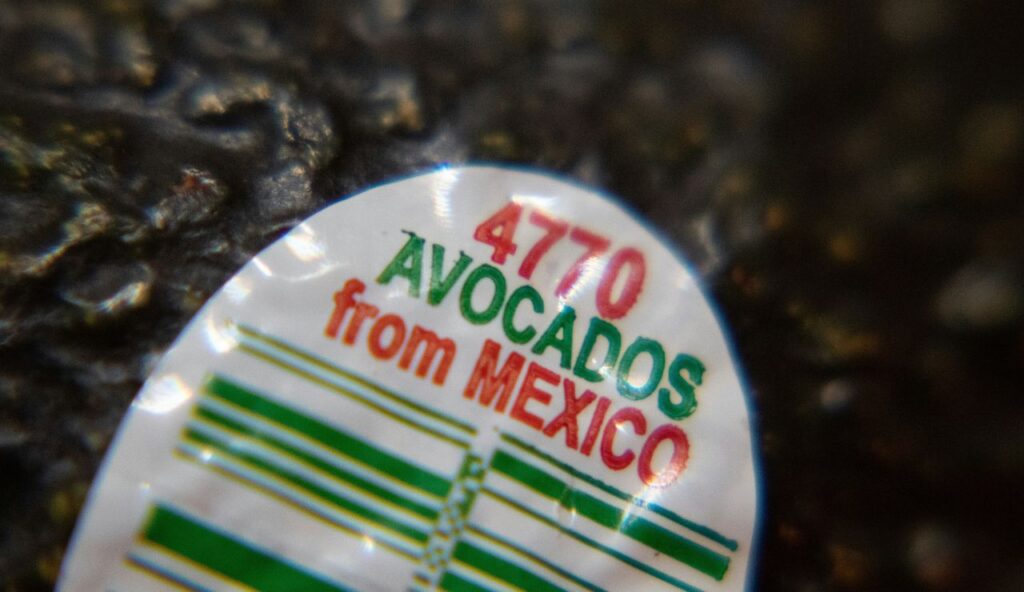
Large organic stickers on avocados feel reassuring. Bigger label, bigger standards, at least that is how shoppers read it. Since avocados are already difficult to judge by touch, the sticker serves as a shortcut for trust. People assume certified farms and better handling justify the higher price. The label reduces hesitation, especially among shoppers who prefer not to squeeze fruit in public.
Behind the scenes, avocados arrive stacked tight and handled fast. Pressure damage is common, especially on one side. Oversized stickers are frequently placed over dents to make the fruit look evenly firm. The bruise spreads internally as the avocado ripens. At home, the cut reveals grey streaks and mush near the pit. The loss is money and timing. What looked ready becomes unusable.
2. The Organic Banana Band
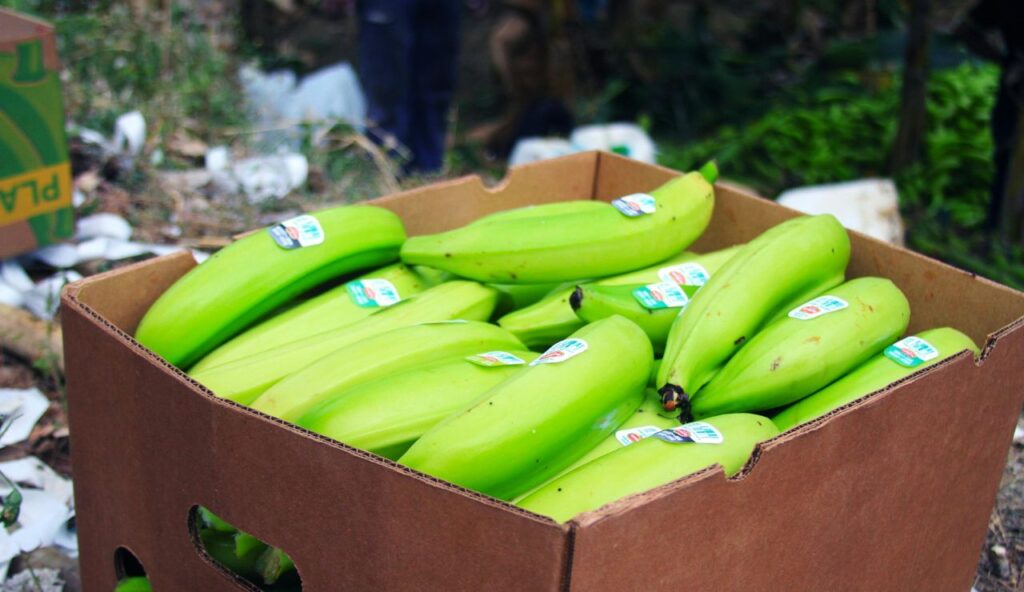
Banana bands make bunches feel official and intact. Shoppers expect banded bananas to be fresher and better managed than loose ones. The uniform appearance suggests sorting and care, which is important given how quickly bananas ripen. Most people buy bananas assuming a few days of flexibility, trusting the band as a sign of consistency across the bunch.
In reality, bananas bruise early in transport and during unloading. Stockers often rotate bunches so damaged sides face inward. The band holds the bunch together while hiding pressure marks where bananas rub and bend. Those hidden spots darken quickly at home. The result is uneven ripening and faster spoilage. You expected a week. You get two usable days before tossing half the bunch.
3. The Tomato Vine Tag
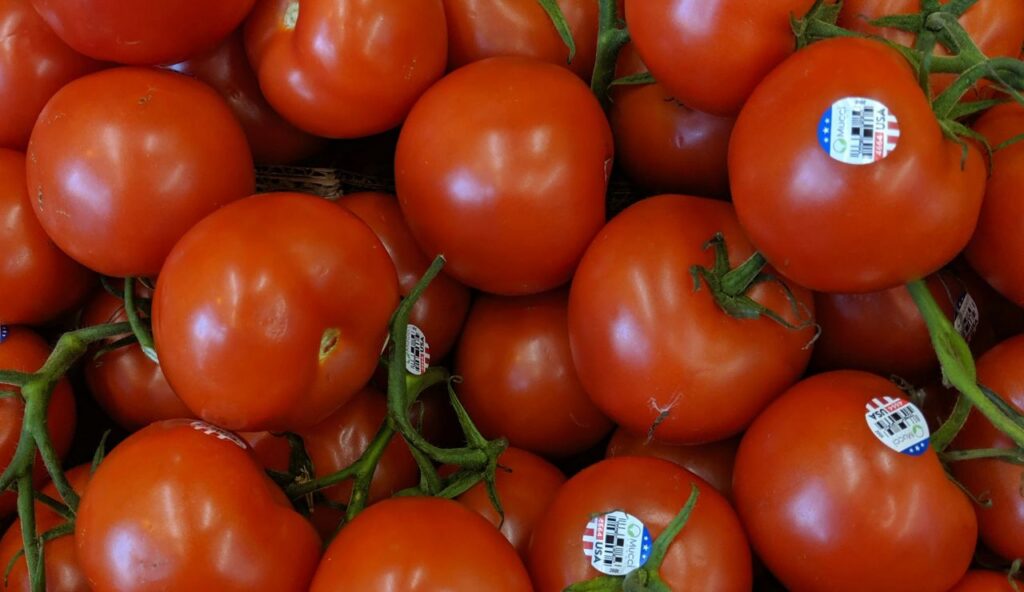
Vine tomatoes with organic labels convey freshness and protection. The vine itself appears to indicate minimal handling. Shoppers expect better flavour and a longer shelf life than loose tomatoes. The tag reinforces the impression that these were packed carefully and rushed to shelves. That visual cue often overrides closer inspection, especially when tomatoes are stacked high, and shoppers are moving quickly.
Tomatoes bruise where they rest against crates or each other. Tags often get placed near soft spots to keep the display-facing side clean. Once home, that hidden bruise collapses first. Juice leaks, skin wrinkles, and mold spread faster through the cluster. One damaged tomato accelerates spoilage for the rest. The practical cost is not just one bad tomato, but losing the entire vine earlier than expected.
4. The Citrus Sticker on “Firm” Fruit
Oranges and lemons look tough, so shoppers rarely inspect them closely. Organic stickers feel like a bonus guarantee, reinforcing the belief that citrus is hard to mess up. People assume firmness equals freshness and trust the label to confirm it. Most buyers rely on weight and colour, skipping any squeeze or rotation that might reveal early damage.
Citrus bruises during drops and conveyor transfers. Stickers often sit directly over softer patches. The rind conceals damage until moisture accumulates beneath it. At home, peeling reveals dry sections, bitterness, or unexpected softness. The sticker did not cause the flaw, but it delayed discovery. You paid for flavor and longevity and got fruit that tastes flat or tired instead.
5. The Cucumber Wrap Label
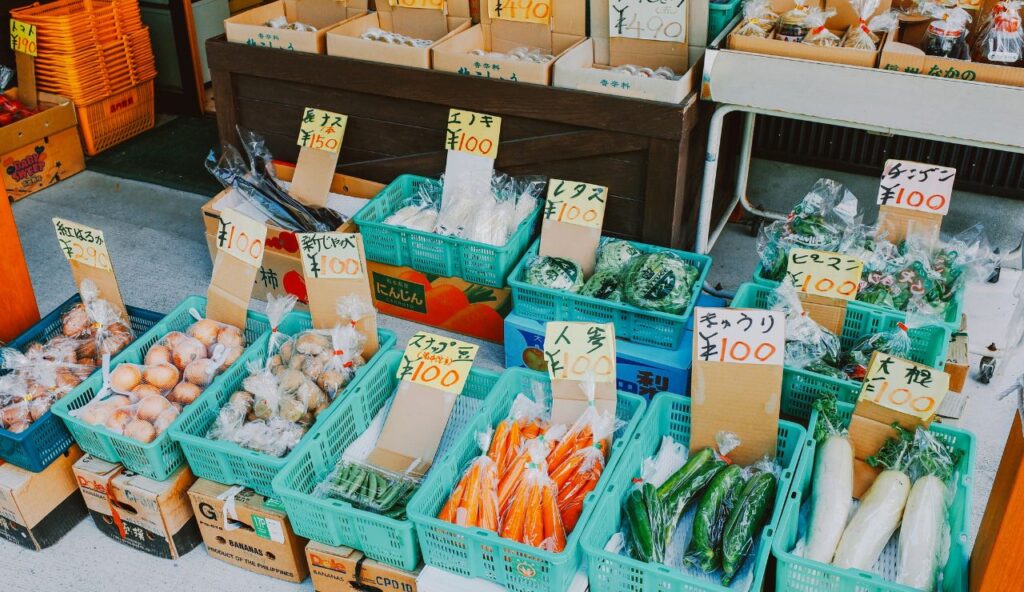
Wrapped organic cucumbers look protected and premium. The label and plastic suggest longer shelf life and cleaner handling. Shoppers expect the wrap to lock in freshness and prevent damage during transport and storage. The presentation feels intentional, which discourages shoppers from questioning what is happening beneath the surface.
The reality is moisture. When cucumbers are nicked or bruised, the wrap traps condensation. Stickers often sit over soft spots while decay accelerates underneath. The cucumber appears fine until opened, when it feels slimy or has an off odour. The takeaway is false durability. Packaging and labelling extend the illusion of freshness while quietly shortening the usable window.
6. The Berry Clamshell Sticker
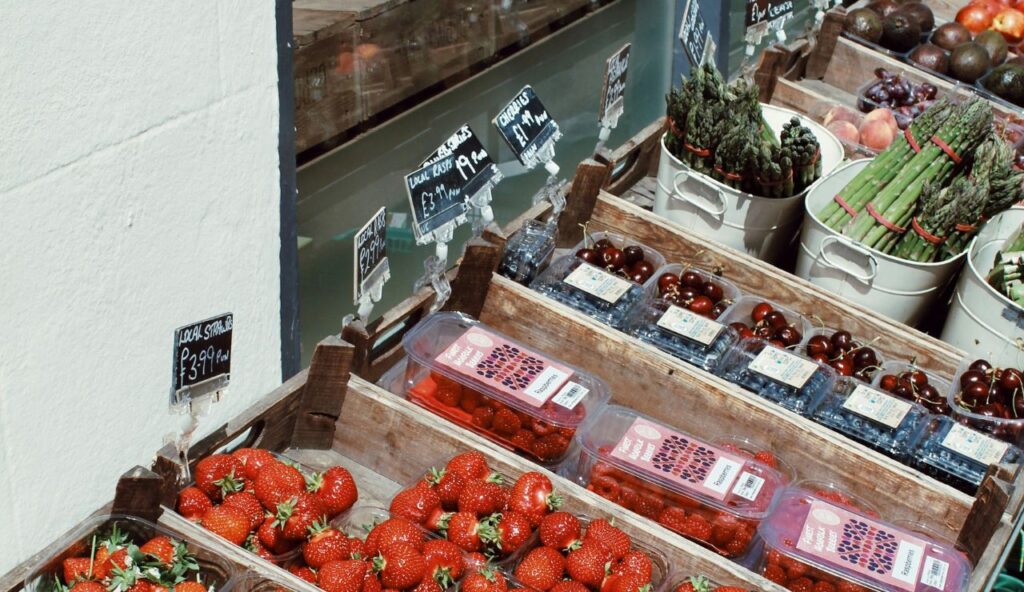
Organic berry labels promise careful harvesting and gentle handling. Shoppers glance at the top layer, see bright fruit, and move on. The sticker reinforces the idea that the entire container meets that standard. Few people tilt or open clamshells in-store, especially when the berries look good at first glance.
Berries crush easily during stacking and transport. Stickers draw attention upward, away from condensation and crushed fruit beneath. Mould spreads fast once moisture builds. Many shoppers only discover the problem hours after purchase. The cost is high, waste and disappointment. Berries spoil quickly by nature, but the label delays the warning signs that would have changed the buying decision.
7. The “Local Organic” Mixed Produce Label
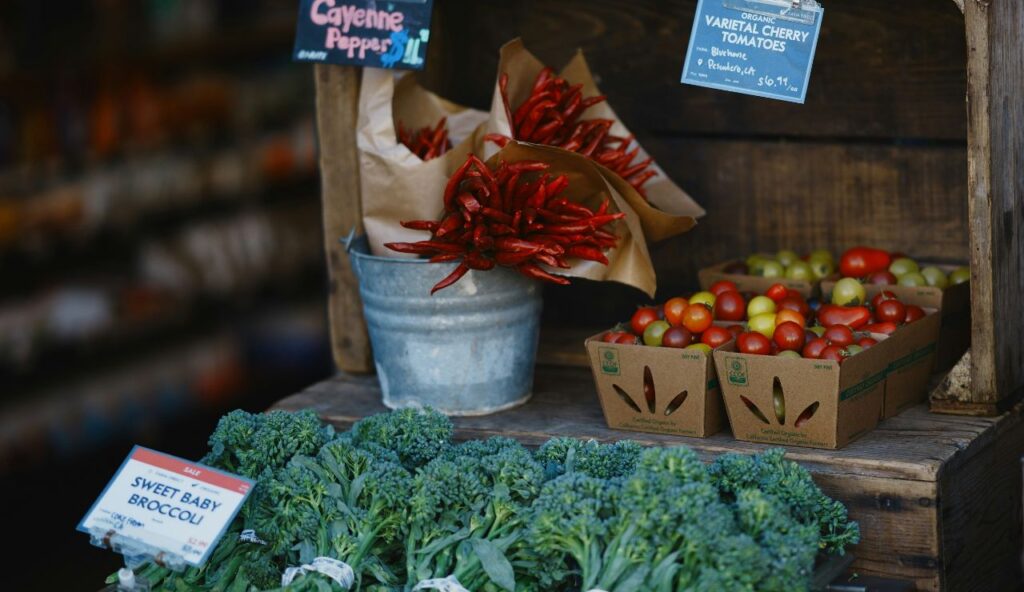
Local organic bins convey trust and a community focus. Shoppers expect shorter supply chains and better conditions. The label signals freshness without needing explanation, especially at neighbourhood stores. The word “local” carries emotional weight, encouraging buyers to assume accountability without verifying quality.
Mixed bins often combine multiple shipments to move ageing inventory faster. Bruised items get blended with fresher ones under the same label. The sticker sells locality, not condition. The result is inconsistency. Some produce lasts days, others fail overnight. The practical consequence is unpredictability. You are not buying quality, you are buying a gamble wrapped in a comforting word.