9 Macrame Hangers That Drop Your Plants on Unsuspecting Guests
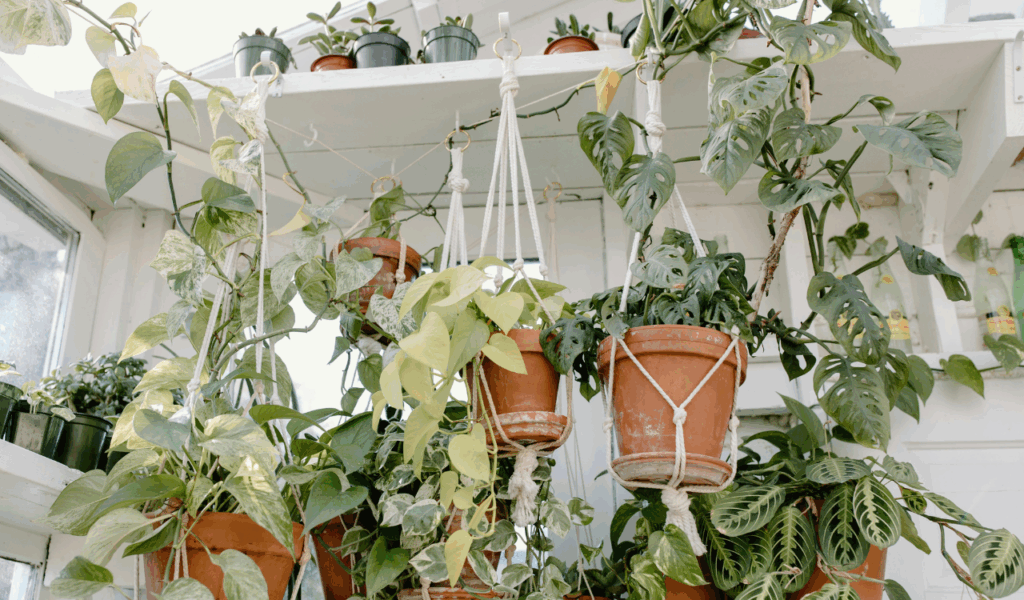
The bohemian revival has brought macrame back into the spotlight, turning plain cotton strands into beautiful aerial gardens. But interior designers say that “aesthetic” knotting often hides structural faults that can cause calamitous horticultural gravity. Professional organizers say that a poorly made hanger is a risk that turns a calm pothos into a falling object. This “boho-chic” fad typically puts delicate designs ahead of weight-bearing strength, which means that the beauty of the weave is only equaled by how likely it is to fail.
Master gardeners and contractors stress that watering a plant can make it much heavier, which can break a “decorative” hanger. “Experts say that the hidden danger in macrame is the gradual stretching of natural fibers like cotton and jute,” says one home safety inspector. Designers say that any plants that hang from the ceiling should be held in place with hardware and cordage that can hold at least three times the moist weight of the pot. It is a risky design choice because a single loose knot can send dirt flying into the face of an unwary guest.
1. The Single-Strand “Micro-Cord” Minimalist
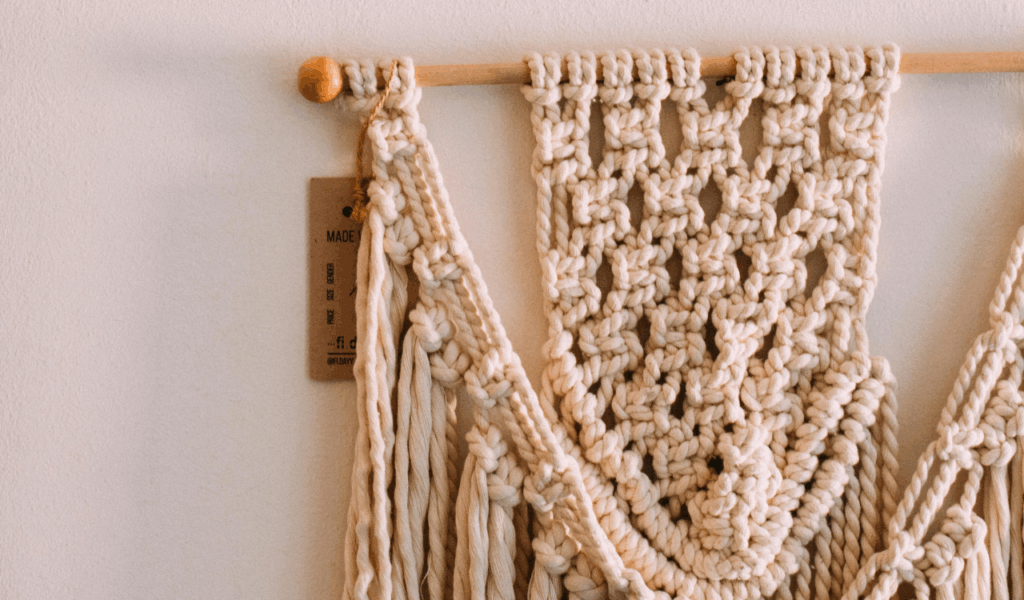
Minimalist designers love micro-cord hangers because they are almost invisible, but they don’t have enough surface area to safely hold a ceramic pot. Experts suggest that these thin fibers are likely to “slice” through themselves when they are under stress, especially if the pot has sharp or unglazed edges. Organizers say that if one part of a micro-cord design fails, the whole thing falls apart right away without any warning.
This design is better for air plants than for anything else that needs a container with soil and regular watering. Contractors say that the knots in thin cordage are also far more likely to come undone over time since there isn’t enough friction within. A structural expert says, “Designers say that if you love the thin look, you should use high-strength synthetic nylon instead of regular cotton.
” Realtors commonly see these “invisible” hangers as warning signs in homes where big succulents are hanging over busy seating areas. Without the weight of a multi-strand weave, the minimalist dream might rapidly turn into a real nuisance for anyone sitting under the plants.
2. The Unsealed “Jute-Fiber” Outdoor Trap
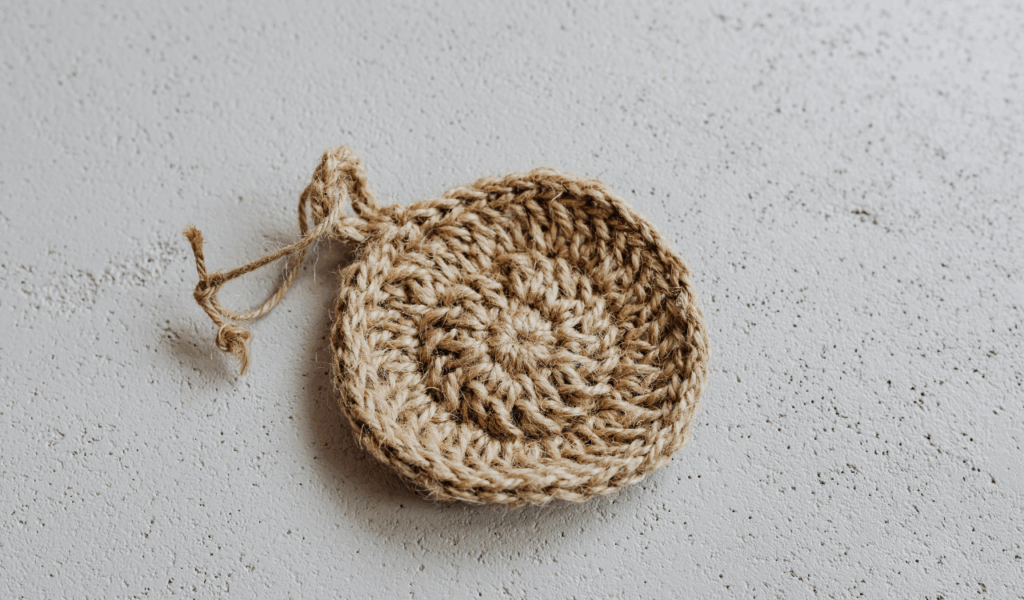
People like jute because of its rough, earthy texture, but it is a natural fiber that breaks down quickly when it gets wet or is exposed to UV light. Designers say that jute hangers that are used on porches or near open windows can rot from the inside out despite seeming good on the outside. Experts claim that the fibers get weak and break easily since they are always getting wet when they are watered and drying in the sun. This “jute-rot” is a quiet killer of hanging gardens that typically fails when there is a lot of wind or a light push.
Professional organizers say that you should only use jute in places that are completely dry or change it out every season to avoid accidents. A landscape architect says, “Experts say that a jute hanger’s load capacity can drop by fifty percent after just three months of outdoor exposure.” Contractors say that “poly-jute” or treated synthetics that look like jute but don’t have the same risk of biological deterioration are better options. If your hanger smells like old hay or feels dusty when you touch it, it’s time to let go of its load.
3. The “Beaded-Leg” Structural Nightmare

Adding big wooden or ceramic beads to the “legs” of a macrame hanger gives it a nice handmade touch, but it also makes the cordage weaker in a lot of places. Designers say that beads are like jagged edges that can “saw” through the cotton strands when the plant moves in the wind. Experts believe that each bead is a break in the continuous weave, which means that the weight is borne by a few thin strands instead of a single braid.
This causes a “bead-pop” failure, in which one broken bead can make the whole plant tilt and slide out. Professional organizers say that plants that are top-heavy are especially risky in beaded hangers because they move the center of gravity toward these vulnerable areas.
“Designers say that beads should be used to decorate the ‘tail’ of the hanger instead of the arms that hold the load,” says an interior stylist. Contractors say that the weight of the pot often pulls the cord through the bead hole with enough power to shred the fibers in just a few months. It’s a typical case of style above utility, when a few pieces of ornamental wood put your guests’ safety at risk.
4. The “Single-Ring” Plastic Hoop Suspension
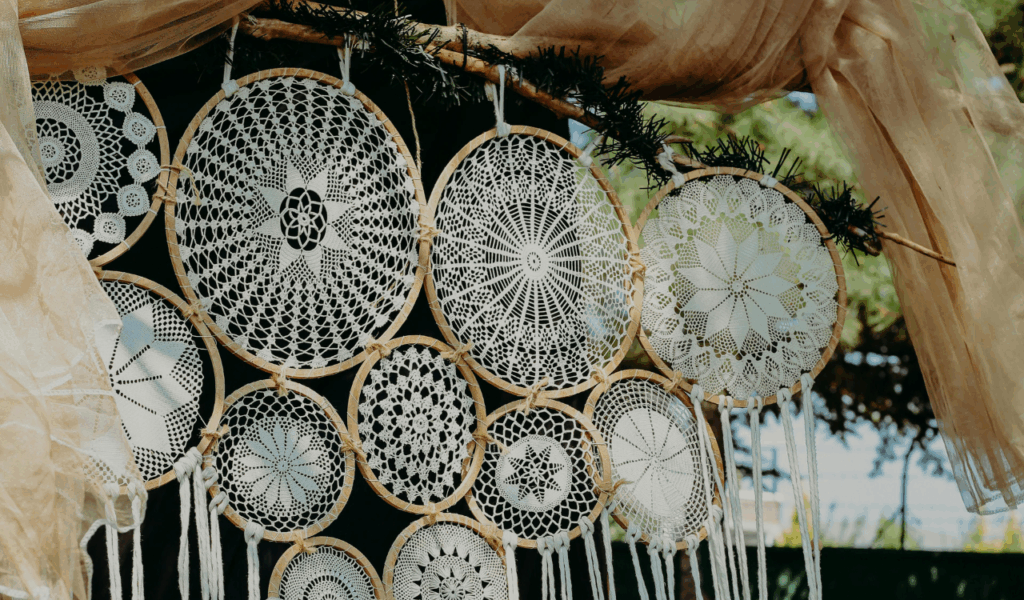
A lot of inexpensive macrame kits use cheap plastic rings at the top of the hanger instead of welded metal or solid wood. Designers say that plastic is prone to “creep,” which is when the material progressively changes shape and stretches under a constant strain until it breaks. Experts suggest that UV light from a window nearby can make these rings weak, which might cause a sudden “shatter” failure that drops the plant without any warning. This is a regular problem with hangers that are made in large quantities and sent cheaply, yet aren’t meant to last long.
Realtors and house inspectors typically find that these plastic rings are the first thing to break in older boho-style apartments. A hardware expert says, “Contractors say that a welded steel O-ring is the only safe anchor for a plant that weighs more than five pounds.” Organizers say you should examine your hanging hardware once a month for any symptoms of whitening or “crazing” in the plastic, which means it may soon break. When a ring breaks, it doesn’t simply drop the plant; it also often takes down the ceiling hook and a piece of drywall.
5. The Oversized “Tassel-Base” Basket
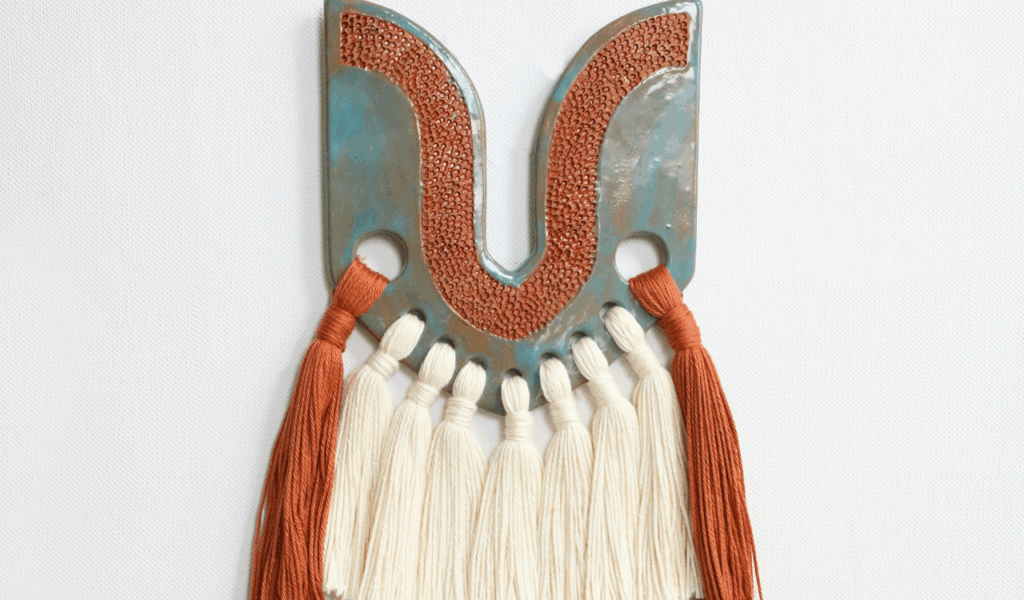
People like hangers with big, thick tassels at the bottom because they appear “maximalist,” however they often hide a badly made base-knot. Designers say that the tassel is often utilized to cover the fact that the pot is only held up by a few loose loops instead of a strong basket weave. Experts suggest that if the pot is a little off-center, it can easily “squirt” out of the bottom of a loose-weave hanger, just like a wet bar of soap.
In modern home design, this “base-slip” is the most prevalent reason for plants to crash onto guests. Professional organizers say that the extra fringe’s weight can potentially place too much stress on the ceiling anchor. A craft expert says, “Designers say that the base of a macrame hanger should be tight and have a ‘gathering knot’ that is at least two inches long.
” Contractors say that a decorative tassel doesn’t add any strength to the pot and can even trap moisture at the bottom, which speeds up the rotting of the cord. The foundation isn’t strong enough to hold the pot up if it can move or tilt more than a few degrees in its seat.
6. The “Non-Welded” S-Hook Connector
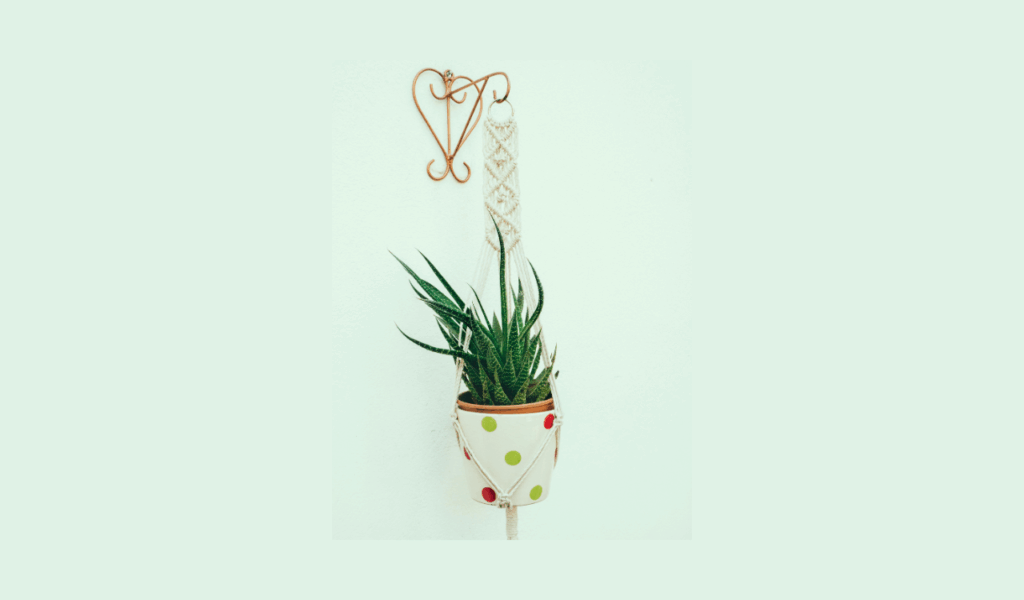
A lot of people who do macrame at home use regular S-hooks from the hardware store to link their hangers to ceiling eyes, but “non-welded” hooks can come apart when you pull on them. Designers say that a hefty ceramic planter can progressively “unbend” a cheap metal hook over the course of a few weeks. Experts believe that the metal can expand and contract when the temperature in a home changes, which can eventually cause the hook to slip off the eyelet. This “slow-bend” failure is especially tricky because the hanger looks safe until the metal breaks.
If you have a plant that hangs over a pathway or dining area, professional organizers say you should use “locking” carabiners or closed-loop welded rings. According to contractors, a lengthy macrame hanger gives the hook more power every time the plant is hit, says a safety expert. Designers say that the connection is just as vital as the cordage itself, yet amateur designers sometimes forget about it. A hook that isn’t closed is a trap that will release the water when it is heavy enough.
7. The “Shelf-Style” Flat Macrame Swing
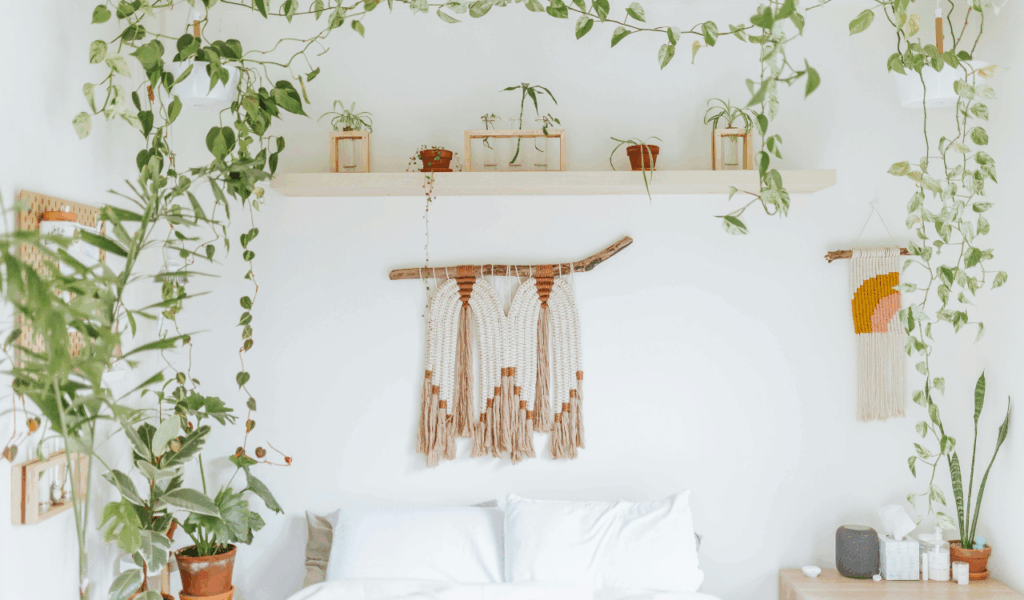
Macrame “swings” that hang a flat piece of wood from ropes are a popular technique to show off a lot of little plants, but they are very unstable. Designers say that these shelves don’t have any side railings, so simply a little wind or a cat’s curiosity can make the whole platform tip over. Experts advise that the weight must always be exactly balanced.
If you move one small pot to water it, the other side could throw its contents onto the floor. This “seesaw” effect makes them the worst choice for a busy home with a lot of people coming and going. Professional organizers say that these shelves are also likely to “cord-stretch,” which means that one of the four supporting lines gets longer than the others.
“A stager for apartments says, “Designers say that macrame shelves should be anchored at both the top and the bottom to keep them from swinging.” Contractors have found that when the wood rubs against the cords, it can shred the fibers at the contact sites, which can cause an abrupt “corner-drop” failure. It is a gorgeous piece of art that needs the steady touch of a surgeon to keep it clean without making a mess.
8. The “Triple-Tier” Vertical Tower
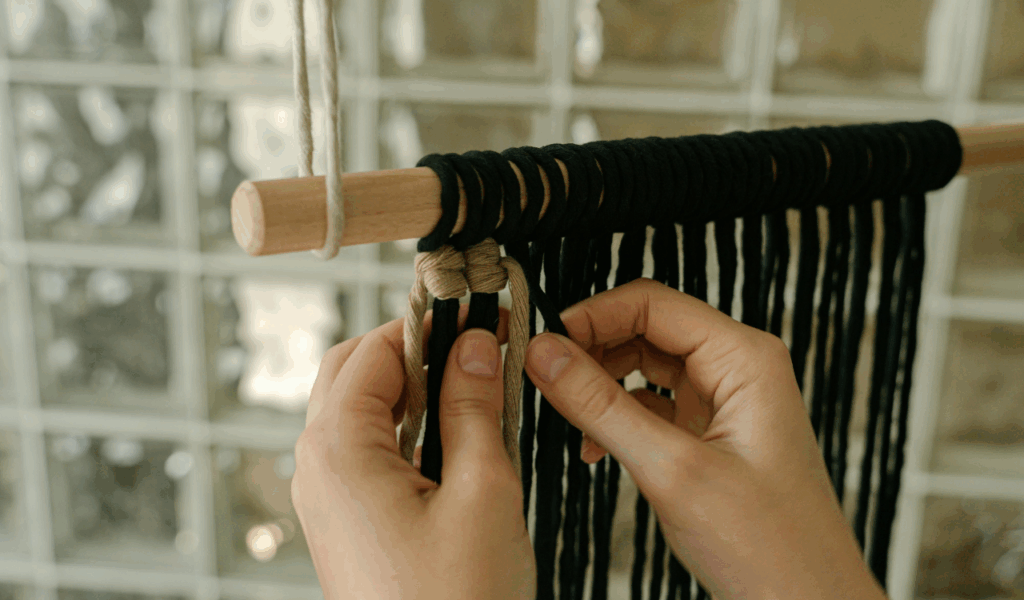
Vertical towers that hold three or more plants in one sisal column are a great way to save space, but they also make the chance of structural failure three times more likely. Designers say that the top set of knots is holding up the weight of all the plants below it, which can easily be more than thirty or forty pounds. Experts suggest that most decorative ceiling hooks can only hold ten to fifteen pounds. This can cause “anchor-pull,” when the whole tower pulls out of the ceiling. This makes the ceramics fall in a “domino effect,” which can hurt people and inflict a lot of damage.
Realtors commonly find that these multi-tier hangers are put into plastic drywall anchors instead than solid wood joists. “A triple-tier hanger is a heavy-duty load that needs a toggle bolt or a direct stud mounting,” says a home improvement specialist. If you have to utilize a tower, the organizers say you should put the heaviest plant at the top to keep the center of gravity closer to the anchor. Most experts, on the other hand, say you should stay away from these altogether unless you have professional-grade mounting hardware and very strong synthetic cordage.
9. The “Loose-Loop” Macrame Wall Pocket

People sometimes use wall-mounted macrame pockets to hold air plants or miniature succulents, however because of how they are made, they tend to “dump” their contents forward. Designers say that when the plant grows toward the light, it can change its weight, which can cause the pot to fall out of the shallow nook. Experts explain that with time, the stretch of the cotton cordage makes the “pocket” sag and lose its grip on the container.
People are more likely to have this “forward-roll” problem when they use slick plastic nursery pots that don’t have any natural friction against the cable. Professional organizers say that wall pockets should only be used for light, “dry” plants that don’t need heavy soil or a lot of water.
“A textile artist says that designers say the back of the macrame pocket should be stiff or reinforced to stop it from sagging, which can cause accidents.” Contractors say that these pockets are often hung on cheap thumbtacks or little nails that can’t support the weight of a plant leaning on them. If your plants on the wall are starting to “pout” or lean away from the wall, it means that the knots have gotten too loose.