
Top 6 Restaurant Scams Insiders Say Customers Fall For
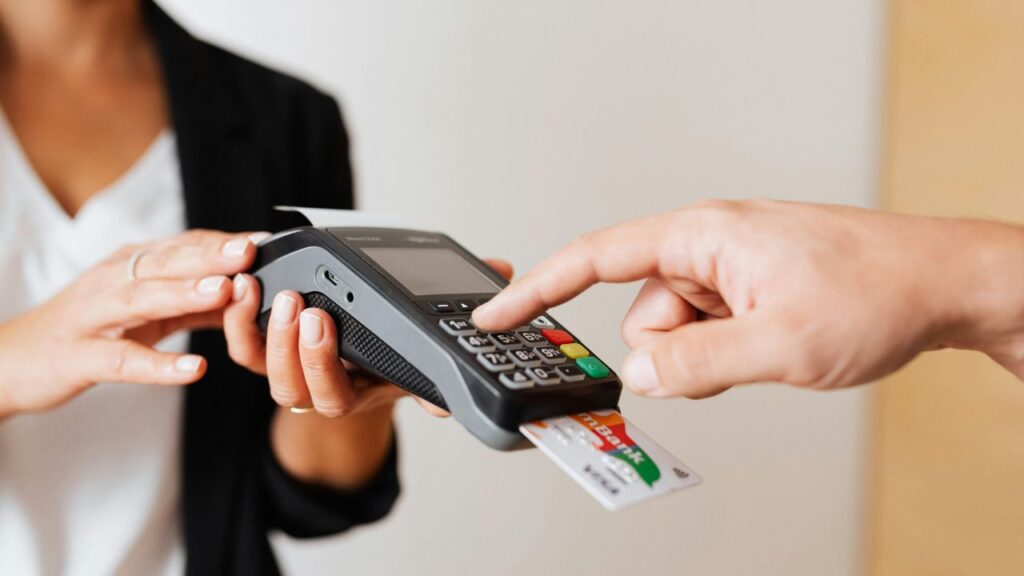
Dining out in America often feels straightforward. Menus look clear, prices appear fixed, and service interactions seem routine. Yet former restaurant workers say that beneath this surface transparency, many chains rely on subtle tactics designed to increase spending without customers consciously realizing it. According to consumer watchdog estimates combined with National Restaurant Association data, pricing tricks, billing practices, and service-based schemes now cost US diners more than $2.3 billion every year. These losses rarely come from outright fraud or illegal behavior. Instead, they stem from menu design, digital pricing systems, gratuity structures, and psychological nudges that most guests assume are neutral or unavoidable.
Interviews with former servers, bartenders, shift leaders, and managers from national chains reveal that these practices are not isolated decisions made by individual locations. They are standardized, documented, and often taught during training. As QR menus, dynamic pricing software, and automated checkout systems have expanded between 2024 and early 2026, review data show a noticeable rise in complaints about terms like “confusing bill,” “unexpected total,” “price changed,” and “didn’t notice until later.” Based on insider testimony and consistent consumer review patterns, these are the restaurant scams customers fall for most often, even when dining at familiar chains.
1. Gift Card Reload Traps That Empty Balances Before Use
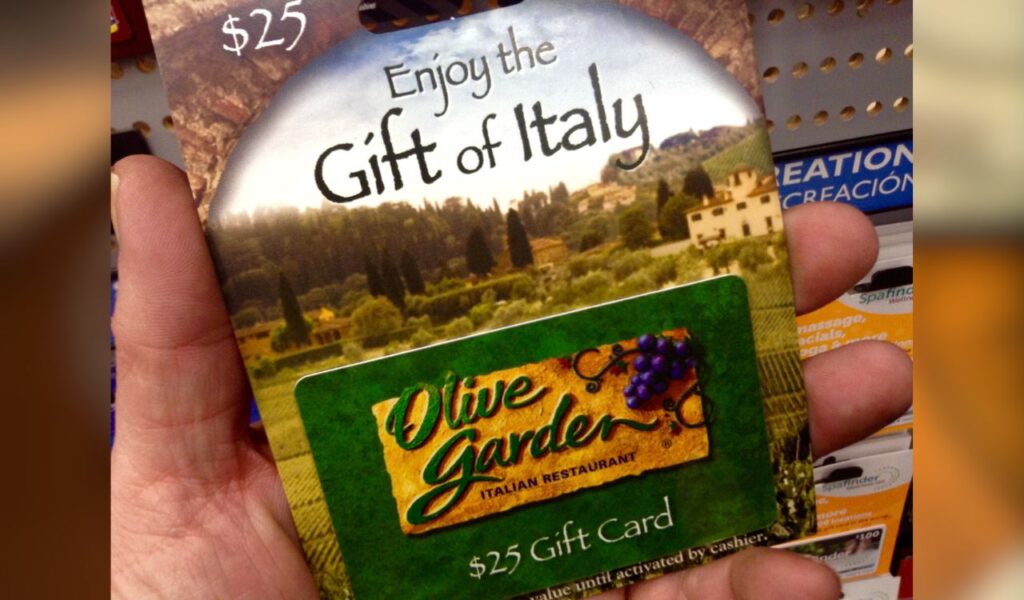
Industry insiders consistently rank gift card manipulation as the most financially damaging restaurant scam affecting customers today. Fraud tracking groups estimate that gift card-related losses across US restaurant chains now exceed $2.1 billion annually, with fewer than 15 percent of affected customers successfully recovering their money. The problem often begins before a diner ever steps inside a restaurant. Customers purchase or reload cards through grocery store racks, online marketplaces, or resale platforms, unaware that card numbers may already be compromised through skimming or prior exposure.
Former managers explain that once a compromised card is activated, balances can be drained remotely within hours or days, sometimes before the intended recipient even attempts to use it. When customers report the issue, restaurants typically redirect responsibility to third-party processors, while payment companies point back to the retailer. Front-line employees often recognize the issue immediately but lack the authority to issue refunds. Because gift cards feel safer than carrying cash and are heavily promoted during holidays, this scam thrives on trust, convenience, and delayed discovery rather than deception at the table itself.
2. Premium Liquor Illusions That Quietly Inflate the Bill
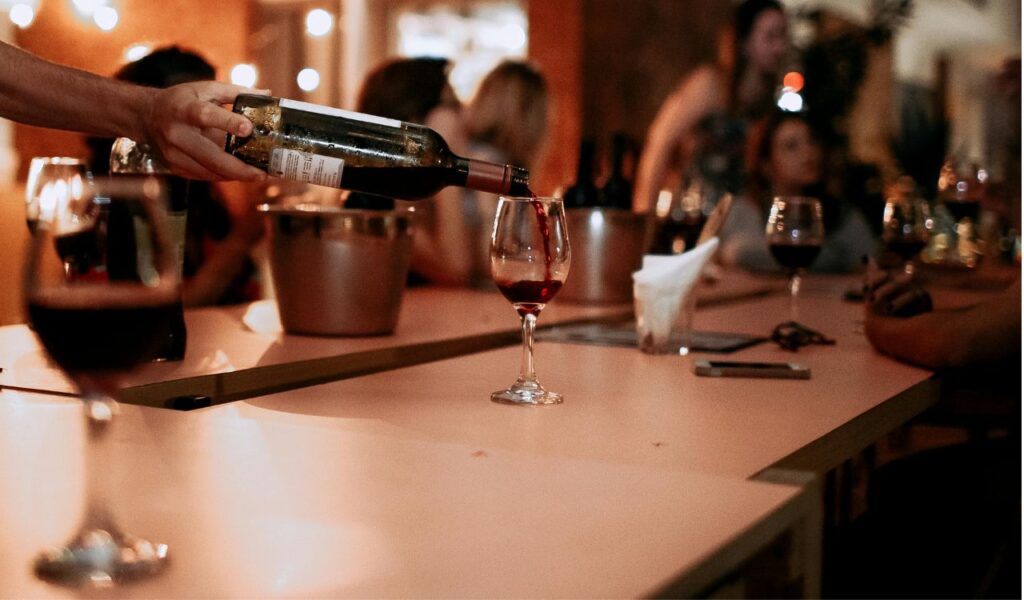
Liquor substitution is one of the most profitable and least challenged practices in the restaurant industry, according to veteran bartenders and beverage managers. Former staff from chains like Outback Steakhouse and LongHorn confirm that well liquor is frequently poured into premium-style glassware unless a customer explicitly requests a brand by name. One ex-bartender described an $8 well vodka being served as a $14 premium pour, creating a 412 percent margin increase without changing the liquid or the recipe.
Detection is difficult because mixed drinks mask flavor differences, especially in loud, dimly lit dining rooms. Customers rely on visual cues such as glass weight, garnish, ice clarity, and menu wording to judge quality. Insiders say this practice becomes more common during peak hours, when speed and volume take priority over transparency. Over the course of a single meal with multiple drinks, liquor substitution can quietly add $25 to $40 to a table’s bill, often without raising suspicion or complaints.
3. Auto Gratuity Calculations That Favor the House
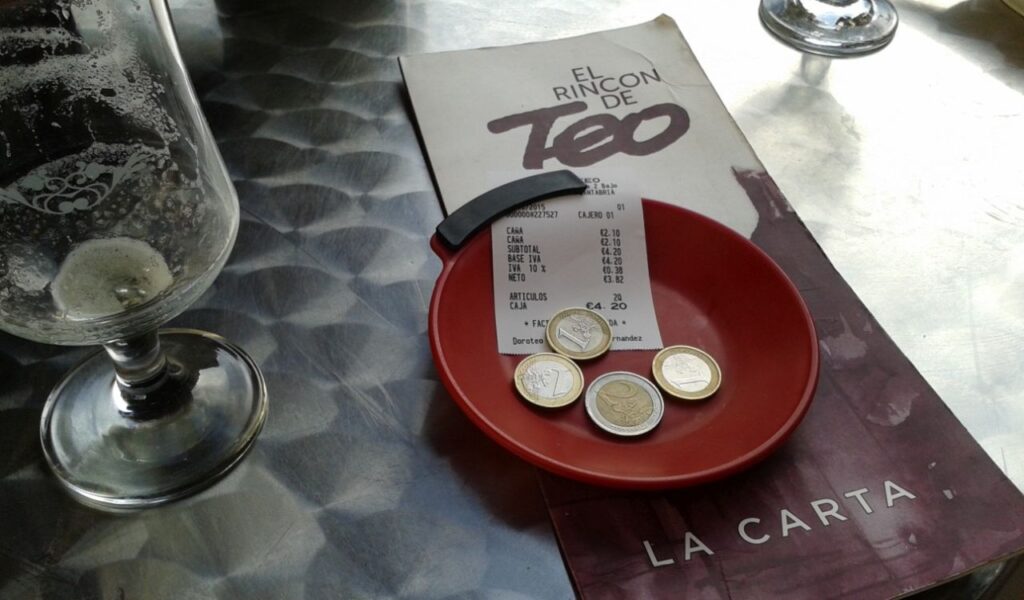
Automatic gratuity policies are increasingly common, especially for large parties and tourist-heavy locations, but insiders say customers rarely understand how these charges are calculated. Former Olive Garden servers confirm that 18 percent auto gratuity is often applied to the pre-discount total, not the final amount after promotions, coupons, or loyalty rewards. This distinction is rarely explained verbally and is easy to miss on itemized receipts. Internal audit data shared by former managers suggests that over 40 percent of gratuity disputes stem from unclear math rather than intentional tipping.
Guests dining in groups often feel uncomfortable questioning gratuity, especially when service staff are present during checkout. Managers acknowledge that small overages frequently go unchallenged, quietly boosting revenue across thousands of transactions. While the practice is generally legal when disclosed in fine print, insiders agree it relies heavily on social pressure, rushed payment moments, and the assumption that customers will not stop to calculate percentages at the table.
4. QR Code Menus That Enable Stealth Price Increases
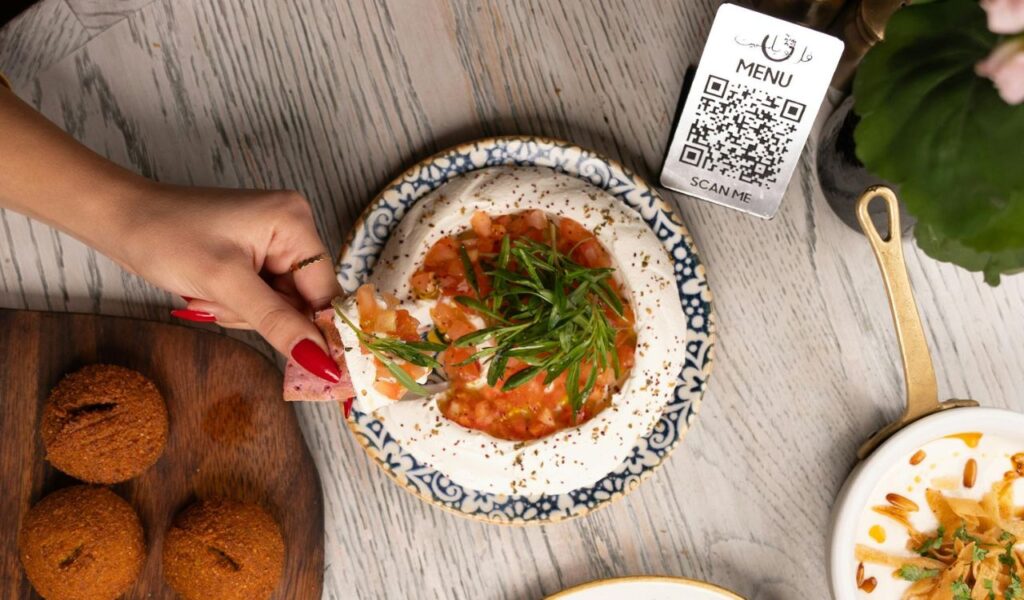
QR code menus were initially introduced as a convenience, but restaurant insiders say they have quietly become one of the most effective tools for increasing prices without customer awareness. Unlike printed menus, digital menus allow chains to adjust pricing instantly, sometimes multiple times a day. In 2025, Buffalo Wild Wings faced widespread customer backlash after diners noticed wing prices increasing from $14.99 to $17.99 on QR menus with no signage, server explanation, or advance notice. Analysts tracking digital menu behavior estimate that QR-based price padding now accounts for roughly $920 million in excess customer spending each year.
Former managers explain that QR systems allow real-time A B testing, meaning restaurants can raise prices during peak hours, sporting events, or weekends, then quietly lower them during slower periods. Printed menus often lag weeks behind digital updates, creating multiple price realities in the same dining room. Customers assume menu prices are fixed, not dynamic, and rarely compare versions unless dining repeatedly. By the time guests notice the increase, it appears on the final bill, when social pressure and fatigue make disputes unlikely.
5. Oversized Plates That Make Smaller Portions Look Generous
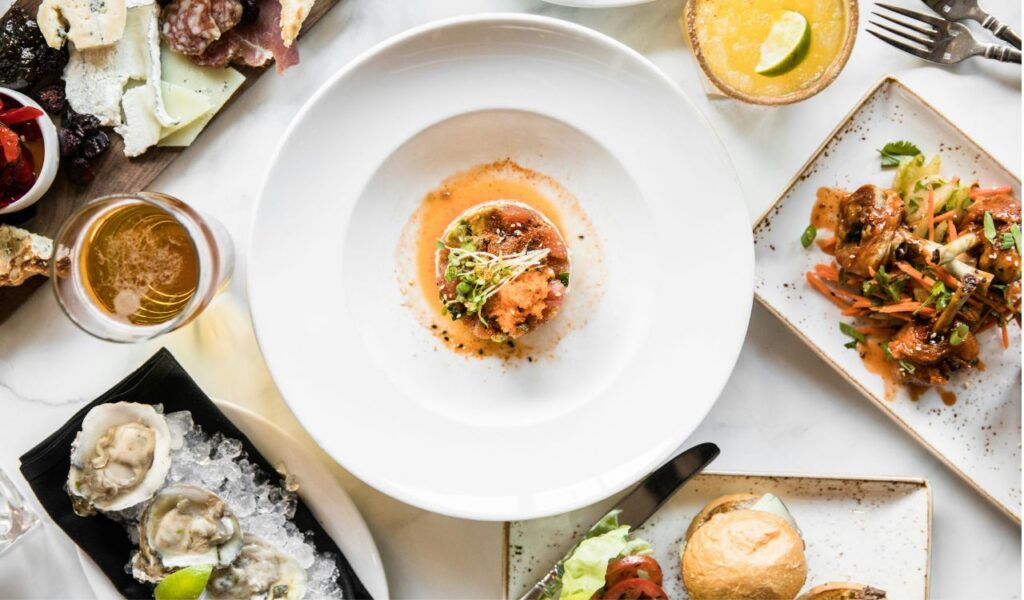
Portion illusion remains one of the oldest and most reliable tactics in the restaurant industry, and insiders say it is still heavily used as food costs rise. A hospitality design study found that a 6-ounce steak appears approximately 27 percent larger when plated on a 14-inch dish compared to a 10-inch plate. Former servers confirm that plate selection is a calculated decision, not an aesthetic one, and is often discussed alongside portion control strategies during management meetings.
As ingredient prices increase, actual serving sizes quietly shrink while plate dimensions grow. Customers respond more to visual satisfaction than weight, which reduces complaints and returns. Insiders say this tactic is especially common at large casual chains such as Cheesecake Factory and Olive Garden, where wide plates, deep bowls, and layered presentation help mask reductions. Diners feel they received a generous meal, even when the portion itself has not changed in years or has been reduced incrementally.
6. Out-of-Stock Drink Switches That Push Higher Margins
One of the least detected but still highly profitable restaurant scams involves strategic drink substitutions framed as availability issues. Former servers from Chili’s and Applebee’s say they were routinely encouraged to claim that a popular low-margin beverage was unavailable, then immediately recommend a higher-margin alternative. Industry estimates place customer losses from these switches at roughly $450 million per year, with detection rates below 25 percent because the interaction feels natural and unscripted.
Customers assume the suggestion is helpful rather than strategic, especially when it is delivered confidently and without hesitation. In fast-paced dining environments, guests rarely pause to question availability or reconsider their order. Insiders explain that the tactic works because it creates urgency and removes choice, steering customers toward items that generate higher profit with minimal resistance. Even a two-dollar increase per drink adds up quickly across thousands of tables each week.
How Diners Can Protect Themselves
Restaurant insiders agree that awareness and slowing down the transaction are the most effective defenses against these common scams. Customers are encouraged to request printed menus whenever possible, verbally confirm liquor brands when ordering mixed drinks, and check gratuity calculations line by line before paying. Photographing the menu or table order can help resolve disputes later. Gift cards should only be purchased directly from restaurants or verified retailers, never third-party marketplaces.
Restaurants rely on speed, trust, and distraction to make these tactics work. Taking an extra minute to verify details often prevents the most expensive mistakes. Most importantly, diners should remember that questioning a bill is not rude. It is a normal part of protecting personal spending in an industry built around fast decisions and subtle upselling.