14 Holiday Décor Trends That Felt Forced This Year
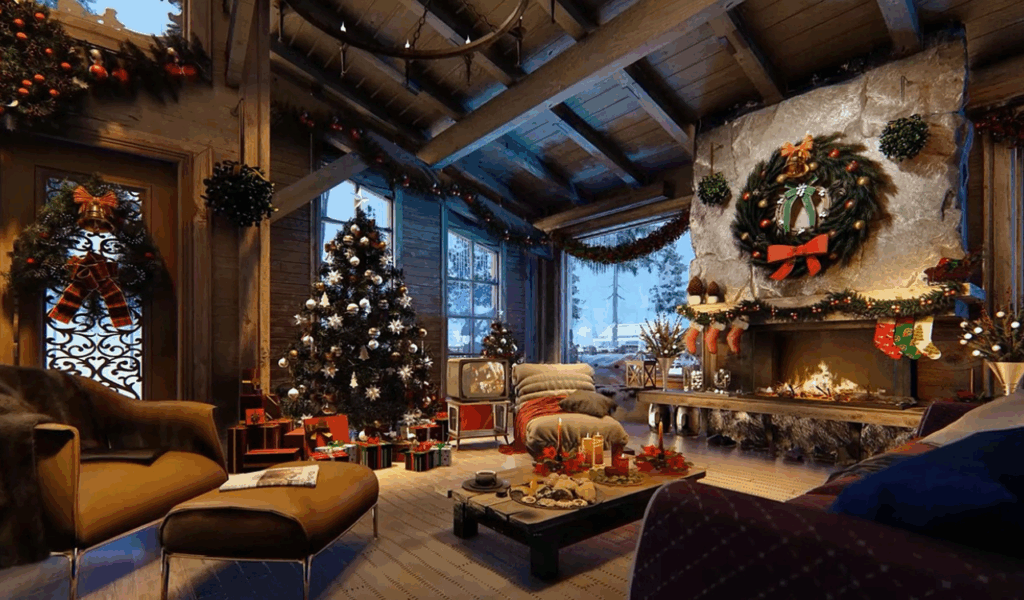
Every holiday season, there are a lot of new decoration ideas that promise to make homes look more festive, but not all of them feel natural or classic. Some things look nice in stylized images but don’t feel right, are hard to use, or are too staged in real life. These fads often come out of nowhere, thanks to social media or store displays, instead of coming from real seasonal customs. Forced design can clutter, stress, and depersonalize a home. Knowing which concepts failed last year may help designers focus on warmth, comfort, and authenticity instead of following every new idea next year.
1. Overly Themed Single Color Rooms
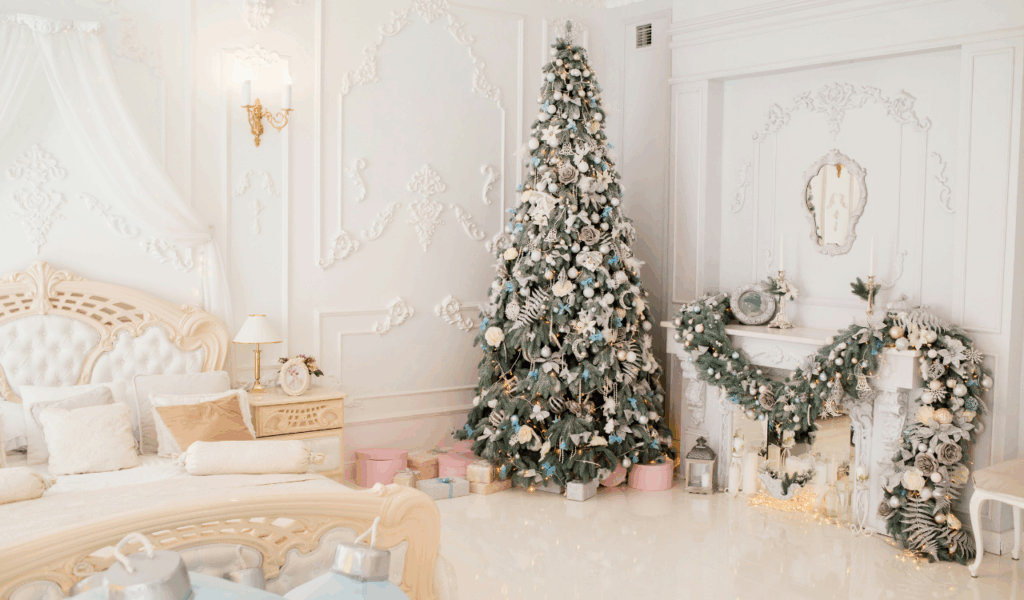
This year, a lot of people talked about how great it would be to decorate a whole room in one bright holiday hue, but many homes found it too much. When the walls, fabrics, decorations, and accessories are all the same bright color, the room can feel flat and boring instead than celebratory. This method often takes away contrast, which is necessary for making things look deeper and warmer. It also makes it harder to mix and match personal decor or utilize things again in the future. Monochrome decor looks well in professionally prepared spaces, but houses that are lived in every day look better with layered tones and balanced accents.
2. Excessive Oversized Ornaments
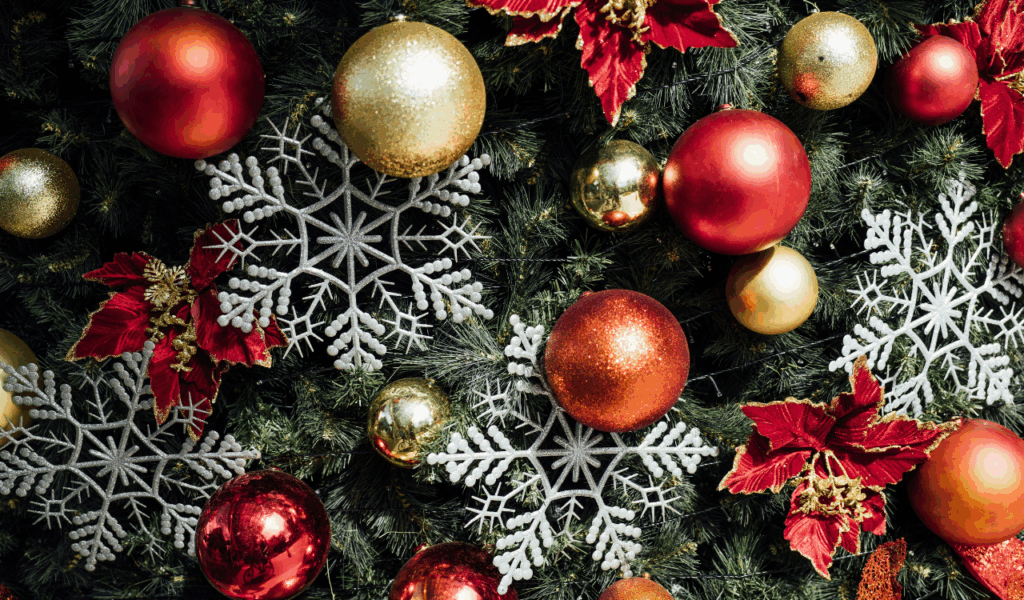
Big decorations came back in a big way, although they were often impractical and disruptive in many places. Big pieces can take over trees, shelves, or mantels, leaving little room for important details. They are also harder to store and more likely to get broken. These decorations can make rooms feel small in smaller homes. A space can be made more interesting by adding a few statement items, but if you employ a lot of large decorations, you run the risk of losing balance and losing the function of the area. It is common for traditional dimensions to create a more-friendly and adaptable atmosphere during an occasion.
3. Artificial Snow Everywhere
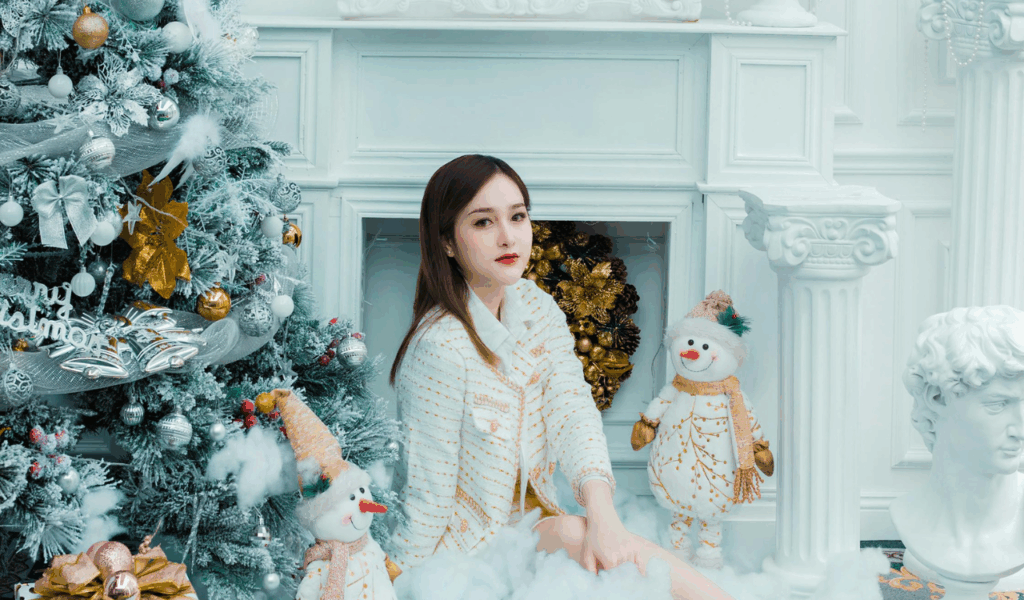
This season, a lot of people utilized artificial snow sprays and flocking kits, but many thought they were messy and didn’t last long. Putting snow on trees, windows, and decorations can be fun at first, but cleaning it up can be hard and take a long time. Flocked surfaces might lose their flocking, accumulate dust, or break fragile things. I When the temperature is higher, the impact may appear to be out of place in comparison to the rest of the environment. An excessive amount of fake snow did not always make people feel more cheerful; rather, it occasionally made things chaotic and frustrating rather than warm.
4. Ultra Minimal Holiday Trees
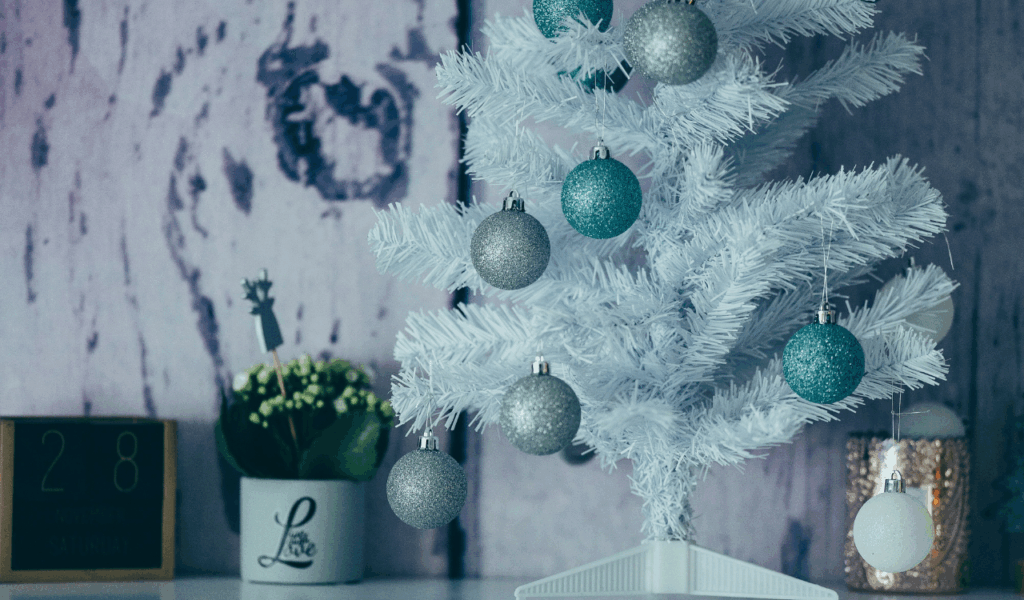
A number of individuals used fake snow sprays and flocking kits this year, but many believed they were messy and didn’t last long. Putting snow on trees, windows, and decorations can be fun at first, but it can be laborious and take a long time to clean up. Flocked surfaces could lose their flocking, get dirty, or damage things that are easy to break. In warmer regions, the influence could not fit in with the rest of the environment. There were instances when people did not feel more merry when there was an excessive amount of fake snow; there were also moments when it made things more chaotic and bothersome rather than comfortable.
5. Statement Garland Overload
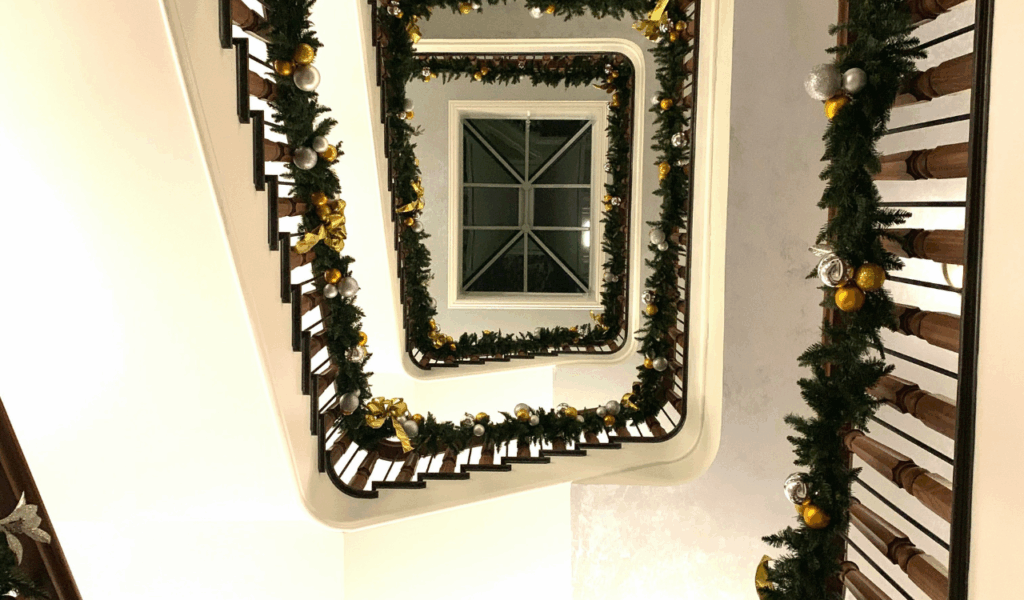
This year, people utilized a lot of garlands to decorate mirrors, cupboards, door frames, and stairs. Garlands provide plants and movement, but too many can make architectural elements look overly busy. When every edge is covered, there is no area for the eye to rest. You also need to take care of garlands to keep them looking fresh, because fabrics that sag or dry out quickly lose their charm. There is a possibility that placing plants on every surface would make things appear overly cluttered and artificial. Garlands that are arranged in the appropriate manner may have a more natural and appealing appearance.
6. Trend Driven Color Palettes
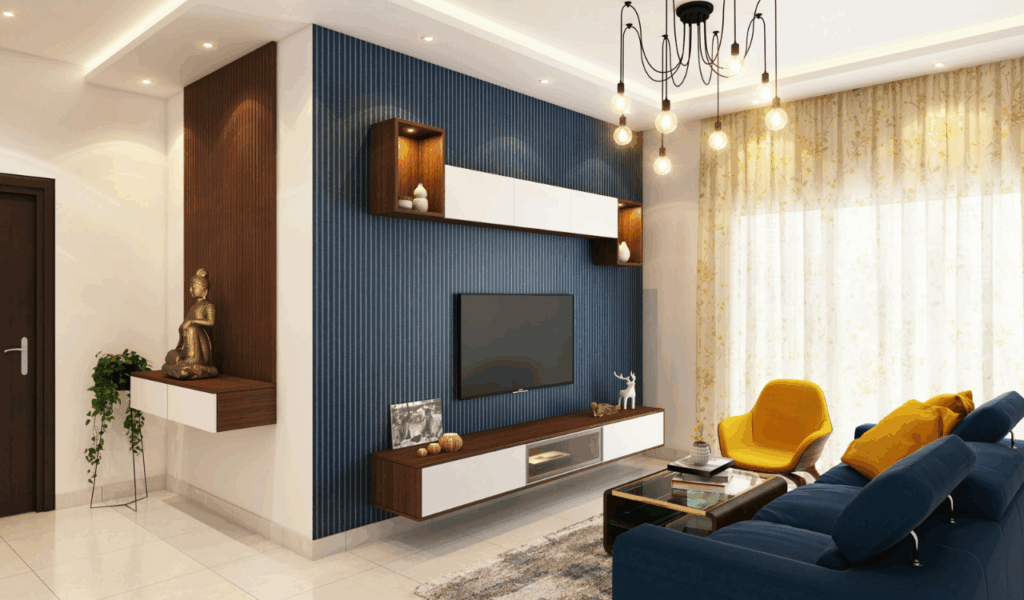
People often felt like they had to have strange color combinations that were pushed as must-have fads. Palettes with colors that aren’t usually found in furniture or home decor can clash with them. Following these trends may mean getting rid of perfectly nice things, which costs more and creates more trash. The interior design may give the impression of being out of place if the colors do not correspond to the style of the rest of the property. It is not necessary to create a whole new appearance for each season if you use timeless color schemes because they tend to blend better and appear more festive.
7. Excessive Inflatable Decorations
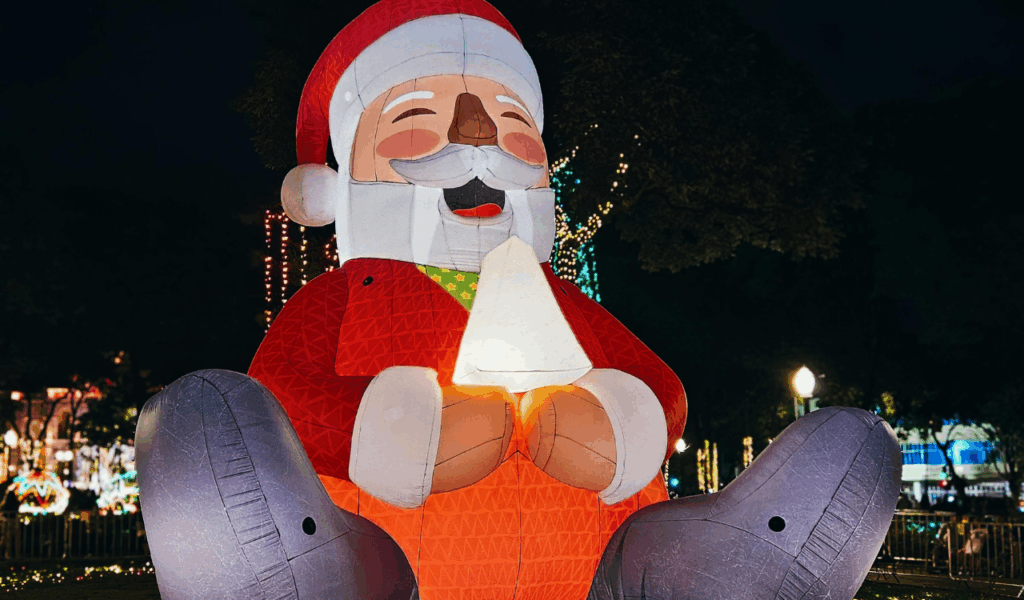
There were still big inflatable decorations outside, but most people felt they were more fascinating than charming. Inflatable decorations may take over yards and doorways, and they can even make the outside of a house look overly cluttered. They also need a regular source of electricity, which makes people worry about how useful they are and how much energy they use. Durability could be an issue because the weather can cause wear and tear or damage. Inflatables are fun in small amounts, but if you use them too much, they might get boring. Strong outdoor design that has been carefully chosen may make a space feel warmer.
8. Over Styled Shelf Displays
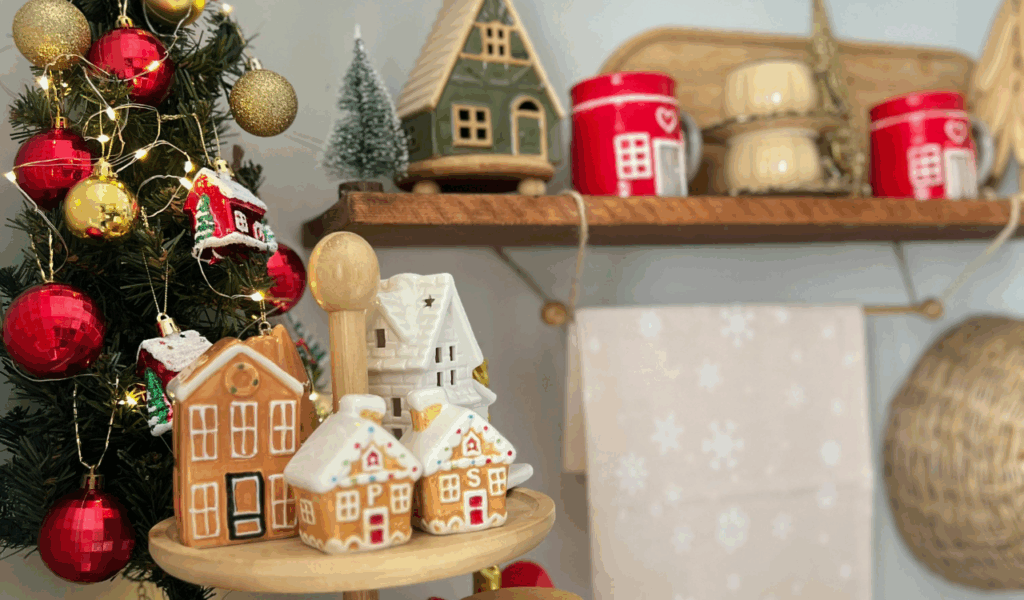
This year, really stylish holiday shelves were popular, but many families had trouble keeping them clean. To keep things balanced, free of dust, and safe from daily use, you need to pay attention all the time. Shelves full with fragile decorations can make it hard to use a room every day and make it feel like you can’t touch anything. These displays sometimes looked more like showroom setups than real-life settings in houses that were bustling. The need to be perfect might take the fun out of decorating. Practical decor that lets shelves stay useful usually feels more real, lasts longer, and is easier to live with during the season.
9. Forced Rustic Elements
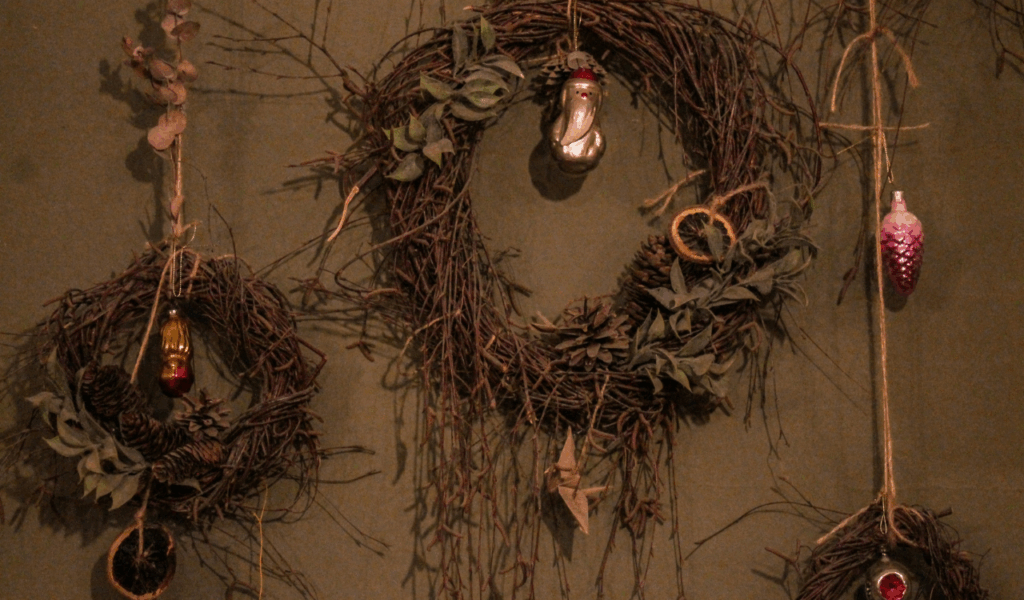
There was a lot of advertising for rustic holiday decorations, but they often looked out of place in homes that already had a different style. Fake aged materials or finishes that look like they’ve been through a lot can look fake instead of comforting. Rustic elements can seem bad in modern or classic rooms if they don’t have real textures or the right setting. Forced rustic decor didn’t always make things warmer; occasionally it made things look confusing. Authenticity is quite important for good decorating. Styles that don’t fit a room organically typically lose their attractiveness when used without thinking about it.
10. Overloaded Entryway Décor
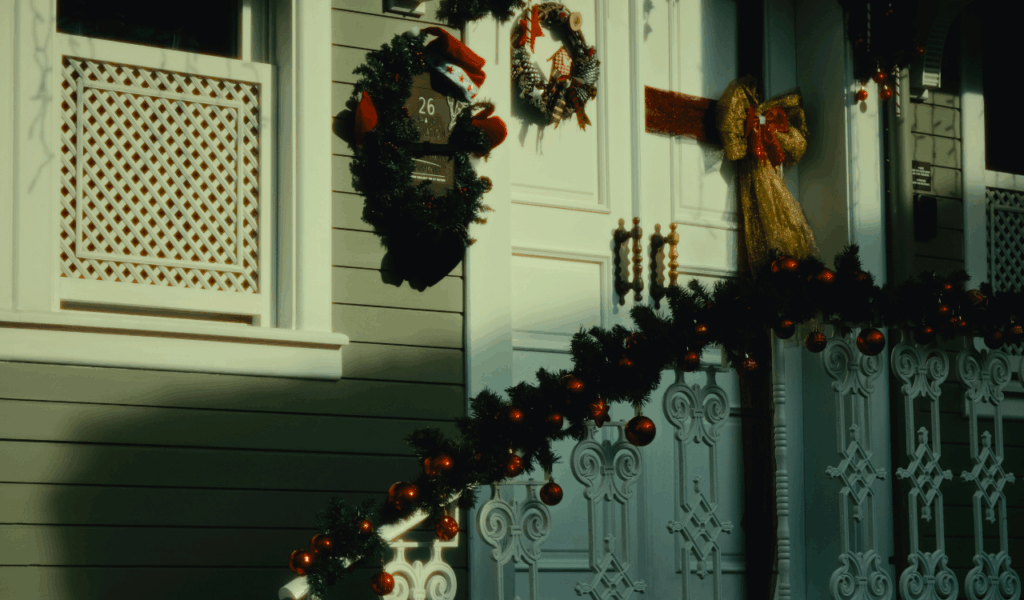
This season, entryways become a big part of home decor, sometimes too much. Putting up signs, trees, baskets, and layered decorations in these areas might make it harder to move around and make them less useful. Entryways get a lot of foot traffic, so they need to stay functional, especially when there are a lot of people around or it’s a busy morning. When decorations get in the way of daily tasks, they can soon become annoying. Many people thought that simpler arrangements made a better first impression. Finding a balance between festive design and practicality worked far better than cramming too many people into the room.
11. Novelty Table Settings
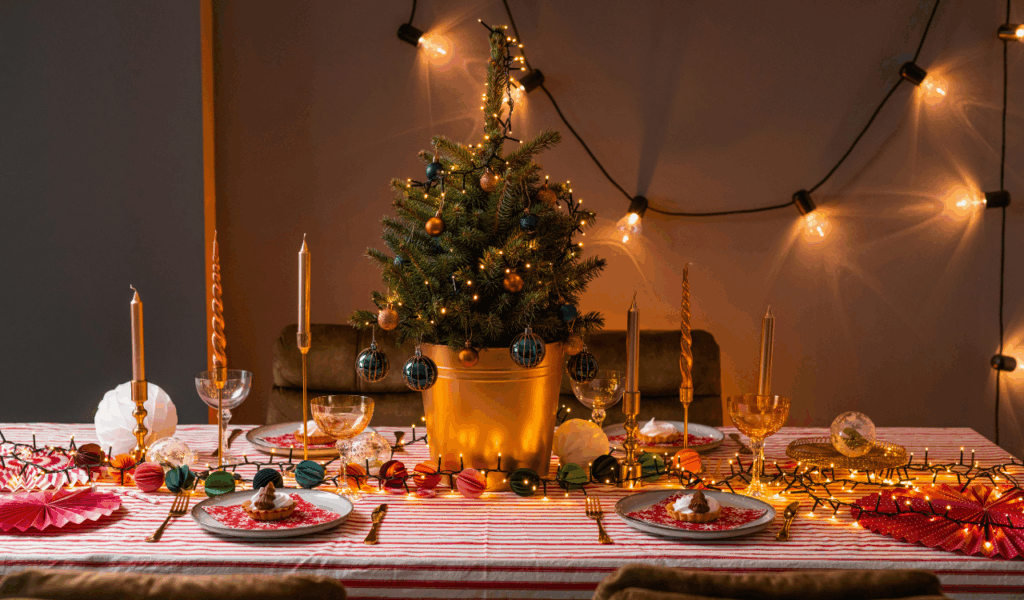
A lot of people online liked really themed table settings, but they didn’t think they would work for real meals. It can be challenging to serve food and clean up afterward when you have layered centerpieces, unusual dishware, and fancy place settings. It could be challenging for guests to eat if they don’t want to move about during a formal lunch. Tables shouldn’t get in the way of comfort or conversation. In fact, simpler table decorations typically made the party more pleasant and less stressful. It felt friendlier when settings could be altered to make the table better instead of taking it over.
12. Artificial Scent Saturation
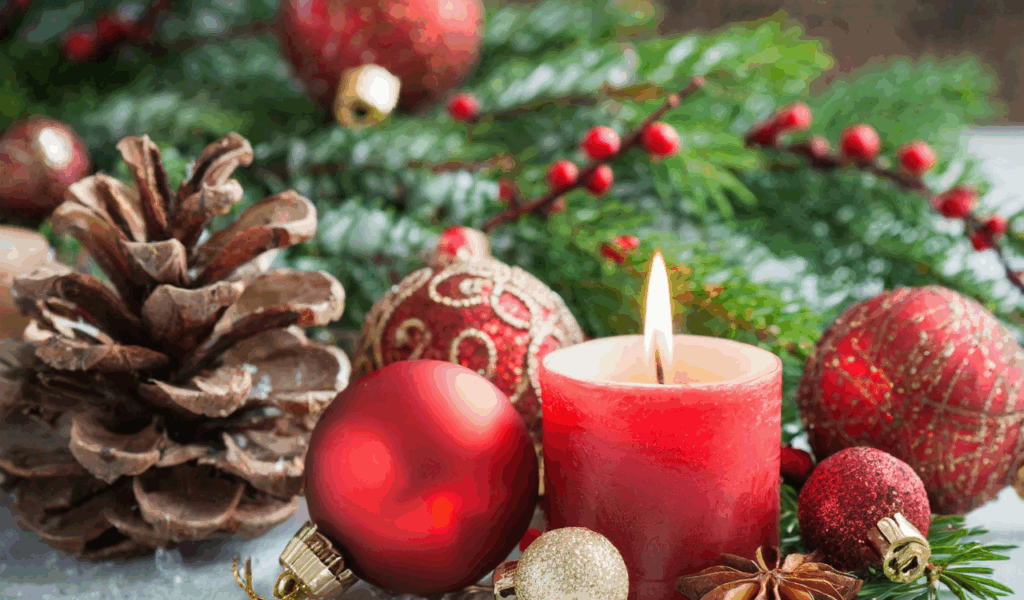
Many others considered the strong artificial Christmas scents too strong, even if they were used a lot. Guests may feel uncomfortable, get headaches, or have allergic responses if you utilize too many scented decorations or fragrance products. When you mix several odors, they typically make the air feel heavy or bad. Too much fragrance can take away from the whole experience instead of adding warmth. Natural scents that aren’t too strong usually feel more inviting and less obtrusive. The Christmas decorations are designed to create a warm and inviting ambiance, but when the smell is too strong, it completely destroys that atmosphere.
13. Over Coordinated Gift Wrapping
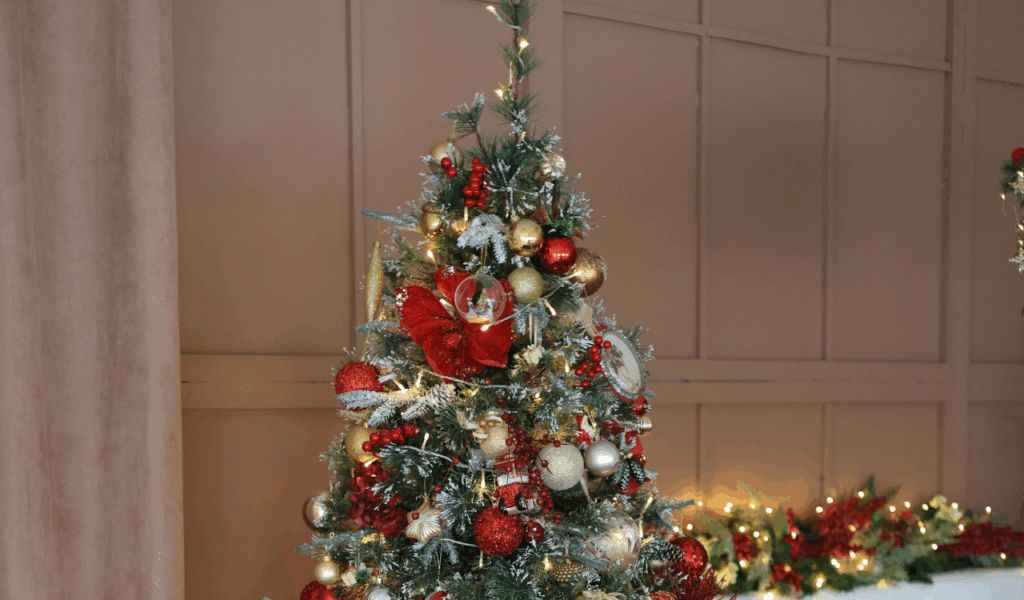
Many families found perfectly matching gift wrapping burdensome and unnecessary, even if it became popular. It takes time, planning, and extra money to find paper, ribbons, and tags that go together. Once the gifts are opened, most of this work is thrown away. Donating can be less enjoyable when there is a requirement to maintain the status quo. A great number of individuals preferred wrapping styles that were less complicated and felt more personal and less formal. Regarding the manner in which you offer anything, it is not necessary to be extremely meticulous about it in order for it to appear significant.
14. Temporary Trend Décor Pieces
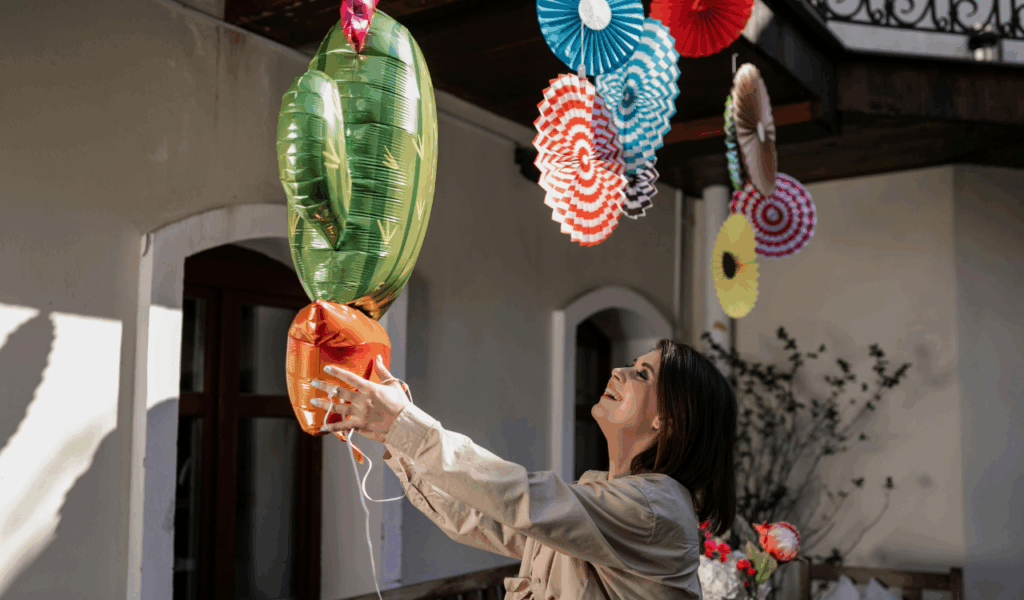
Alena Darmel/pexels At times over this year, it seemed like a waste of money to purchase decorative items that were only intended to be used for a fleeting fad. Items that are not going to be used again in the near future take up space and make things more chaotic. During the course of a single season, as fashions shift, these objects may appear to be out of date. People are typically happy when they get adaptable decor that can be changed throughout the course of their lifetime. It is often true that long-term objects have a greater sense of purpose, and they also reduce the likelihood that you will desire to modify your décor frequently.