9 Restaurant “House Specials” Bartenders Push to Move Slow Inventory

When a waitress eagerly suggests a “house special” drink or dish, they are often doing so to help the restaurant’s bottom line, not because it’s a great dish. According to industry experts and experienced restaurant managers, the “Special of the Day” is often used to get rid of items that are about to go bad or that are taking up valuable storage space. Experts in the kitchen say that these things are carefully chosen since they help the kitchen or bar keep a high profit margin while getting rid of stock that isn’t selling quickly enough before it becomes a total loss.
People who work in hospitality say that staff members are regularly given “prizes” or “bonuses” to sell these specific things throughout their shifts. Experts believe that the main purpose is frequently inventory rotation, even though the description may sound artisanal or one-of-a-kind. A house special is often a savvy method to repackage items that didn’t sell earlier in the week, not the chef’s latest innovative achievement. Knowing how these suggestions work might help you tell the difference between a real treat and a smart way to clear out your stock.
1. The Overly Fruity Red Sangria
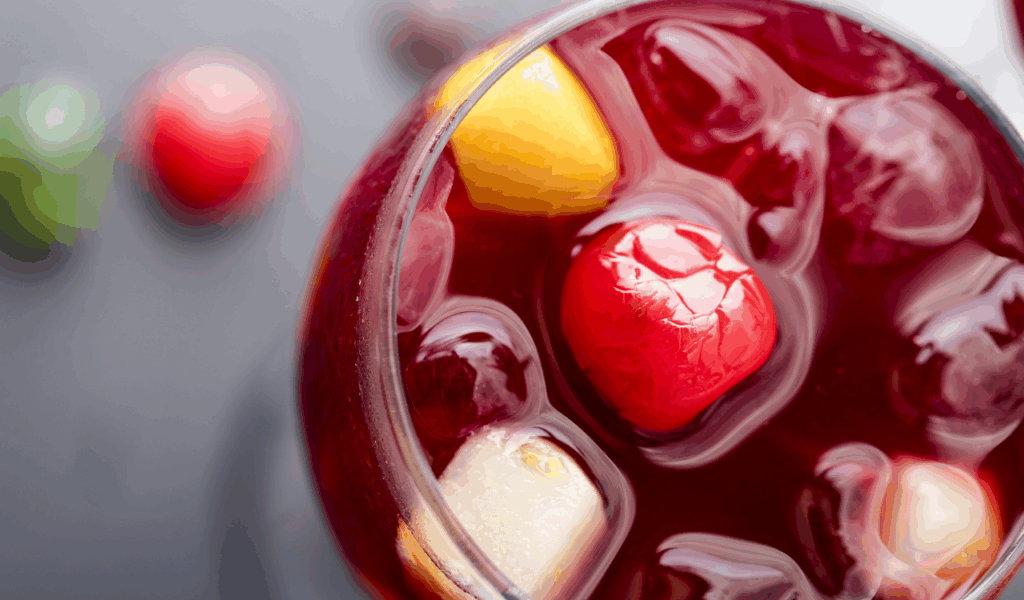
Red sangria is the best way to use up open bottles of wine that aren’t quite fresh enough to drink but aren’t nearly vinegar yet. Wine experts and beverage directors say that the flavor of a bottle of wine starts to change a lot once it has been open for more than 48 hours. Bar managers say that adding a lot of brandy, sugar, and citrus fruit to older wine hides the fact that it has oxidized, which lets the restaurant sell wine that would otherwise go down the drain.
By calling it a “House Signature Sangria,” businesses can charge more for a drink crafted from leftovers. Experts argue that the heavy fruit maceration is meant to disguise flaws in the wine base, so that every glass tastes the same, even though the ingredients are of different quality. Bartenders say that the cocktail is refreshing, but they don’t often use the high-quality, fresh-corked bottles that they would use to serve a glass of Cabernet or Merlot on its own.
2. Infused Vodkas with Heavy Botanicals
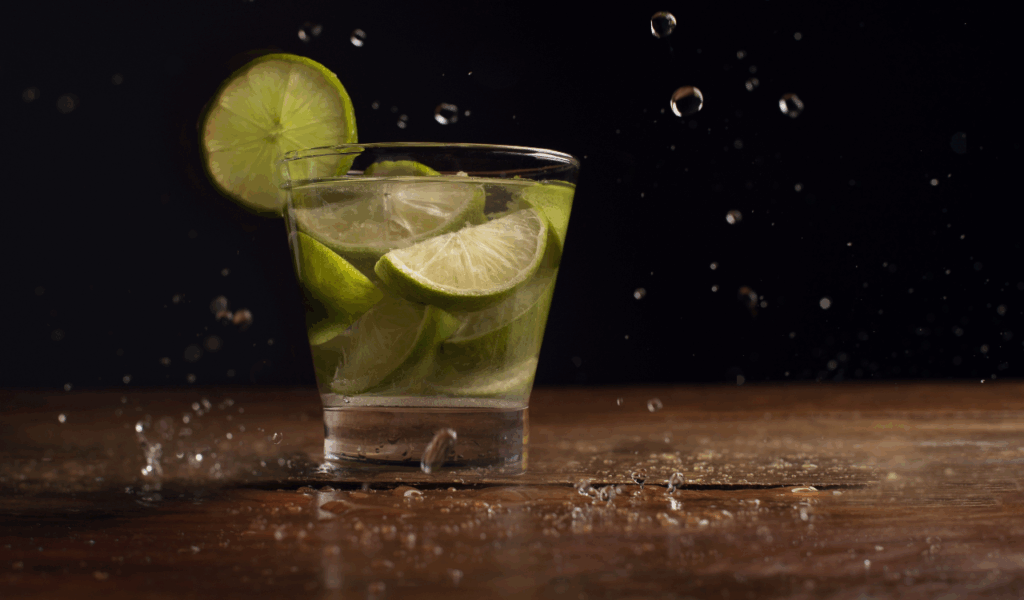
House-infused spirits are typically thought of as a luxury craft, however they are commonly utilized to use up lower-quality spirits or old fruit. Experts say that strong flavors like jalapeño, pineapple, or vanilla can take over the taste buds, making the quality of the base alcohol essentially unimportant. Professional distillers say that adding flavor to a spirit is a standard method in the industry to make a “well” liquor that has been sitting on the back bar for months seem more valuable.
Experts say to be careful with infusions that are highly spicy, sweet, or strong, because these are the greatest at disguising defects. Bartenders often push these infusions because they are cheap to make but seem like they are worth a lot. Experts argue that some infusions are truly artisanal, but many are just a method to get rid of stock that isn’t selling on its own. If a bar suddenly has too many cucumbers or hibiscus, you can be sure that a “specialty infusion” will be on the menu soon.
3. The “Secret Recipe” Seafood Stew
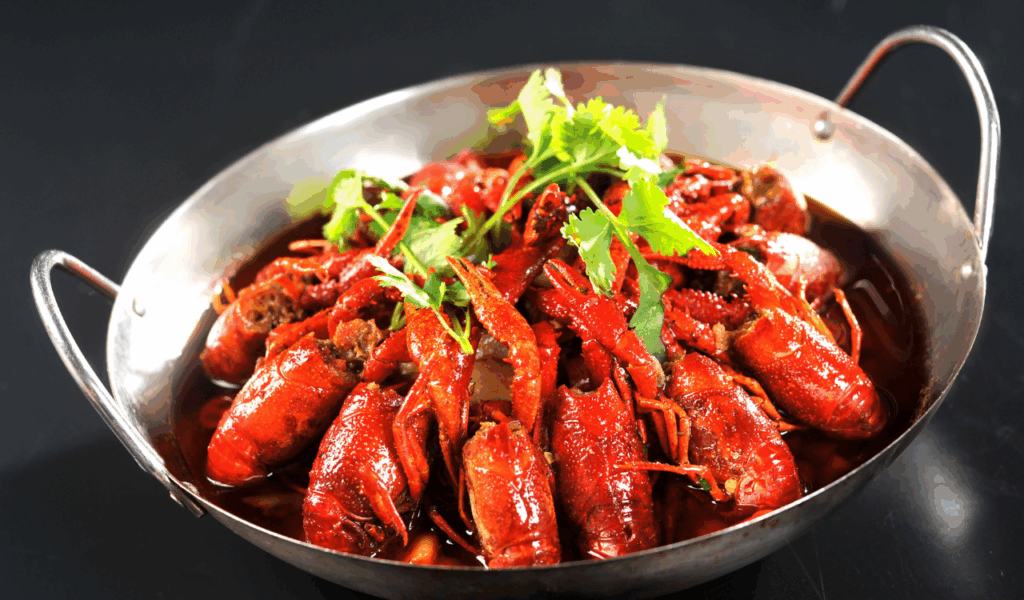
Bouillabaisse and cioppino are classic seafood stews, but they’re also known in the business as “refrigerator cleaners.” Culinary teachers say that little amounts of different fish, shrimp, and scallops that aren’t big enough for a complete meal are great for a stew. Food safety experts say that as long as the seafood is still safe to eat, boiling it in a highly seasoned tomato or saffron broth is a common approach to make the most of your stock.
Chefs say that the strong spices and long cooking times are great for bringing together different kinds of seafood that might not be as fresh as others. Experts say that if the seafood stew is only available for one day, it’s probably because the kitchen needs to make room for a new cargo of fish. It tastes great, but it’s not always the freshest fish in the building. That’s why experts frequently advocate ordering the daily catch if you want the best quality.
4. Frozen “Island Style” Blended Drinks
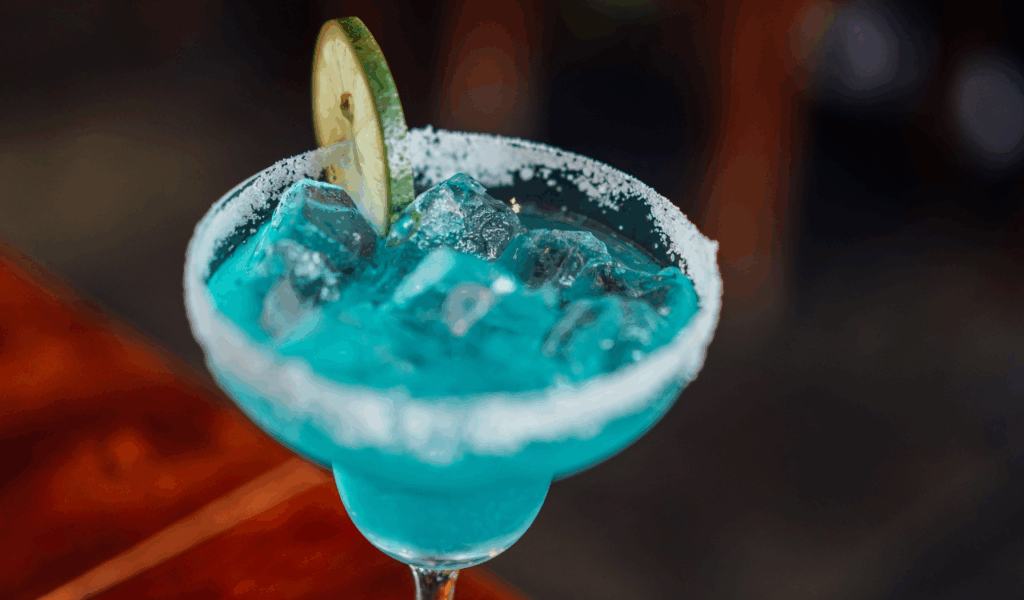
Blended tropical beverages are often utilized to get rid of a lot of generic mixers and fruit purees that are about to go bad. Beverage experts say that the extreme cold of a frozen drink numbs the taste receptors, making it hard for the guest to tell how good the alcohol is or how fresh the juice is. People who work in the sector say that these “House Specials” are typically made in huge batches ahead of time, which lets the bar get rid of a lot of slow-moving stock with little effort.
Bartenders commonly suggest these drinks at happy hour or as a “summer special” because they are quick to make and make a lot of money. Experts claim that the drink’s high sugar content and ice volume hide the fact that it doesn’t include any high-end whiskey. If you notice a lot of ads for a machine-whirled frozen margarita or daiquiri, experts say it’s probably a way to get rid of concentrates that were bought in bulk and need to be used up before the season ends.
5. Loaded Potato Skins or “Nacho” Platters
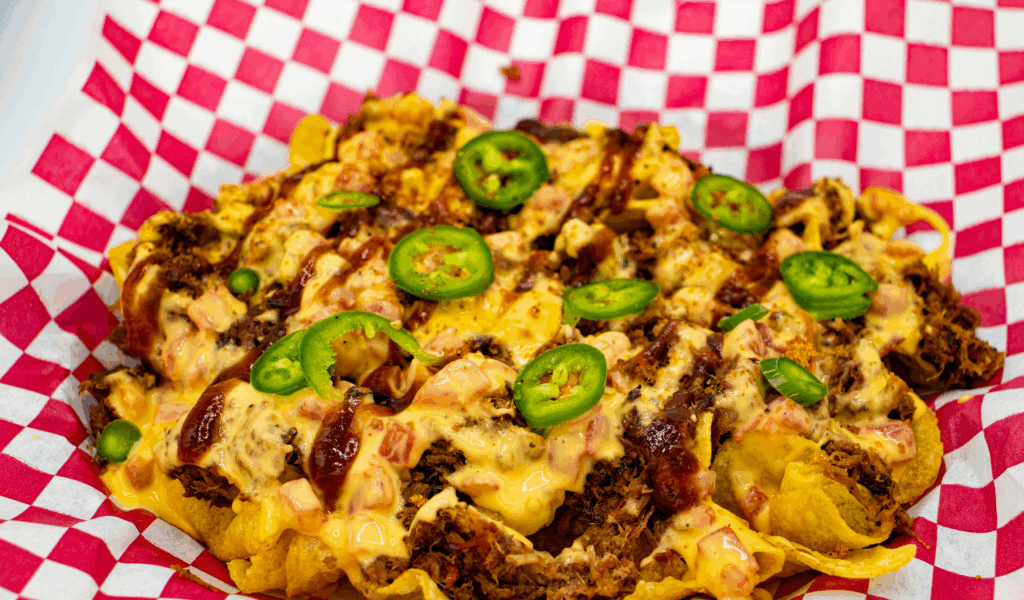
Appetizer specials like huge nacho platters or loaded potato skins are meant to use up the leftovers from other meals. Professional flippers and restaurant managers say that these foods are mostly made up of cheap carbohydrates with bits of meat and cheese on top. Kitchen supervisors say that the ends of prime rib, the smaller parts of chicken breast, or the bacon bits left over from breakfast service all go to the “Special Loaded Platter” so that food doesn’t go to waste.
Experts in food say that these foods are very “craveable” since they have a lot of fat and salt in them. This means that they sell quickly when staff members push them. Since other menu items have already paid for these ingredients, the restaurant makes practically all of the money on a ten-dollar plate of loaded skins. Experts say that while these are tasty, they are really just a way to control inventory while also being a crowd-pleasing starter.
6. Mulled Wine and Spiced Ciders
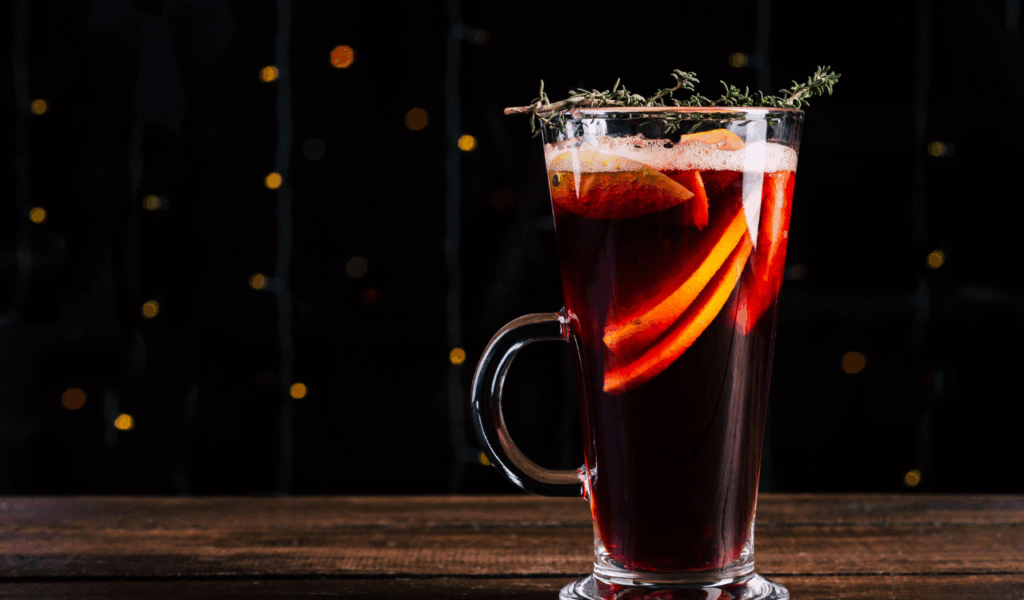
Restaurants often have too many winter wines or fall ciders that won’t keep fresh till the next year when the seasons change. Beverage directors say that the oldest method in the book for bringing a drink back to life is to heat it up with cinnamon, cloves, and star anise. Sommeliers say that the heat and spice affect the drink’s chemistry so much that any “off” notes from older stock are no longer perceptible.
Bartenders typically recommend them as a “cozy house special” since the delicious smell fills the dining area, which makes people want to buy more. Experts believe that the restaurant can employ bottles that may not have been preserved in the best circumstances because the wine or cider is being heated or simmered. If a restaurant is promoting mulled drinks late in the season, it’s almost definitely to make room in the cellar for the new stock that will come in the spring.
7. The “Everything” Meatloaf or Meatballs
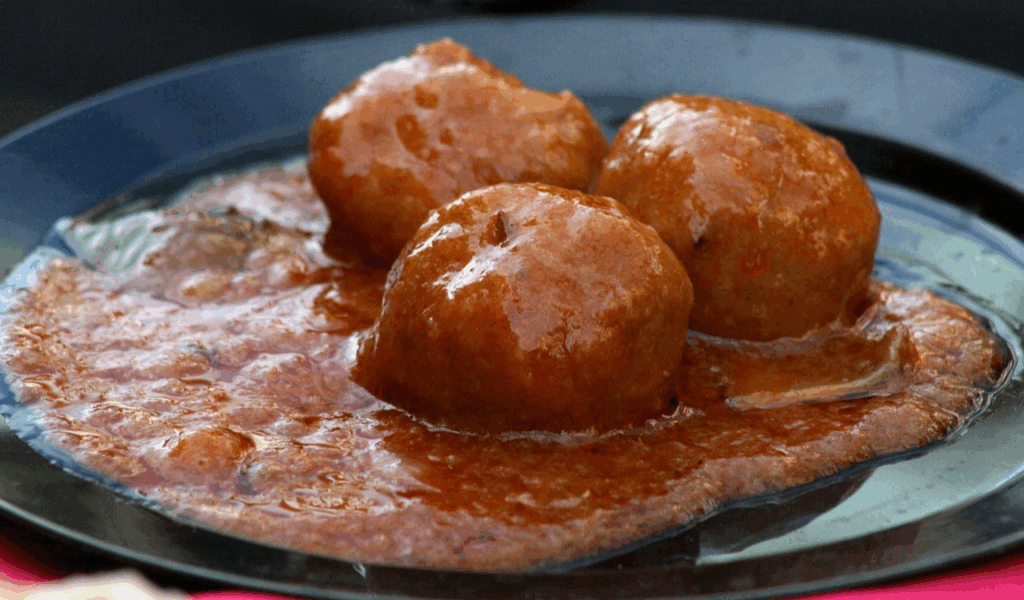
Meatloaf and meatballs are like the “kitchen sink” of cooking; they often use up different kinds of ground meat that need to be utilized right away. Professional chefs say that these meals let the kitchen mix together scraps of beef, pork, and occasionally even veal or lamb into one dish. Experts argue that adding breadcrumbs, eggs, and strong sauces keeps the texture the same no matter what the meat ratio is that day.
Food safety experts say that this is a safe and effective approach to cut down on waste as long as the meat is cooked to the right internal temperature. However, staff members say that the “House Special Meatloaf” is not often produced with the best pieces of meat of the day. It is not a technique to sell steak or chop; instead, it is a smart way to get rid of inventory that can’t be sold as steak or chop. If you want a high-quality protein experience, experts say that a ground meat special is usually not the best option on the menu.
8. Mystery “House Punch” Bowls
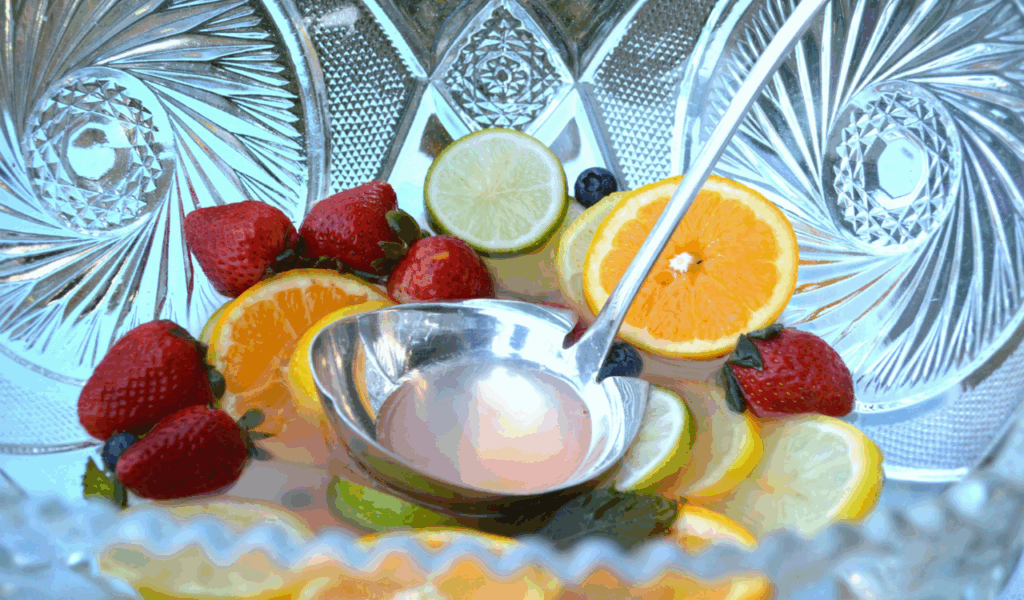
People love punch bowls, but they are also a good place to put “orphaned” bottles of alcohol. Bar consultants say that when there are only two or three ounces left in a bottle, it is often poured into a “punch base” instead of being thrown out. Veteran bartenders say that a house punch can have a blend of three different rums, a splash of gin, and several fruit juices, all topped with soda. This makes a drink that is strong but chemically complicated.
The point of a punch special is to give people a lot of alcohol at a price that seems low, which makes them want to purchase more. Experts claim that the “recipe” can change a little bit from hour to hour because the ingredients are so different and the bottles are being finalized. These deals are a great way for the bar to clean up its shelves while still making sales. They are entertaining and social at the same time.
9. Bread Pudding with “Bourbon Sauce”
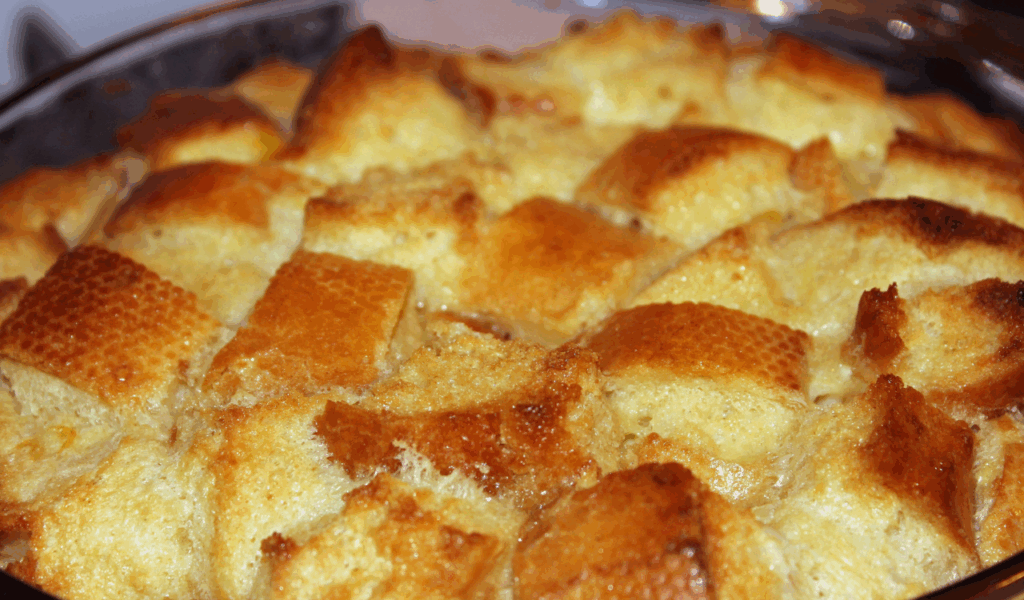
Bread pudding is the famous way to use up stale bread and leftover custard bases in the dessert industry. Pastry bakers say that they collect day-old croissants, brioche, and even dinner rolls throughout the week to make this thick, sweet treat. Culinary experts say that adding a thick bourbon or caramel sauce is necessary because it makes the dish feel “premium” and adds moisture. This is basically a dish made with leftovers.
Restaurant managers favor bread pudding since it is one of the cheapest foods to make in the kitchen. Experts argue that it can be a tasty comfort dish, but it’s nearly always a way to make sure that not a single loaf of bread is ever really wasted. If bread pudding is the only “daily special” dessert, experts say that the kitchen is doing a great job of keeping track of its bakery stock so that it makes the most money possible.