
6 Holiday Take-Out Feasts Called Out for Hidden Fees and Misleading Portion Sizes

Holiday take-out is supposed to make life easier. You place an order, pick up a beautifully packed feast, and enjoy the break from cooking. But lately, many diners have noticed a different story unfolding. Hidden fees pop up at checkout, festive bundles arrive smaller than advertised, and seasonal surcharges quietly inflate the bill. What looks like a generous holiday spread online can feel underwhelming once unboxed at home. These issues aren’t about picky expectations. They come from a clear gap between what restaurants promise and what customers actually receive during one of the most important meals of the year.
1. Holiday Family Meals With Surprise Staff Or “Benefits” Surcharges
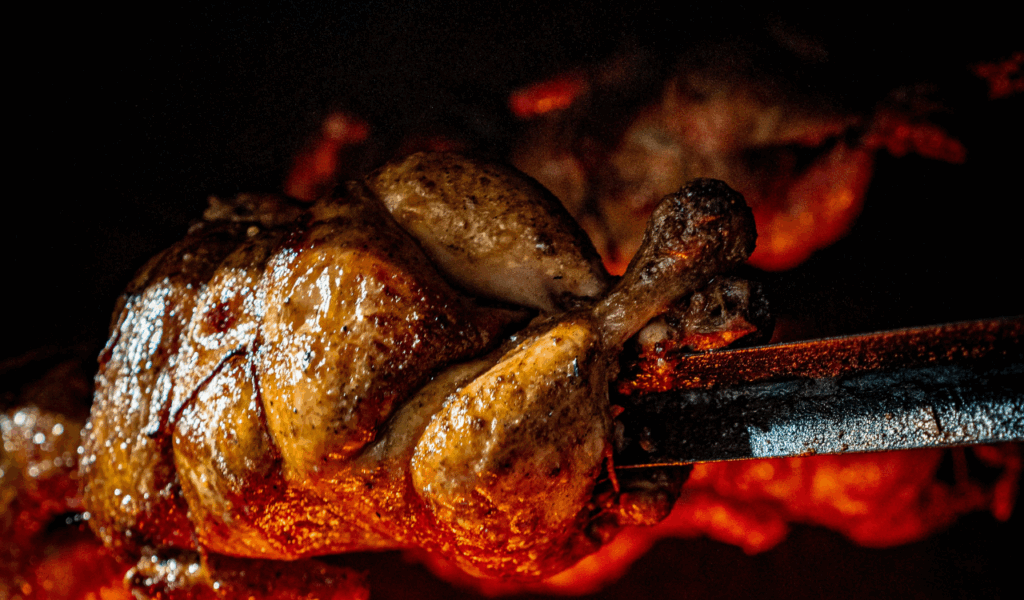
One of the most frustrating experiences for customers ordering a holiday feast is seeing a mysterious extra line on the bill right at the end. Some chains now add automatic “employee benefits,” “kitchen support,” or similar surcharges to take out checks. On the surface, the idea sounds positive because most people support better wages and benefits. The problem is transparency. Diners usually only see these charges after they have chosen the menu and are ready to pay, which makes the fee feel hidden rather than honest. When menu prices are already higher for holiday bundles, that extra five or ten percent can feel like a quiet upcharge instead of a genuine choice.
2. Delivery App Holiday Feasts Loaded With Hard-to-See Service Fees
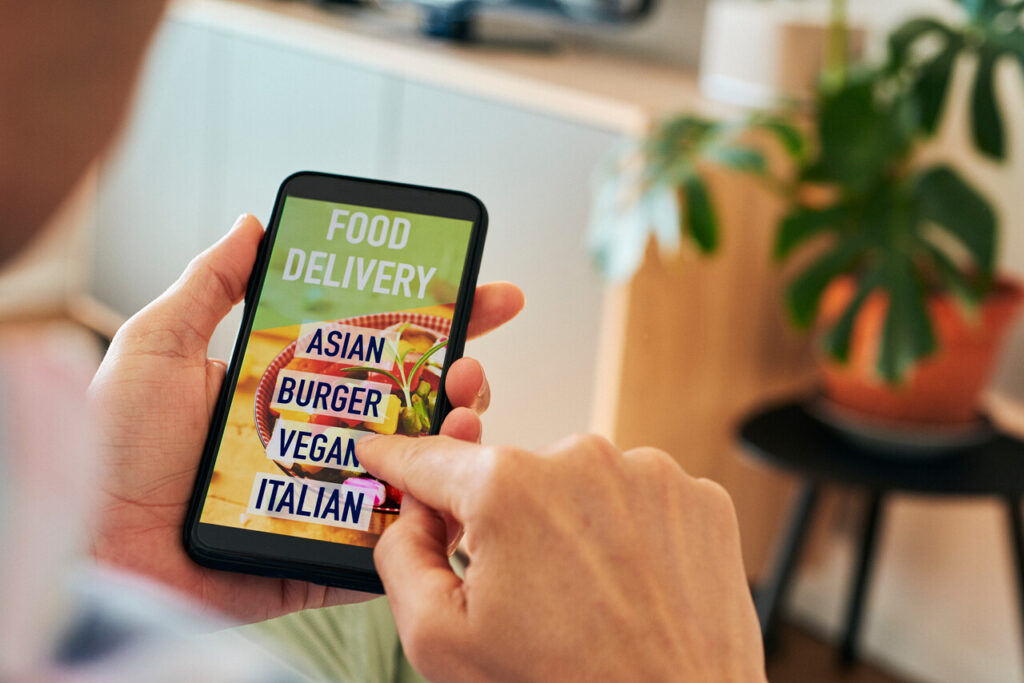
Ordering a festive spread through delivery apps looks simple. You pick a special family bundle, see a subtotal that feels manageable, and hit next. Only at the final stage do all the layers appear. Service fees, delivery fees, platform fees, and sometimes small order surcharges stack on top of taxes and a tip. The restaurant may also have raised menu prices on the app compared with in-store rates. By the time the final total shows, the cost can be significantly higher than the food value alone. For holiday take-out, where people often order more dishes than usual and maybe from multiple places, these multipliers add up fast.
3. Holiday Platters Quietly Shrunk Under “Updated Menu” Or “Right-Sized” Labels

Another common move during peak seasons is to adjust portion sizes while keeping the dish names and photos the same. Restaurants may talk about “right-sized portions” or “updated recipes,” but the practical effect is less food in the box. A turkey or roast platter that once reliably fed six might now realistically serve four with modest appetites. Side dishes can be poured into slightly smaller containers or filled less generously while still being described as “family size.” Because people usually base their orders on experience or the serving claims on the menu, they only discover the change when they start plating at home. On holidays, this can be particularly stressful because there is little time to compensate.
4. Stacked Seasonal Surcharges That Turn Convenience Into Sticker Shock

Around big holidays, many restaurants and delivery services quietly introduce seasonal surcharges. These might be labeled as “peak day fees,” “holiday operating charges,” or simply blended into higher service fees. Each add-on may not look shocking, but when they are combined, they push the final bill far beyond the advertised cost of the meal. A family who thought they were paying a set price for a special festive pack might discover that ten to twenty percent has been added in various forms by the time payment is processed. Since these charges often appear late in the ordering flow and are described in vague terms, diners struggle to compare options or understand what is truly optional.
5. Festive Limited-Time Feasts That Do Not Match Their Price Tags
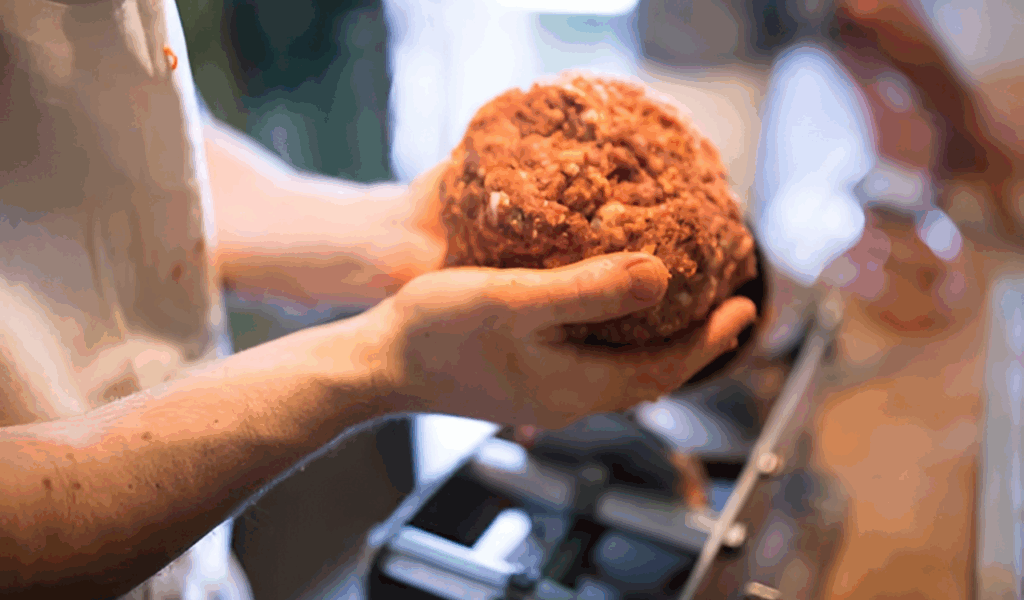
Holiday marketing leans heavily on emotion. Menus are described as feasts, banquets, or chef-curated celebrations, with glossy photos of overflowing trays. In reality, many of these limited-time offers are built on modest ingredient quantities wrapped in special packaging and higher prices. Proteins may be portioned more tightly, side dishes simplified, and desserts scaled back, even while the bundle cost is framed as a “special” or “value” holiday deal. Customers expecting leftovers to carry them through the weekend can be surprised when the meal barely covers the main gathering. The disconnect comes from the gap between the language used and the actual weight or volume of the food.
6. “Eco-Friendly” Portion Cuts That Leave Guests Hungry On Big Days
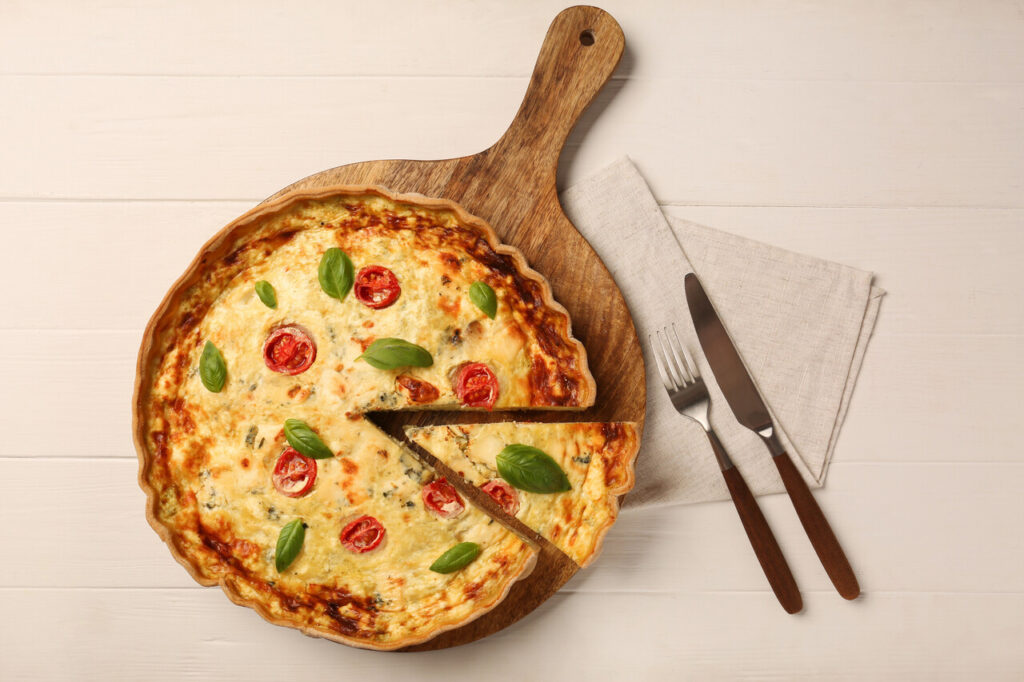
Some operators now explain smaller portions as part of efforts to reduce food waste or support healthier eating. The tension appears when these changes are applied to holiday take-out boxes without a corresponding change in how the meals are marketed or priced. A host ordering a classic spread expects enough food for generous serving and perhaps some leftovers, not calibrated plates that feel more like controlled restaurant portions. When the box arrives with noticeably less meat, fewer sides, or smaller desserts, guests may leave the table less satisfied, and the host may suspect that sustainability language doubled as a cover for cutting costs.