
5 Foods That Actually Keep You Full—Unlike That Sad “Breakfast” You Grab Now
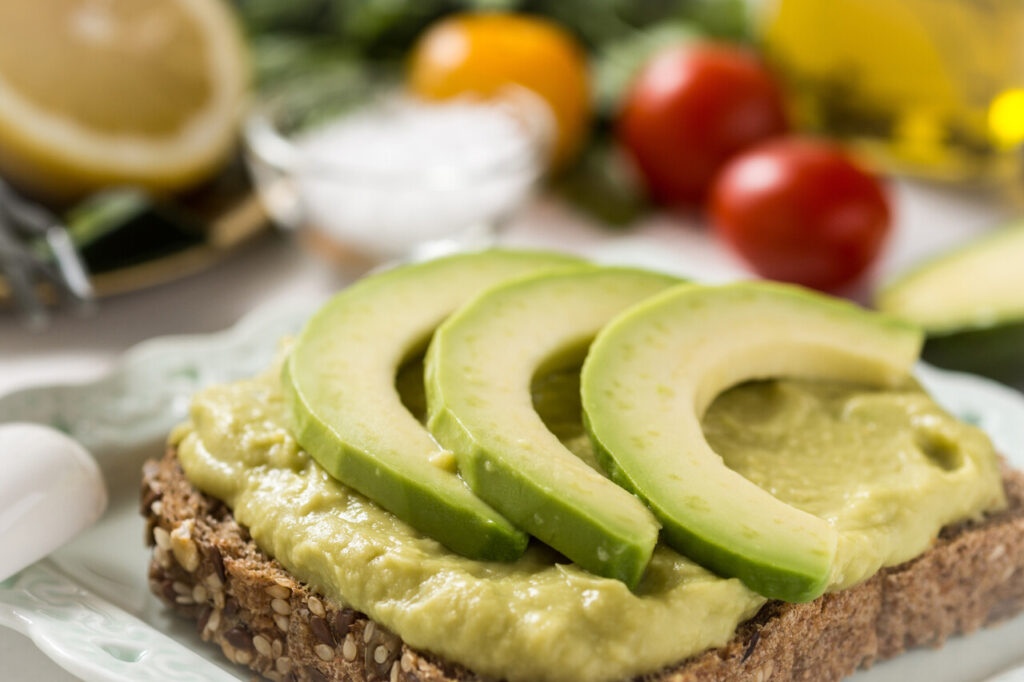
Most rushed breakfasts look filling but barely register once your body gets involved. Sugary cereals, pastries, and protein bars often spike blood sugar fast, then leave you hungry again before the morning meeting ends. The foods that truly keep you full work differently. They slow digestion, stabilize energy, and send clear signals that you have actually eaten. Protein, fiber, and healthy fats are the quiet drivers here, not clever packaging or health buzzwords. The right choices turn your first meal into a foundation, not a placeholder, and that changes how the entire day unfolds.
1. Eggs
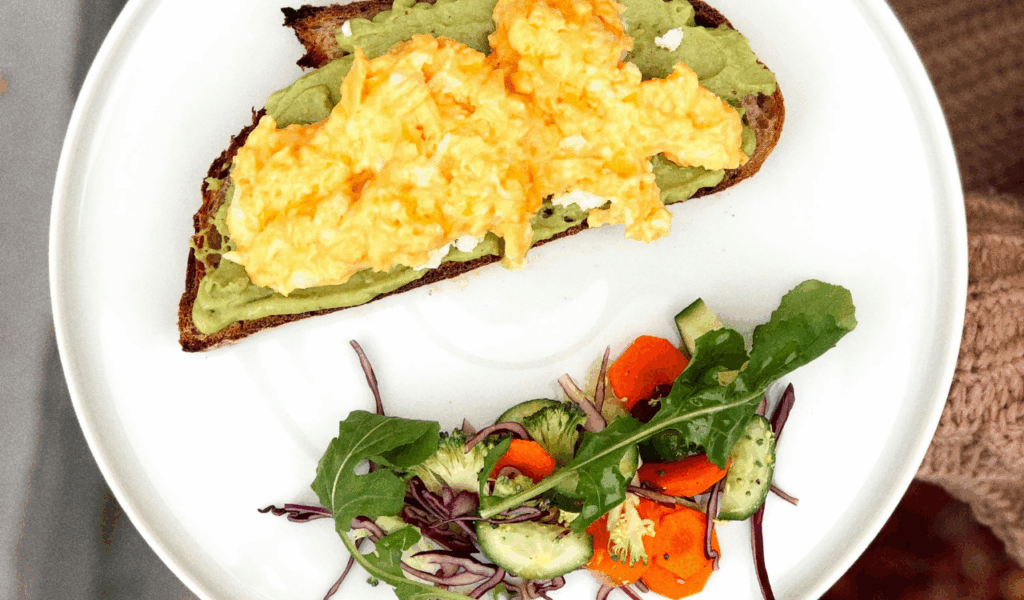
Here’s the thing about eggs: they do real work. Unlike a rushed pastry or sweetened cereal, eggs deliver a dense dose of high-quality protein that directly affects how long you stay full. Protein slows digestion and reduces spikes in blood sugar, which is why an egg-based breakfast keeps hunger quiet for hours instead of minutes. Eggs also contain fat, especially if you keep the yolk, and that combination of protein and fat signals satiety hormones in the body. What this really means is fewer cravings mid-morning and less mindless snacking later. Eggs are also versatile, which matters more than people admit.
2. Greek Yogurt With Healthy Add-Ins

Greek yogurt earns its reputation because it concentrates protein while keeping volume manageable. Compared to regular yogurt, it contains far more protein per bite, which directly supports fullness. But the real advantage shows up when you add the right companions. Pairing Greek yogurt with nuts, seeds, or berries adds fiber and fat, slowing digestion even further. This combination keeps blood sugar steady and prevents the rapid hunger rebound that follows sweetened yogurts or fruit-only breakfasts. Many people think yogurt is a light food, but Greek yogurt behaves differently in the body.
3. Oatmeal With Protein And Fiber Boosters
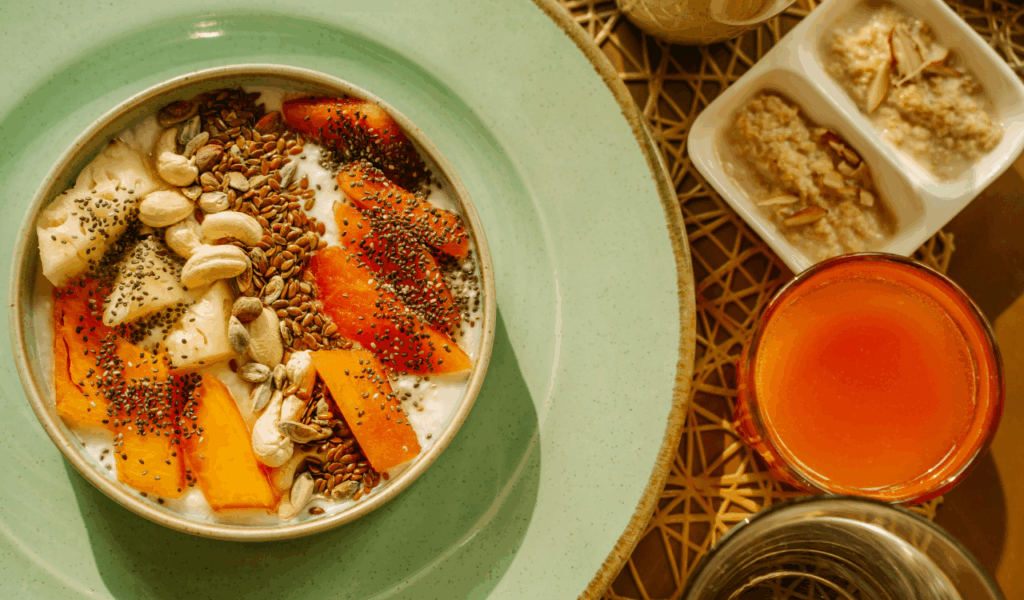
Oatmeal gets a bad reputation because people eat it plain or sweetened, which misses the point. Oats are rich in soluble fiber, particularly beta-glucan, which forms a gel during digestion. That gel slows stomach emptying and increases fullness. The problem is that fiber alone is not enough. When oatmeal is paired with protein such as milk, yogurt, eggs, or nut butter, it becomes a serious satiety tool. Adding seeds or nuts improves texture and keeps hunger in check even longer. What this really changes is how your body uses energy. Instead of quick glucose spikes, you get steady fuel.
4. Nut Butters
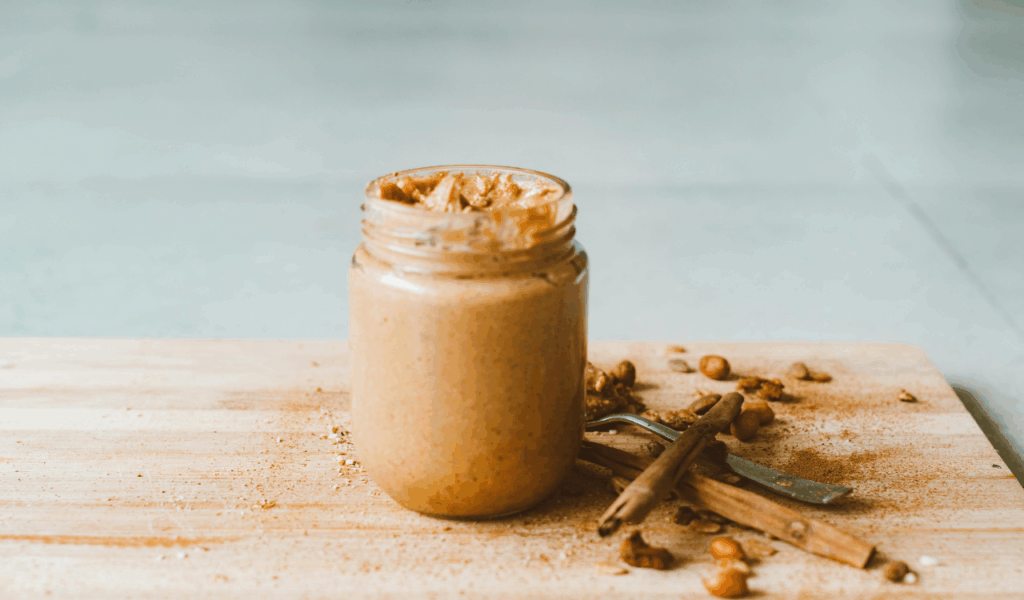
Nut butters work because they combine fat, protein, and a small amount of fiber in one compact food. Fat is often misunderstood, but it plays a major role in feeling satisfied. When you include nut butter in breakfast, digestion slows and hunger hormones stay quiet longer. This is why a spoon of peanut or almond butter paired with fruit or whole grains feels grounding instead of fleeting. Nut butters also help stabilize blood sugar, which reduces energy crashes. Another overlooked benefit is density. A small amount goes a long way, making it practical when appetite is low but nourishment is needed.
5. Avocado On Whole Grain Toast
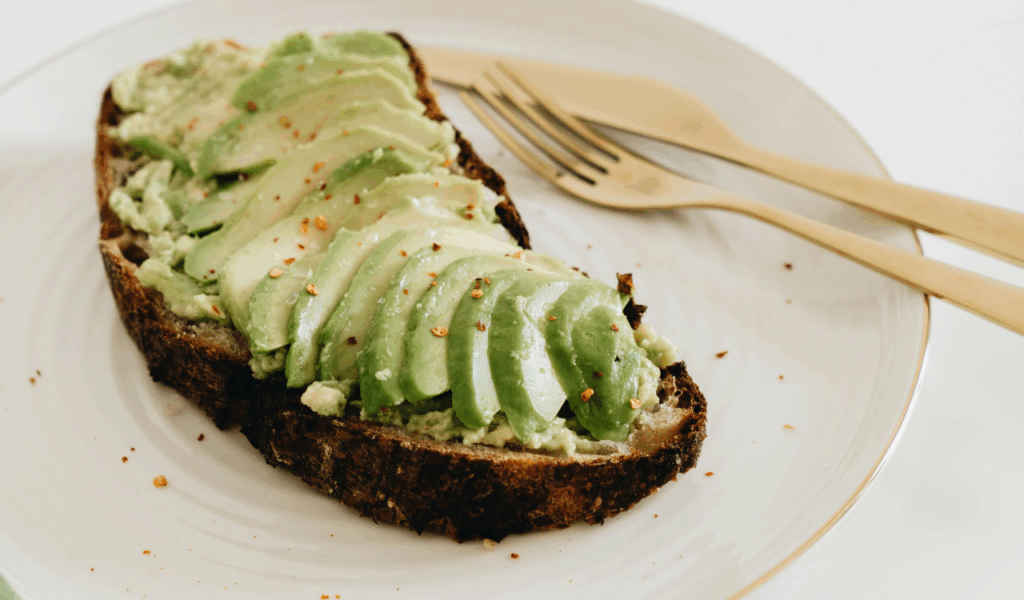
Avocado succeeds where many breakfast foods fail because it delivers fat and fiber together. Fat slows digestion, while fiber adds volume and signals fullness. When avocado is paired with whole-grain toast, the result is steady energy rather than a rapid rise and fall. Whole grains digest more slowly than refined bread, and avocado smooths that process even further. This combination helps prevent the hunger rebound that often follows toast alone. Avocado also supports nutrient absorption, making the meal more efficient overall. What this really means is fewer cravings and more control over appetite.