7 Pop-Up Food Events Facing Complaints Over Safety, Licensing, or Overcrowding
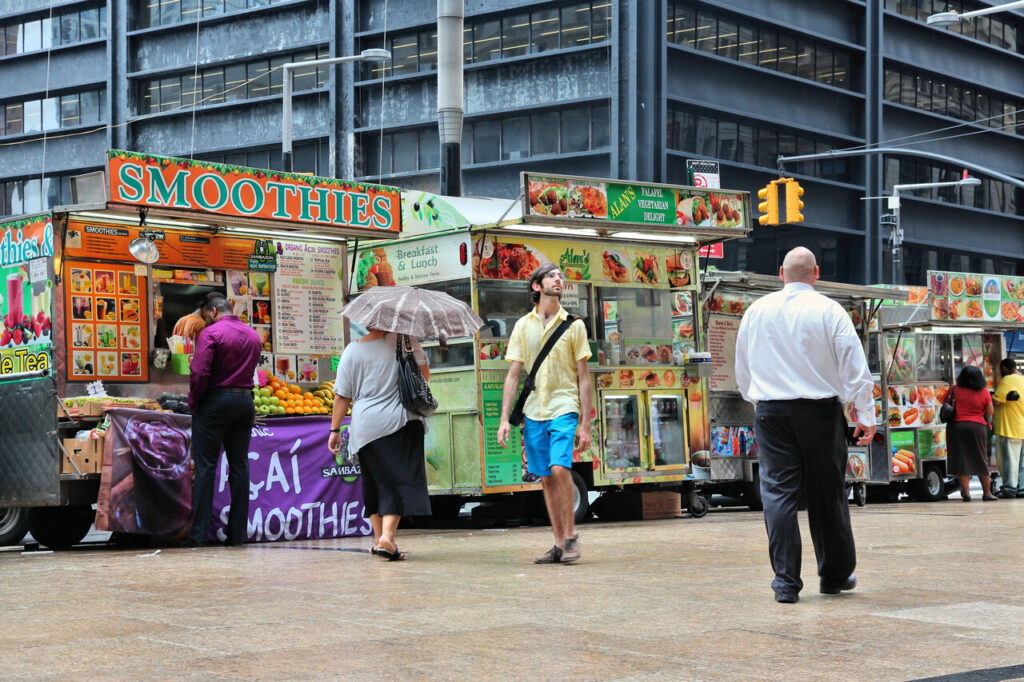
Pop up food events are supposed to feel spontaneous and full of energy, which is part of their charm. But here’s the thing. When organizers rush the details or skip the systems that keep crowds safe and vendors accountable, those lively gatherings can quickly turn into sources of frustration for visitors and regulators. What looks fun on a poster doesn’t always translate into a smooth or safe experience on the ground, especially when crowds surge, licenses fall through the cracks or hygiene checks are ignored. Understanding where things tend to go wrong explains why some of these events face mounting criticism even as their popularity grows.
1. Havoc Style Food Festivals That Skip Permits And Snarl Traffic
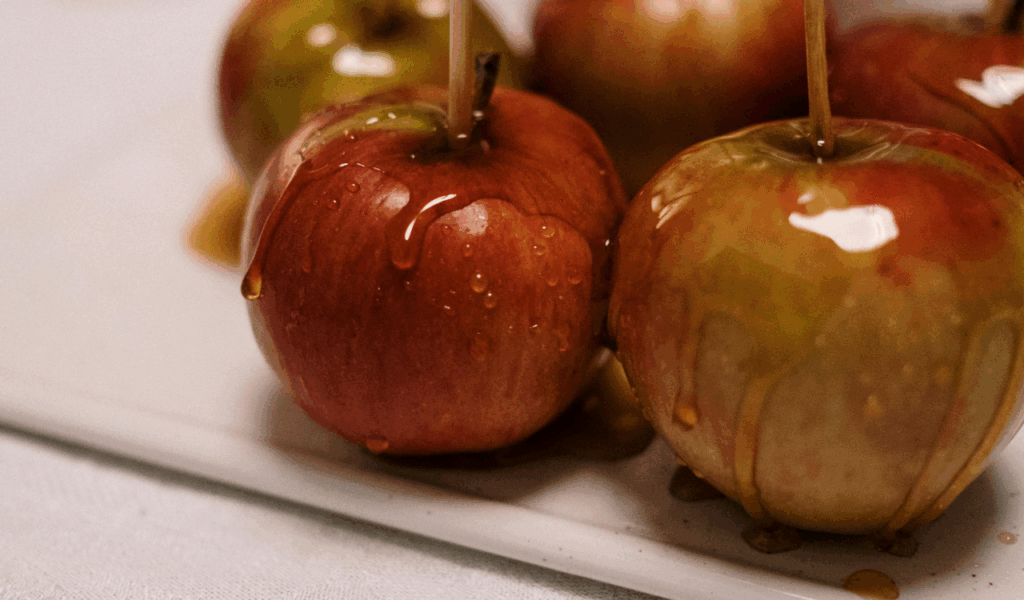
Big pop-up food festivals promise energy, music, and dozens of stalls in one place, but when organizers cut corners on permits, the whole thing can unravel fast. Events that go ahead without proper entertainment or street use licenses often ignore basics like traffic planning, emergency access, and crowd routing. Residents suddenly find main roads blocked, parking swallowed up, and noise running late into the night. Once authorities step in to shut things down, vendors lose income, and visitors who traveled for the event leave disappointed. The problem is rarely the idea of a festival itself.
2. Hype Driven Pop Up Food Fests That Cannot Handle the Crowd
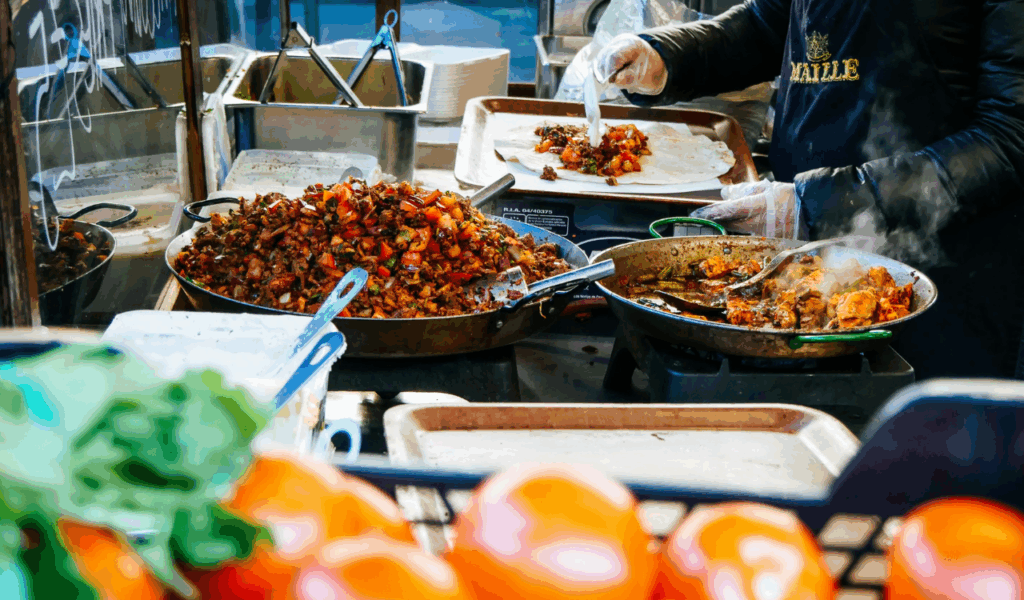
Some first-time pop-up festivals get more attention than the organizers expected. Photos, influencer posts, and local press coverage bring in far more people than the site can safely hold. Lines snake through car parks, paths clog up, and it becomes hard for families to move without bumping into others. When vendors are packed closely together, and walkways are narrow, any surge in visitors can quickly feel unsafe. Long waits in hot or cold conditions, limited seating, and unclear exit routes add to the frustration. Even if no formal rule is broken at first, local fire or safety officials may judge that crowd levels are unmanageable.
3. Late Night Unlicensed Food Stands That Ignore Basic Food Safety

Nighttime pop-up food stands often spring up in busy areas because demand is high and rules feel looser after dark. The downside is that some of these operations run without inspection or licensing, which means there is no regular check on hygiene. Food might be prepared without proper hand washing stations, stored at unsafe temperatures, or left exposed to dust and insects. When enforcement teams visit and find repeated problems, they issue warnings or shutdown orders, but by then, many customers have already eaten there. For people grabbing a quick bite, the low price and convenience can hide the fact that no one is monitoring food handling.
4. Informal Juice And Snack Pop-Ups With Poor Hygiene And No License
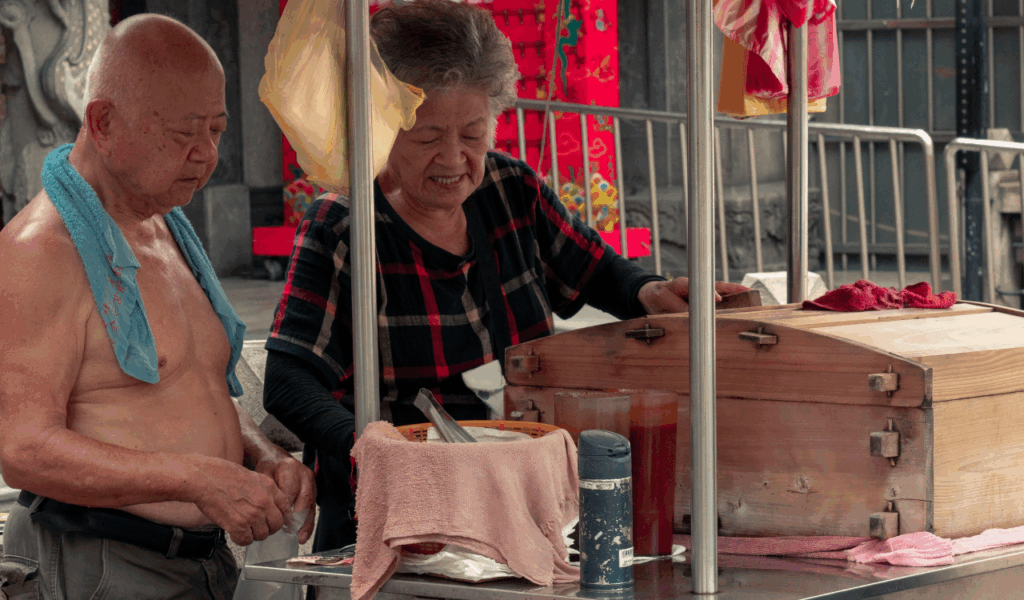
In hot climates, juice stalls and snack carts are an easy way to meet demand along busy streets. Many are completely legitimate, but some pop-ups operate without basic approvals, especially when they appear quickly in new high-traffic spots. Inspections often reveal familiar issues. Fruits are left uncovered near traffic, cutting boards are not washed properly between uses, water quality is uncertain, and staff handle money and food with the same unwashed hands. Refrigeration for milk-based drinks can be weak or absent, which lets bacteria grow. Once authorities highlight these gaps, they may issue fines or temporary closures and publish reminders asking the public to be more cautious.
5. Street Food Kiosks Around Hostels That Block Public Space And Skip Approvals
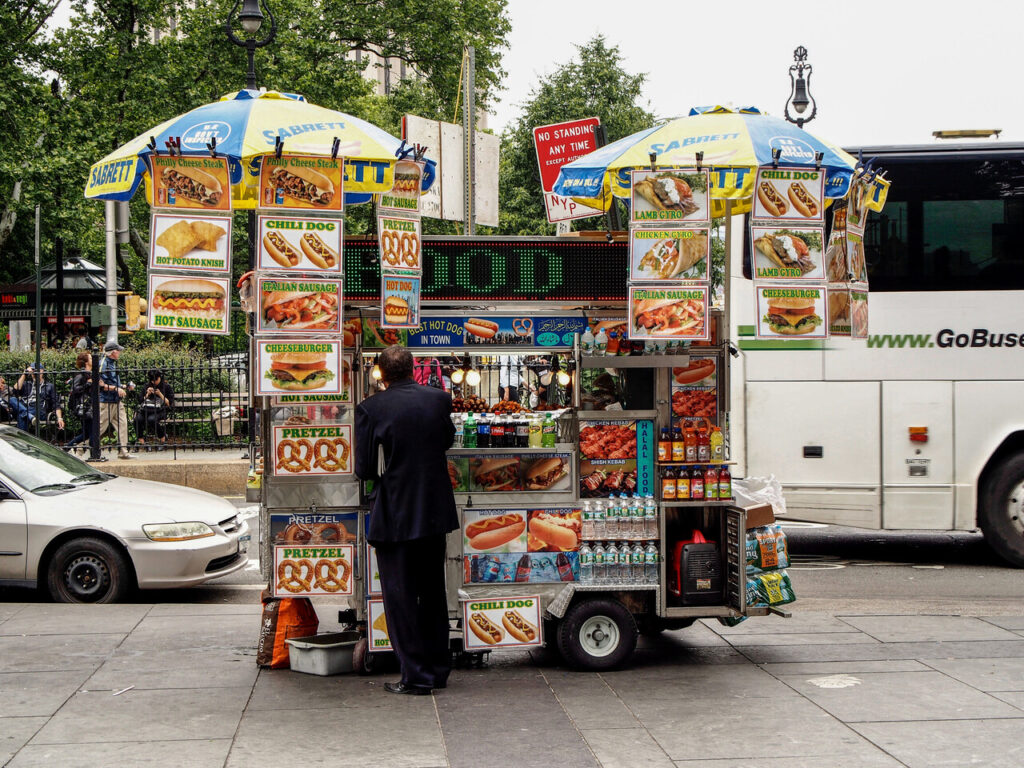
Around college areas, small kiosks and carts selling snacks and quick meals can turn into full-fledged clusters almost overnight. When they stay informal, they often spill beyond their allotted spots onto pavements and roads. Tables, awnings, and gas cylinders creep into walking paths, pushing pedestrians into traffic and making it harder for emergency vehicles to pass. If many of these stalls lack vending licenses or sanitation checks, local authorities eventually move in with removal drives. That can look sudden from the outside, but it usually follows complaints from residents about noise, litter, and blocked access.
6. Temporary Food Outlets Near Pilgrimage Sites Failing Safety Checks
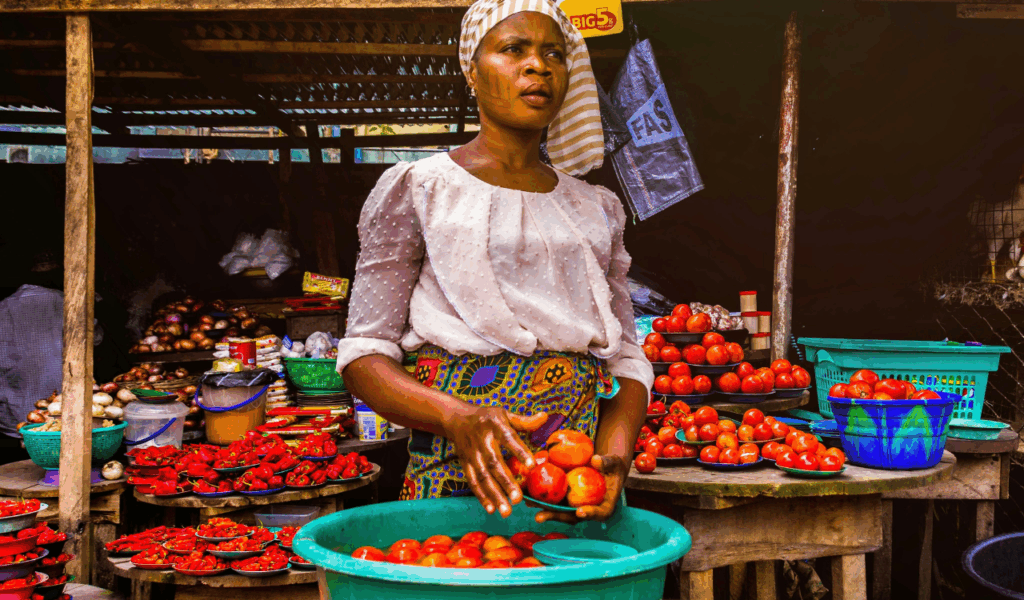
During pilgrimage seasons, the number of food outlets near major temples and shrines can multiply rapidly as vendors try to serve the surge in visitors. Health departments respond with targeted inspections because any lapse affects thousands of people passing through in a short span. When dozens of outlets fail checks, the problems are often similar. Inadequate hand washing, spoiled or uncovered ingredients, reused cooking oil, poor waste disposal, and contamination risks from rodents or insects. Officials may allow time for corrective action, but they also warn pilgrims to be selective and to look for visible signs of hygiene before buying.
7. Pop-Up Food Markets Run On Weak Agreements And Vague Safety Plans
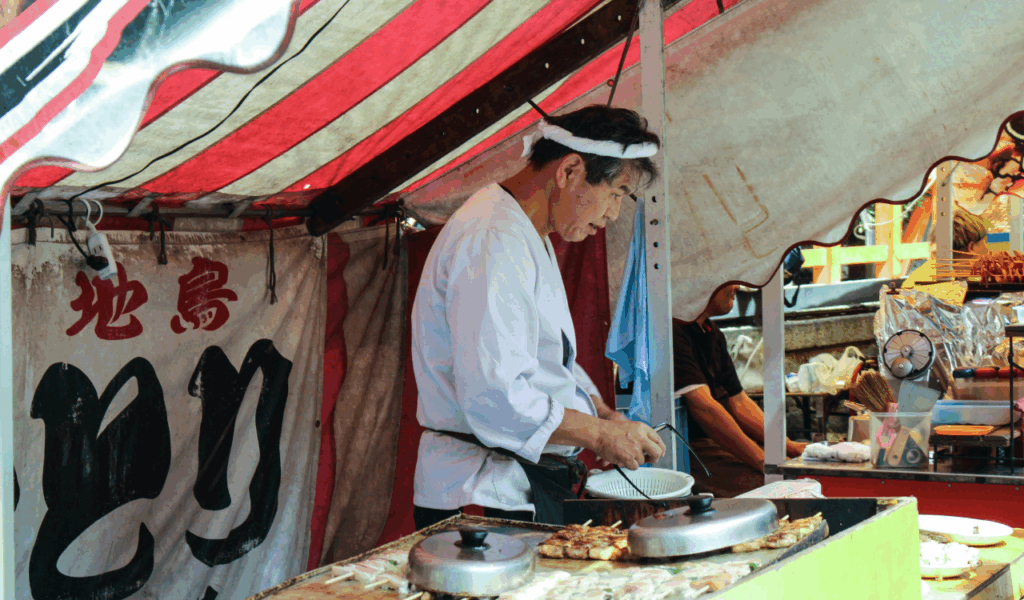
Many modern food pop-ups are structured as temporary retail markets, with dozens of small vendors operating under a single event umbrella. On paper, this model can be efficient. In practice, if contracts and permits are vague, important responsibilities fall through the cracks. Who ensures every stall has the right licenses? Who checks fire extinguishers, electrical setups, and gas cylinder safety? Who manages crowd flow, insurance, and emergency procedures? When these questions are not clearly answered in vendor agreements and local approvals, everyone assumes someone else is handling it. That works until there is an incident or until inspectors arrive and find gaps.