10 Christmas Table Settings Guests Kept Rearranging
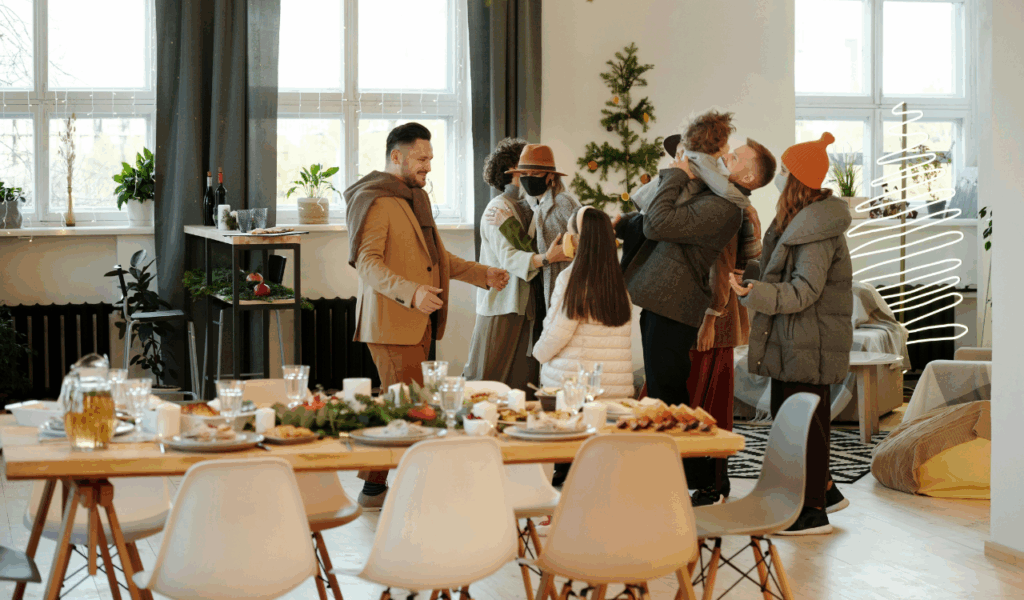
A Christmas table is more than just a place to eat; it sets the tone for the whole holiday. Guests can tell right once how colors go together, how comfy the layout is, and whether the setup is friendly or unpleasant. People regularly move napkins, change dishes, or move decorations without even recognizing it when something doesn’t feel right. These little modifications usually mean that the design choices that seemed fine on paper didn’t work in real life. Knowing which table settings tend to make people feel this way can help you set up a table that feels easy, balanced, and welcoming from the moment everyone sits down.
1. Overcrowded Centerpieces That Block Conversation
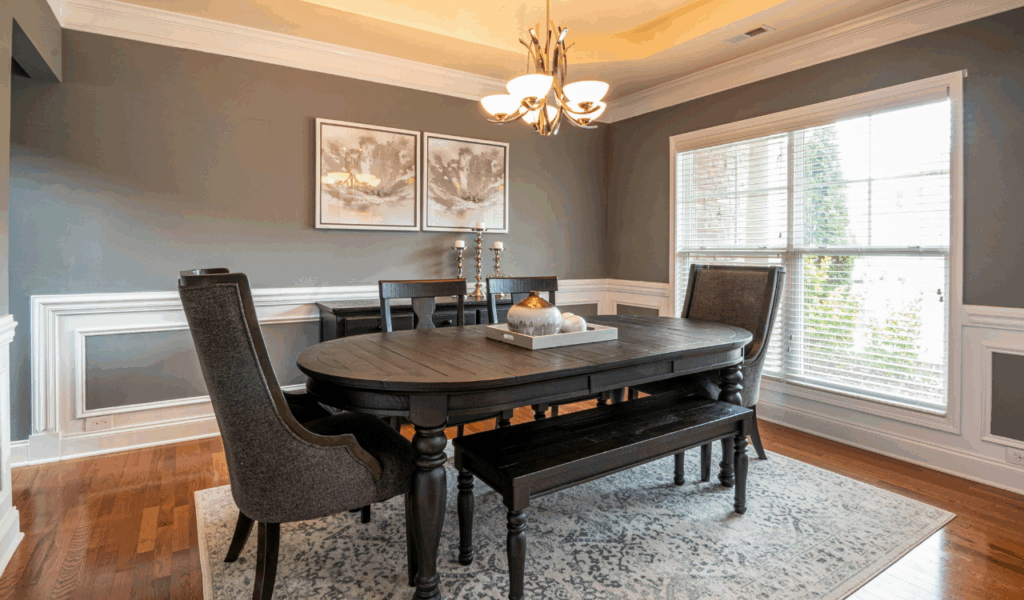
Big centerpieces can look dramatic, but guests quickly move them when they get in the way of eye contact or make it hard to pass dishes. People want to see and hear each other clearly at Christmas meals since they are social gatherings. That flow might be broken by tall candles, thick flower arrangements, or piled decorations. When visitors start moving things around, it’s usually a sign that the centerpiece is getting in the way of comfort. Low arrangements or accents that are spaced out evenly preserve the festive vibe without taking over the table. A centerpiece shouldn’t get in the way of discussion or make people lean awkwardly around it.
2. Plates Placed Too Close Together
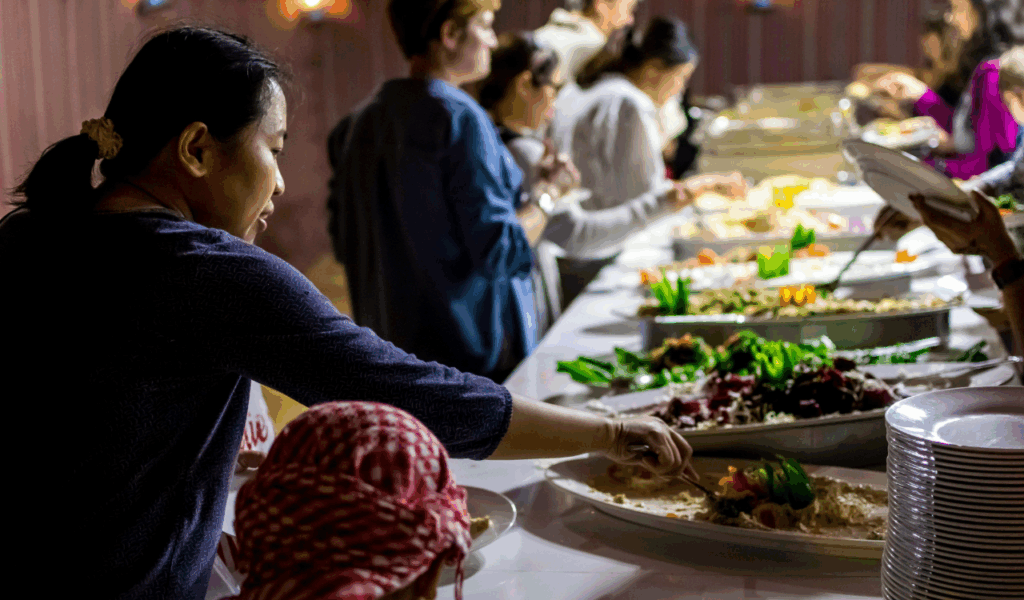
When plates are too close together, guests feel constrained as soon as they sit down. People’s personal space shrinks quickly, and elbows knock into one other and cutlery overlaps. This often makes people move their dishes slightly to the side to make room for themselves. A comfortable place arrangement gives you enough room to move around naturally while you eat and speak. Even if the table is modest, it’s more important to have enough space than to add more decorations. Eliminating unnecessary items or simplifying the setup usually solves the problem. Knowing they won’t knock anything over deters guests from moving stuff.
3. Napkins That Are Decorative but Impractical
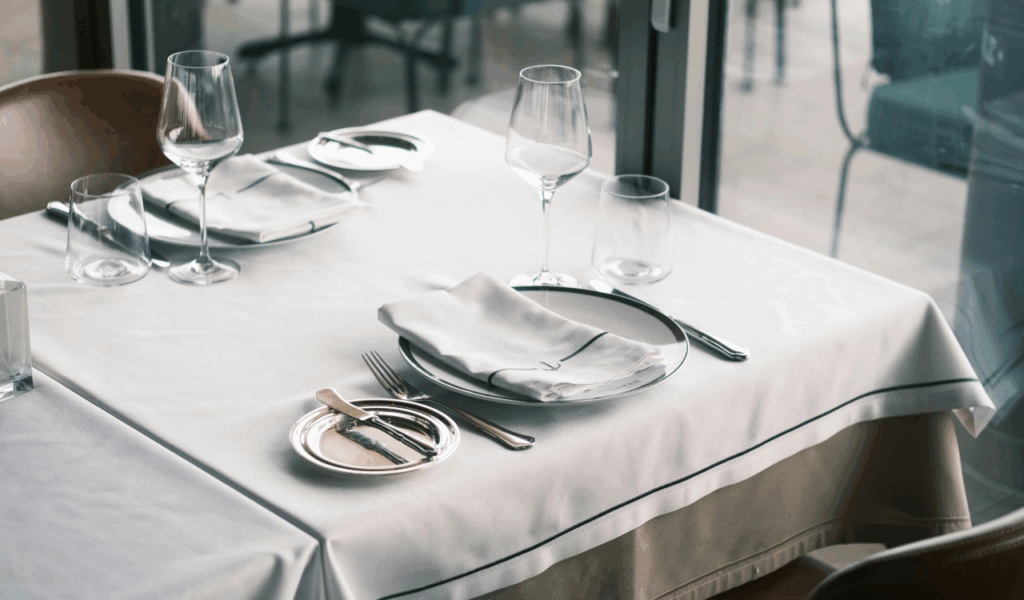
People could be impressed with really complicated napkin folds, but if they can’t simply unfold them, they won’t. It can be annoying to find that thick fabrics have been folded into tight shapes or hidden behind heavy decorations. People want to be able to grab napkins faster and without bothering the table when they are eating a holiday dinner. When guests have trouble holding or unfolding napkins, they tend to refold or replace them. Folds near or on plates balance form and function. Napkins shouldn’t be puzzles to solve before the first meal. Instead, it should feel useful in the surroundings.
4. Candles Positioned Where They Drip or Obstruct
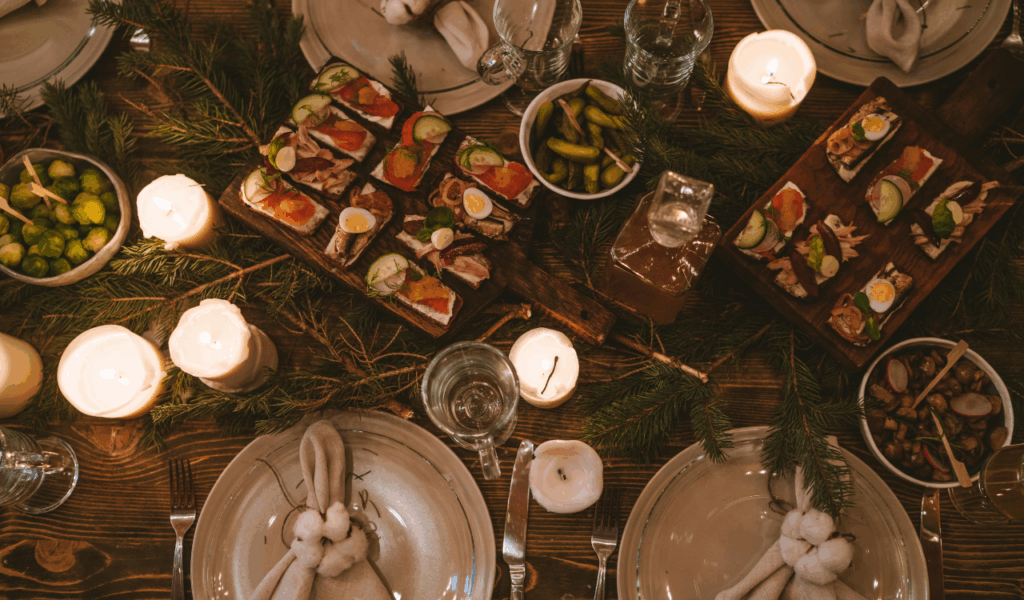
Candles make things feel warm, but people often shift them around when they aren’t in the right place. Candles that get in the way of serving dishes, flames that are too close to faces, and wax that drops near plates are all things that make people uncomfortable. Guests might sneak them away in a quiet way to avoid making a mess or getting too hot. Strong, low-lying candles should not be near food and be visible. Collection holders are designed for wax. Candles stay put when they feel safe and don’t interfere. Instead than making customers worry about spills, smoke, or tipping, the purpose is to create an environment.
5. Mismatched Heights Creating Visual Chaos
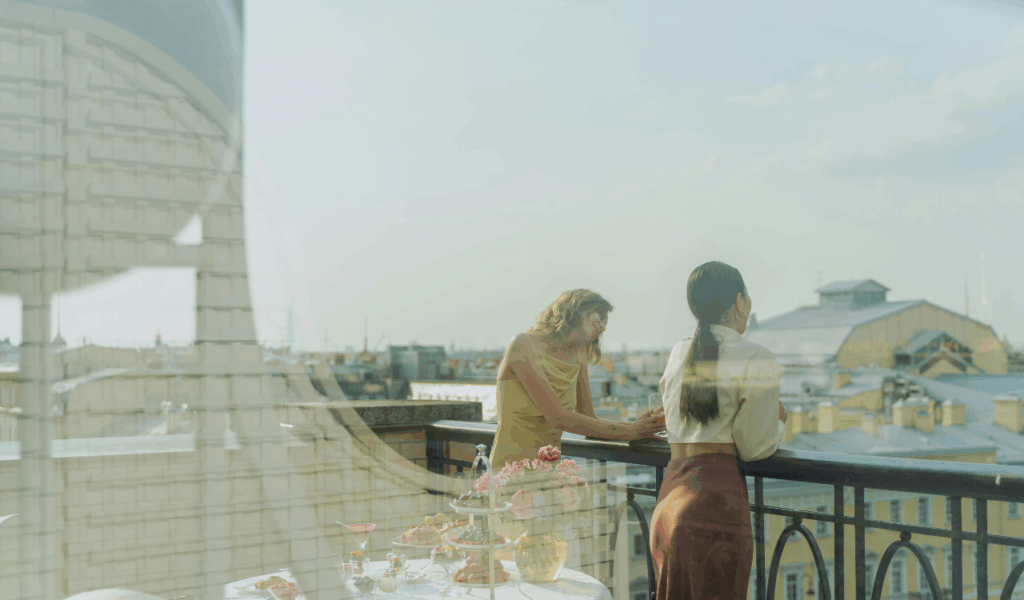
You may make a table look messy and uneven by putting things on it that are quite different heights. The visitors might start shifting the pieces about to try to restore the visual equilibrium, even though they don’t know why they’re doing it. The tall vase, low bowl, and medium candles next to each other can make things look disconnected instead of dynamic. Strong, low-lying candles should not be near food and be visible. Collection holders are designed for wax. Candles stay put when they feel safe and don’t interfere. Instead than making customers worry about spills, smoke, or tipping, the purpose is to create an environment.
6. Place Cards That Are Hard to Read or Positioned Poorly
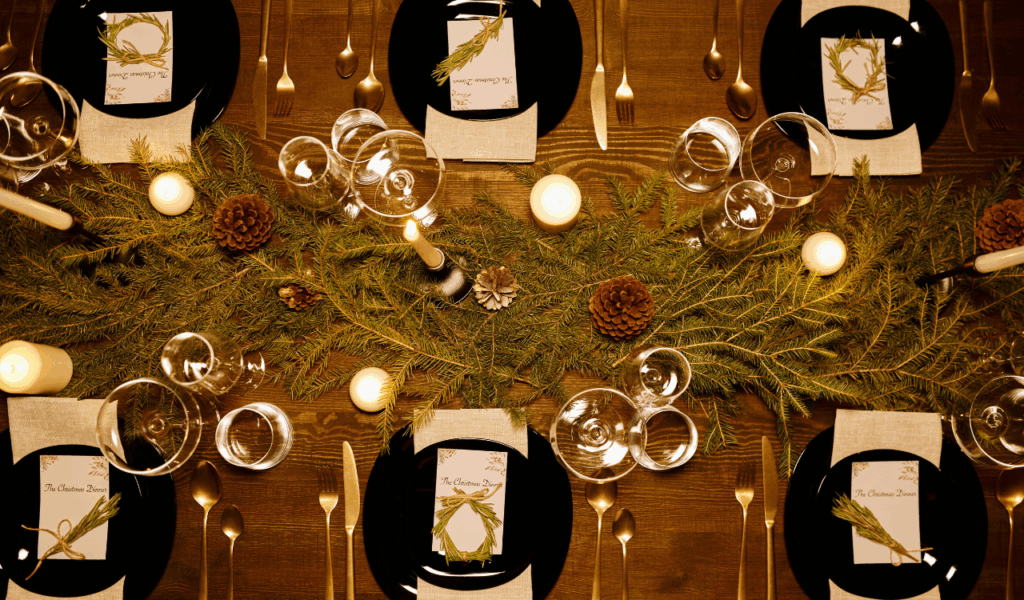
Place cards can be helpful, but visitors will move them if the names are hard to read or if the decorations cover them up. Small letters, smooth surfaces, or cards that are too far away from the plate can all make things confusing. People often move them around or slide them closer to them to make sure they have the right names. Simple writing and simple communication can avoid this issue. Place cards immediately over plates or slightly to the side to make seats simple to find. Guest who know where to sit without thinking are less likely to touch something by accident.
7. Table Runners That Slip or Curl Up
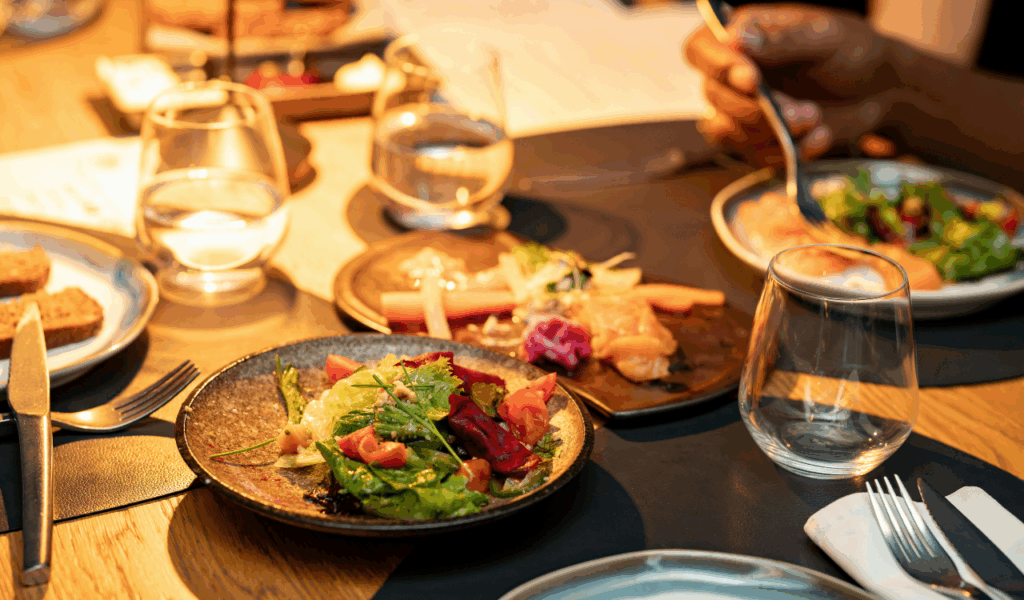
Table runners add texture to the table, but if the fabric is slippery or curls, guests may get upset. When guests see that a runner has gotten stuck under plates or that it slides when dishes are put down, they naturally want to straighten it out. This happens a lot during the dinner. Choosing runners made of stronger materials or with a textured covering will help keep them in place. It’s also vital for runners to fit well because runners that are excessively lengthy can pull or twist. A runner should help the table look stable, and it shouldn’t act like it’s always broken. The whole place looks more sophisticated since it is stable.
8. Overly Themed Decor That Feels Restrictive
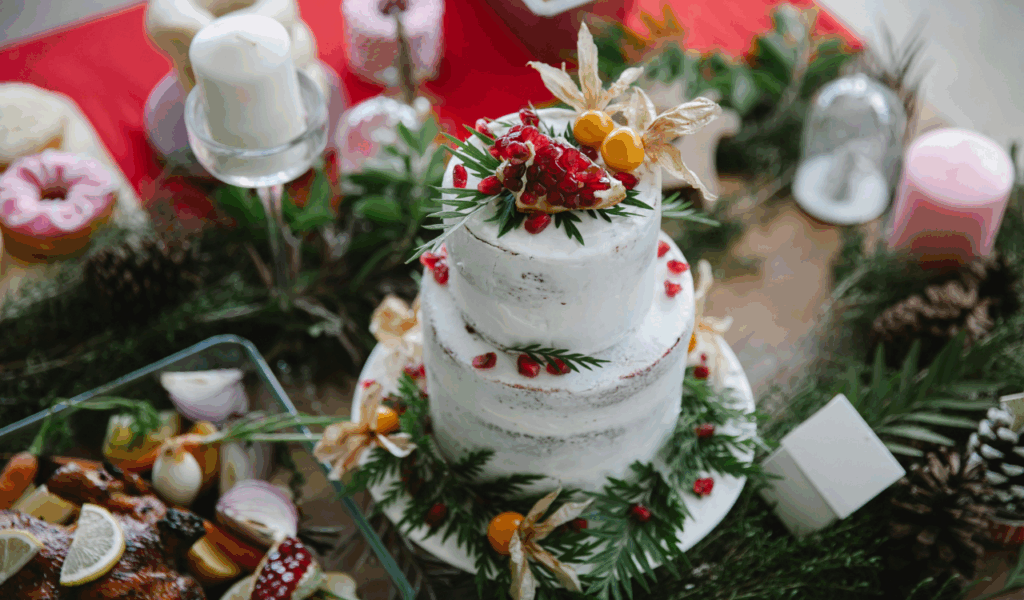
Guests will change the decor if it makes the table less usable or takes up too much room, even if the table looks very themed. Too many new things, big holiday decorations, or closely packed accents can make things look more beautiful than useful. Guests might move or take things away just to make room for plates and glasses. Most of the time, small seasonal touches work better than big themed displays. When the decor goes well with the dinner instead of taking away from it, guests are more likely to feel comfortable leaving everything as it is without having to do anything.
9. Glassware Arranged Without Practical Flow
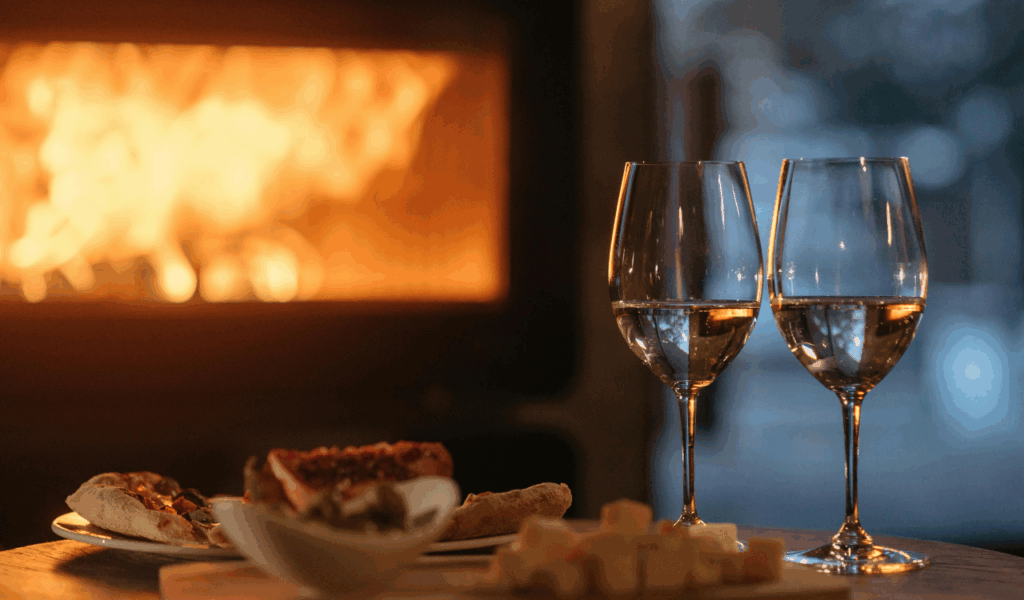
When glass is in the wrong place, it often needs to be moved about. Visitors can shift glasses around to keep spills from happening if they are set up in a strange way or if they get in the way of mobility. Having a clean and logical arrangement makes it easier and more natural to drink. It is best to place the glasses a little higher and to the right of the plate, leaving enough space for the glasses to be easily lifted. Awkward or cramped placements cause the strain. If the visitors aren’t sure if they should get their drink, they will do it themselves. An ordered and calm space can be kept by carefully spacing things out.
10. Décor That Competes With Serving Dishes
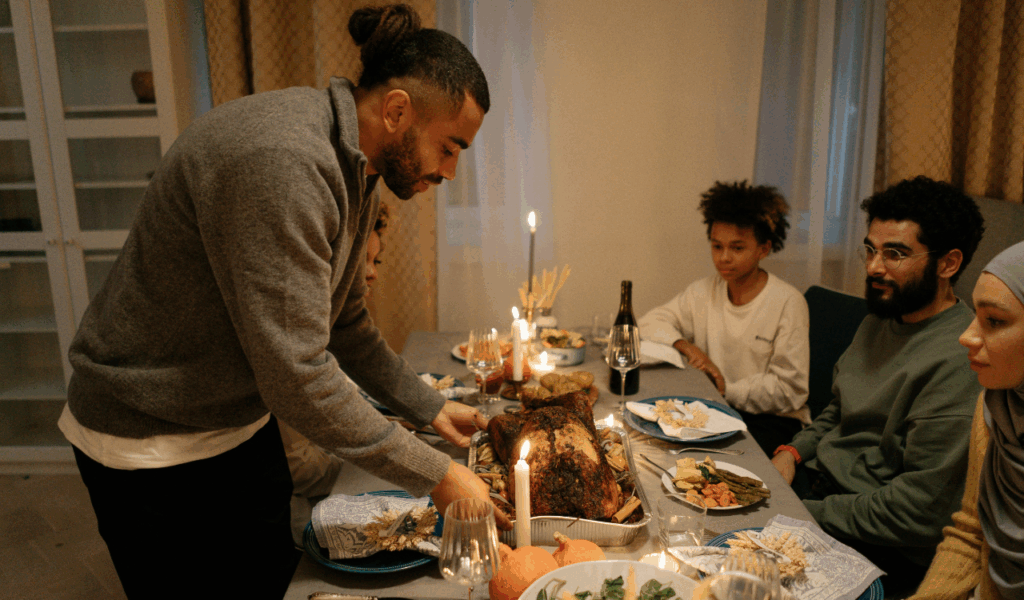
When guests see that decorations are getting in the way of serving food, they quickly move them. Bowls, platters, and other shared items must be able to move freely across the table. When decor gets in the way, it’s typical for individuals to take away space. A well-planned table setting will feature sections that are meant for serving and sharing. The decoration should frame these areas instead of filling them up. You can avoid this problem totally if you arrange where the food will go before you put up the decorations. When the table can be used for dining and serving, visitors may focus on the meal instead of moving stuff.