10 Chain Restaurants Criticized for Shrinking Portions and Rising Prices Despite “New Menu” Hype
Shrinking portions have become one of the most talked-about frustrations among diners, especially when chains try to distract from the changes with shiny “new menu” launches or limited-time hype. Here’s the thing. Customers remember how these meals used to feel, not the cost charts behind the scenes. When a sandwich looks thinner, a bowl feels lighter, or fries barely cover the bottom of the carton, people notice immediately. The frustration only grows when prices climb at the same time. These complaints aren’t just about hunger. They’re about value, trust, and the sense that familiar favorites are quietly being reworked in ways that benefit the restaurant more than the guest.
1. McDonald’s Quietly Slimmed Down Classics Behind Big Promotions
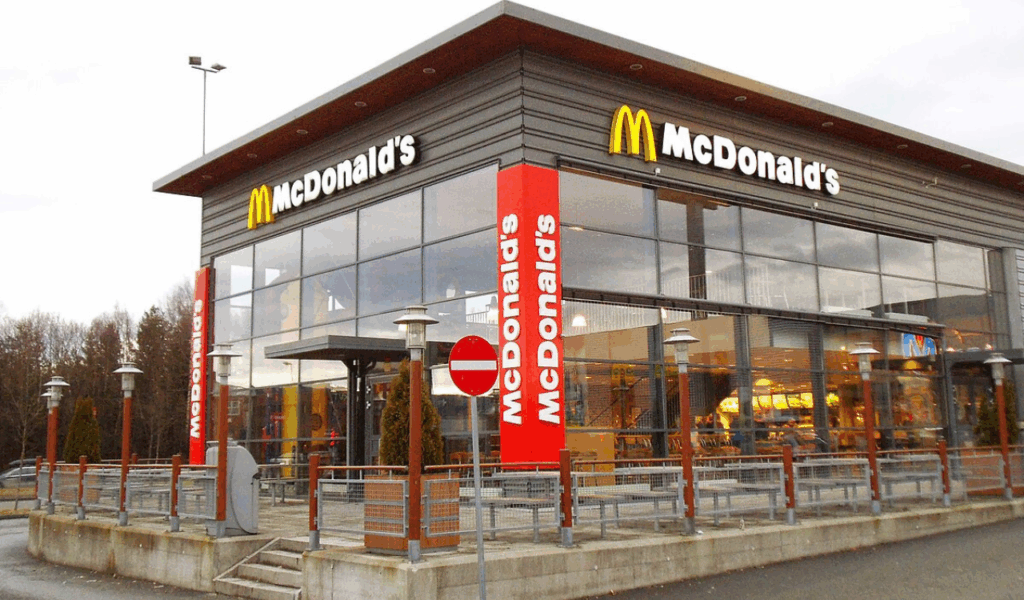
McDonald’s is a good example of how a familiar menu can change without obvious fanfare. Regulars who have eaten the same burgers and fries for years are often the first to notice when patties look thinner, buns feel lighter in the hand, or fries no longer fill the carton the way they used to. At the same time, the chain pushes big marketing around new sauces, limited-time burgers or “upgraded” combos, which distracts from the simple reality that the core items feel less substantial. When a brand builds its identity on value and consistency, that gap between memory and reality is exactly what starts to wear down trust.
2. Burger King’s Value Reputation Eroding With Leaner Meals
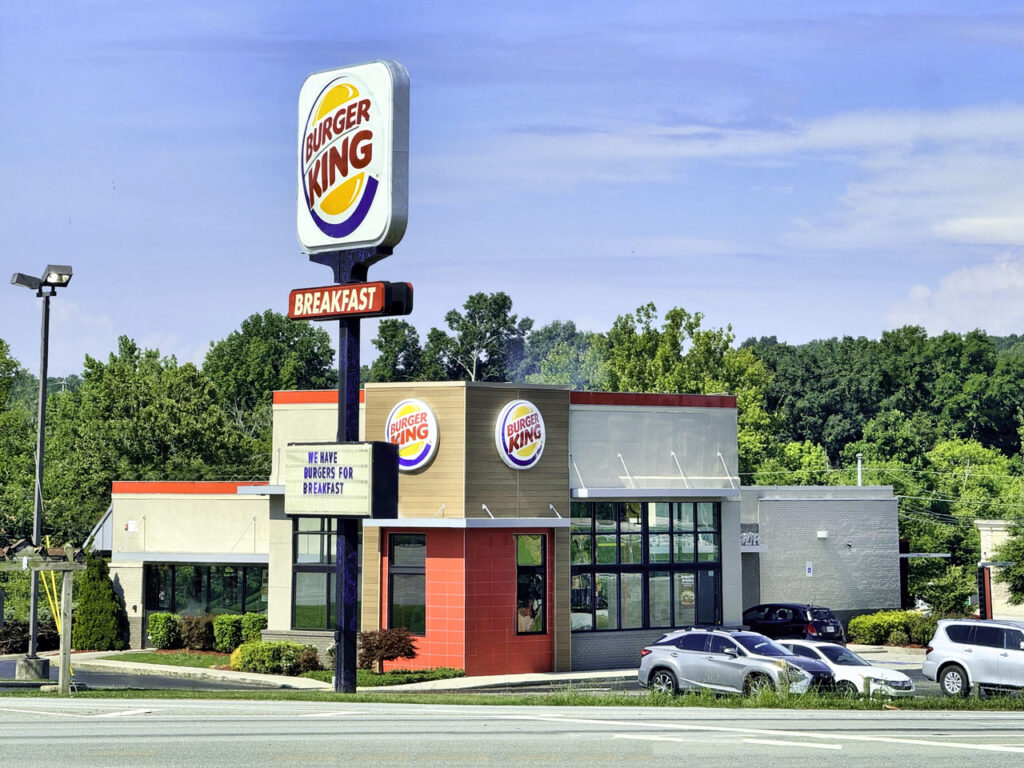
Burger King has long positioned itself as a place where you can get a hearty burger at a fair price, especially with the Whopper at the center of its marketing. That promise is harder to maintain when guests open a wrapper and see more paper than sandwich, or when a value box quietly drops its nugget count while the price stays similar. The chain, like many others, faces higher ingredient and labor costs, and trimming portions is a subtle way to ease that pressure. But customers typically compare current meals not to corporate cost sheets, but to what they remember from a few years ago.
3. Arby’s Lawsuit Era And The Perception Of Shrinkflation
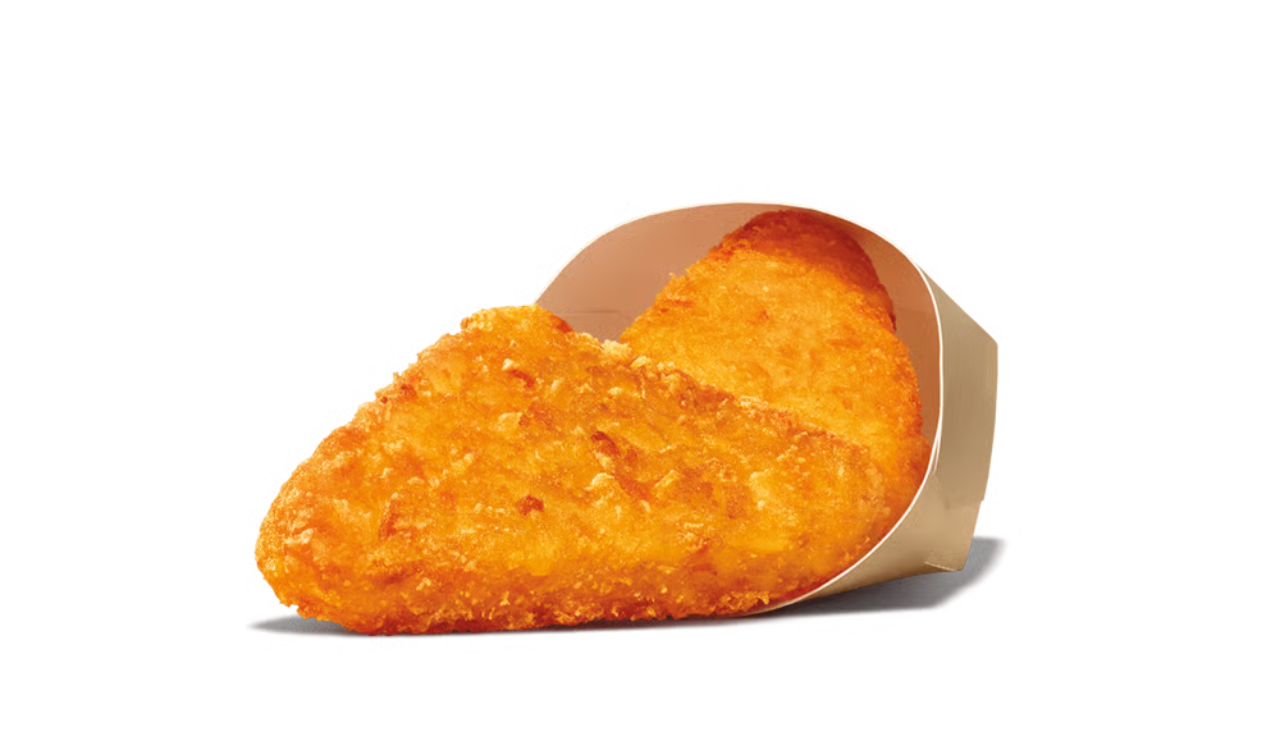
Arby’s built its entire brand around the idea that you go there for plenty of meat, not a skimpy sandwich. That is why complaints about reduced fry servings, lighter drinks, and smaller portions have been so noticeable, even leading to legal challenges. For customers, it is not only the absolute size of the fries or the drink that matters, but the feeling of walking away full enough to justify the spend. At the same time, Arby’s runs campaigns around new menu items, upgraded recipes, or special limited-time offers, which can be read as attempts to add excitement while portion sizes quietly reset.
4. Five Guys And The Case Of The Disappearing Extra Fries
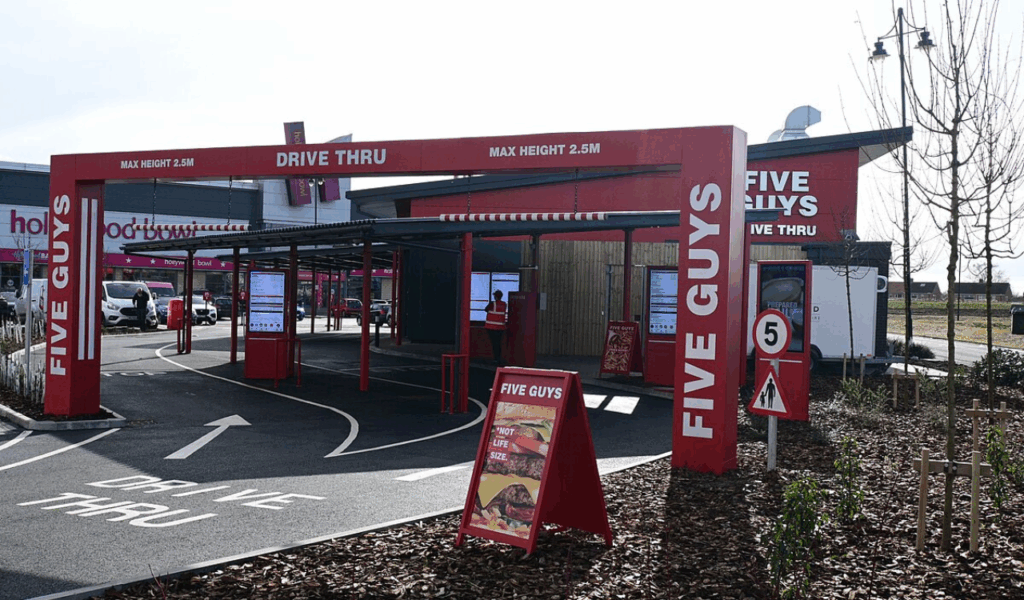
Five Guys earned a cult following partly because of its famously generous fries. For years, staff would fill the cup and then keep pouring into the bag, so customers felt they were getting more than they paid for. As food and operating costs climbed, that practice appears to have tightened in many locations, with servings now closer to the cup and less accidental overflow. On paper, this brings portions in line with a defined standard, but regulars experience it as a loss. Marketing that highlights fresh ingredients or menu tweaks cannot completely offset the gut level sense that the ritual of opening a bag overflowing with fries has faded.
5. Chick-fil-A’s Sandwiches Feeling Less Substantial
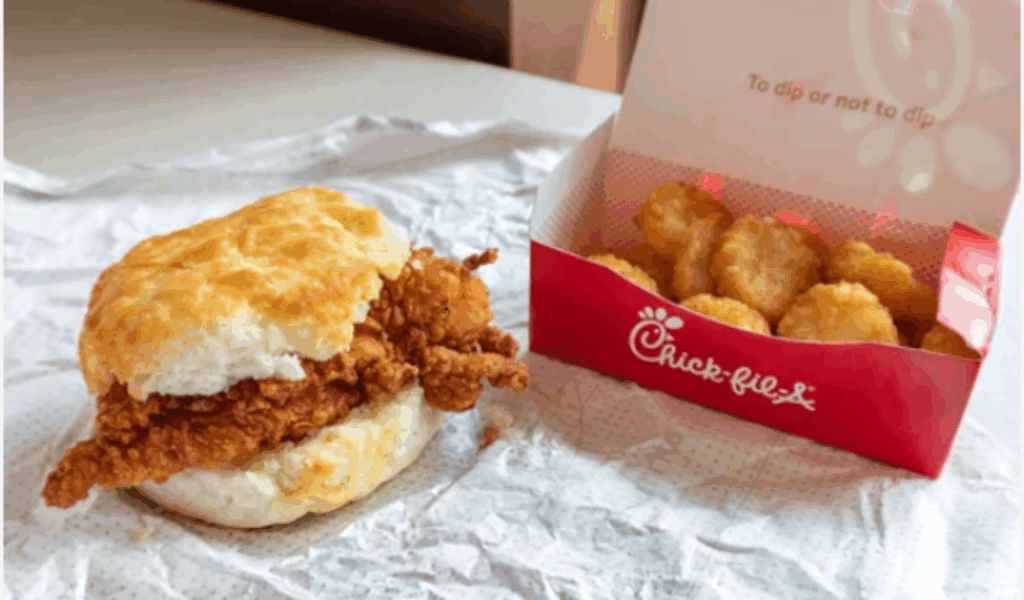
Chick-fil-A sits in a slightly different position because it carefully cultivates an image of quality and service. Customers expect to pay a bit more and in return, receive reliably good food that feels substantial. When a sandwich no longer spills visibly over the bun or feels as hefty in hand, people notice the difference, even if the exact weight is within official specs. Price increases add to that sensitivity. New menu items, seasonal sauces, and promotional meals can give a sense of innovation, but if core staples like the namesake chicken sandwich feel reduced, guests may start to see these additions as distractions rather than genuine improvements.
6. Taco Bell’s Budget Appeal Tested By Lighter Fillings
Taco Bell has long been the go-to option for stretching a small budget, especially for younger diners and late-night customers. That appeal rests on the feeling that tacos, burritos, and combo boxes offer a lot of food for the price. When fillings become thinner, tortillas feel less stuffed or sides like beans and rice seem reduced, it undercuts that core promise. Many of Taco Bell’s most talked-about menu changes revolve around reintroducing old favorites or launching new mash-ups, which creates excitement but also raises expectations. If the new or returning item lands with noticeably less meat or cheese than memory suggests, customers often accuse the brand of riding nostalgia while quietly shrinking portions.
7. Chipotle And The Battle Over Bowl And Burrito Portions
Chipotle is in the spotlight partly because its entire model is built on visible assembly. Customers watch staff add rice, beans, proteins, and toppings, and have a clear mental picture of what a “normal” scoop used to look like. Any reduction in that scoop size is detected almost immediately, amplified by social media videos comparing old and new portions. The company has publicly insisted that official serving sizes have not changed, and in some cases has blamed individual locations or employees for inconsistency. Regardless, once diners feel their bowls or burritos look and feel lighter while prices rise, perception becomes reality.
8. Wendy’s Quiet Cuts To Sides In A Competitive Market
Wendy’s competes not only on burgers but also through its sides and combo deals, which historically felt slightly more generous or higher quality than some rivals. As input costs have increased, reductions in fry volume or nugget counts are subtle ways to manage expenses. A customer who once expected a certain pile of fries may now receive a serving that barely fills the container. Combined with menu price adjustments, this fuels the sense that combo meals deliver less satisfaction than before. New menu buzz, such as limited-time sandwiches or flavor twists, can temporarily distract, but when the everyday order feels diminished, it affects how often people return.
9. Panda Express And The Shallower Takeout Box
Panda Express faces a slightly different critique focused on packaging. Customers have shared images of newer takeout containers that appear shallower, even if the footprint is similar. Visually, a lower wall height or different shape can signal “less food” to the brain before a bite is taken, especially for those who remember deeper boxes filled to the brim. The brand maintains that total portion volume has not changed, but perception is powerful, particularly when menu prices have climbed. If the meal no longer stretches as far or feels as generous, special menu hype can start to sound like cover for quiet shrinkflation.
10. Olive Garden’s Smaller Plates Framed As A Positive
Olive Garden has experimented with more modest portions in the context of “lighter” or more budget-friendly options. On one level, that fits with diners looking for less waste and lower checks. On another, it bumps against the long-standing expectation that this is the place for bottomless salad, breadsticks, and big bowls of pasta that feel indulgent. When plates arrive with noticeably less food, some guests welcome the restraint while others feel that a key part of the brand’s identity has been diluted. This tension is sharpened when prices do not fall in proportion to the serving size. For a sit-down chain that built its reputation on hearty family-style dining, adjusting portions without alienating regulars is a delicate balance.