11 Route 66 Food Stops Struggling with Aging Infrastructure and Food-Safety Inspection Issues
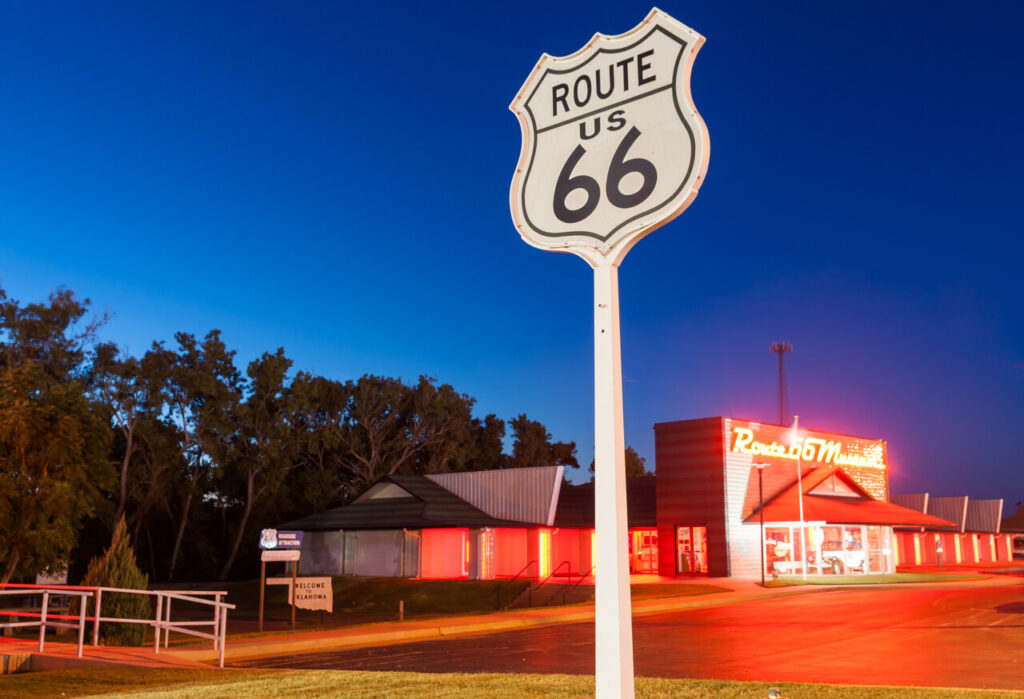
There’s something magnetic about a classic Route 66 food stop. The neon signs, the hand-painted menus, and the stories baked into every booth all make these places feel like time capsules you can step into. But here’s the thing. Behind that charm are buildings and kitchens that have aged right along with the highway. Many of them were never designed to meet today’s demands for refrigeration, ventilation, or food-safety standards. What this really means is that some of the most beloved stops on the Mother Road are juggling preservation, tight budgets, and modern regulations all at once. It’s a battle that shapes everything from menus to maintenance schedules, often in ways travelers never see.
1. Delgadillo’s Snow Cap Drive-In, Seligman, AZ
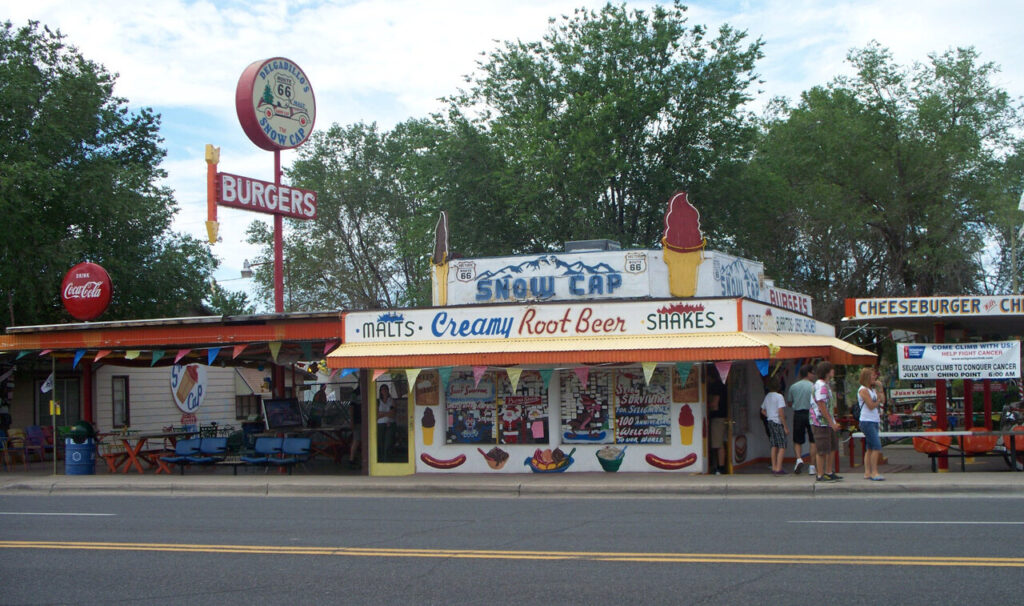
Delgadillo’s is a postcard of roadside Americana: hand-painted signs, a playful menu, and the kind of low-slung, informal construction that feels timeless. The thing is, those very qualities create practical headaches. Structurally unconventional walls, aging roofs, and utility runs installed decades ago are harder to adapt to modern plumbing and refrigeration standards. When an inspector looks beyond the neon and jokes, they often find electrical systems and grease traps that need updating. The result is a beloved stop that must balance preservation with real investments in food-safety infrastructure.
2. Rock Café, Stroud, OK
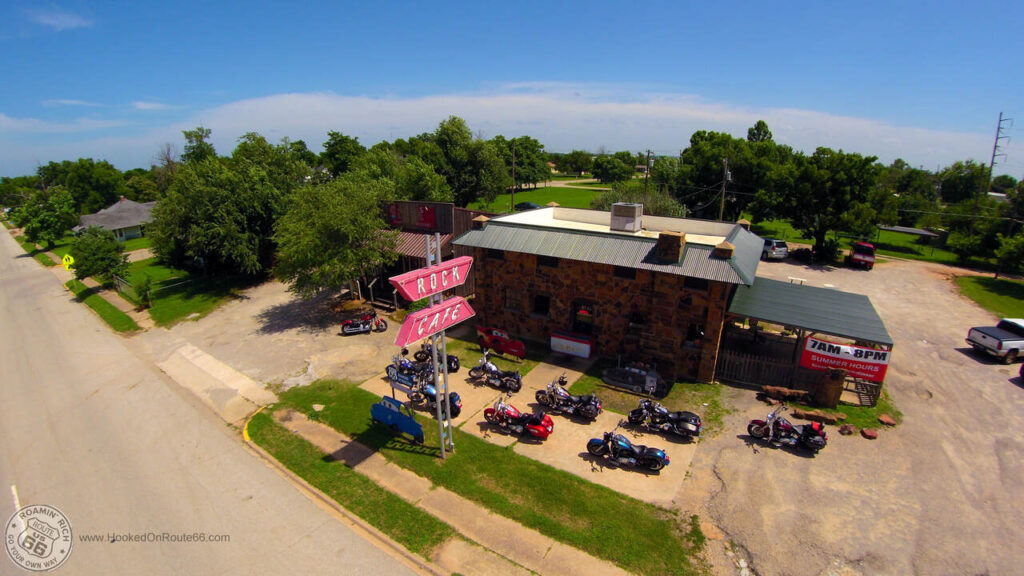
Rock Café’s history is part of its draw, and patrons come for that continuity as much as the food. But an old building doesn’t just look vintage; it behaves vintage. Original plaster, narrow back corridors, and legacy utility runs complicate modern workflows. Upgrading ventilation to control cooking smoke, replacing century-old pipes that can harbor contaminants, and installing modern walk-in refrigeration involves invasive work that’s expensive and sometimes restricted by preservation rules. That patchwork approach keeps the lights on but raises the chance that occasional inspections will reveal areas needing attention.
3. Ariston Café, Litchfield, IL
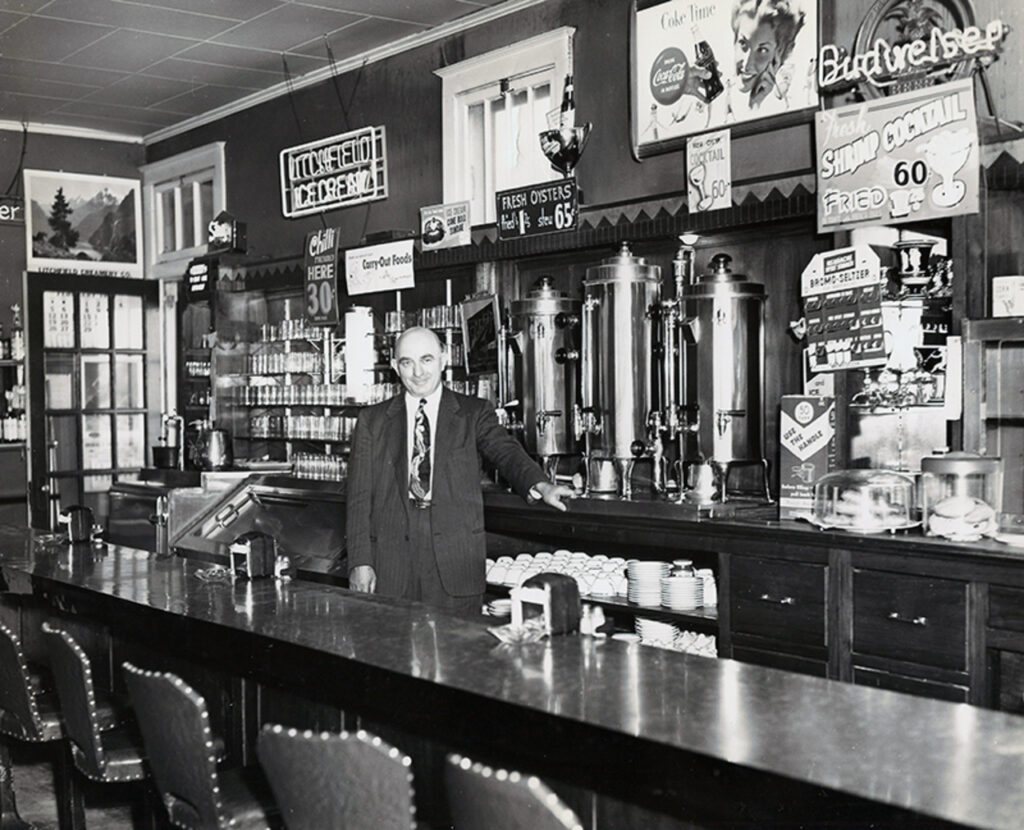
Operating since the 1930s, Ariston Café is rich with story and character. Yet the same longevity means continuous upkeep. Historic windows and doorways impact air flow and temperature control. Staff juggling heavy holiday bookings and everyday diners need consistent handwashing stations and well-designed prep flows, but retrofitting those into a narrow historic footprint can be tricky. Because funding often comes from small margins, critical upgrades are deferred, increasing the frequency of cosmetic or minor violations in health reports until comprehensive work is scheduled and financed.
4. Richardson Store, Montoya, NM
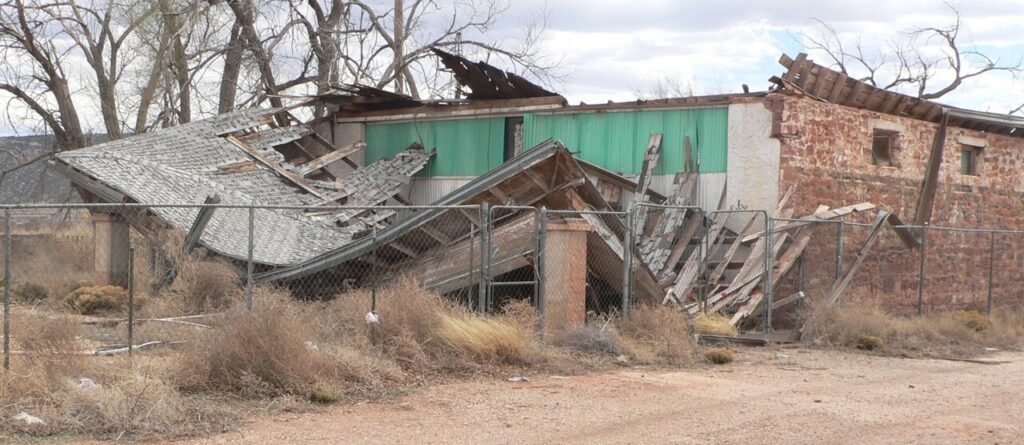
Richardson Store stands as an example of what happens when maintenance lags too long. The collapsed roof and extended closure show an extreme endpoint of infrastructure aging. When a building reaches that level of disrepair, food-safety considerations are moot until the structure is repaired; electricity, potable water, reliable refrigeration, and pest exclusion all depend on a sound shell. Small proprietors on historic routes often operate with tight cash flow and limited insurance, so accumulating deferred maintenance is common. Repairing or rebuilding in a way that honors the past, meets modern health code demands, and stays affordable is one of the toughest problems facing many Route 66 stops.
5. Weezy’s Restaurant, Hamel, IL
Weezy’s operates in a classic diner format where small changes can have outsized effects. The aesthetic may celebrate chrome and tile, but those older finishes show wear that hides grout cracks, old caulk, or insufficient floor drainage. Efficient restaurants rely on continuous cleaning regimes and equipment that drains or vents properly; older dish pits, mop sinks, and grease interceptors frequently need upgrades to keep up with modern throughput and inspection expectations. Owners often patch and adjust, but without capital investment, the place risks repeated minor violations.
6. Roy’s Motel and Café, Amboy, CA
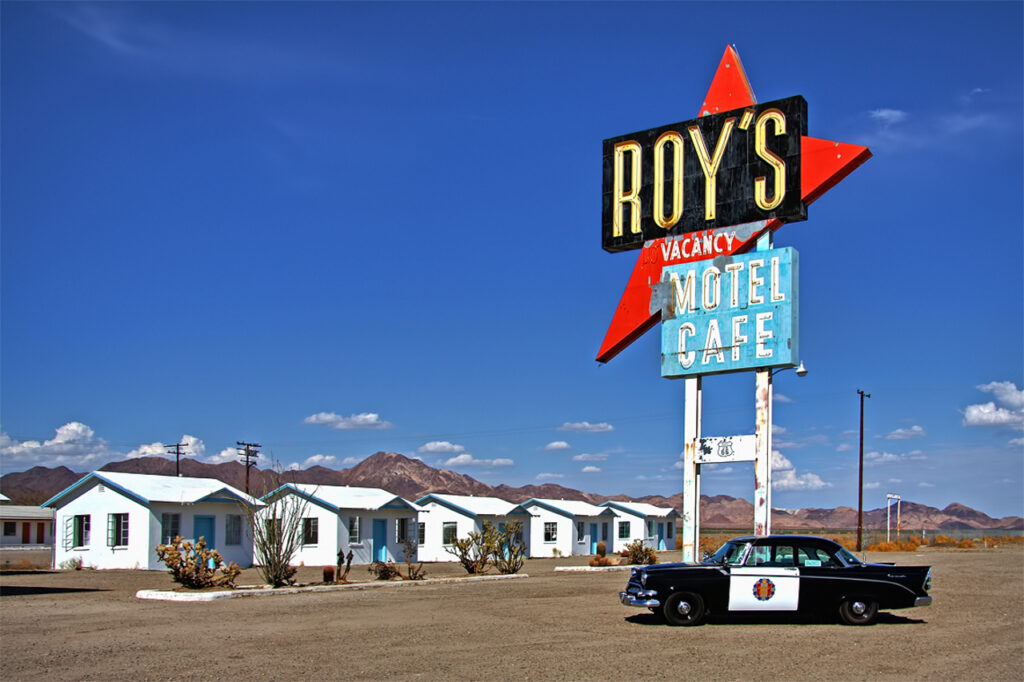
Roy’s is mostly famous for its signage and the romantic idea of a remote stop in the desert. It has faced long stretches of inactivity and partial restoration, which complicates any attempt to reopen food service at full compliance. Desert climates stress mechanical systems: cooling units work harder, water supply can be intermittent, and rodents or dust become persistent threats to food safety. Because this often involves landmarked architecture, replacement of systems must be carefully planned to preserve visual character while eliminating food-safety risk, a costly and time-consuming combination.
7. Hi-Way Café, Vinita, OK
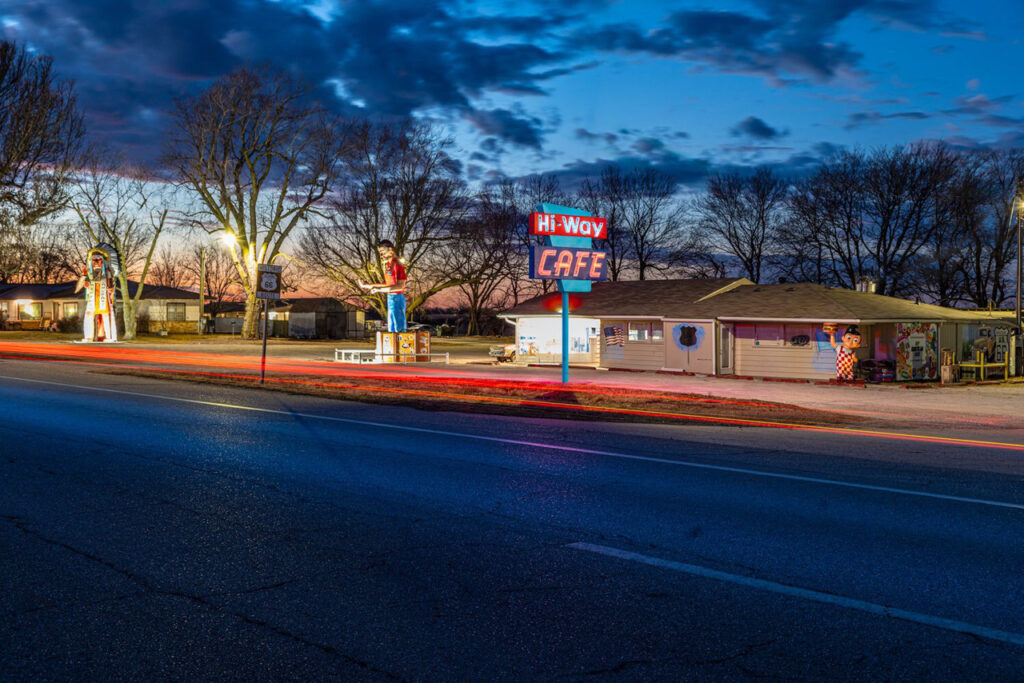
Small, tightly packed kitchens are charming, but they make it harder to separate raw from ready-to-eat handling areas. The Hi-Way Café type of setup can struggle with limited prep space, older ventilation hoods that theater smoke rather than remove it efficiently, and undersized refrigeration that forces frequent loading and unloading. Those operational constraints increase the chance of temperature fluctuations in perishables. That combination shows up in health inspections as temperature control and cleaning system issues, not always because staff are negligent, but because the physical plant was not designed for contemporary food-safety standards.
8. U-Drop Inn Café, Shamrock, TX
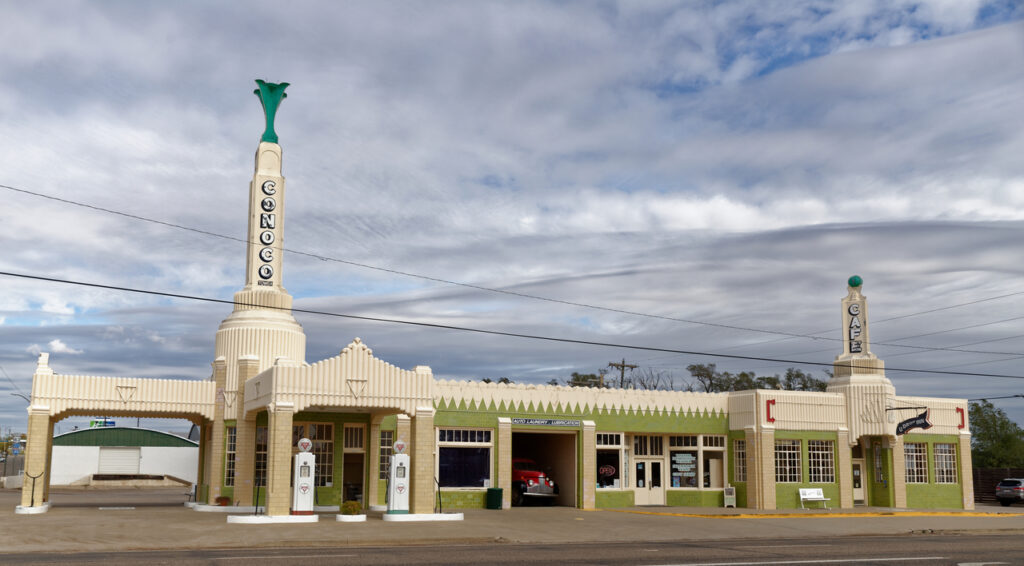
The U-Drop Inn’s restored Art Deco exterior makes it an immediate photo stop, but the allure masks the heavy lift behind the scenes. Preserving period architecture often limits how freely you can replace floors, run new plumbing, or alter load-bearing walls to fit modern grease management systems. Installing commercial-grade refrigeration and compliant waste systems can require cutting through historic materials, which both increases costs and triggers preservation constraints. Owners must coordinate with regulators and preservationists to ensure upgrades both protect public health and maintain authenticity.
9. Summit Inn, Oak Hills, CA
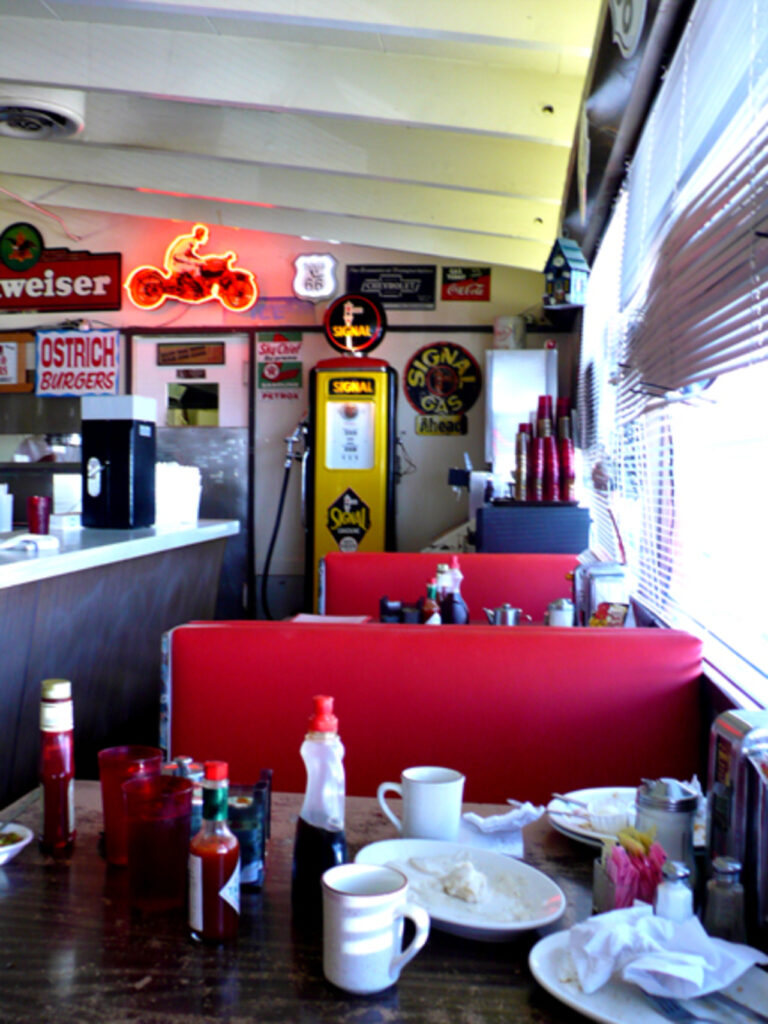
When wildfire destroyed the Summit Inn, it created a stark reminder that infrastructure risks come from natural disasters as well as age. After such events, rebuilding to current health codes and guest expectations is not only about restoring roofs or walls, it’s about redoing plumbing, electrical, waste handling, and food-prep areas to modern standards. The capital requirement for that work is substantial, and insurance or public grants rarely cover every needed upgrade. Until a full rebuild meets inspection standards, the site cannot safely operate a commercial kitchen, leaving a cultural landmark dormant and a community missing a familiar stop.
10. Bagdad Café, Newberry Springs, CA
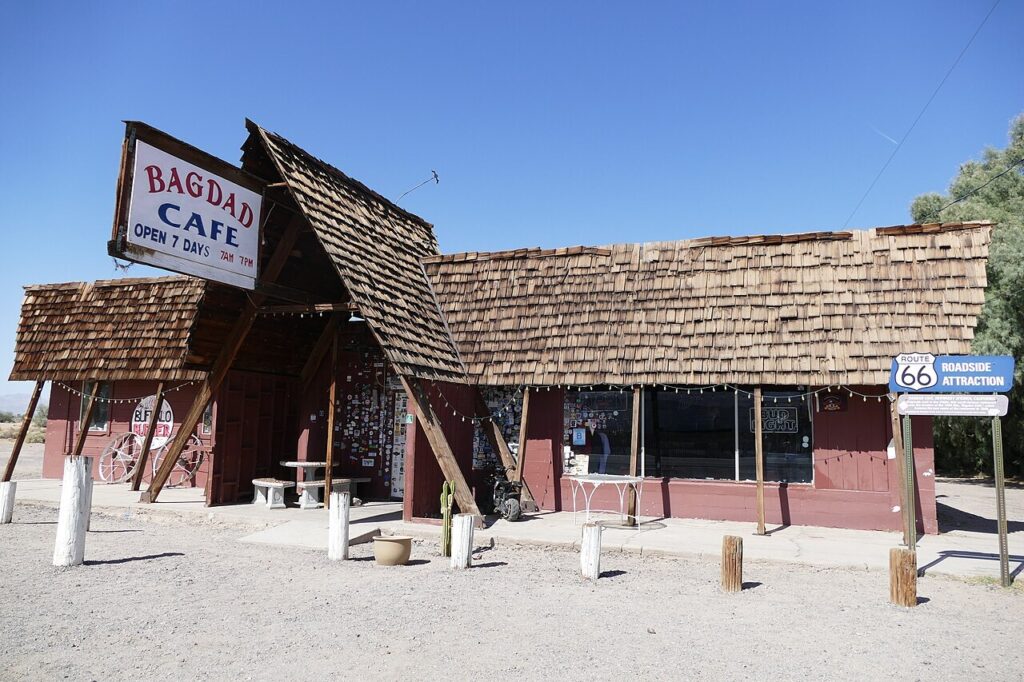
Bagdad Café’s fame means many visitors expect a full diner experience, but some historic roadside stops are better suited to being cultural landmarks than active, code-compliant eateries. Buildings that once hosted food service may not have practical drainage, modern sewage connections, or adequate water pressure for a busy kitchen. Bringing facilities up to standard requires permits and potentially expensive utility hookups. In many desert or remote locations, extending municipal services is cost-prohibitive, so operators either limit menu scope to reduce risk or accept that the site will remain a nostalgic stop rather than a full-service restaurant.
11. Retro Diners Facing Economic Strain
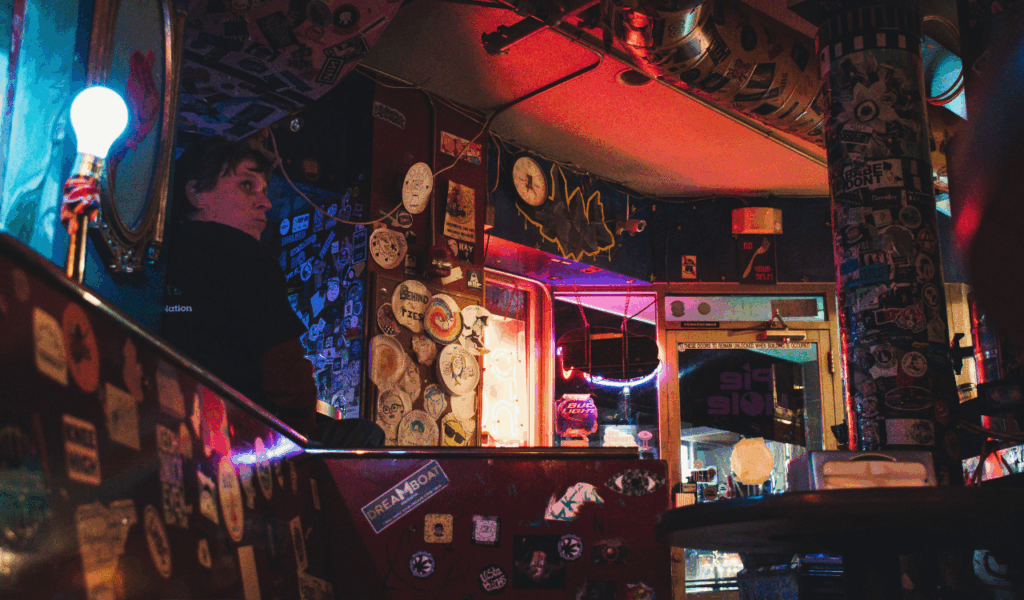
Across the Route 66 corridor there are many mom-and-pop diners that look the part but run thin margins. When utility bills, insurance, and ingredient costs climb, the money available for preventative maintenance shrinks. That creates a cycle where equipment ages, cleaning resources are constrained, and inspections flag problems. It is not uncommon for a small diner to defer replacing a failing walk-in gasket or a rusting prep table because cash flow is tight. Regulators see the result as a blow-by-blow record of violations; owners see it as an impossible choice between short-term survival and long-term investment. Both perspectives are real and painful.