6 Grocery Store Packaging Changes Shoppers Hate
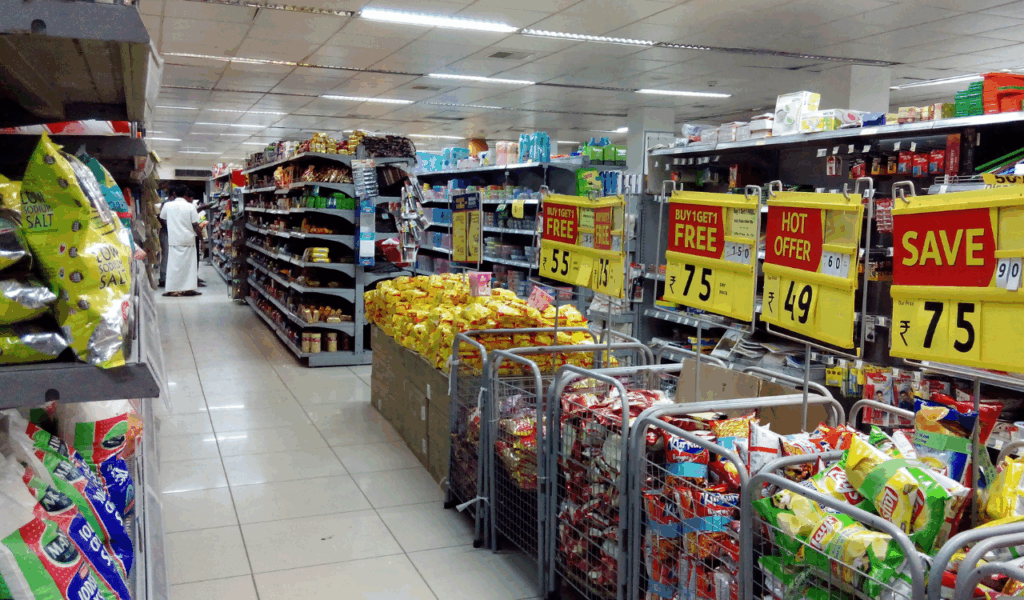
Even if certain improvements are supposed to make things more efficient or environmentally friendly, people often get annoyed. Modern grocery packaging has changed rapidly. Most package changes seem to prioritize cost savings or shelf appeal over usefulness, freshness, and honesty. Customers sometimes say servings are smaller, seals are difficult to open, or materials feel weaker. These changes may cause distrust, especially when costs rise. Most customers dislike these six grocery store packaging modifications. It also explains why these changes matter and how they affect store shoppers’ choices.
1. Shrinkflation Packaging
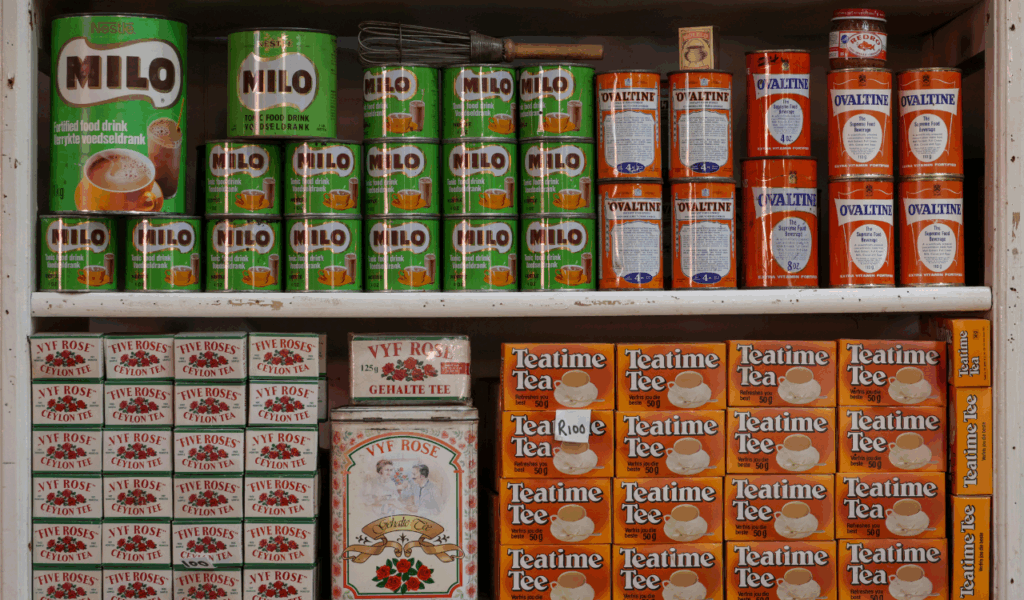
Shrinkflation occurs when the size or shape of a package stays the same, but the amount of product inside it goes down. Customers often feel like they’ve been tricked when a familiar container, bag, or bottle suddenly holds less and costs the same or more. This method makes it harder to quickly compare prices, especially when you’re buying at busy times. Families that organize their meals around fixed quantities are the first to notice the change. Even while corporations cite higher production costs, customers see shrinkflation as a trust issue, not a pricing issue. If they keep getting smaller products, consumers may lose brand loyalty.
2. Hard to Open Seals
A lot of food goods come with packaging that is hard to open right now. This includes bonded caps, strong plastic seals, and stacked packaging. Customers often have trouble when they buy because tabs peel off or lids need tools to be taken off. People who are older or have weak hands may find this scenario exceedingly aggravating. Even while these seals are meant to make things safer and fresher, they often cause unnecessary waste and annoyance. Customers miss safer, easier-to-use alternatives. When opening a product is difficult, the whole experience is ruined before eating. This applies before eating.
3. Excessive Plastic Wrapping
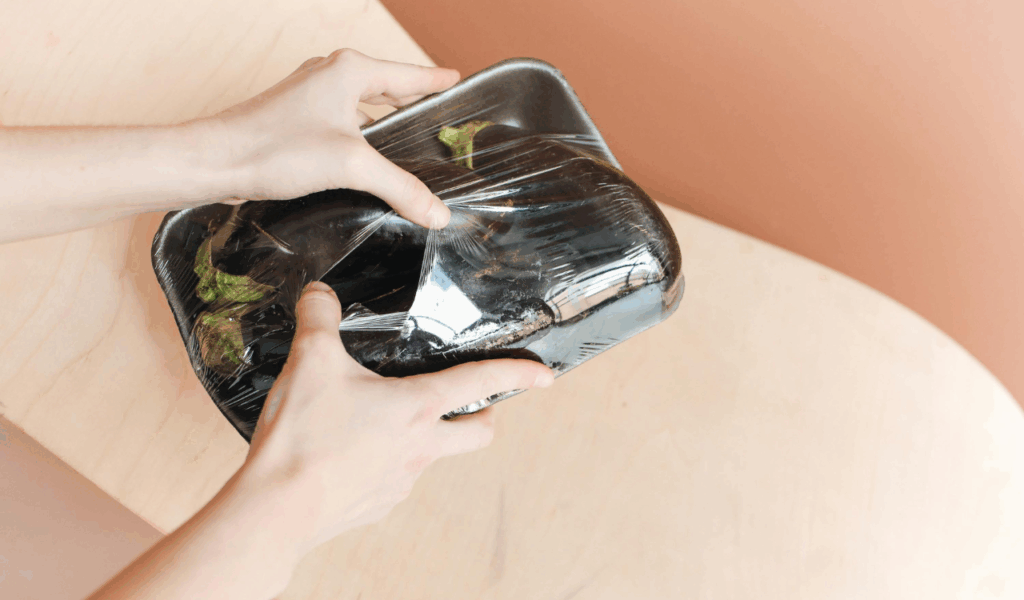
The change in packaging that has gotten the most bad press is the overuse of plastic. More and more, people are wrapping different kinds of fruits, vegetables, and solitary items in layers of plastic that don’t seem to be necessary. People who care about the environment see this as a step in the wrong direction. Too much plastic not only adds weight, but it also makes things harder to store at home. Plastic may make a product survive longer, but people often think that the scales have gone too far. Simple packaging that keeps items fresh is their preference. Small wrapped items may make trash-cutters feel bad and annoyed.
4. Non-Resealable Packaging
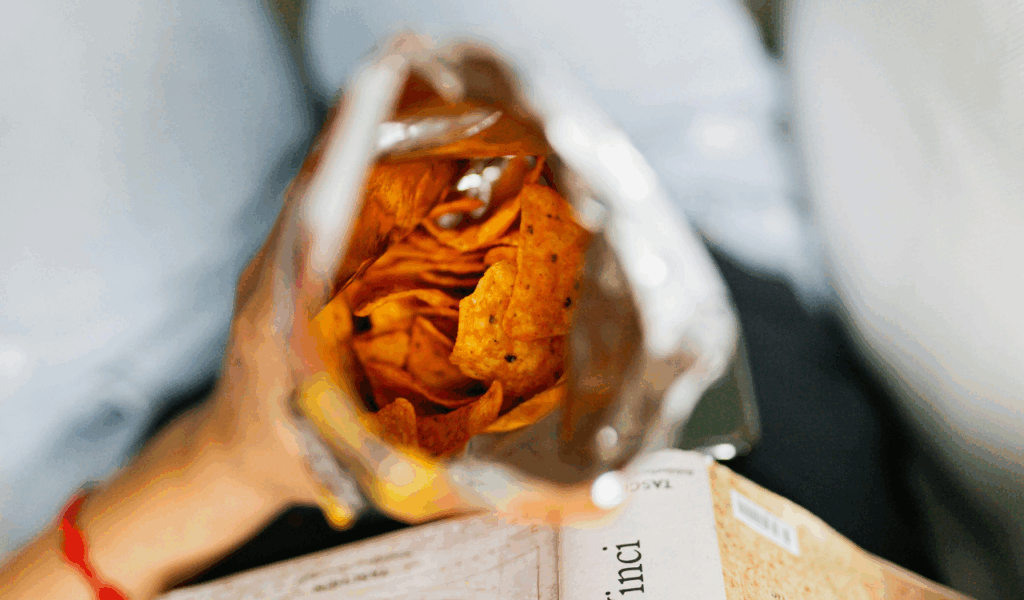
More and more people are complaining about packaging that can’t be resealed, especially when it comes to frozen foods, grains, and snacks. If products don’t have the right closures, they are more likely to get stale, leak, or soak up moisture. Because of this, consumers have to move items into separate containers, which makes things more difficult and messy. It used to be standard for many products to have resealable designs, so getting rid of these designs feels like a step back. Companies saving money on packaging reduce customer convenience and freshness. People hate it when food spoils due to unresealed packaging.
5. Overly Large Boxes with Empty Space
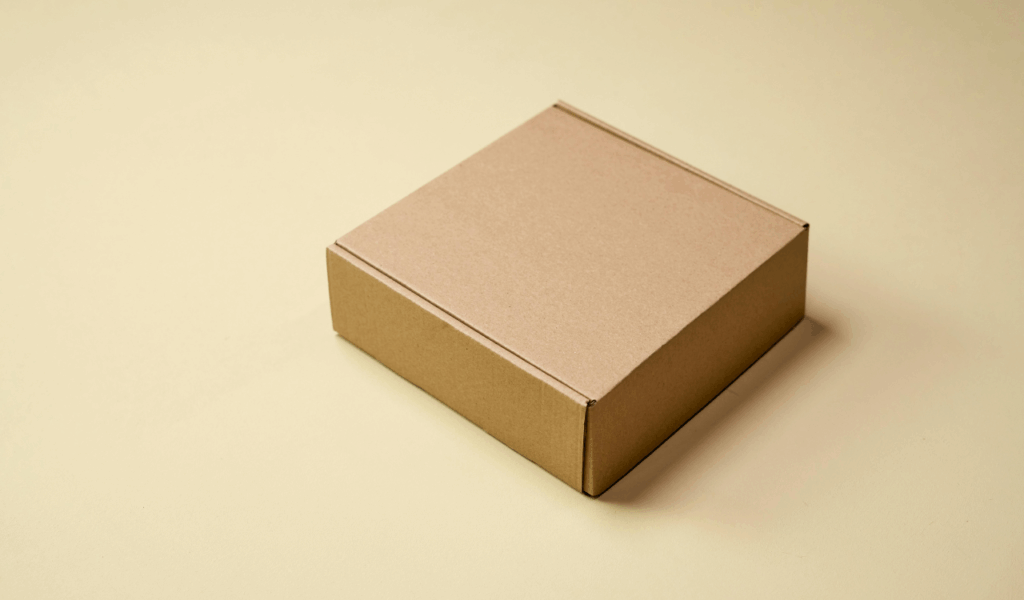
Customers get angry when they open big boxes that are mostly empty because they expect there will be more items inside. The packaging in question makes the product seem more valuable than it really is, and it also wastes space on shelves and in storage. People who buy cereal or snacks know that the box or bag is only half full of air. It also makes more trash at home. Even while it may protect sensitive objects during transport, some consumers think the extra room is wrong. They like smaller containers that reveal contents. Too much vacant space can seem like a trap, especially as grocery prices rise. This is especially true for weak or low-quality materials.
6. Flimsy or Low Quality Materials
Several customers have reported that the packing materials seem to be thinner and less strong than they used to be. When being shipped, bags can rip, cartons can get crushed, and lids can break with very little pressure. Before the items ever get to the customer’s house, this makes a mess, ruins food, and annoys them. Customers want the packing to keep the things they buy safe, even while lightweight materials lower shipping costs and emissions. When food is brought broken or damaged, it seems like it doesn’t have any value. If customers keep having problems with the packaging, they may feel like they have to switch brands that still value durability.