
9 Statement Pieces That Clash With Everyday Living
Statement pieces promise personality and impact, but in real homes, they often create friction rather than function. What looks bold and editorial online can feel awkward once daily life moves in. Oversized forms block walkways, sculptural shapes limit comfort, and dramatic materials demand constant care. Instead of enhancing how a home works, these pieces start to dictate it. Over time, homeowners realize they are adjusting their habits to accommodate furniture rather than enjoying their space. True design success comes from balance, where visual interest supports everyday living instead of competing with it.
1. Oversized Sculptural Chairs That Eat Space
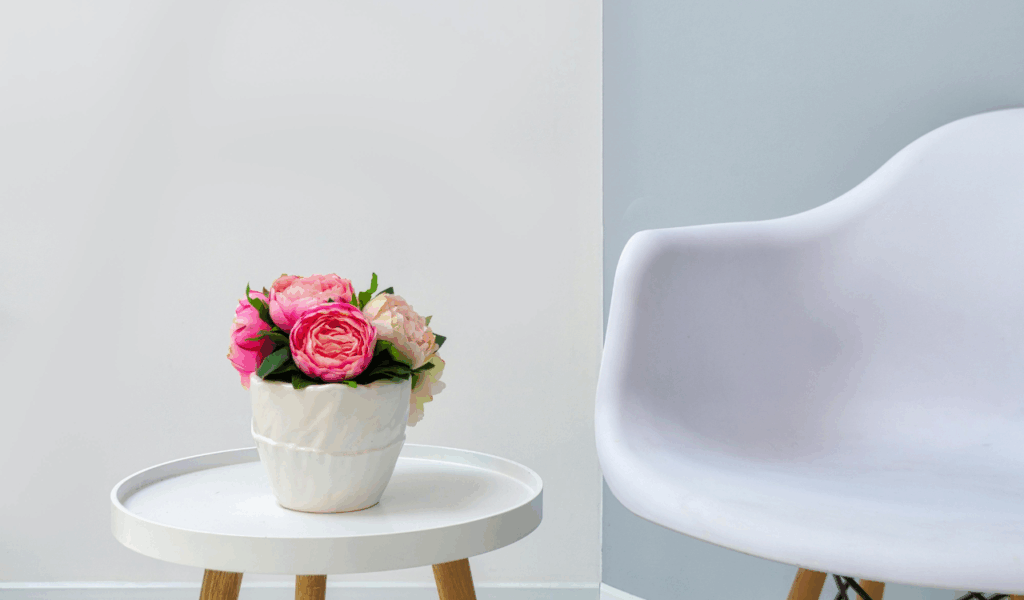
Here’s the thing about sculptural chairs that look incredible online: they’re often designed to be admired, not used. In real homes, these oversized chairs tend to overwhelm the room they’re placed in. Their exaggerated curves, wide arms, or deep footprints reduce usable floor space and make everyday movement awkward. In apartments or modest living rooms, they can block walkways or force other furniture into uncomfortable positions. Comfort can also be an issue. Many sculptural chairs prioritize form over ergonomics, leading to stiff seating that people avoid after the novelty wears off. What starts as a bold design statement often becomes a rarely used object that dictates the entire room layout. When furniture controls how you live rather than supporting it, daily comfort takes a back seat.
2. Intricate Accent Tables With Awkward Shapes
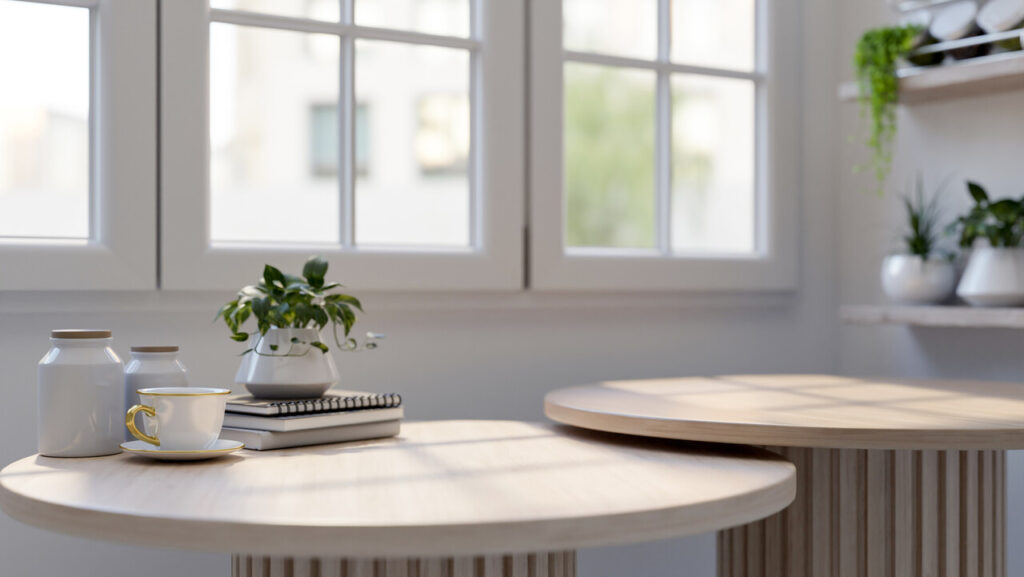
Accent tables with dramatic angles, cutouts, or irregular bases are visually striking, but they tend to clash with how people actually use their living spaces. These tables often lack stable surfaces, making it difficult to place drinks, books, or everyday items without fear of tipping or spilling. Sharp corners and protruding edges also create constant obstacles, especially in high traffic areas. Over time, homeowners realize they’re adjusting their habits to accommodate the table rather than benefiting from it. Instead of serving as a helpful surface, the table becomes something to work around. Good furniture should quietly support daily routines, not demand constant awareness and caution.
3. Huge Abstract Art Panels That Dominate the Room
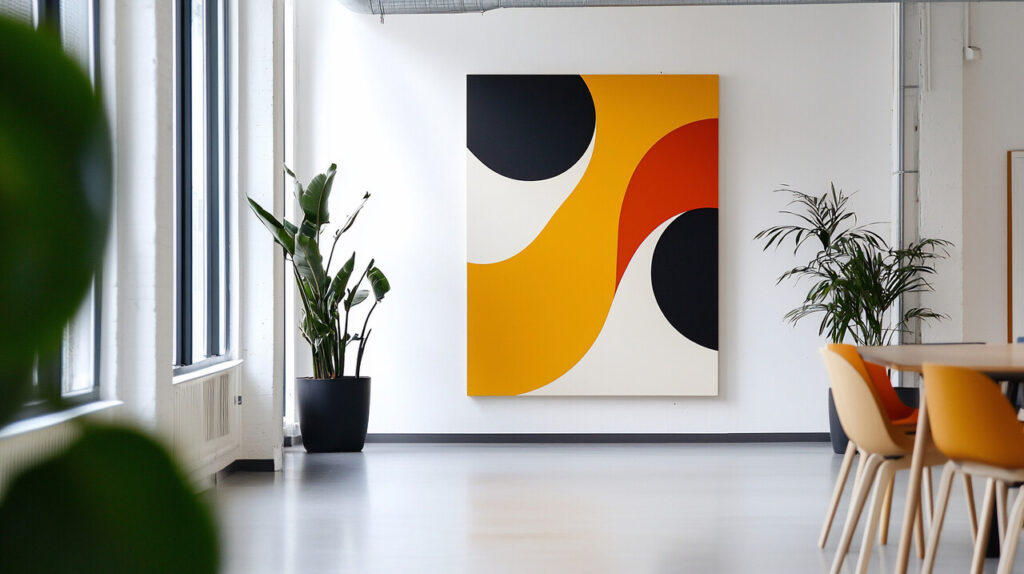
Large abstract art can add personality, but when scale and placement are ignored, it can quickly overwhelm a space. Oversized panels often dominate sightlines, pulling focus away from conversation areas or making rooms feel visually crowded. In smaller homes, this kind of art can shrink the perceived size of a room rather than opening it up. Daily living highlights the issue even more. People may feel distracted or overstimulated in spaces meant for relaxation. Art should complement how a room is used, not compete with it. When artwork demands attention at all times, it can create tension rather than atmosphere.
4. Massive Floor Lamps That Block Flow
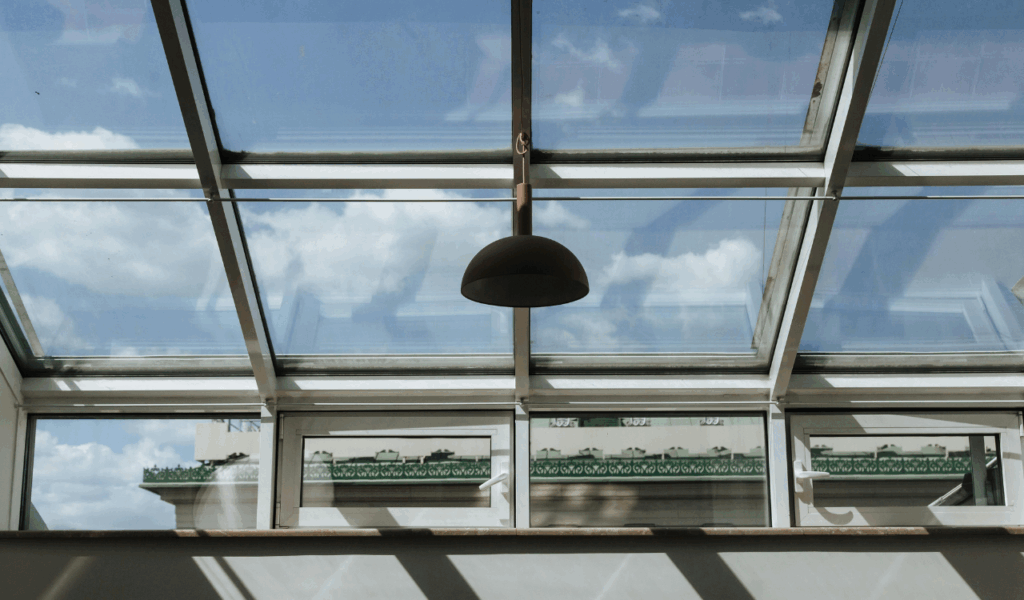
Statement floor lamps often promise drama and mood lighting, but their size can create more problems than benefits. Tall arches, oversized shades, or heavy bases frequently intrude into seating areas or walkways. Instead of enhancing comfort, they force awkward furniture placement or reduce usable space. Lighting should feel intuitive and supportive, yet oversized lamps can cast uneven light or glare at eye level. In everyday use, homeowners find themselves constantly adjusting or navigating around these fixtures. What looks bold in a styled room can feel clumsy when real life requires clear paths and flexible layouts.
5. Low Sculptural Coffee Tables That Limit Use
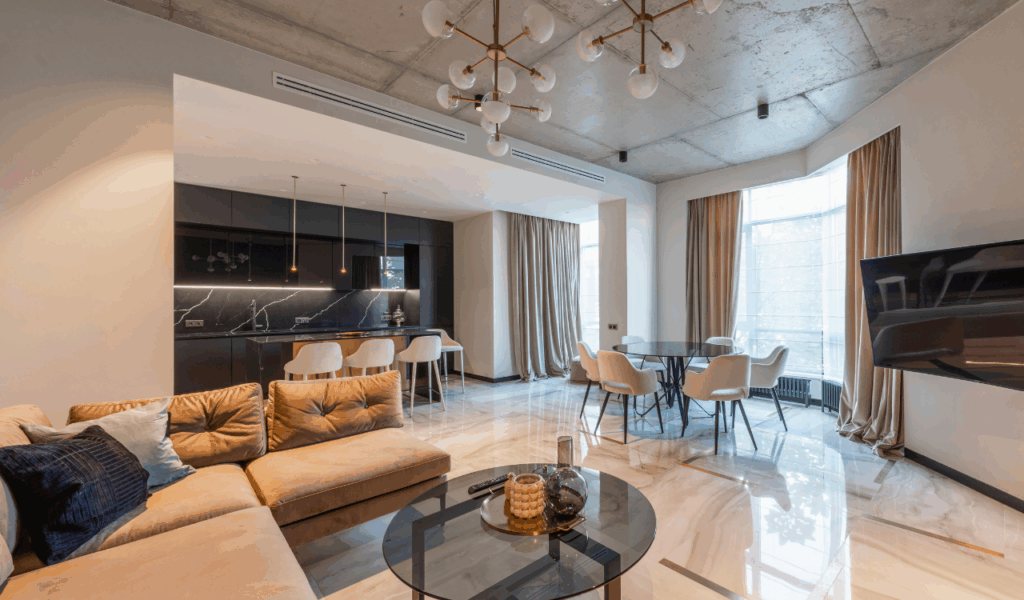
A coffee table should be one of the most practical pieces in a living room, yet sculptural versions often sacrifice usability for style. Extremely low heights make it uncomfortable to reach drinks or snacks, while uneven or curved surfaces limit what can actually be placed on them. Many are made from materials that scratch easily or show wear quickly, adding stress to everyday use. Over time, people stop using the table as intended, letting it become a visual centerpiece rather than a functional one. When a central piece fails its basic purpose, it quietly disrupts how a room works day to day.
6. Statement Mirrors With Heavy Ornate Frames
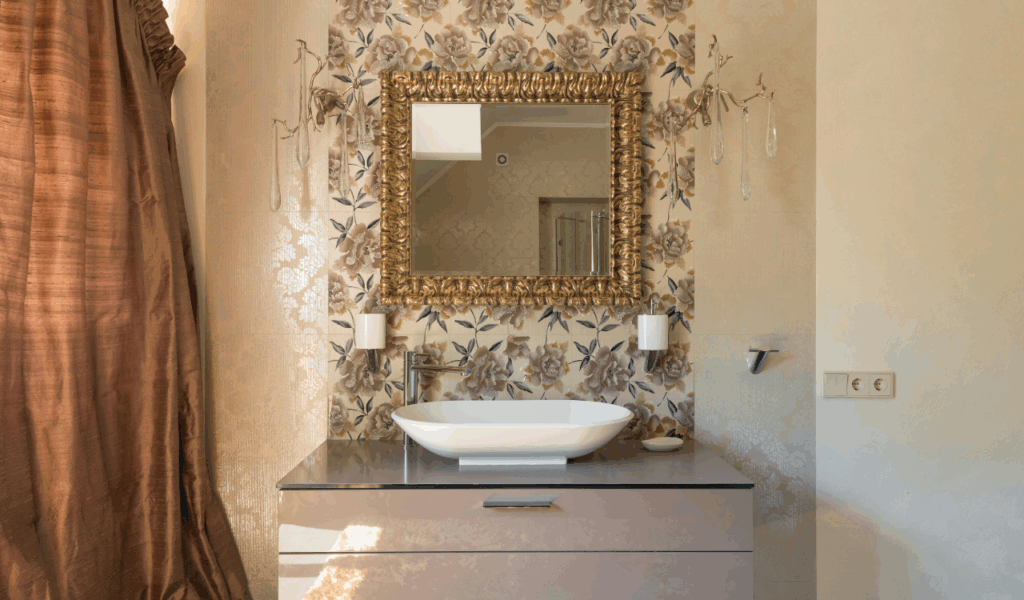
Mirrors are meant to add light and openness, but heavily framed statement versions can do the opposite. Thick, ornate frames draw attention to themselves and visually weigh down walls, especially in smaller rooms. They can clash with simpler furnishings and make spaces feel overly formal or staged. Practical issues follow as well. Cleaning becomes more difficult, and placement options are limited due to the mirror’s size and weight. Instead of enhancing flexibility and brightness, these mirrors lock a room into a specific look that may not age well with changing tastes or needs.
7. Monumental Sculptures That Interrupt Everyday Movement
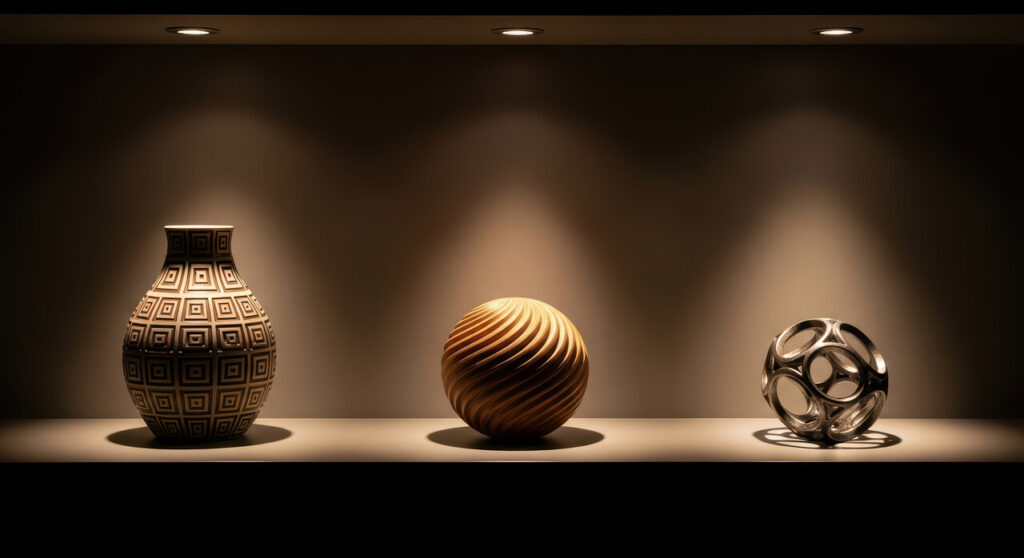
Large decorative sculptures often blur the line between home and gallery. While they may impress guests initially, they frequently disrupt how people move through a space. Furniture layouts must accommodate the sculpture rather than comfort or conversation. In busy households, these pieces become constant obstacles that require careful navigation. They also discourage casual use of the surrounding area, making rooms feel formal and untouchable. Living spaces thrive on openness and ease, and when a single object demands special treatment, it undermines that sense of comfort.
8. Glass-Topped Statement Tables That Demand Constant Care
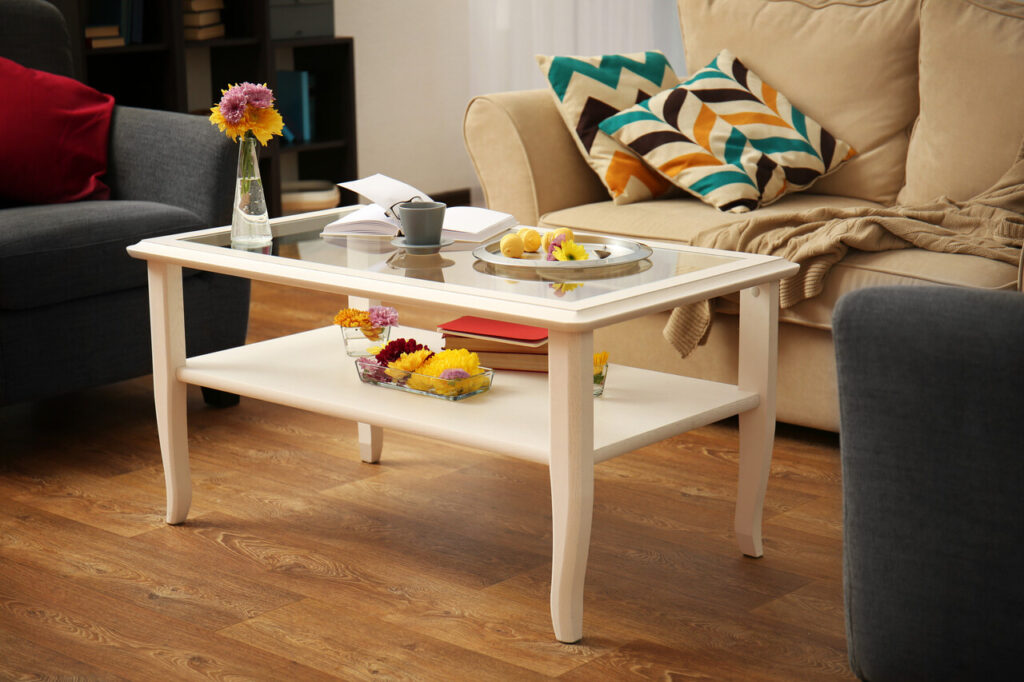
Glass-topped tables look sleek and refined, but real life quickly exposes their drawbacks. Fingerprints, dust, and smudges appear almost instantly, requiring frequent cleaning to maintain their look. In homes with children or pets, the stress only increases. Beyond maintenance, glass surfaces can feel cold and uninviting for everyday use. People become hesitant to place items down casually, which defeats the purpose of a table. What begins as a modern statement often turns into a high-maintenance surface that adds anxiety rather than ease to daily routines.
9. Bold Patterned Rugs That Overpower Everything Else

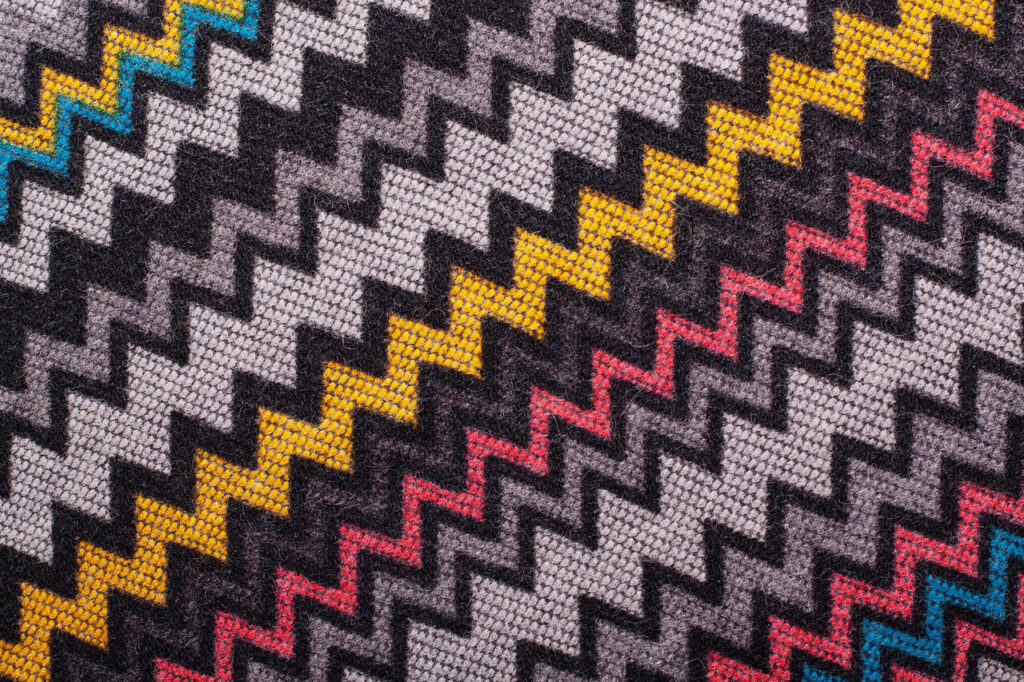
A strong patterned rug can anchor a room, but when the design is too loud or oversized for the space, it creates visual chaos. These rugs often clash with existing furniture, forcing homeowners to rethink everything from sofa color to wall art. Instead of unifying the room, the rug becomes a constant point of tension. In everyday living, overly bold patterns can feel busy and tiring, especially in spaces meant for rest. A rug should ground a room and support comfort. When it dominates attention, it disrupts the calm that makes a home feel livable.