7 Home Design Trends That Hurt Resale Appeal
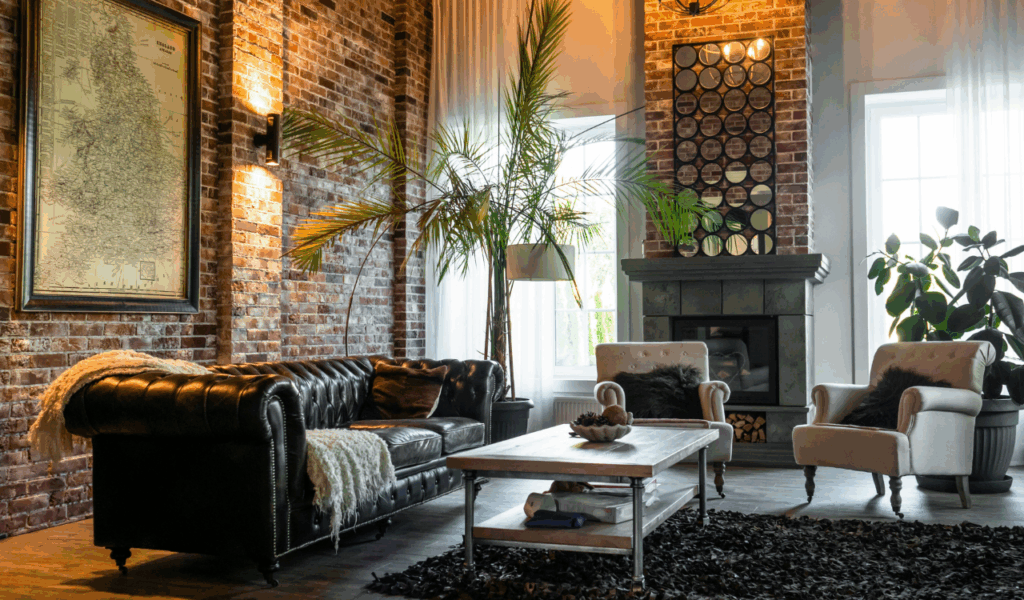
When it comes time to sell, not all design trends work well. Home design choices are quite personal. What one homeowner thinks is daring, stylish, or one-of-a-kind may seem limited or expensive to potential purchasers. The resale value of a home depends on how flexible it is, how well it fits with a wide range of tastes, and how quickly it can adapt to new lifestyles. Renovation of a specific design or purpose often raises concerns about cost and time. Knowing which design decisions turn buyers off can help homeowners balance personality and long-term value. These seven home design trends can make a house less sellable.
1. Highly personalized color schemes

Choosing bold, very personal colors for your home can make it stand out, but they can also lower its market value. Buyers have a difficult time picturing the room as their own whether the walls are bright, the ceilings are dark, or the colors are strange. A lot of people subconsciously figure up how much it will cost to repaint as soon as they walk in, which might make the place seem less valuable. Strong colors can also distort light, making rooms appear smaller or darker. First impressions matter, but color is easy to modify. Neutral, versatile color choices make a property feel cleaner and ready to move in, so most purchasers choose them.
2. Overly themed rooms
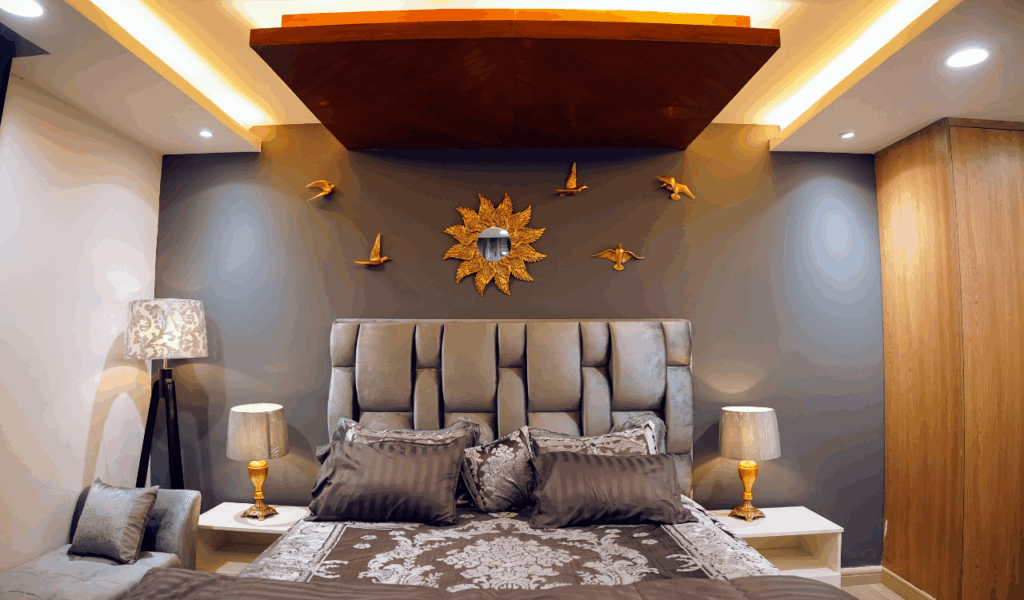
Rooms that are built around a strong theme can be fun to live in, but they don’t usually appeal to a lot of people. Themed areas limit flexibility, whether they are based on a certain time period, activity, or aesthetic. It could be hard for buyers to comprehend how the room could work differently without making big adjustments. Decorative items that are closely related to the topic can seem too much or out of date. Even if the theme is wonderfully done, it makes it less likely that people will want to buy. People may display their own tastes in homes that feel neutral but warm, which makes them feel more connected during showings.
3. Converting bedrooms into specialty spaces
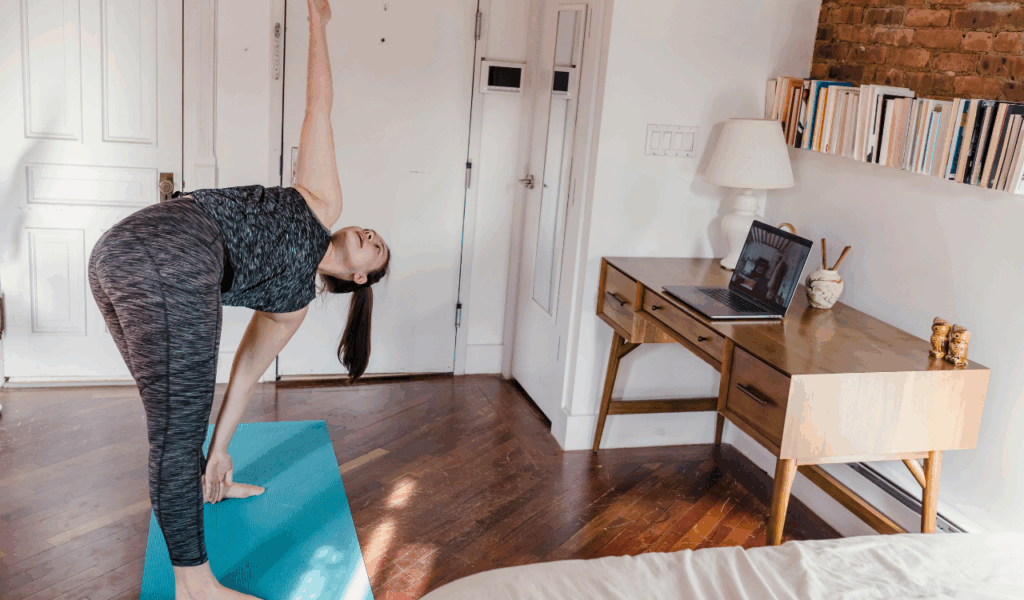
It can be useful to turn a bedroom into a gym, office, or media room right now, but it could make the house less appealing to buyers later. A lot of the time, buyers want a particular amount of bedrooms, and taking one away changes how the home is classified. Buyers take into account the time and money it may take to undo specialty conversions when making offers. Even if the space is nice, the fact that it is less flexible is a problem. Keeping bedrooms as identifiable sleeping areas, even if they are utilized differently every day, helps keep the home looking and feeling big and useful.
4. Open shelving replacing upper cabinets
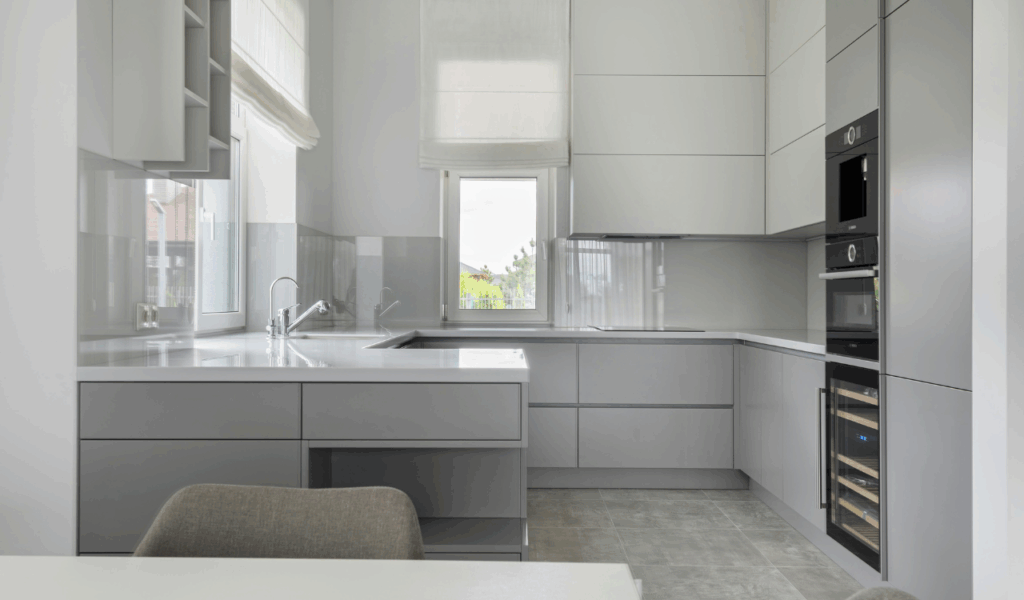
People typically worry about eliminating upper cabinets completely, even though open shelving can appear nice. Many people like cabinets because they hide things away, which helps keep kitchens clean. Open shelves need to be organized all the time, and they can readily exhibit clutter, which can be irritating. People who want to buy may be worried about dust, upkeep, and not having enough room for everyday things. Putting cabinets back in costs more and makes the kitchen look less finished. A mix of shelves and cabinets that is well-balanced usually looks better and is easier to sell than a completely open look.
5. Luxury features with niche appeal
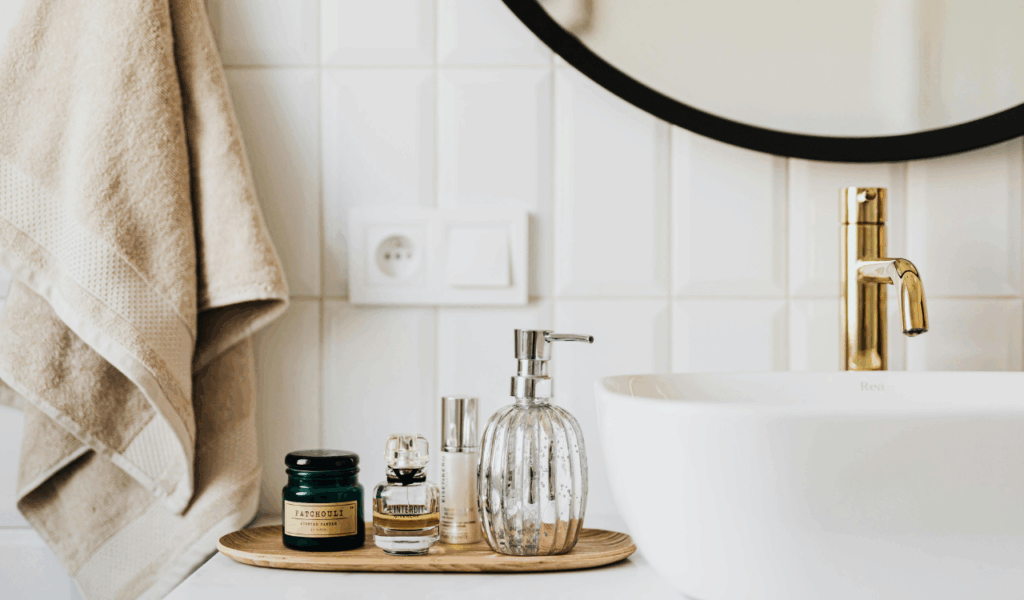
Some luxury enhancements sound great, but only a limited number of people will want them. Many purchasers may not see the need for features like large soaking tubs, built-in entertainment systems, or customized lighting. People may regard them as bad things instead of good things if they take up room or need upkeep. People who buy homes generally like areas that can be changed over luxury features that can’t be changed. Features that only work for a certain way of living make a home less appealing to everyone. Simple, high-quality finishes that make life easier tend to endure longer and be worth more.
6. Unusual flooring choices
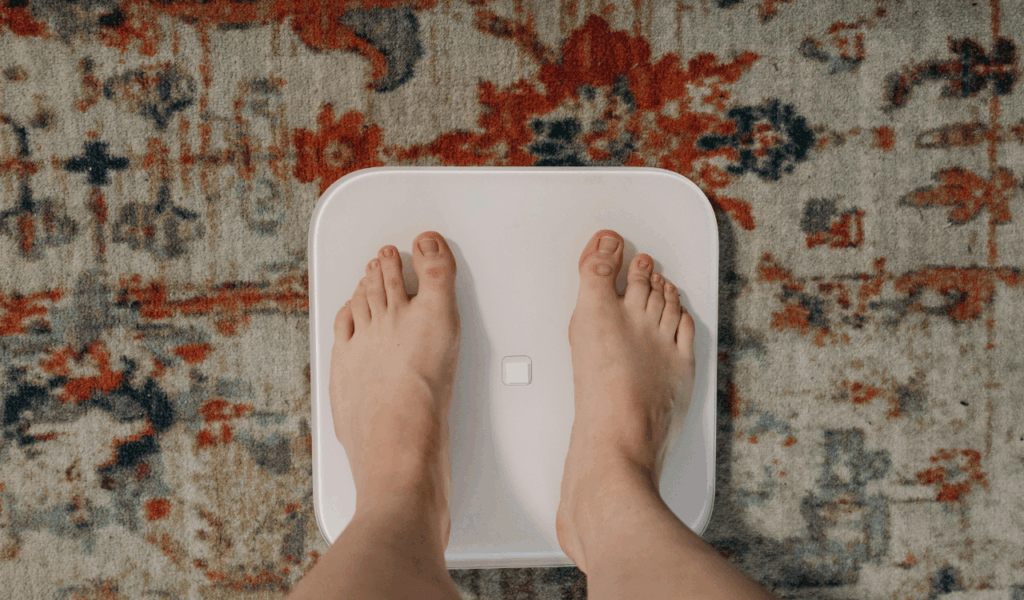
The flooring you choose can have a big effect on initial impressions, and strange choices can easily turn buyers off. Very black flooring show dust and scratches readily, yet very light floors sometimes feel like they won’t work. Patterns that are bold or materials that are blended together can make things look busy and make it hard to coordinate with furnishings. When flooring seems overly specific, buyers often wonder about how much it will cost to replace it. Neutral, long-lasting flooring choices make rooms feel bigger and more connected. Flooring that mixes in well usually sells better than those that stand out.
7. Removing bathtubs from family homes
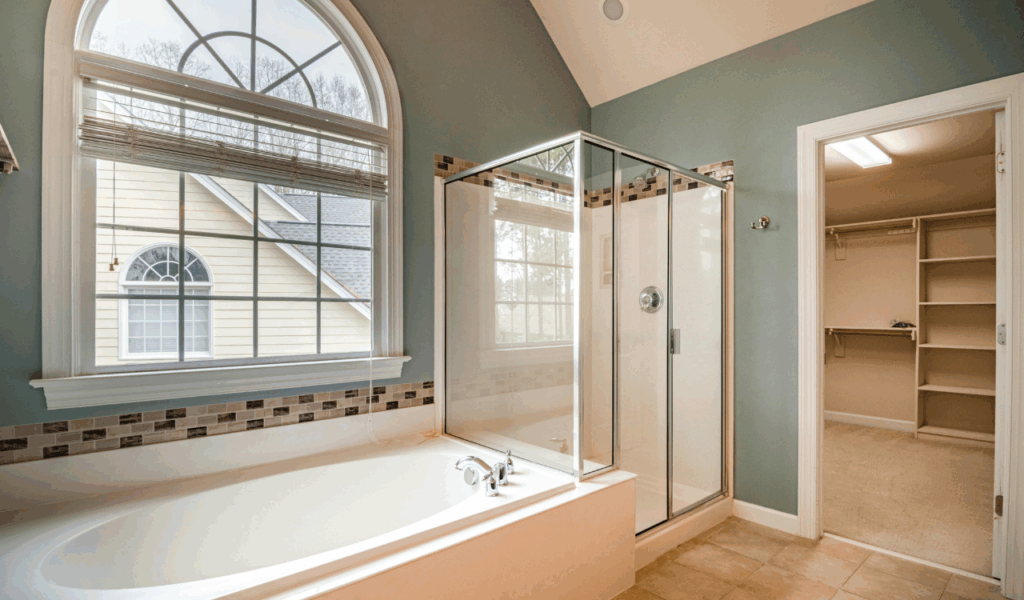
People like to replace bathtubs with big walk-in showers, but getting rid of all the tubs can make it harder to sell a property that is good for families. A lot of purchasers with kids want at least one bathtub. They could think the house is less useful without it. It can be costly and troublesome to add a tub later. Walk-in showers are nice, but balance is important. Keeping at least one tub makes the house more appealing to a wider range of buyers and shows that it can handle different periods of life without needing to be remodeled right away.