4 Grocery Store Layout Changes Shoppers Hate
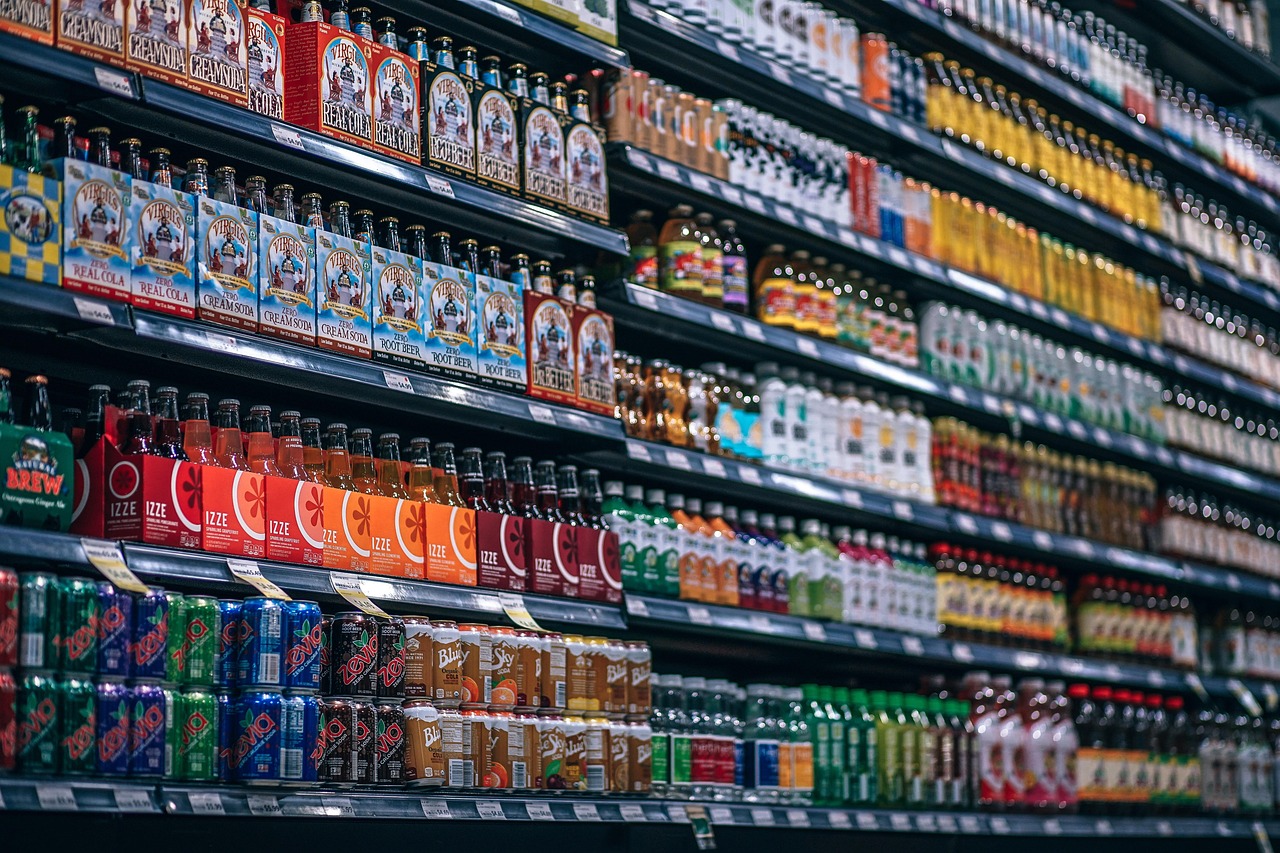
Grocery stores are constantly tweaking layouts in the name of efficiency, profit, or modernization. But shoppers notice when those changes make the experience worse instead of better. Familiar paths disappear, essentials move without warning, and quick trips turn into frustrating scavenger hunts. What retailers see as strategy, customers often experience as manipulation or inconvenience. Over time, these layout changes chip away at trust and loyalty. When shopping becomes harder, slower, or more stressful, people don’t blame themselves. They blame the store.
1. When Basic Staples Get Pushed to the Back
What frustrates shoppers most is not change itself, but the feeling of being deliberately inconvenienced. Moving essentials like milk, eggs, bread, and produce to the far back of the store disrupts the rhythm of everyday shopping. These items are the backbone of most grocery trips, especially quick weekday runs. When they’re suddenly harder to reach, shoppers feel manipulated rather than served. The design goal is often to increase exposure to other products, but the real-world effect is irritation. Parents, older shoppers, and anyone shopping on a tight schedule notice the extra steps immediately.
2. Reorganizing Aisles That Shoppers Already Memorized
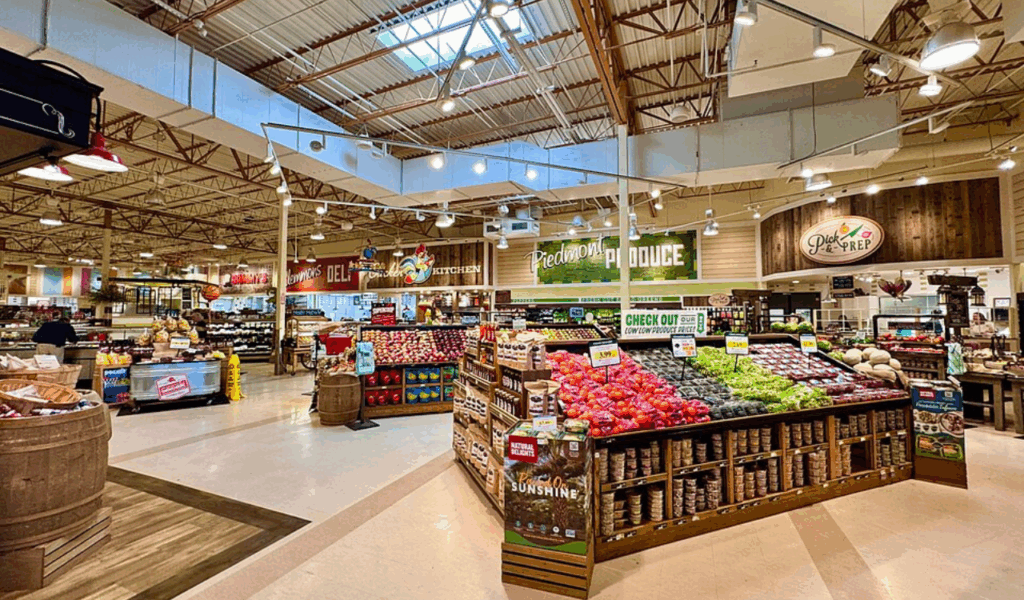
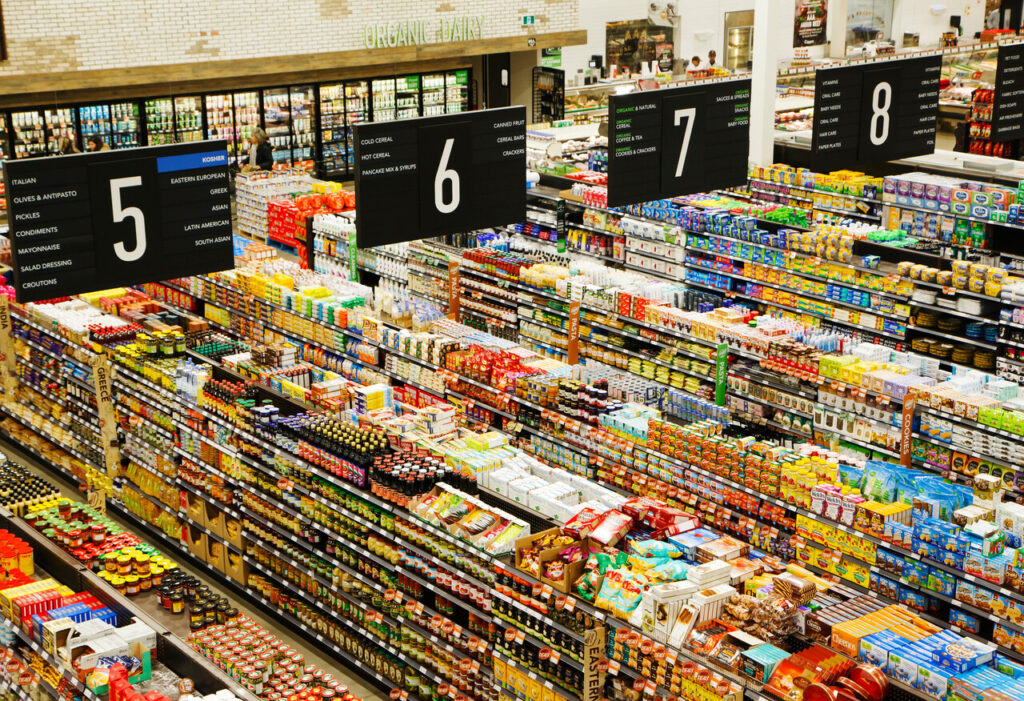
Grocery shopping relies heavily on muscle memory. Regular customers know exactly where things are, often navigating aisles without conscious thought. When stores reshuffle entire aisle layouts, that familiarity disappears overnight. What used to be a ten-minute trip becomes a wandering scavenger hunt. Shoppers report feeling disoriented and mentally drained, especially when signage lags behind the changes or categories are split across multiple aisles. This is particularly frustrating for people shopping with children or those who rely on routine for accessibility reasons. While stores may aim to modernize or refresh the space, the loss of predictability creates stress.
3. Shrinking or Eliminating Well-Loved Sections
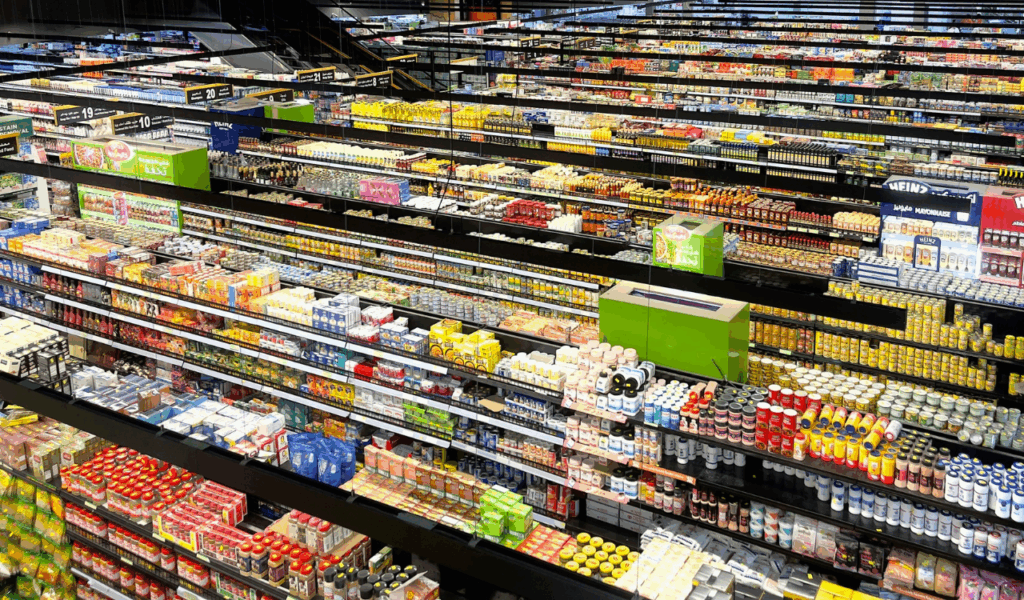
Another change shoppers consistently resent is the quiet downsizing of specific departments. Baking supplies, international foods, bulk goods, or specialty diet sections are often reduced to make room for trend-driven items or seasonal displays. For shoppers who rely on these sections, the message feels clear: your needs are no longer a priority. This hits hardest during holidays, cultural celebrations, or dietary transitions when variety actually matters. People notice when their go-to products vanish or are squeezed into cramped shelves. Over time, this creates a sense that the store is catering to impulse buyers rather than loyal customers.
4. Turning Grocery Stores Into General Retail Mazes
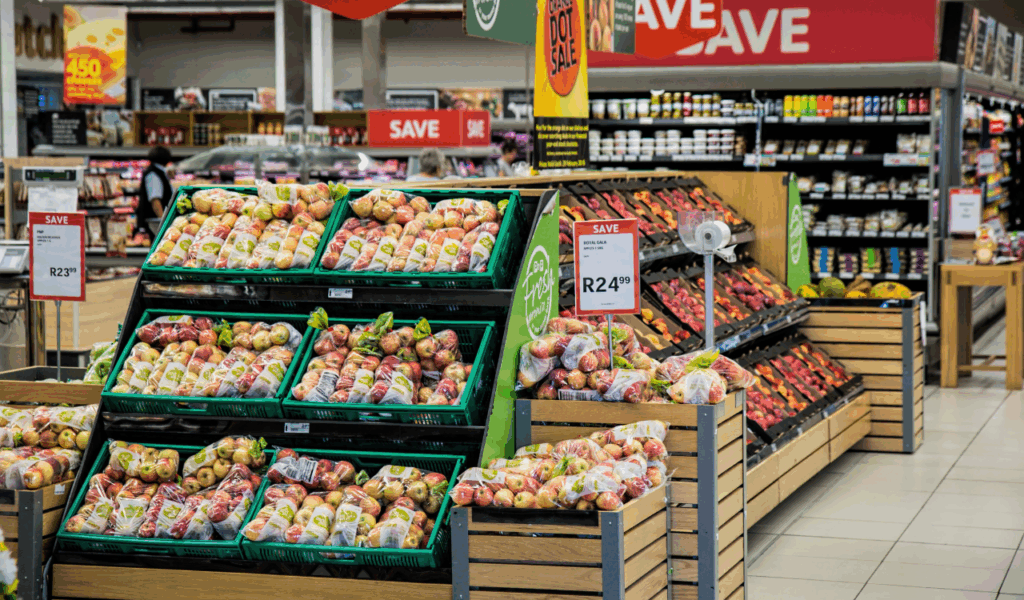
When grocery stores start adding large clothing racks, electronics displays, or seasonal non-food aisles, shoppers often feel the core purpose of the store gets diluted. These additions can create bottlenecks, reduce aisle width, and make navigation harder, especially during peak hours. Customers shopping for food don’t want to weave through unrelated merchandise to reach produce or dairy. Many also question why grocery space is sacrificed while food prices continue to rise. The store begins to feel cluttered rather than efficient. Instead of enhancing the experience, these retail additions often make trips longer and more frustrating.