4 Chain Restaurants That Expanded Too Fast and Lost Quality
Rapid expansion can make a restaurant chain feel unavoidable, but it can also quietly erode what made people care in the first place. When brands grow faster than their systems, training, or sourcing can handle, quality often becomes the first casualty. Menus get simplified, ingredients change, and consistency turns into a gamble that depends on location rather than brand promise. Customers notice these shifts quickly, especially when prices continue to climb. These chains didn’t lose relevance overnight. They lost it gradually, one rushed opening and cost-cutting decision at a time.
1. Chipotle Mexican Grill
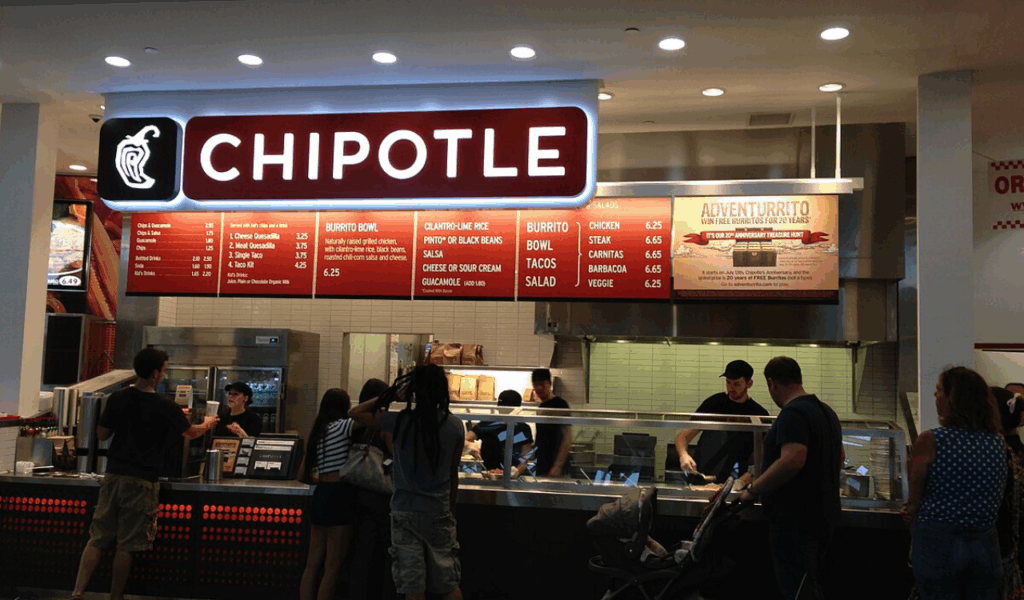
Chipotle’s rise happened fast, and for a while, it felt unstoppable. The brand built its reputation on simple menus, visible ingredients, and a promise of better sourcing than typical fast food. The problem is that scaling that model nationwide puts enormous pressure on training, supply chains, and store-level execution. As locations multiplied, consistency slipped. Customers began noticing wildly different portion sizes, uneven seasoning, and rushed assembly that undercut the original appeal. Food safety challenges during peak expansion years also forced procedural changes that slowed kitchens and altered prep methods.
2. Red Lobster
Red Lobster’s growth turned it into a household name, but that scale came with tradeoffs that seafood diners notice quickly. As the chain expanded across markets with very different access to fresh products, maintaining quality became harder. Cost pressures pushed menu simplification and heavier reliance on frozen or pre-prepared items. Portions gradually shrank while prices rose, creating a disconnect between expectation and value. Operational speed also became a priority, which affected cooking times and presentation. Seafood is unforgiving when execution slips even slightly, and regular guests began sensing that care had been replaced by efficiency.
3. TGI Fridays
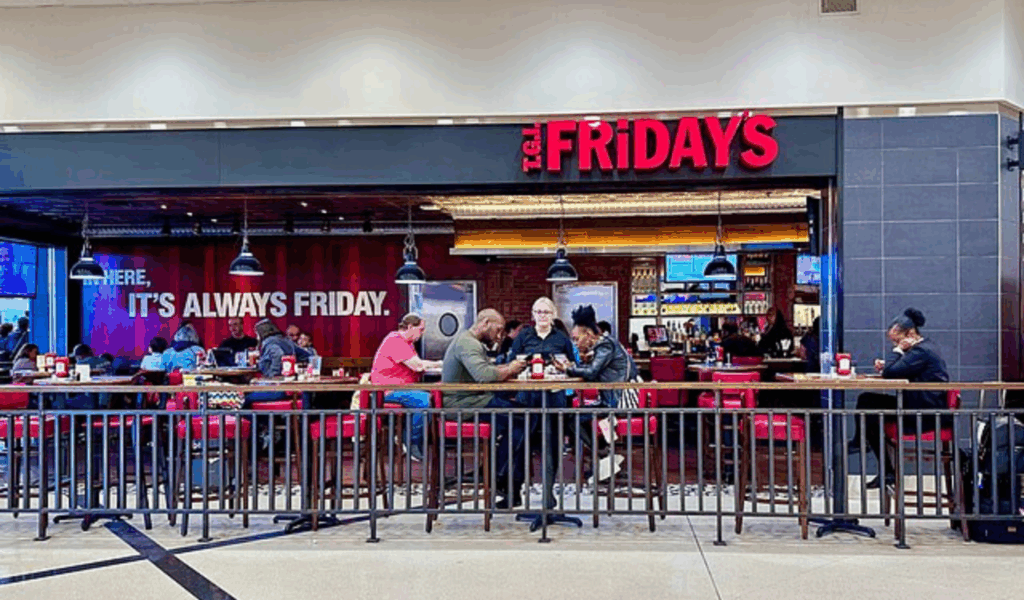
TGI Fridays expanded aggressively during the casual dining boom, spreading a high-energy bar-and-grill concept across malls and highways nationwide. The challenge was that the brand’s identity relied on atmosphere and indulgence more than food fundamentals. As franchising accelerated, menus grew bloated and kitchens were asked to execute too many items with limited time and training. Consistency suffered first, followed by flavor and freshness. Dishes became increasingly reliant on frozen components and heavy sauces to mask shortcuts. Service quality varied widely between locations, weakening brand loyalty.
4. Ruby Tuesday
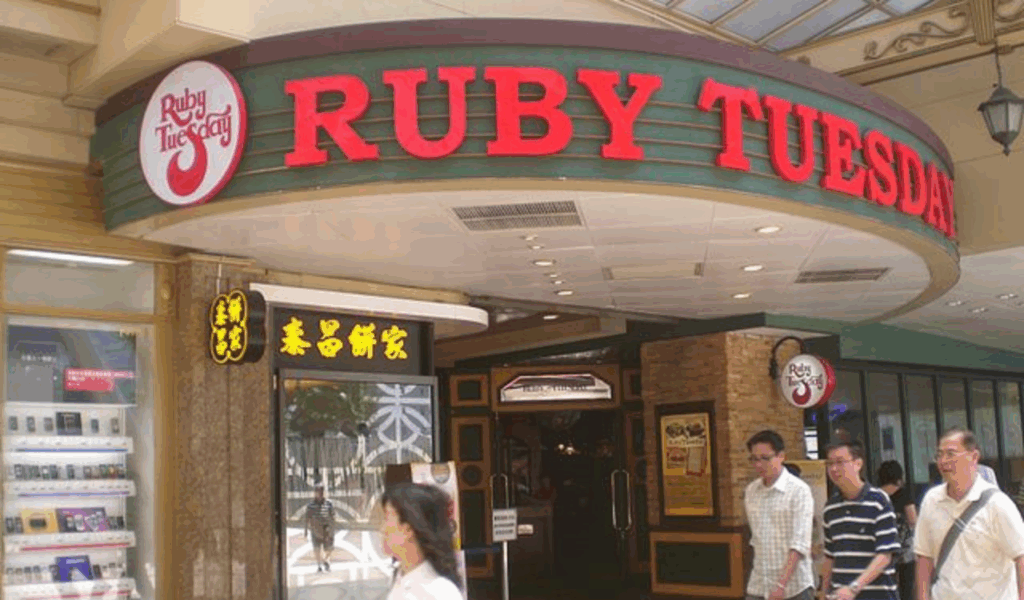
Ruby Tuesday’s expansion strategy focused on footprint rather than differentiation, and that decision eventually caught up with the brand. As locations multiplied, the menu tried to appeal to everyone at once, which made it harder to do anything particularly well. Ingredient quality slipped as cost controls tightened, and once-popular features like the salad bar became harder to maintain consistently. Dining rooms aged while competitors invested in modernization, making the experience feel dated on top of declining food quality. Guests began viewing the chain as predictable in the worst way, with meals that felt assembled rather than cooked.