11 Decorating Mistakes Many People Notice Only After Living With Them
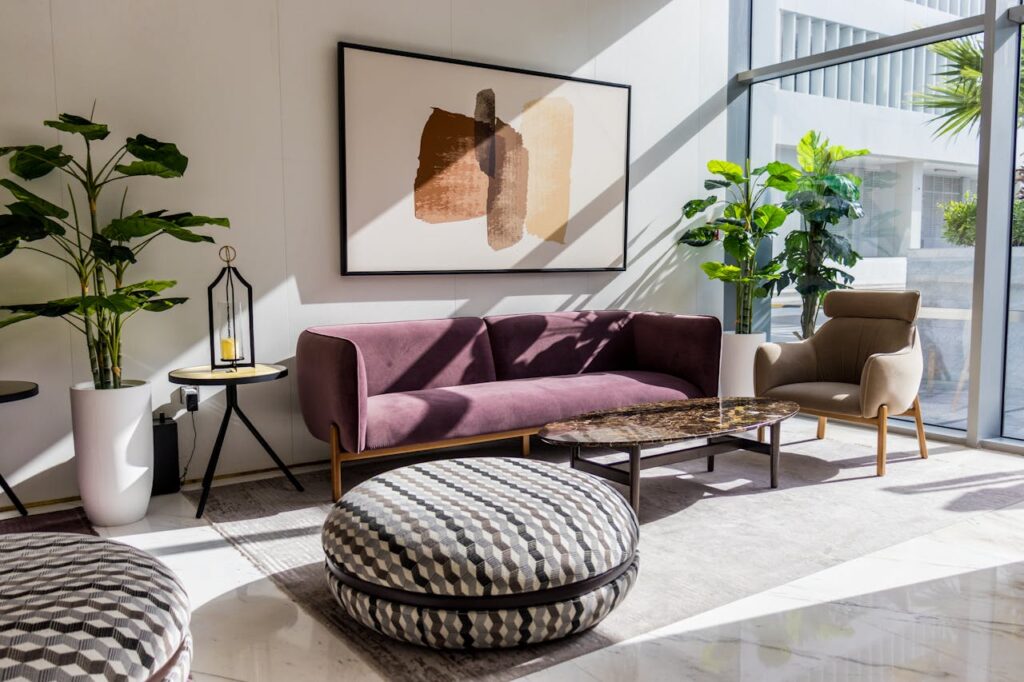
Decorating your home is exciting, but sometimes mistakes slip in without you realizing until you’ve lived with them for months. From furniture that overwhelms a room to lighting that doesn’t set the right mood, even small choices can make a big difference in how a space feels and functions.
Many people notice these issues only after moving in and trying to live comfortably in their space. By spotting common decorating pitfalls early, you can create a home that is both beautiful and functional, reflecting your style without causing daily frustration. Here are 11 decorating mistakes you’ll definitely want to avoid.
1. Choosing Furniture That’s Too Large or Too Small
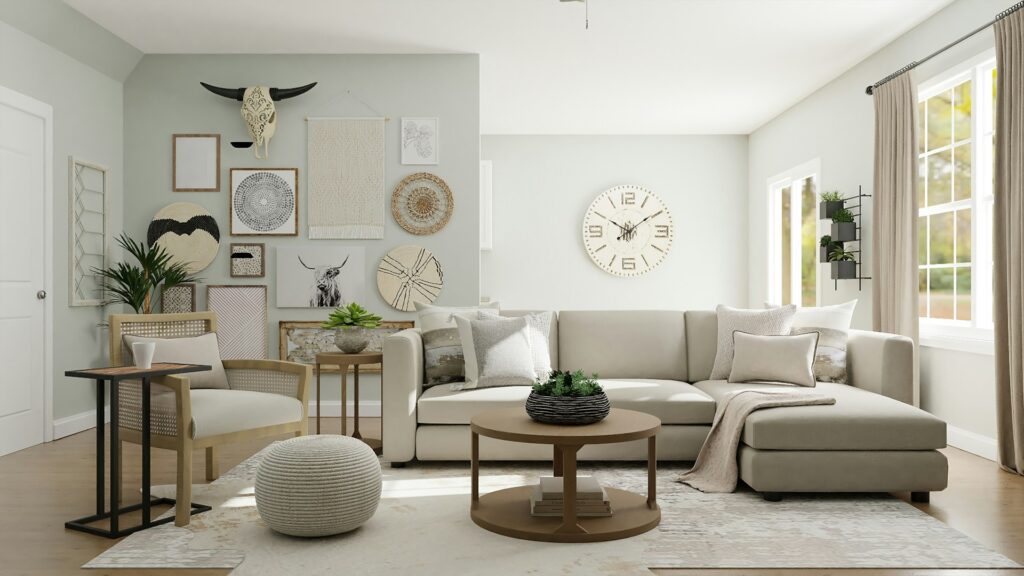
Selecting furniture without carefully considering your room’s scale can quickly throw off a space. Oversized sofas can block pathways and make a room feel cramped, while tiny pieces may feel lost in larger areas. When picking furniture, measure your rooms carefully and visualize exactly how each piece will fit.
Think about the flow and ensure there’s enough space to move comfortably. Choosing the right scale balances aesthetics with practicality, giving your living areas a natural, welcoming feel that you and your family will enjoy every day. Test layouts with tape or digital room planners before buying to avoid regrets later.
2. Ignoring the Flow of Foot Traffic in Rooms
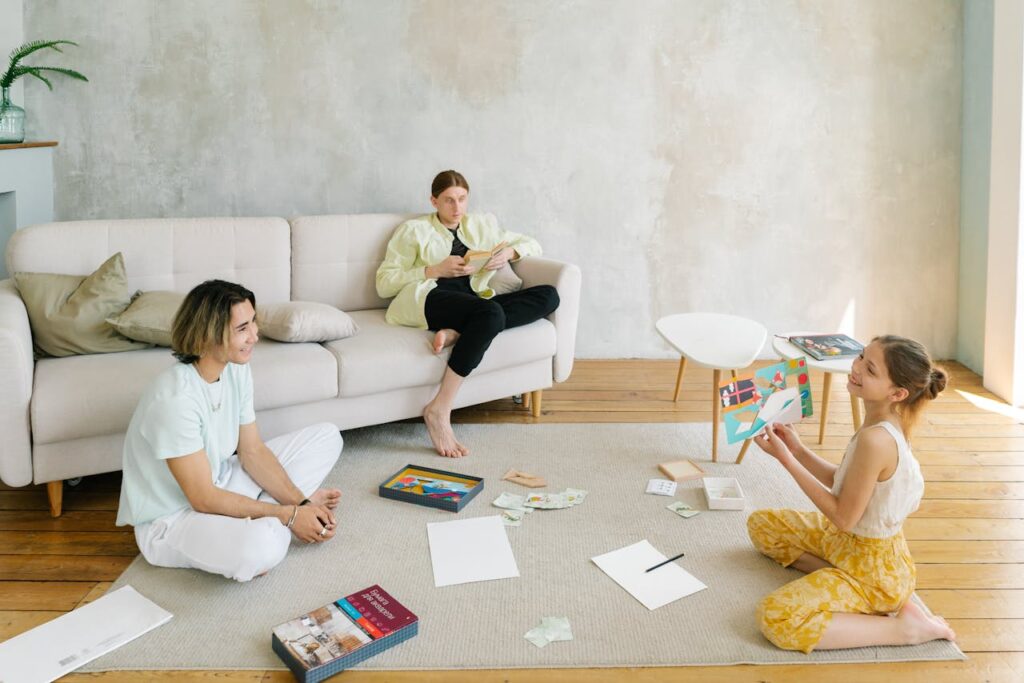
Rooms that look great but block natural movement can quickly become frustrating to live in. If you place furniture in the middle of pathways or crowd seating areas, it disrupts how you and your family walk through the space. Observe how everyone moves through rooms, and leave clear, unobstructed paths for daily use.
Proper flow ensures your home feels open, functional, and inviting, not just stylish. Consider using area rugs or visual cues to define spaces without interfering with movement. A thoughtful layout helps everyone navigate comfortably while maintaining the room’s overall design integrity and harmony.
3. Overcrowding Spaces with Too Many Accessories
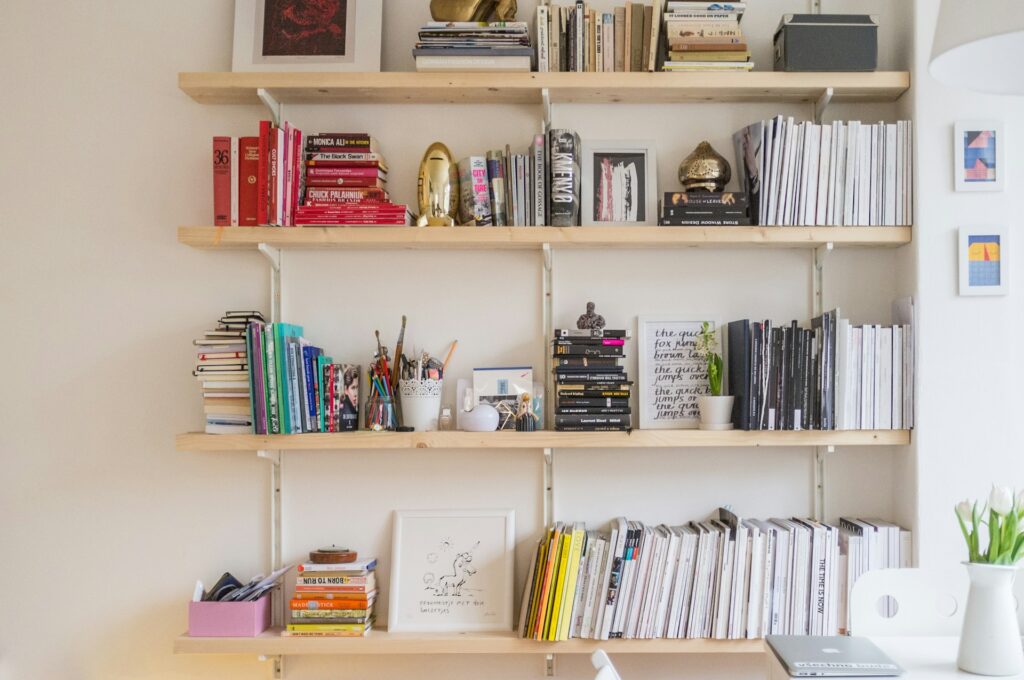
It’s tempting to display every souvenir, photo, or decorative item, but clutter can quickly overwhelm your rooms. Too many accessories make spaces feel chaotic and distract from your key design pieces. Instead, choose a few meaningful items and rotate them seasonally.
Grouping decor with similar colors, textures, or shapes creates harmony and draws attention to your favorite pieces. Leaving negative space around items lets them truly shine, making your home feel curated, not cluttered. The goal is a balanced, welcoming environment that reflects your personality without ever feeling visually stressful.
4. Skipping a Cohesive Color Palette
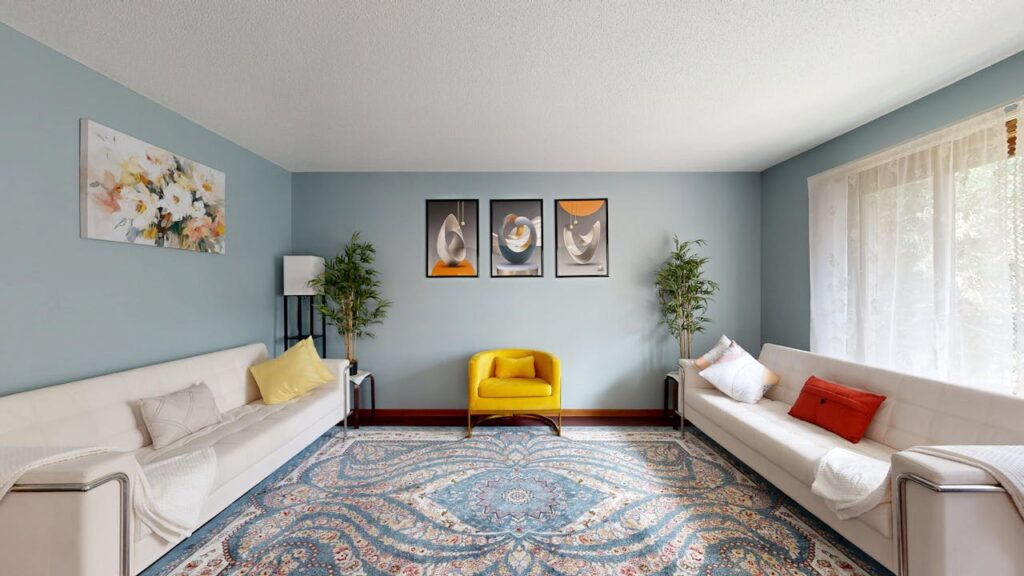
Mixing too many unrelated colors can make your home feel disconnected and chaotic. A cohesive palette ties furniture, walls, and accessories together, creating a visually pleasing and balanced environment. Start with a neutral base and layer complementary hues for accents.
This approach prevents clashing colors and ensures each room feels intentional and well-coordinated. Even small details like throw pillows, rugs, or artwork should thoughtfully echo your palette. A consistent color story makes your home feel harmonious, inviting, and thoughtfully designed, so visitors instantly notice your careful attention to every detail.
5. Failing to Layer Lighting Properly
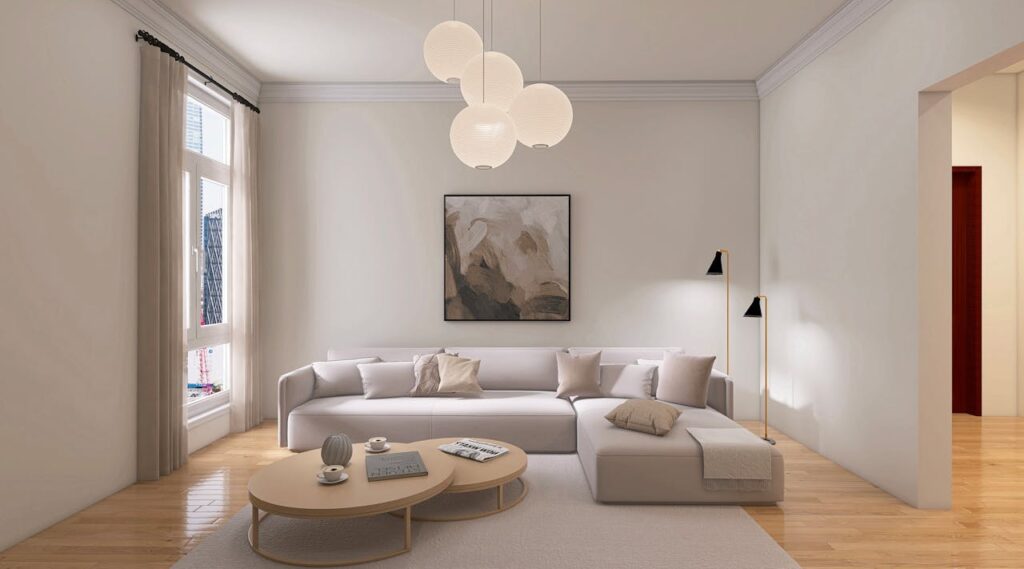
Relying on a single overhead light leaves rooms feeling flat, cold, and uninviting. Layering lighting with a thoughtful mix of ambient, task, and accent lights enhances both style and everyday function. Floor lamps, table lamps, and wall sconces can add warmth while highlighting key areas and creating focal points.
Dimmer switches let you adjust mood lighting for every occasion, from relaxing evenings to lively gatherings. Layered lighting improves usability, ambiance, and comfort, making rooms feel cozy yet practical. Don’t forget natural light, plan window treatments that let sunlight in without glare while maintaining privacy.
6. Hanging Artwork Too High or Too Low
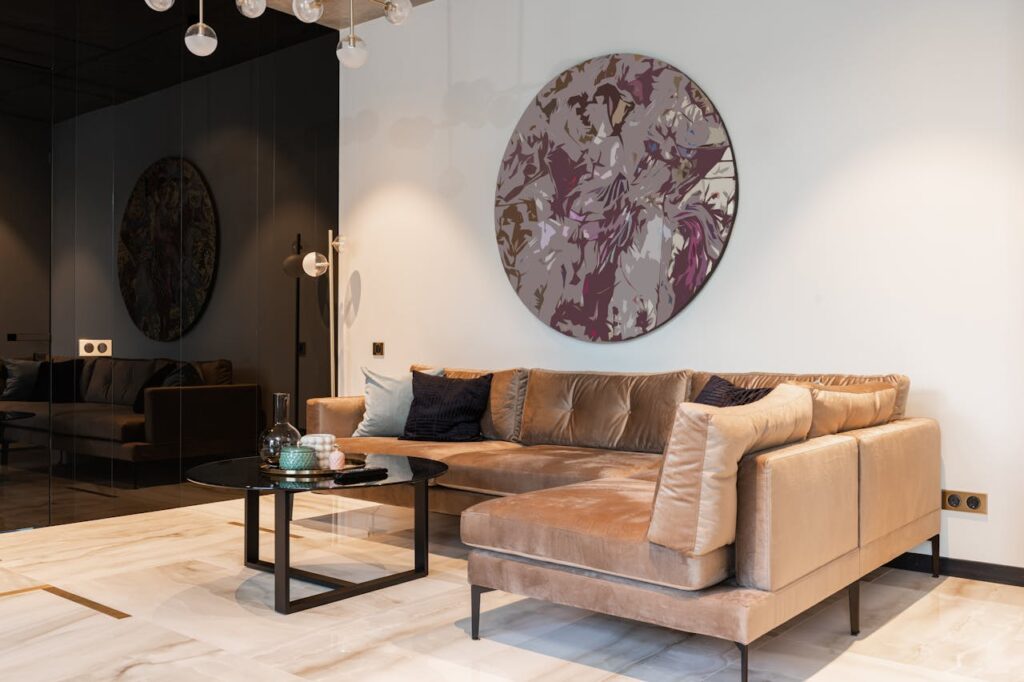
Artwork placement is often underestimated, yet it can change the feel of a room. Hanging pieces too high or too low disrupts visual balance and can make walls feel awkward. A good rule is to keep the center of art at eye level, around 57–60 inches from the floor.
In groupings, treat the collection as a single piece for alignment and flow. Properly positioned art enhances room proportions, draws attention naturally, and complements your overall décor. Even a single painting or framed print becomes a striking focal point when displayed thoughtfully, giving your walls personality without feeling cluttered or misaligned.
7. Neglecting Window Treatments and Privacy Needs
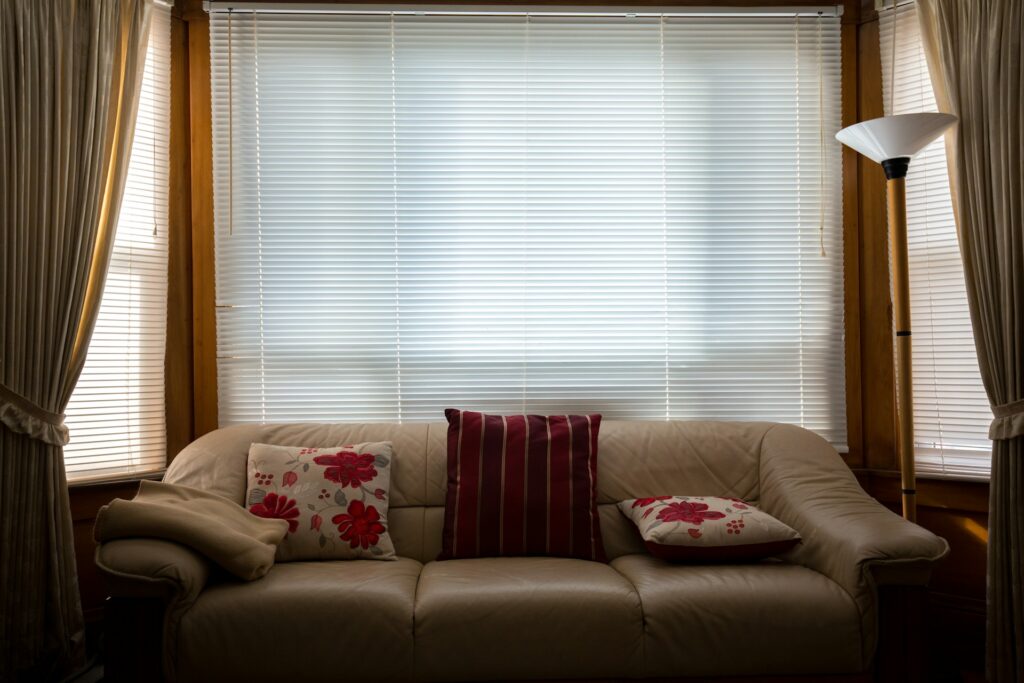
Bare windows or poorly chosen treatments can compromise comfort, style, and privacy in your home. Heavy drapes may overpower a small room, while sheer curtains might not block sunlight when needed. Always consider function alongside aesthetics to ensure your space is both practical and beautiful.
Blackout curtains work well for bedrooms, while layered blinds and curtains offer flexibility for living areas. Well-chosen window treatments frame your windows, control natural light, and add a polished finishing touch to your home’s overall style. Failing to plan can leave spaces feeling incomplete, or uncomfortable for everyday living.
8. Overestimating Storage Solutions
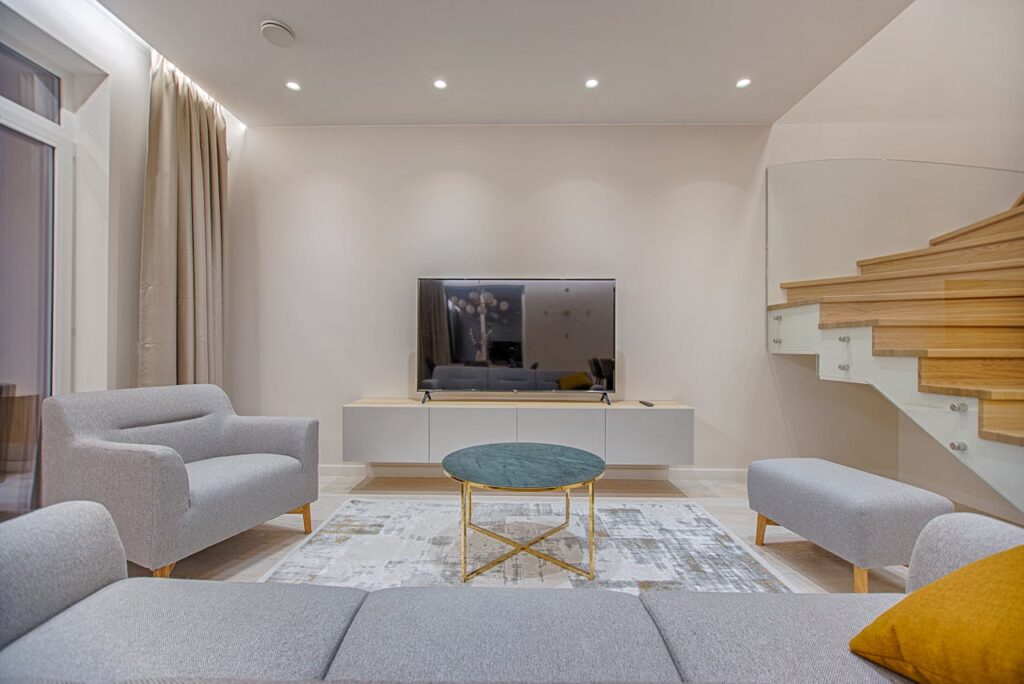
A beautiful room may still feel messy and stressful if storage is inadequate. Open shelving looks stylish but can quickly create clutter if not organized carefully. Hidden storage solutions, like ottomans with compartments, built-in cabinets, or multifunctional furniture, help maintain order and keep everyday items out of sight.
Assess your lifestyle needs before buying furniture purely for looks, and plan storage that supports how you actually live. Adequate storage ensures your home functions efficiently, stays visually appealing, and reduces daily frustration. Without it, turning your dream décor into a constant source of stress.
9. Using Rugs That Don’t Fit the Space Correctly
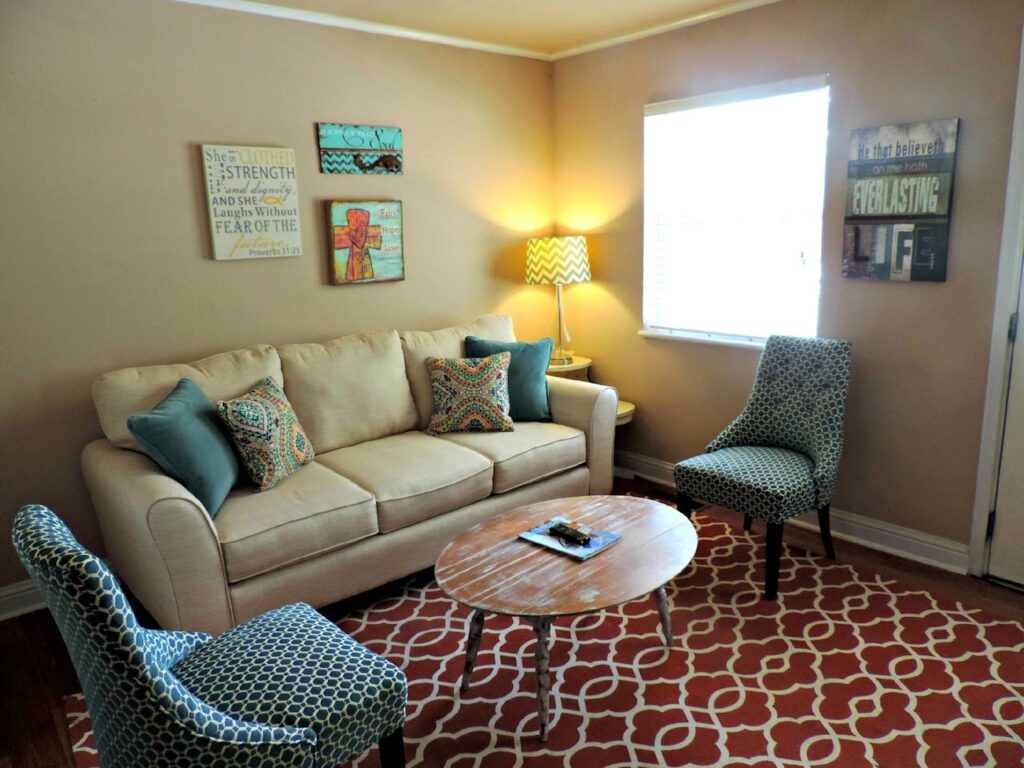
Rugs that are too small or too large can distort a room’s balance and make it feel unfinished. Ideally, a rug should anchor your furniture, allowing at least the front legs of sofas or chairs to sit on it comfortably. A misfit rug can make a space feel awkward, disconnected, or visually jarring.
Consider the shape, pattern, and placement carefully to complement your overall décor. Layering rugs or adding runners can help define spaces in larger rooms while adding texture and warmth. Correctly sized rugs tie a room together visually, create comfort underfoot, and instantly elevate the style and cohesion of your space.
10. Forgetting About Functional Furniture Placement
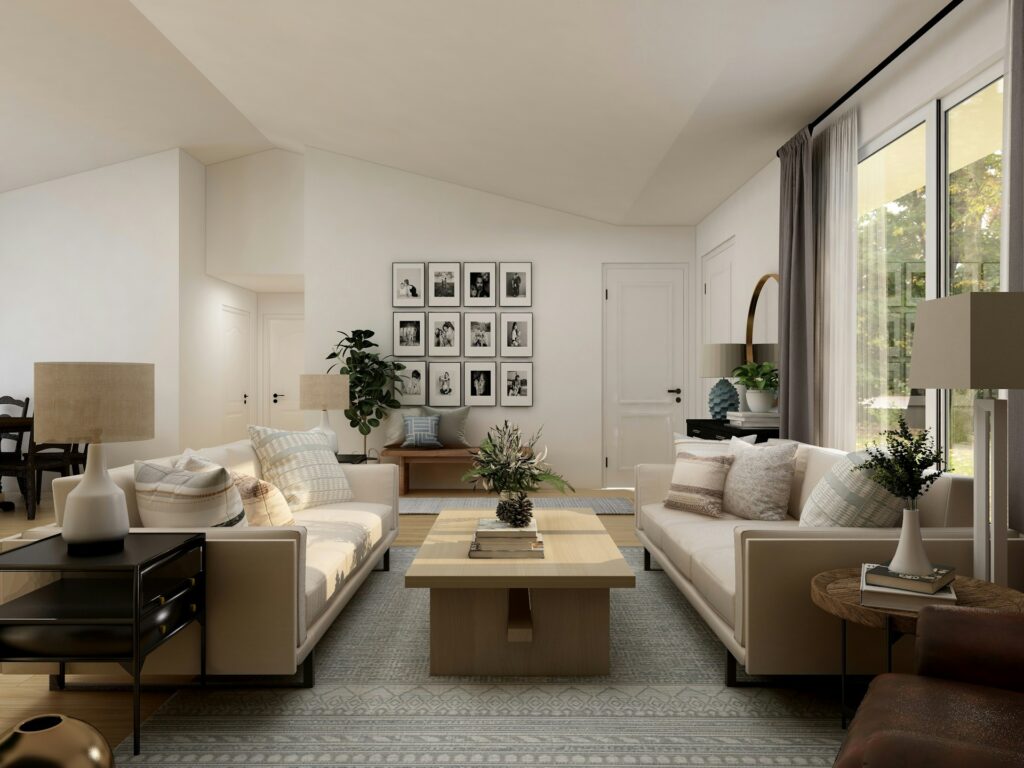
A room can look beautiful but fail functionally if furniture placement ignores how you actually live and use the space. Chairs too far from tables, sofas blocking outlets, or beds in inconvenient spots can create constant daily inconvenience and frustration.
Consider how you will use each area, reading, entertaining, working, or relaxing. Arranging furniture thoughtfully around activity zones improves comfort, usability, and flow. Planning practical layouts ensures your home not only looks great but also fully supports your lifestyle, making each room enjoyable, functional, and a true pleasure to live in every day.
11. Rushing the Decorating Process Without Testing Layouts
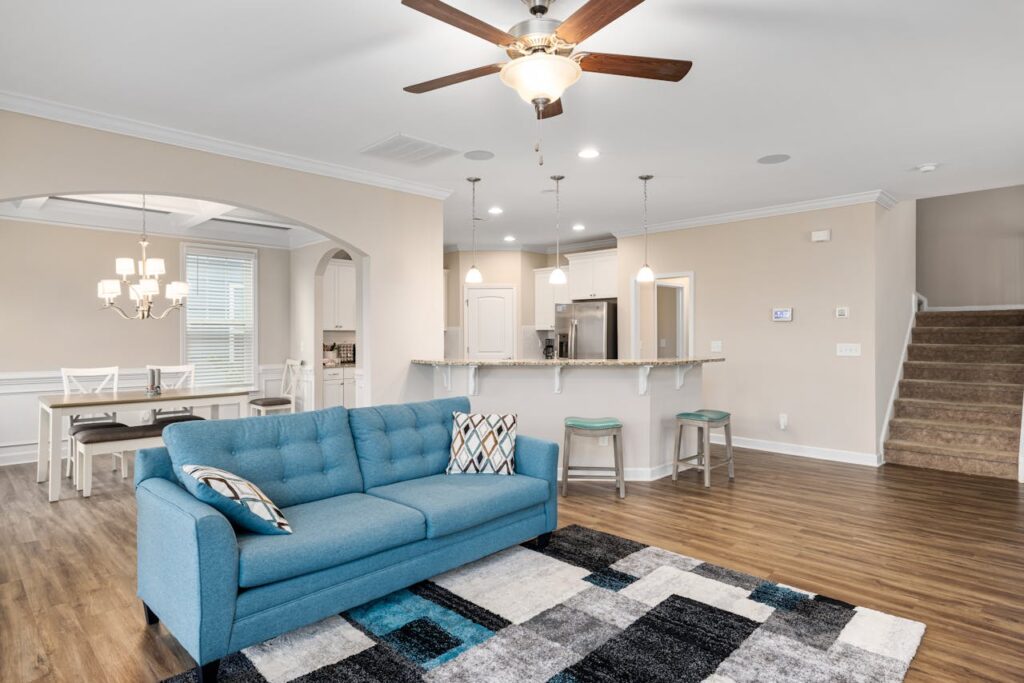
Jumping into decorating too quickly often leads to mistakes you won’t notice until later, creating frustration and extra work. Moving furniture around, trying different color combinations, or testing accessory arrangements helps prevent costly errors and ensures everything works well together.
Live in your space for a while before making permanent choices. Temporary layouts, sample swatches, and mock-ups allow you to adjust according to how you naturally use each area. Taking time ensures your home evolves thoughtfully, and stylish environment that truly feels like it was made just for you and your family to enjoy every day.