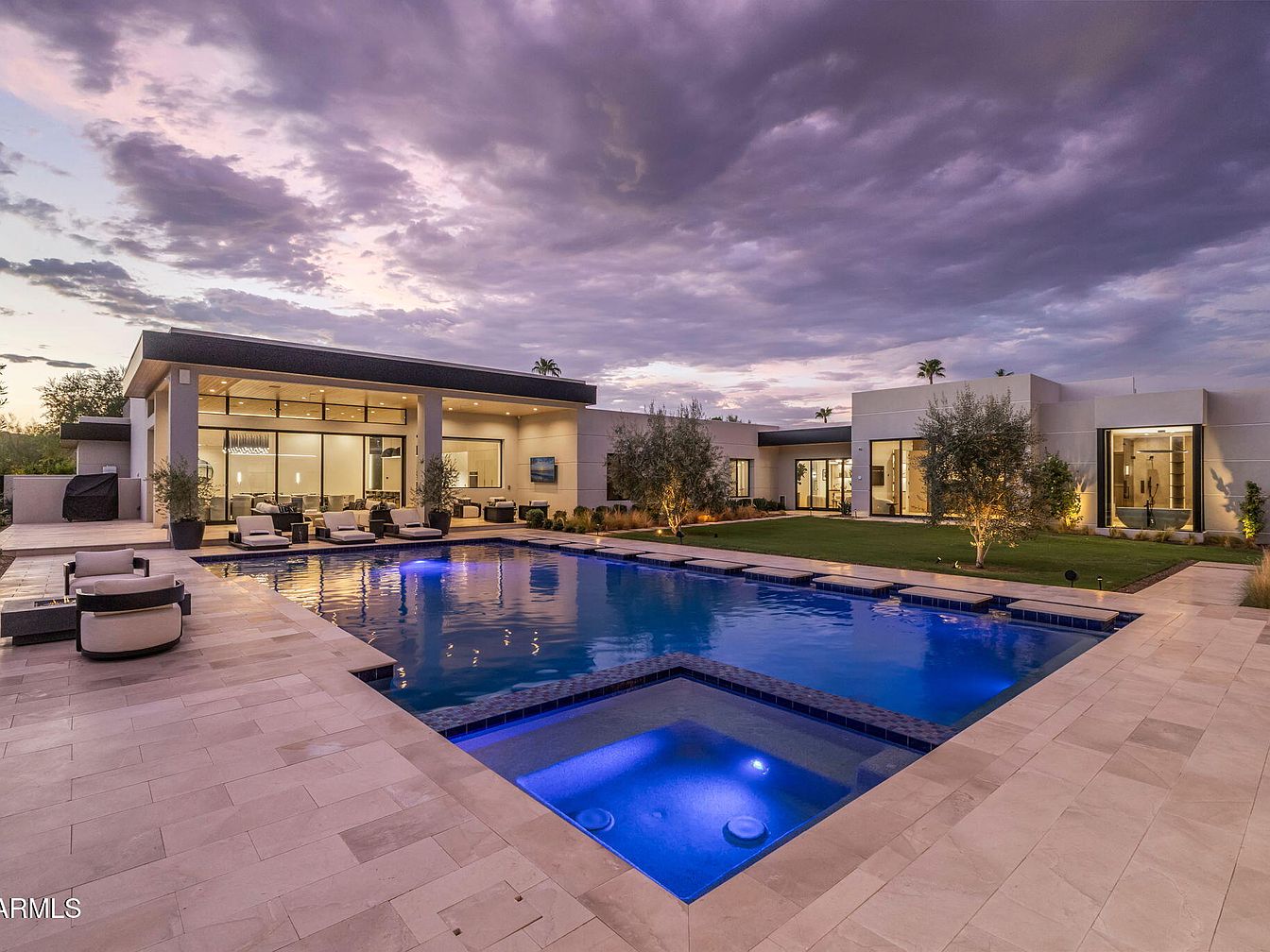
5 Decor Choices That Quietly Make Everyday Life More Annoying
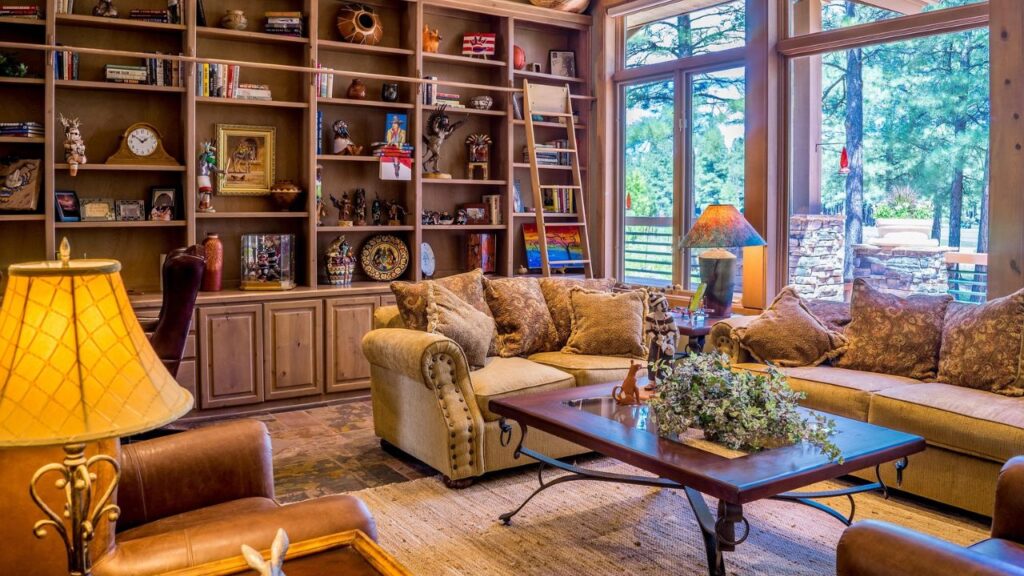
Home decor shapes style and comfort, but some choices create small irritations that add up over time. While visually appealing, certain elements interfere with daily routines, cleaning, or movement, quietly testing patience. Overstuffed shelves, open kitchen storage, and glossy surfaces demand constant attention to stay presentable, creating friction for homeowners. Minor inconveniences multiply when high-traffic families live in the space. Understanding these design pitfalls helps balance aesthetics with functionality so style doesn’t come at the expense of ease or household harmony during everyday life.
Storage and Surfaces That Require Extra Effort
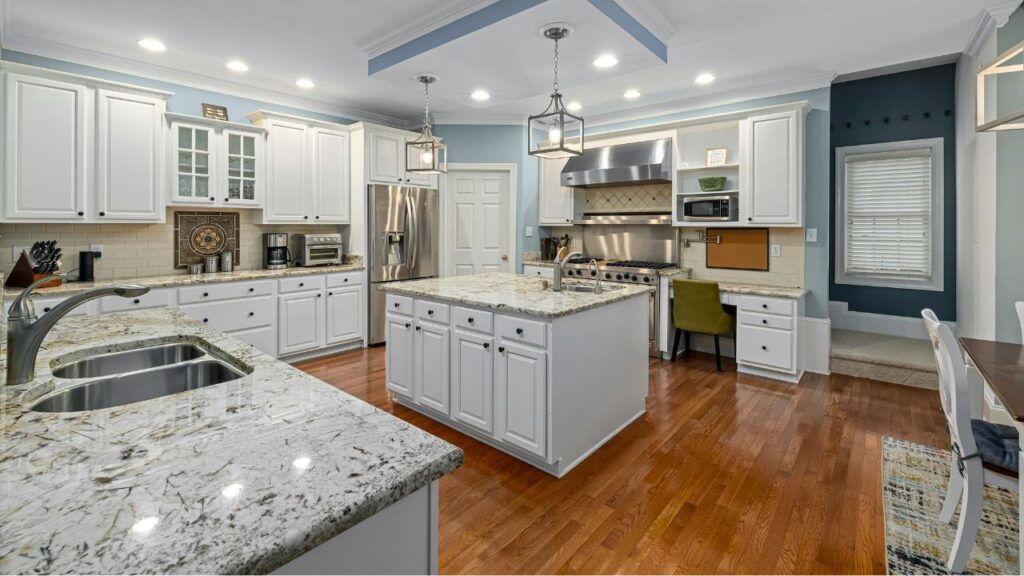
Overstuffed shelves, open kitchen shelving, and glossy countertops or cabinets look curated and modern but complicate chores. Shelves packed with books or decorative objects make dusting tedious and reaching items cumbersome. Open storage exposes dishes and ingredients to dust and grease, requiring frequent reorganization to maintain a clean appearance. Glossy surfaces reveal fingerprints two times faster than matte finishes, demanding constant wiping. While these elements impress visually, the extra maintenance quietly wears on homeowners. Style gains are real, but daily routines take more effort, especially in busy kitchens and living areas.
Lighting, Textiles, and Pillows That Interrupt Flow
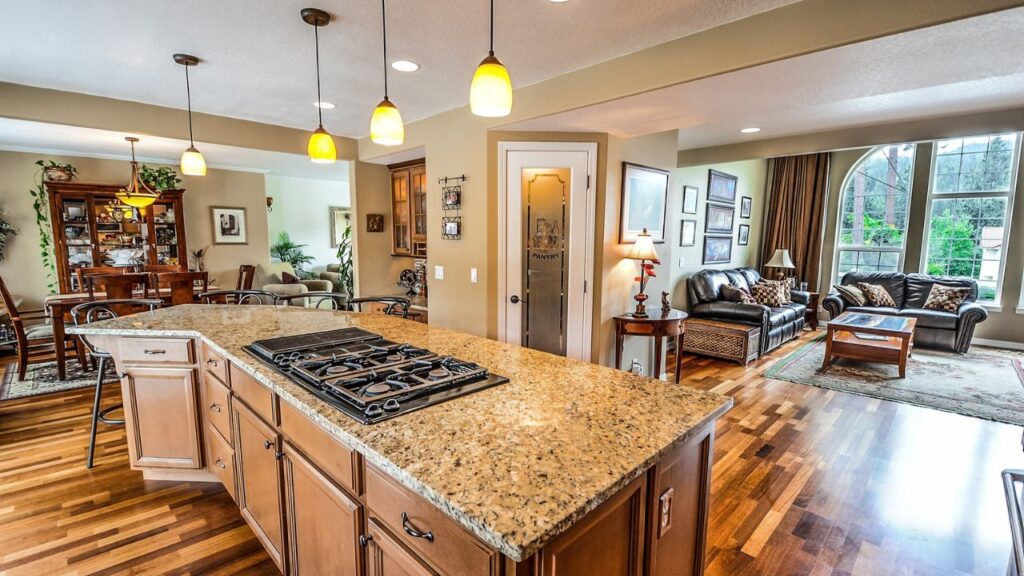
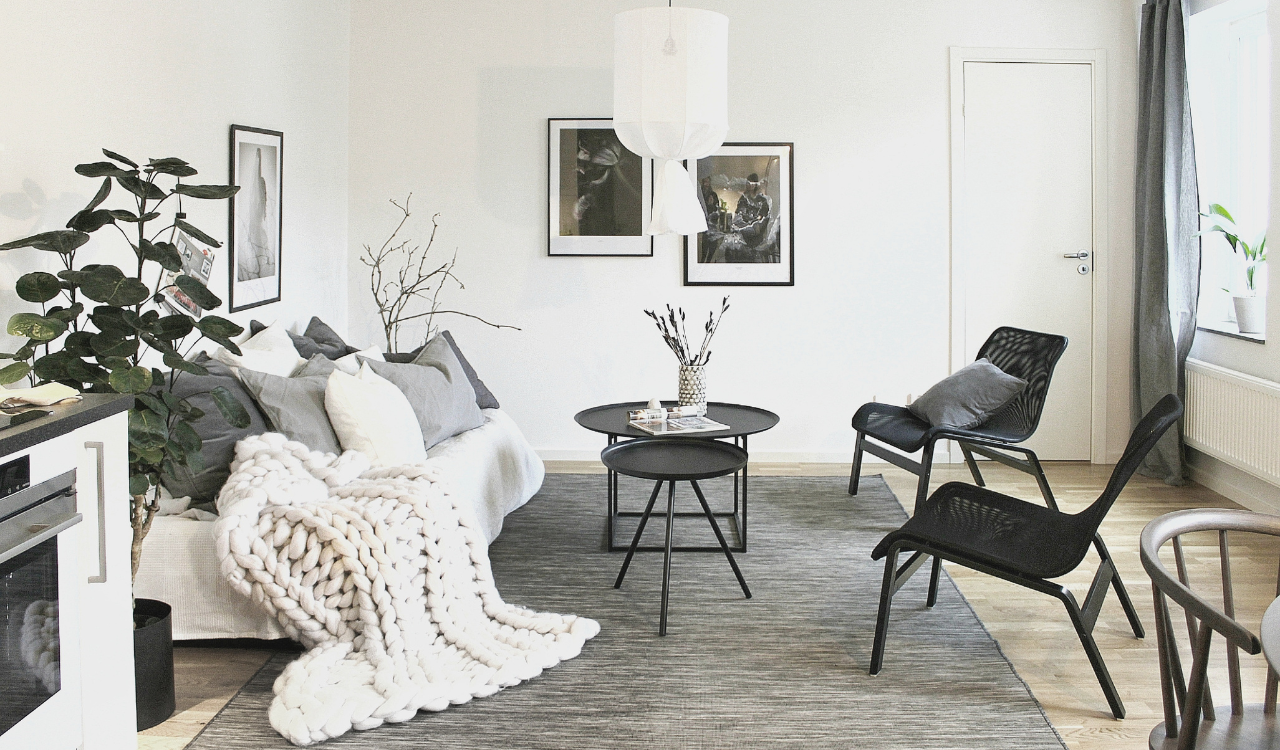
Low-hanging pendant lights or chandeliers, delicate textiles, and excessive throw pillows can add warmth and personality but create subtle obstacles. Pendants under 72 inches risk head bumps, and awkward bulb changes require stretching or ladders. Velvet curtains, intricate rugs, and delicate upholstery trap dust, pet hair, and spills, often needing frequent cleaning. Overloaded sofas or beds with many pillows require constant fluffing and rearranging, disrupting simple activities. Each feature looks intentional, yet repeated interaction makes life more demanding. These choices show style and comfort aspirations, but sometimes reduce usability for everyday living.
Narrow Pathways, Shiny Floors, and Wall Clutter
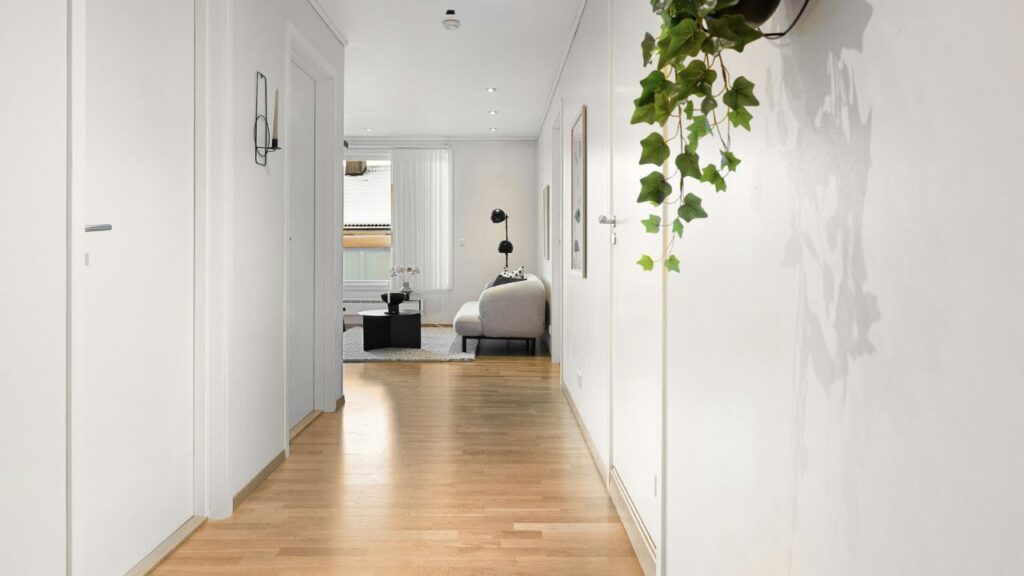
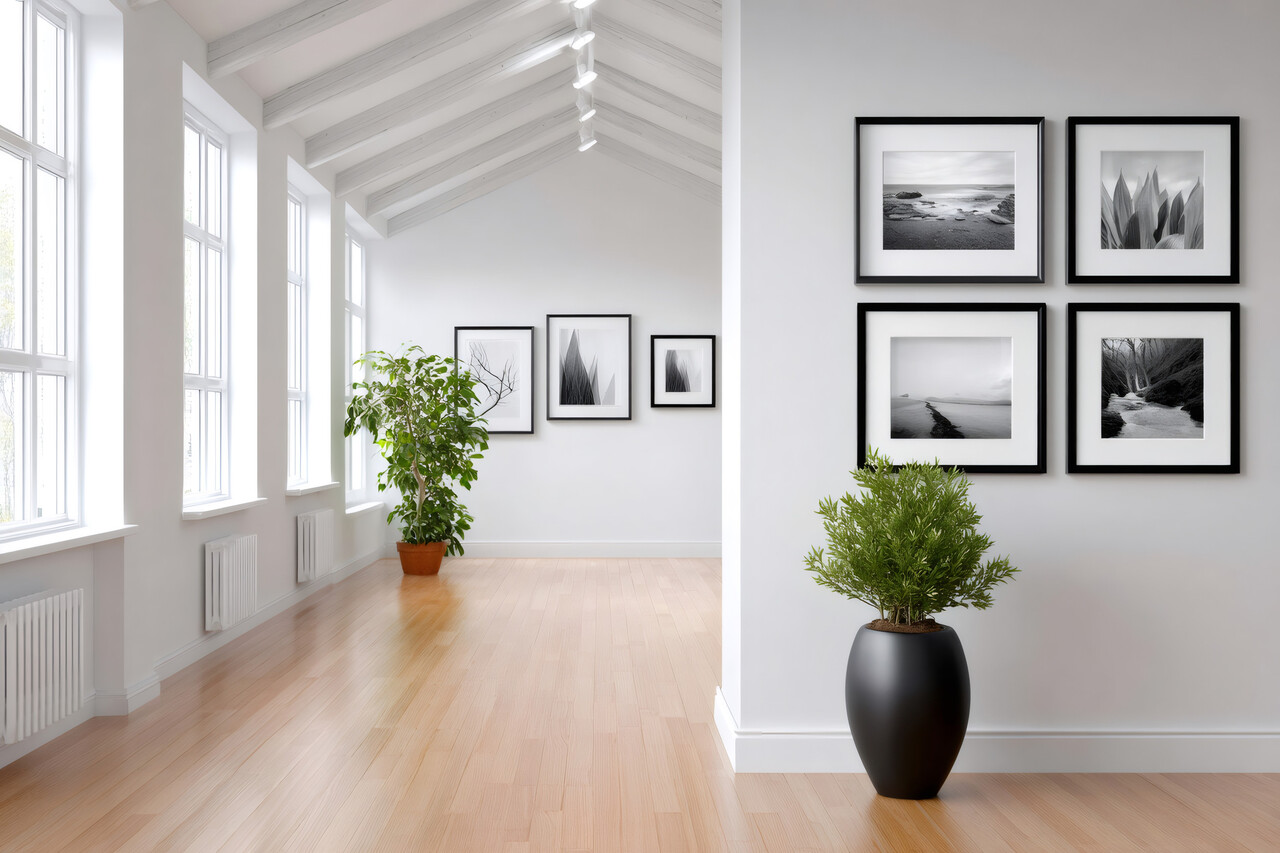
Closely spaced furniture, overly polished floors, and crowded walls further challenge convenience. Narrow walkways impede movement with groceries, children, or vacuuming, requiring careful navigation to avoid collisions. Polished wood, tile, or laminate floors can be slippery, demanding extra caution, especially around pets or children, and highlight dust or footprints. Walls filled with frames, art, or mirrors complicate dusting, painting, and rearranging furniture. Small adjustments in layout can require moving multiple items. Though these elements create visual impact, they quietly reduce mobility and increase repetitive tasks, reminding homeowners that function matters as much as form.
Overcomplicated Storage That Reduces Efficiency
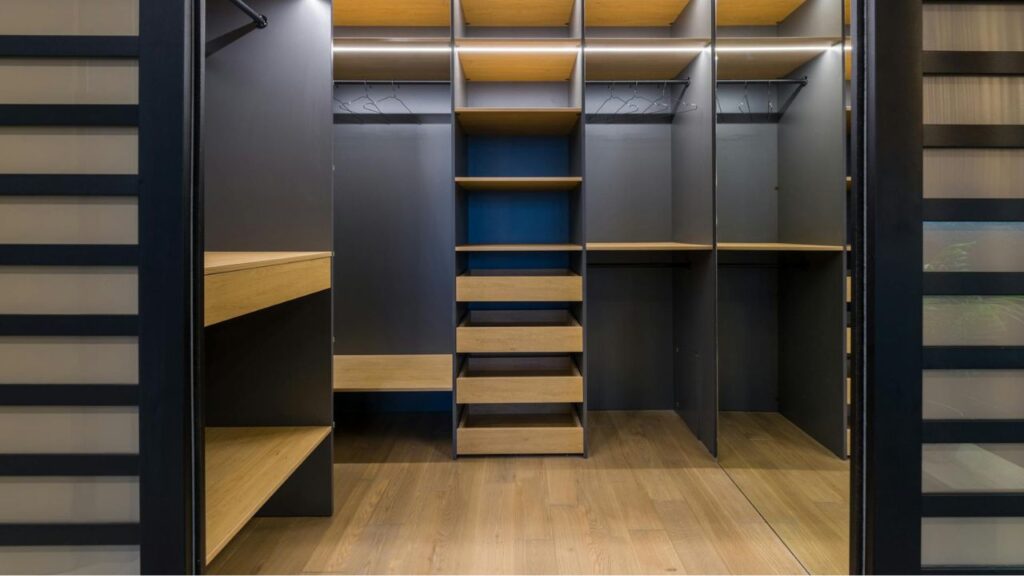
Custom cubbies, hidden compartments, and complex shelving can look sophisticated, but daily use often exposes friction points. Retrieving frequently used items may require multiple steps, and labels or mechanisms sometimes fail. Drawers can jam, hinges may squeak, and the effort to maintain order grows over time. While these designs maximize space and impress guests, they can reduce practicality, making cleanup or access more cumbersome than anticipated. What seems clever in theory can quietly turn into a source of irritation. In everyday life, simplicity often outperforms ingenuity, showing that thoughtful design balances style with straightforward functionality.