
9 “Industrial” Exposed Ducts That Rattle and Make Your Home Noisy
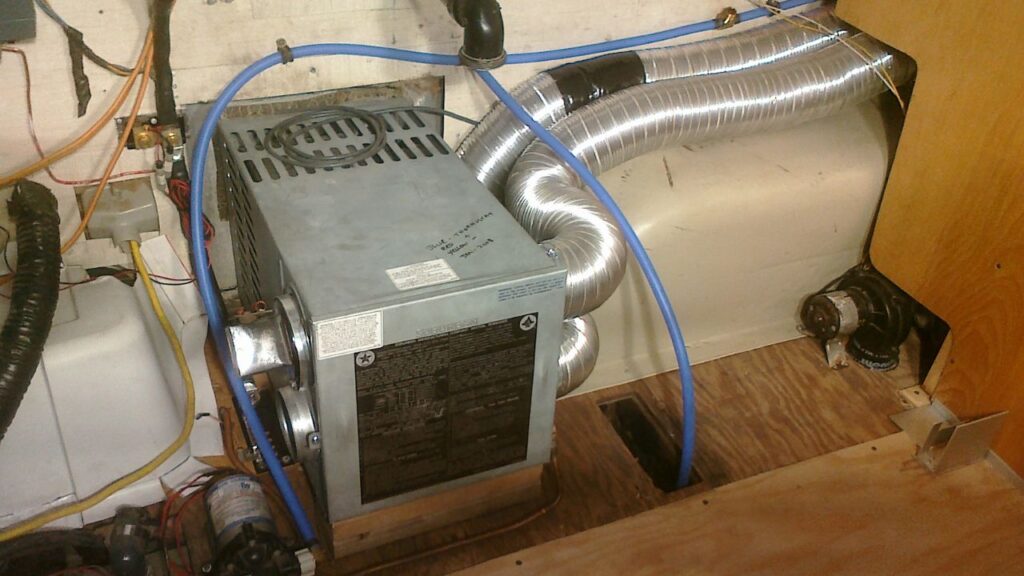
Exposed industrial-style ductwork has become a popular design choice for modern lofts and urban-inspired homes, offering a sleek, metallic aesthetic that draws the eye. Yet many homeowners quickly discover a downside: noise. According to a recent HVAC survey, 62 percent of loft owners report rattling or humming ducts, highlighting how common this issue is even in professionally installed systems. Experts in acoustics and HVAC explain that the sounds often arise from vibration, thermal expansion, and high-velocity airflow, amplified by sheet metal panels and open ceiling layouts. Understanding the causes and practical solutions can help homeowners enjoy the industrial look without compromising household quiet, comfort, or daily life.
1. Loose or Missing Hanger Straps
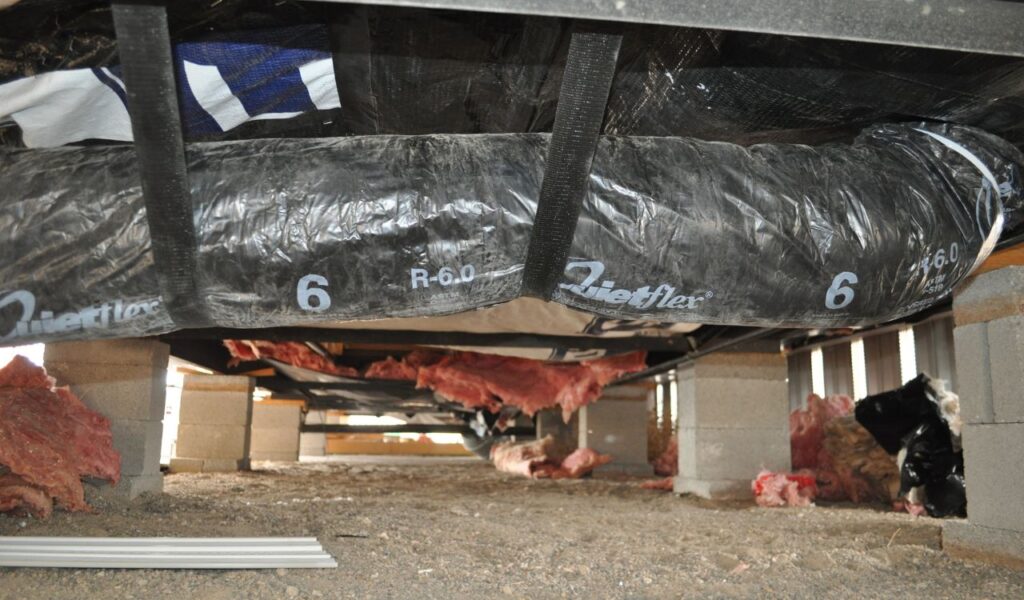
One of the most frequent sources of duct noise is loose or missing hanger straps. When ducts are not secured tightly to ceilings or joists, even normal airflow can cause them to vibrate, producing a persistent rattling sound. HVAC professionals note that this problem is especially common in longer runs of sheet metal ductwork, where gravity and air pressure work against insufficient bracing. Homeowners often underestimate the number of straps needed, thinking that a few points of support are enough for stability.
The consequences go beyond noise, as vibrating ducts can eventually wear at connection points or stress joints. Acoustics specialists explain that tightening straps or adding additional hangers at regular intervals can dramatically reduce movement. For those seeking a quiet industrial aesthetic, careful installation from the outset, combined with regular inspection, can prevent rattling from becoming a daily annoyance.
2. Improperly Installed Dampers
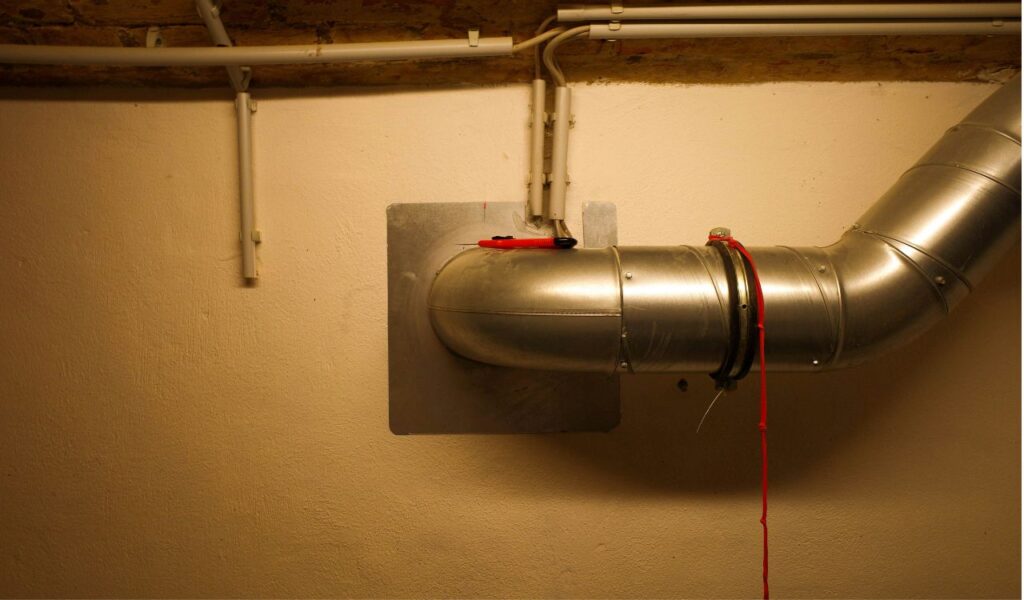
Dampers, which control airflow within duct runs, can create their own unique set of noises when not installed correctly. Loose damper handles or internal blades may tap against metal surfaces or vibrate in response to air pressure, producing intermittent ticking that carries through multiple rooms. Sheet metal contractors emphasize that even a minor misalignment can amplify sound, especially in ducts with large cross-sections where airflow is strong.
Homeowners may not immediately connect these subtle sounds to dampers, assuming the rattling comes from the HVAC fan itself. Experts suggest securing all damper blades, adjusting handles, and applying light lubrication where needed to prevent vibration. With proper attention, dampers can operate smoothly and quietly, allowing the exposed ductwork to maintain its industrial appeal without contributing to household noise.
3. Oil Canning

Oil canning occurs when the flat panels of sheet metal ducts flex in response to sudden air pressure changes, producing popping or booming sounds. This phenomenon is particularly common in thinner or wider duct panels, which move slightly when the HVAC system starts or stops. Acoustics engineers note that this effect can be startling for residents, as the initial blast of air can make even a well-secured duct sound like it is shifting dramatically.
While it is largely a cosmetic or aesthetic concern, the resulting noise can make open-plan homes feel chaotic, particularly when metal panels reverberate against ceilings or walls. Wrapping ducts in insulation or installing stiffer panels can help dampen the vibrations. Experts point out that homeowners seeking the industrial look should weigh the visual impact against potential noise, implementing mitigation strategies during installation to maintain both style and comfort.
4. Metal-to-Metal Contact at Joints
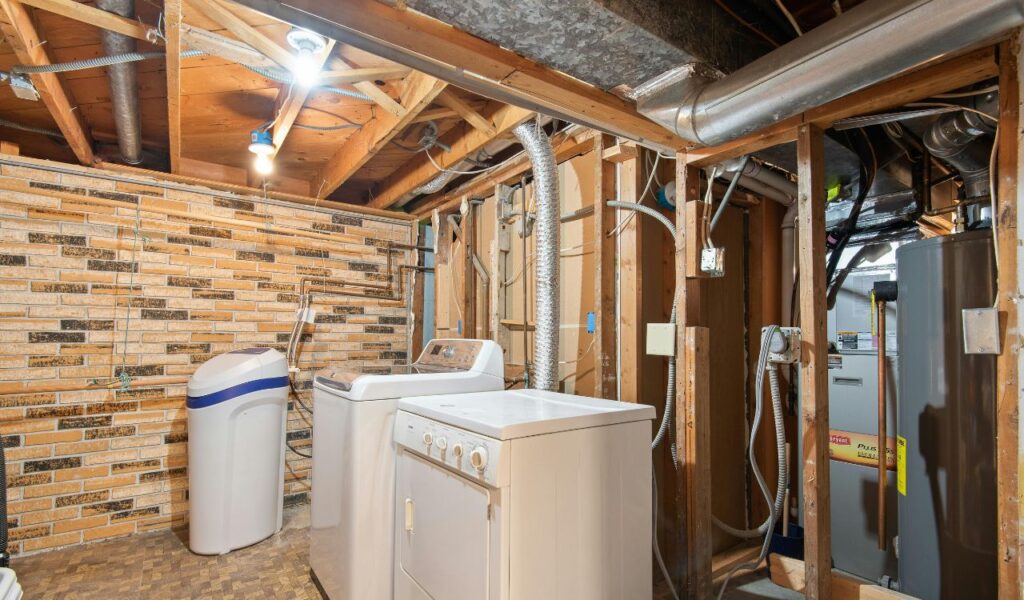
Joints between sectional duct pieces are another major contributor to household noise. When screws are loose or mastic is not applied properly, metal sections can vibrate against each other, creating a continuous ticking or rattling sound. HVAC technicians explain that long duct runs amplify these noises, and the sound often travels through ceilings, making it audible in multiple areas of the home.
Homeowners often notice that the ticking coincides with high-speed fan operation, though even moderate airflow can trigger it if the joints are unsecured. Proper sealing with mastic, adding screws, or inserting rubber washers at key connections can reduce vibration and noise. Experts emphasize that addressing metal-to-metal contact early is essential, as it prevents both annoyance and long-term wear on the ductwork, ensuring the exposed industrial style remains functional and attractive.
5. Thermal Expansion and Contraction
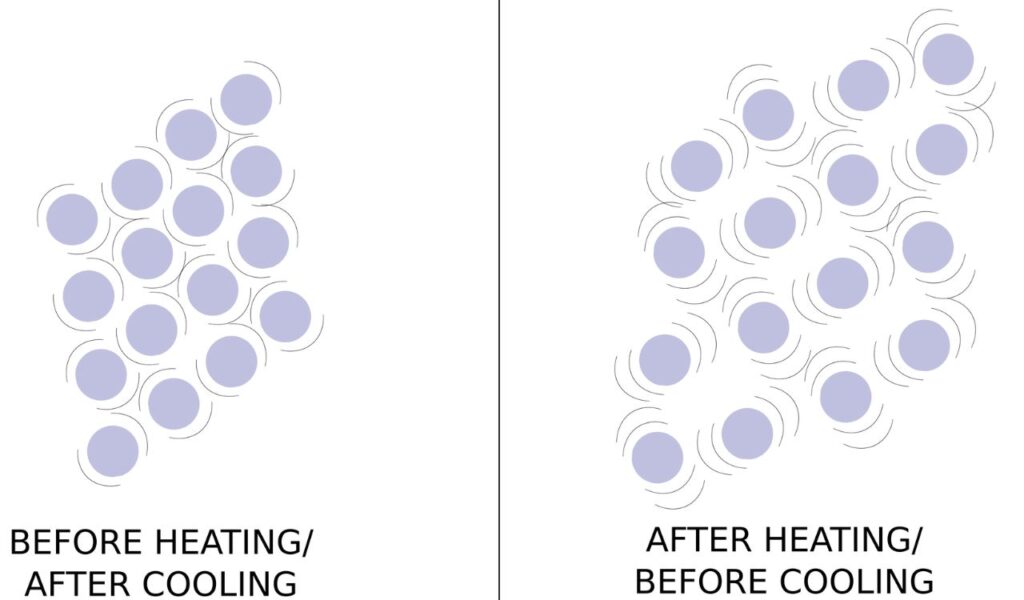
As sheet metal heats up and cools down, it naturally expands and contracts, often producing loud popping or creaking sounds. Mechanical engineers note that this is especially noticeable in long duct runs or homes with tight wood framing, where the metal brushes against joists or ceiling beams. The sound is intermittent but can be jarring, usually occurring shortly after the HVAC system starts or shuts off. Many homeowners describe it as a sudden bang or a series of clicks echoing through the home.
This phenomenon is not a sign of failure but rather a predictable response to temperature changes, yet it can disrupt household quiet. Experts recommend adding insulation wraps or placing neoprene padding between the ducts and surrounding framing to absorb movement. Proper installation that anticipates thermal expansion can keep industrial-style ducts looking modern while minimizing the unexpected and often frustrating noises caused by shifting metal.
6. Undersized or Restrictive Ductwork
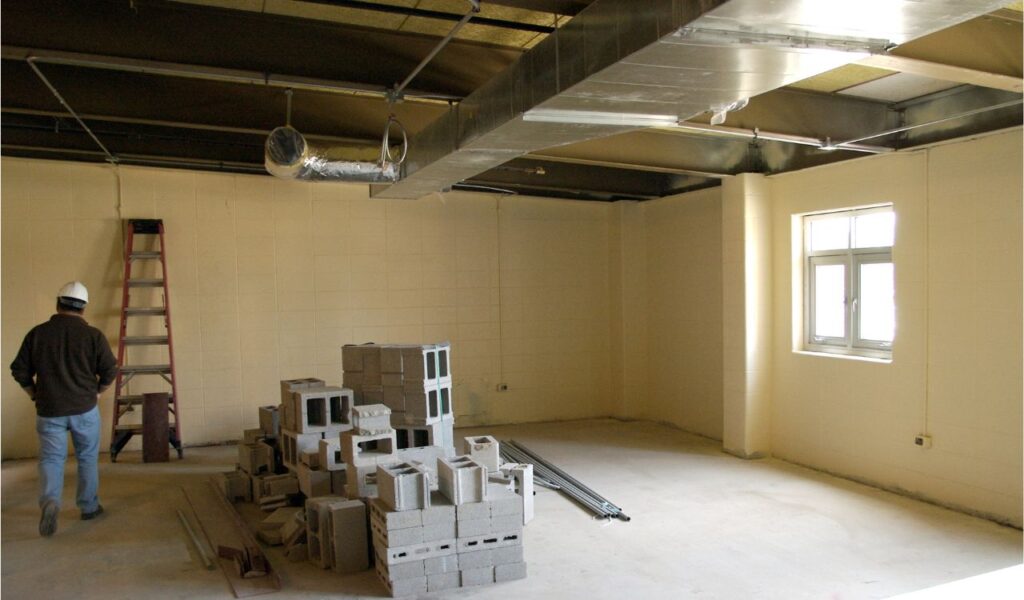
Ducts that are too small for the volume of air moving through them can create high-velocity whistling or low humming noises. HVAC designers explain that undersized ducts force air through narrow passages, generating turbulence that resonates throughout the sheet metal. Open floor plans amplify these effects, carrying sound across large spaces and making even moderate airflow disruptive. Homeowners often report that vents near restrictive ducts produce the most noticeable noise.
The solution lies in proper duct sizing and strategic airflow management. Installing larger ducts, adding diffusers, or adjusting fan speeds can reduce turbulence and associated noise. Experts also note that combining airflow corrections with insulation or vibration damping creates a more pleasant environment. For homes aiming for an exposed industrial aesthetic, planning duct dimensions carefully is crucial to balancing style with everyday comfort.
7. Poorly Secured Elbows
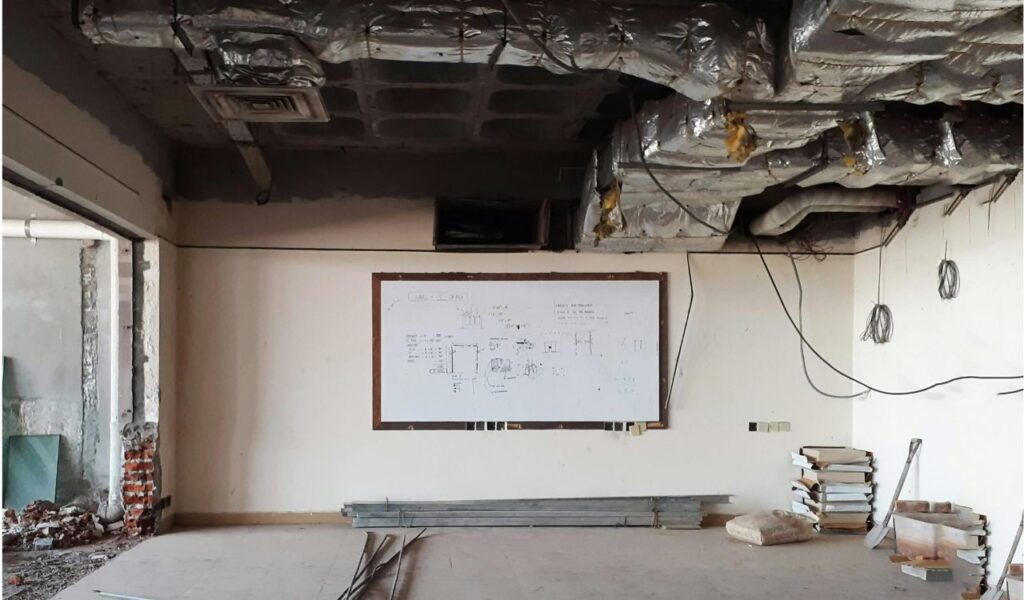
Sharp turns in ductwork, such as 90-degree elbows, are prone to vibration if not adequately braced. Sheet metal specialists highlight that these directional changes create stress points where airflow and metal movement intersect, leading to noticeable rattling. Long runs with multiple elbows can transmit vibration across ceilings, walls, and even floors, making the sound seem louder than its source. Homeowners often assume that the noise originates elsewhere, but careful inspection usually points to unsecured elbows.
Addressing this problem requires additional bracing at each bend, sometimes with added straps or padding to absorb vibration. Experts emphasize that even minor adjustments can dramatically reduce rattle while preserving the open, industrial look. In modern lofts or minimalist homes, paying attention to elbow installation ensures that the visual appeal of exposed ducts does not come at the cost of constant background noise.
8. Debris Inside the Ductwork
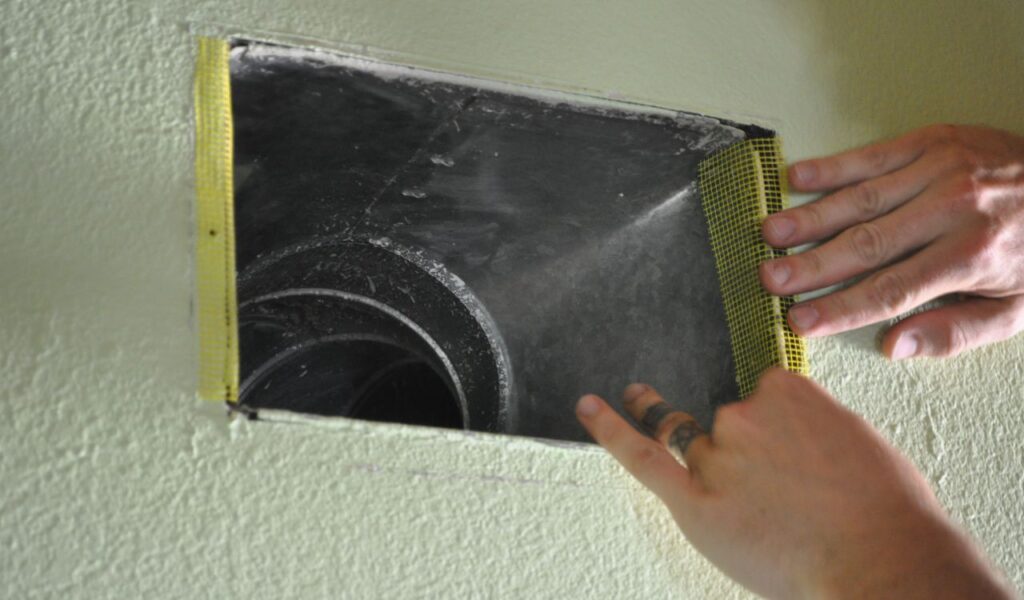
Foreign objects inside ducts, such as loose screws, construction dust, or small metal fragments, can create rattling or clinking noises as air moves through the system. HVAC maintenance professionals note that even a tiny screw bouncing along a long duct run can produce surprisingly loud sounds that echo through multiple rooms. Homeowners may initially attribute the noise to the fan or other mechanical issues, but careful inspection often reveals the culprit as simple debris. Addressing this problem promptly prevents both noise and potential damage to the HVAC system.
Cleaning the ducts and removing all loose material is essential for a quiet, efficient setup, and experts note that neglecting this step can be costly. One common scenario is that a few loose screws left from installation or repairs can result in a $200 duct cleaning to remove them and restore proper airflow. Regular maintenance, combined with inspection after renovations or DIY projects, ensures that the exposed industrial ductwork maintains its aesthetic appeal without turning into a noisy distraction.
9. Lack of Vibration Isolators at the Fan Unit

Rigid metal ducts connected directly to an HVAC fan can transmit motor vibration throughout the home, producing humming or rattling sounds. Acoustic engineers emphasize that without flexible connectors or neoprene isolators, even small vibrations become amplified, making the entire duct network audible. Homeowners often notice this most near the furnace, but the noise can travel along connected runs, affecting multiple rooms.
Installing flexible duct connectors or placing vibration-absorbing pads between the fan and ductwork effectively decouples these vibrations. Experts recommend this approach in new installations and retrofits, especially in homes with exposed industrial ducts where every movement is more noticeable. Addressing the source of vibration ensures that the design statement of visible ducts does not become a daily source of frustration, maintaining both style and comfort.