13 Lunch Prep Trends That Didn’t Save Money

Lunch prep is often marketed as the easiest way to save money and reduce weekday stress. In reality, not every popular prep idea supports smaller grocery bills. Some trends increase spending through higher ingredient costs, food waste, or constant replacement of supplies. Others fail because they do not match how families actually eat, shop, and manage busy schedules. When convenience and aesthetics take priority over practicality, savings disappear fast. These are the lunch prep habits that sounded smart at first but ended up costing more than expected.
1. Pre-Chopped Produce That Costs More and Spoils Faster
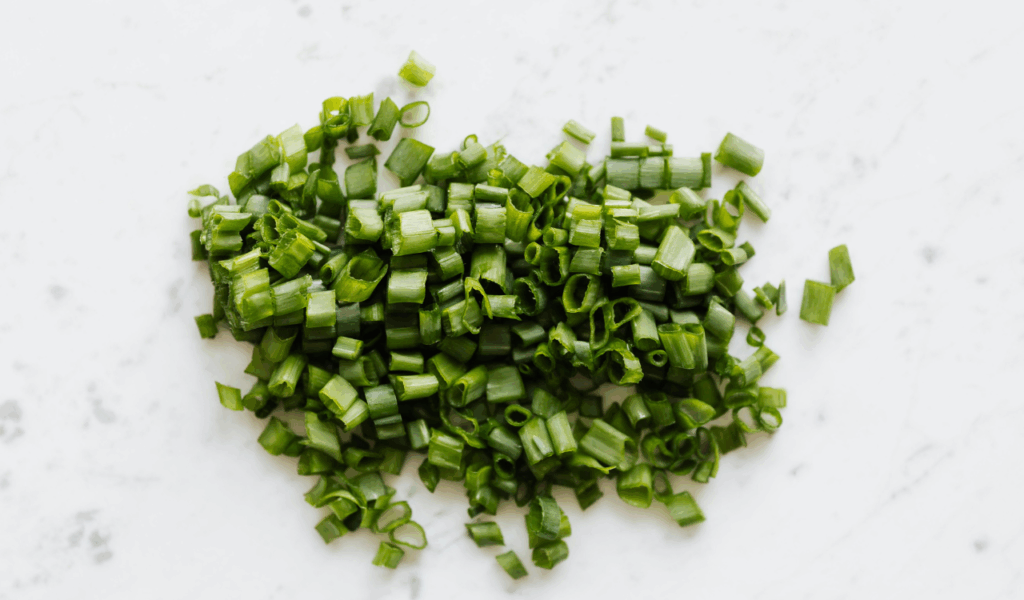
Buying pre-cut fruits and vegetables feels like a smart shortcut when trying to prep lunches quickly. The issue is that these items cost much more per pound than whole produce and usually have a shorter shelf life. Once cut, moisture and air exposure speed up spoilage, which means bags of chopped lettuce or sliced fruit can turn slimy within days. When that happens, the food gets tossed and money goes with it. Families often end up buying replacements midweek, which doubles the cost. Whole produce lasts longer, gives more flexibility in portioning, and can be prepped in batches at home for far less. The time saved at the store often does not offset the money lost to higher prices and wasted food.
2. One Big Weekly Recipe That Everyone Got Tired Of

Cooking a single large dish for the entire week sounds efficient, but it ignores how quickly people get bored with repetitive meals. By the third or fourth day, kids and adults start skipping packed lunches or asking for alternatives. That leads to buying cafeteria food, snacks, or takeout, which wipes out any savings from batch cooking. Flavor fatigue also increases waste when leftovers stop getting eaten. Variety does not require cooking five different meals, but rotating proteins or sauces usually keeps interest higher. When prep plans do not consider taste preferences, cost savings disappear through replacement meals and discarded leftovers.
3. Specialty Lunch Containers That Multiplied in Cabinets
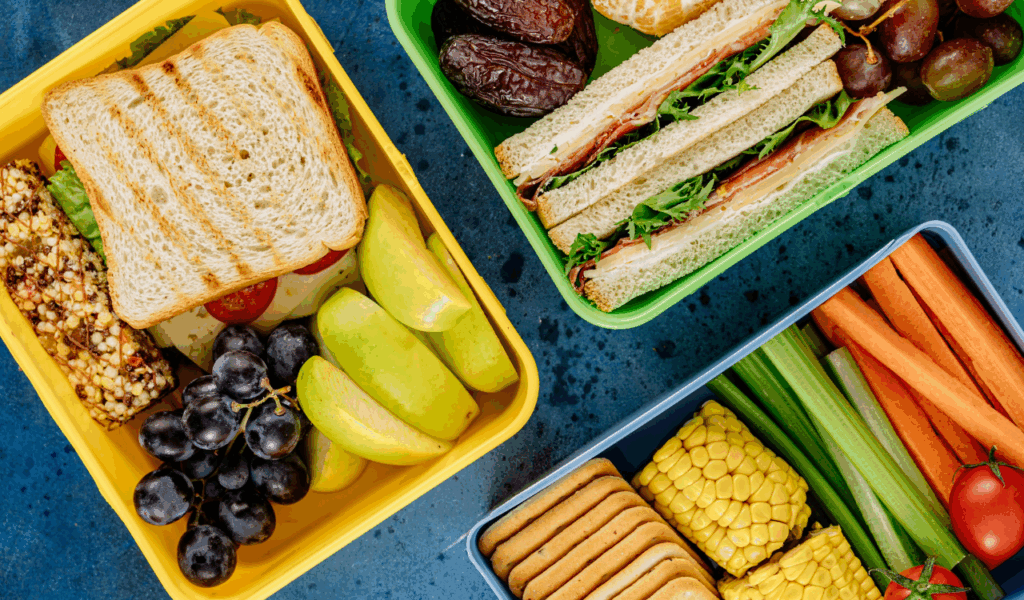
Bento boxes, leakproof jars, and compartment trays look like tools for perfect organization, but they often create hidden expenses. Pieces get lost, lids mismatch, and suddenly the set is incomplete. Parents then buy more containers to keep the system going. Storage space also becomes crowded, making it harder to find what is needed during busy mornings. When packing becomes complicated, families fall back on disposable packaging, adding more cost. Simple containers that stack easily and use universal lids tend to last longer and reduce replacement purchases over time.
4. Ingredient Subscription Boxes That Raised Per-Meal Costs

Meal and ingredient boxes promise convenience, but they usually cost more per serving than shopping for basic ingredients at the grocery store. While portions are pre-measured, families often find they still need extra snacks or sides to fill lunches. Over time, the monthly fees add up and reduce flexibility in choosing budget-friendly options or using store sales. Subscription meals also limit leftovers that could stretch into multiple lunches. What feels efficient at first often becomes an expensive habit that does not adapt well to changing schedules or appetites.
5. Gourmet Sauces and Dressings That Became Cost-Add-Ons
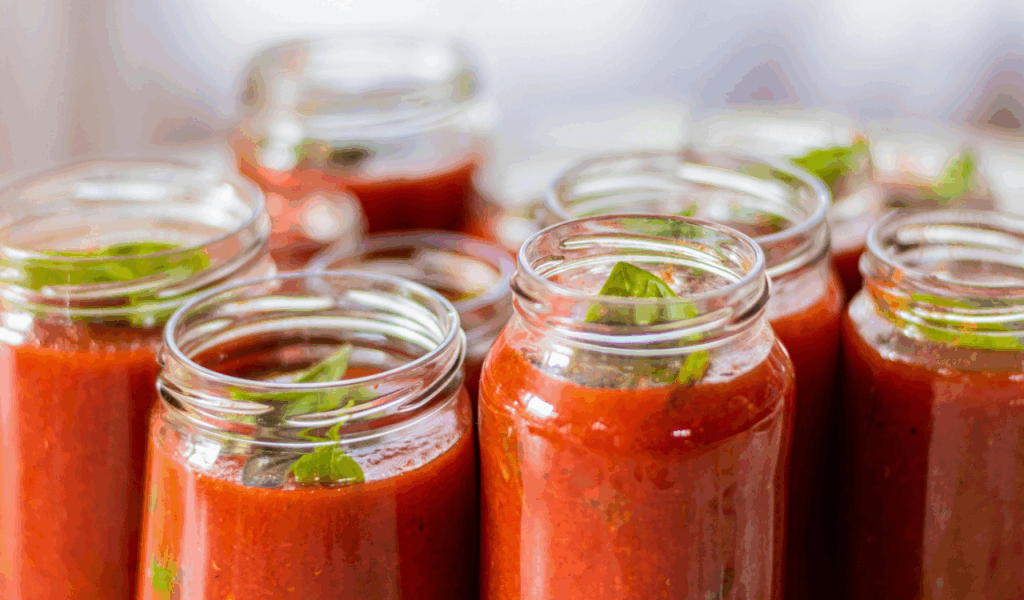
Adding specialty sauces to meal prep can make simple lunches more appealing, but bottled dressings and marinades add steady extra costs. Many of these products are used in small amounts and then forgotten in the fridge until they expire. When multiple sauces are bought to keep meals interesting, spending quietly increases. Homemade dressings and basic seasoning blends usually cost far less and can be made in quantities that match real use. Store-bought flavor boosters often feel minor individually, but together they push grocery bills higher without significantly improving nutrition or fullness.
6. Individually Packaged Snacks That Added Up Quickly
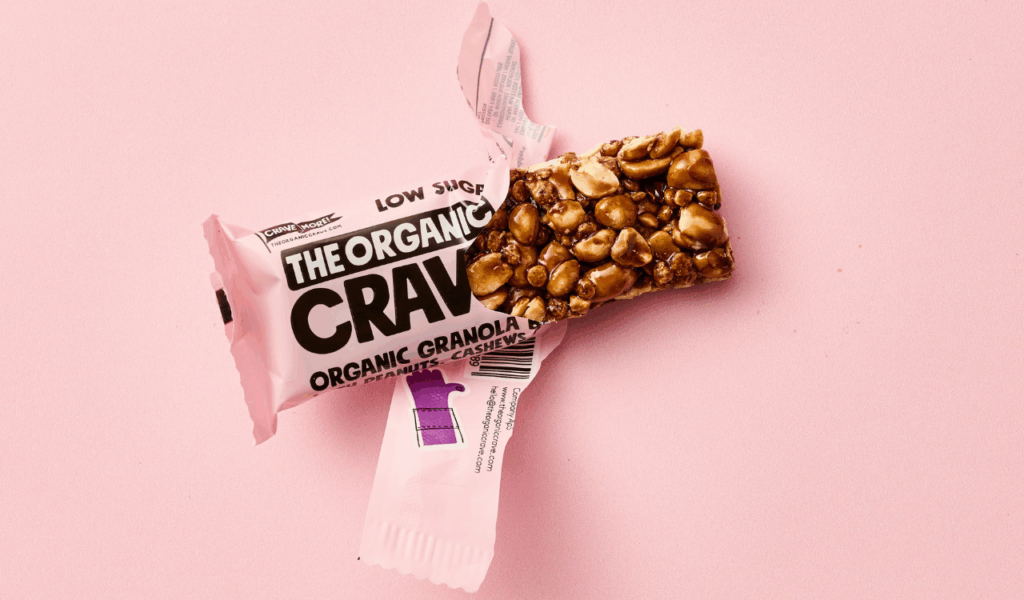
Pre-wrapped snack packs are convenient for portion control, but they cost far more than buying in bulk. Packaging and branding drive up prices while reducing the amount of food per dollar. Kids also tend to eat through them quickly, which means families restock often. Bulk items like crackers, fruit, and yogurt can be portioned at home for much less, especially when using reusable containers. Over time, relying on single-serve snacks turns lunch prep into a steady stream of small purchases that quietly raise weekly food costs.
7. Disposable Wraps and Bags That Became Recurring Expenses

Using disposable sandwich bags and wraps feels easy, but it creates constant replacement costs. When families prep lunches five days a week, those small items add up fast. Running out midweek leads to emergency store trips and impulse buys. Reusable containers and washable wraps cost more upfront but save money in months. Disposable packaging also encourages tossing leftovers instead of saving them. What starts as convenience often becomes a steady drain on grocery budgets and creates more waste at the same time.
8. Pre-Marinated Proteins That Cost More Than DIY Seasoning

Store-bought marinated meats and flavored tofu are marketed as time savers, but they are priced higher than plain versions. Families pay for seasoning that could be added at home with pantry staples. These products also limit flexibility since flavors may not suit everyone’s taste. When kids refuse the flavor, the protein goes uneaten, and money is wasted. Buying plain protein and seasoning it in batches allows control over cost and taste while supporting multiple meal options. The extra minute of seasoning usually saves several dollars per pound.
9. Frozen Lunch Meals That Were Meant to Simplify Prep

Freezer-friendly lunch meals sound economical, but many pre-made frozen options cost more per serving than cooking fresh. Portions are often small, leading to additional snacks or side dishes. Families also tend to stock multiple varieties to avoid boredom, which raises freezer spending quickly. Homemade freezer meals can be budget-friendly, but store-bought versions rarely match that value. What starts as a shortcut often becomes a regular grocery line item that costs more than simple home-cooked lunches.
10. Trendy Grains and Imported Ingredients That Inflated Budgets
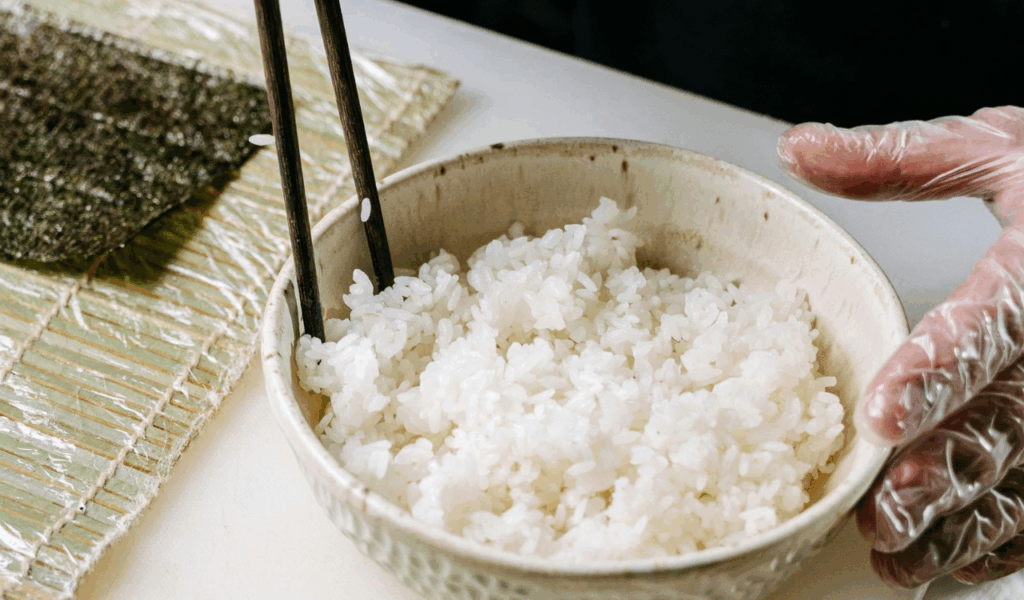
Specialty grains and imported health foods gain popularity through social media, but they usually cost significantly more than common staples. While they may offer nutritional benefits, similar benefits can often be found in less expensive foods like oats, rice, beans, and lentils. When meal prep relies on premium ingredients, cost per serving rises without necessarily improving fullness or satisfaction. Families often buy these items with good intentions, then struggle to use them consistently. Expensive ingredients that do not fit everyday cooking habits end up wasted or replaced by more familiar foods.
11. Bulk Ingredient Purchases That Went Unused

Buying large quantities of ingredients can save money only if everything gets used. In reality, families often buy bulk produce, proteins, or grains with plans to prep extensively, then fall behind schedule. Food expires, freezer space fills, and portions get tossed. Bulk shopping works best with proven routines and simple menus. When buying outpaces realistic cooking time, the savings disappear. Planning smaller, more frequent purchases often leads to less waste and better budget control.
12. Over-Portioning That Turned Into Leftover Waste
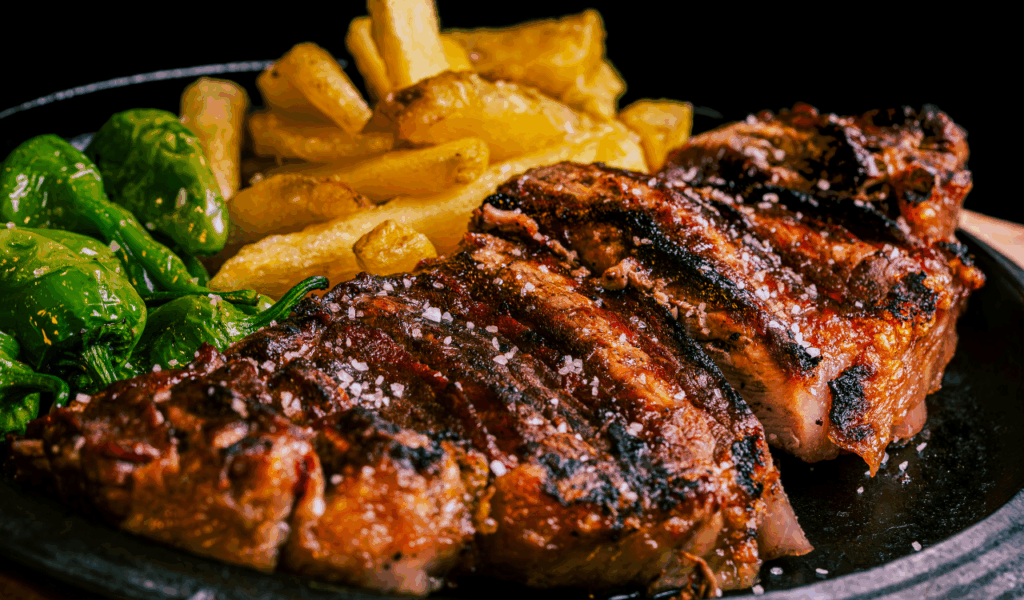
Preparing very large portions to avoid daily cooking can seem efficient, but it increases the risk of food sitting too long. Once leftovers lose freshness or appeal, they are thrown out. Large batches also limit flexibility if plans change or tastes shift midweek. Instead of saving money, over-portioning often results in waste and replacement meals. Moderate batch sizes that can be refreshed or repurposed tend to support better use of ingredients without forcing people to eat meals they no longer want.
13. Complicated Recipes With Long Shopping Lists

Some meal prep recipes promise health and convenience but require many specialty ingredients. Buying those items increases upfront grocery costs and often leaves unused leftovers in the pantry. When recipes take longer to prepare than expected, families abandon the system and return to easier meals, leaving ingredients unused. Simple recipes with overlapping ingredients usually support real savings because they reduce both cost and waste. Complexity may look impressive online, but it rarely fits long-term family routines or tight food budgets.