11 Decor Items People Keep Even When Downsizing
Moving into a smaller footprint frequently involves an emotional filtering process where each item must defend its existence. Professional organizers and relocation managers say that downsizing is about simplifying your life to its most useful and significant parts rather than removing everything. Due to space limitations, furniture is frequently the first item to go, but other décor pieces are regularly left out of the donation bin.
These “survivor” pieces frequently add a feeling of continuity and “soul” that makes a new, smaller room feel like a permanent home right away. Real estate agents and interior designers frequently observe that the most effective reduced spaces combine expensive new furnishings with treasured antiques.
According to experts, you can preserve the personality of your former way of life without the clutter that comes with it by retaining certain high-impact décor pieces. The main “keepers” for people making the shift to a more tailored lifestyle are represented by these eleven products. By giving these components top priority, you make sure that your new home continues to be an elegant representation of your past while offering the emotional and visual support required for a seamless and fulfilling move.
1. Large-Scale Statement Mirrors
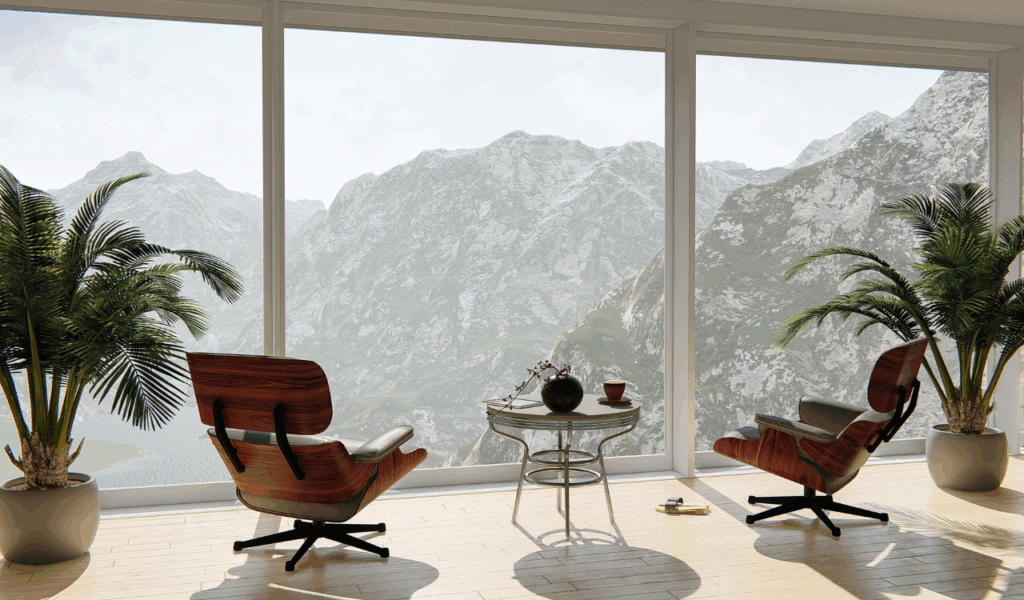
The most useful item in a designer’s toolbox when space is at a premium is a giant statement mirror. A mirror serves as a “secondary window,” reflecting natural light and giving the impression that the space is much deeper, according to interior decorators. When downsizing, people nearly always preserve their high-quality mirrors because of this enormous functional value. An essential feature for a smaller home is a giant mantle piece or a well-positioned floor-length mirror, which can make a tiny living room feel twice as spacious.
Mirrors are one of the few decorative elements that genuinely “reclaim” space visually, according to real estate brokers and expert flippers. According to experts, a mirror enhances the success of your new layout by reflecting the most attractive elements in it. The mirror gives a lasting impression of space, whether it is a sleek contemporary circle or an antique gilded frame. It serves a crucial architectural purpose and is a strategic keeper, demonstrating that the best décor frequently aims to increase the perceived scale of your space.
2. Original Artwork and Heirlooms

A piece of original art takes up no floor space and adds a great deal of individuality, but you might not have place for a huge sectional sofa anymore. The main way people preserve their identity during a move is through art, according to professional organizers. Designers claim that the “visual weight” required to stabilize a tiny space can be found in a single fine painting or in a well chosen gallery wall of family artifacts.
These items are the heart of the house since they preserve the residents’ emotional and historical narratives. Original art is what distinguishes a sophisticated home from a sterile one, according to realtors. According to experts, the walls are a huge expressive resource, even in a little space.
You can make your new space feel “expensive” and deliberate by retaining your most treasured sculptures or paintings. A sense of continuity and permanence that new, store-bought accessories just cannot match is provided by art. With its ability to keep your own past at the forefront of your new, more focused existence, it is the ideal legacy item.
3. High-Quality Area Rugs
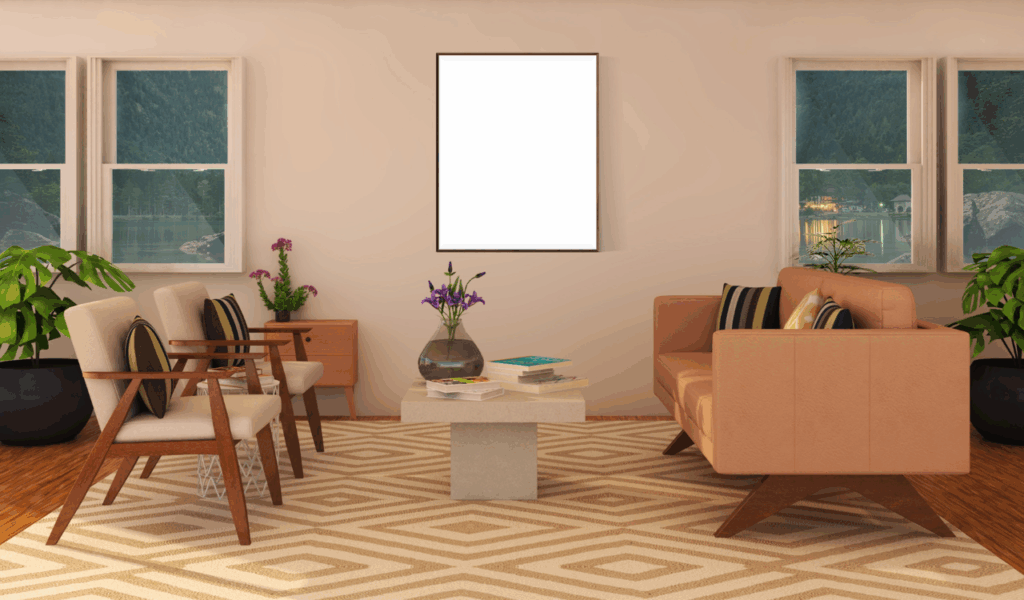
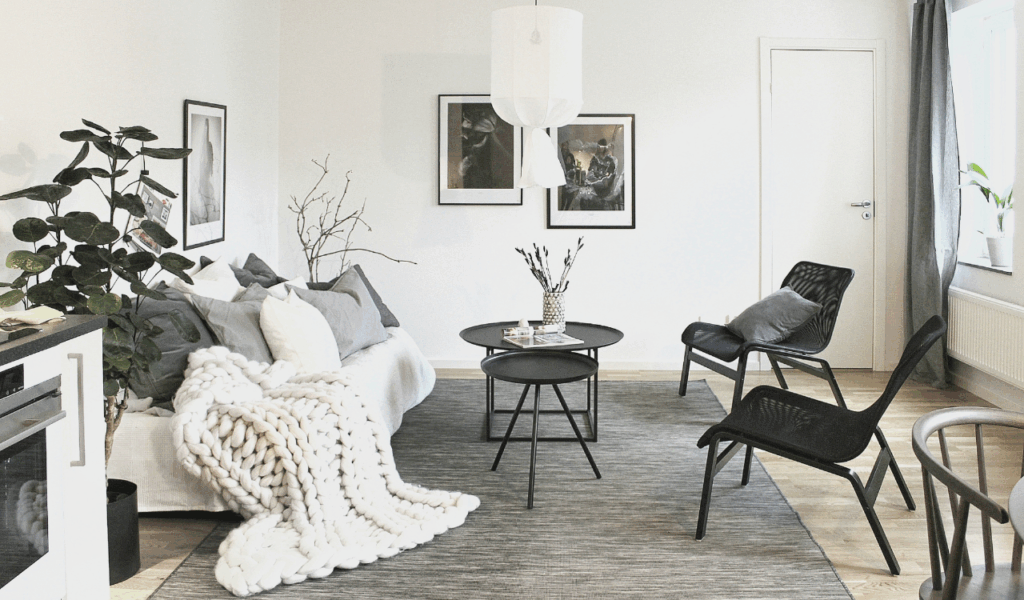
The core of a space is frequently a high-quality area rug, both literally and figuratively, and most individuals manage to incorporate their favorite into a new arrangement. Interior designers claim that the texture needed to “ground” a seating arrangement can be found in a rug with a soft oat, gray, or jewel tone. Designers frequently advise “layering” or tucking rugs under furniture to preserve their comfort and acoustic qualities, even if they are a little too big for the new area. People would hate to lose this tactile luxury.
Rugs are essential for reducing echoes in smaller, frequently more contemporary homes, according to professional move managers. Experts claim that a well-chosen rug can define the living area without the use of walls, bringing unity to a tiny open-concept floor plan. You may maintain the level of underfoot comfort that is necessary for a healing house by having a high-quality wool or silk rug. It is a decorative and practical anchor that operates in the background without being noticed, giving your new, smaller furniture a sense of permanence and purpose right away.
4. Sculptural Lighting Fixtures
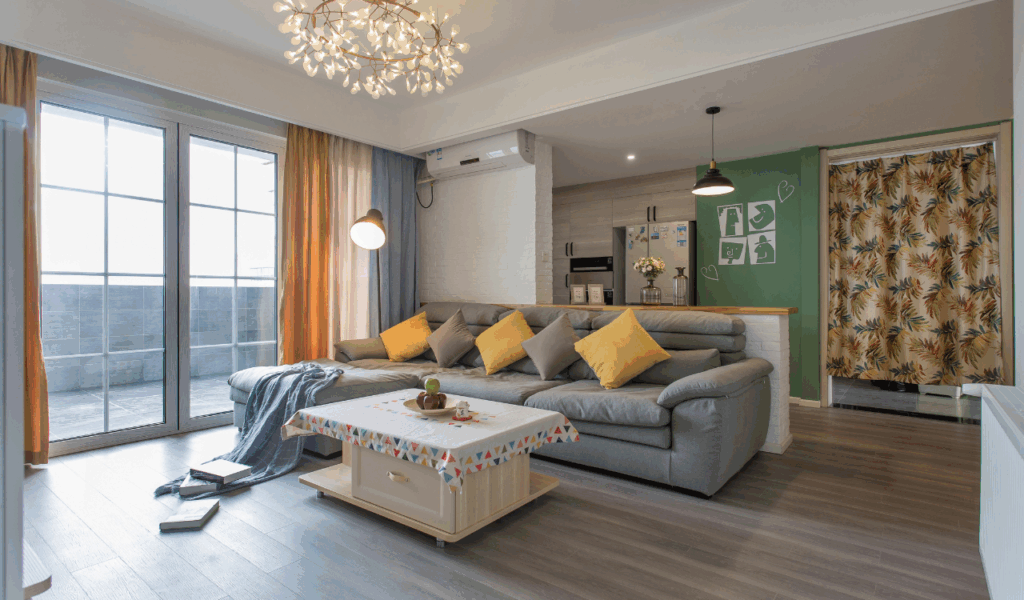
Lighting experts contend that a stunning floor lamp or chandelier serves as the “jewelry” of a place, adding a timeless sense of design independent of floor area. Designers claim that because statement lighting creates a recognizable glow and an architectural focal point, consumers frequently preserve it. A sculptural light fixture can attract the attention upward, even in a small space, giving the impression that the ceilings are higher and the design is more elegant overall.
It is a “one-and-done” decor choice that works well in any size space. Good lighting is one of the best ways to make a small house feel “finished,” according to contractors and real estate agents. According to experts, you can create a sense of continuity in your home’s environment by bringing your favorite pendants or lamps with you. This structural decor defines the tone of your place around-the-clock.
You can depend on your lighting’s elegant silhouette to support the room’s visual weight during the transition, guaranteeing that it always seems like a high-end, carefully designed space.
5. Versatile Woven Baskets

High-quality woven baskets are the best option for “stealth” storage in a tiny space, according to organizers. Experts claim that these natural fiber jars conceal the inevitable clutter of everyday living while adding a much-needed organic aspect to contemporary environments. Almost always preserved throughout a transfer because they are so useful—holding everything from firewood to clothes to blankets. They are easy to slip under console tables or into corners thanks to their strong structure, which guarantees that they can support big loads.
In order to “soften” the harsh lines of a smaller apartment or condo, designers advise use baskets. Realtors claim that wicker or seagrass’s organic texture is a universal indicator of a property that has been lived in and is comfortable. You give yourself a “safety valve” for transition clutter by preserving your assortment of baskets. When storage space is limited, they are a practical décor option that recognizes the realities of a busy existence and offers a chic way to keep your space feeling organized.
6. Premium Window Treatments
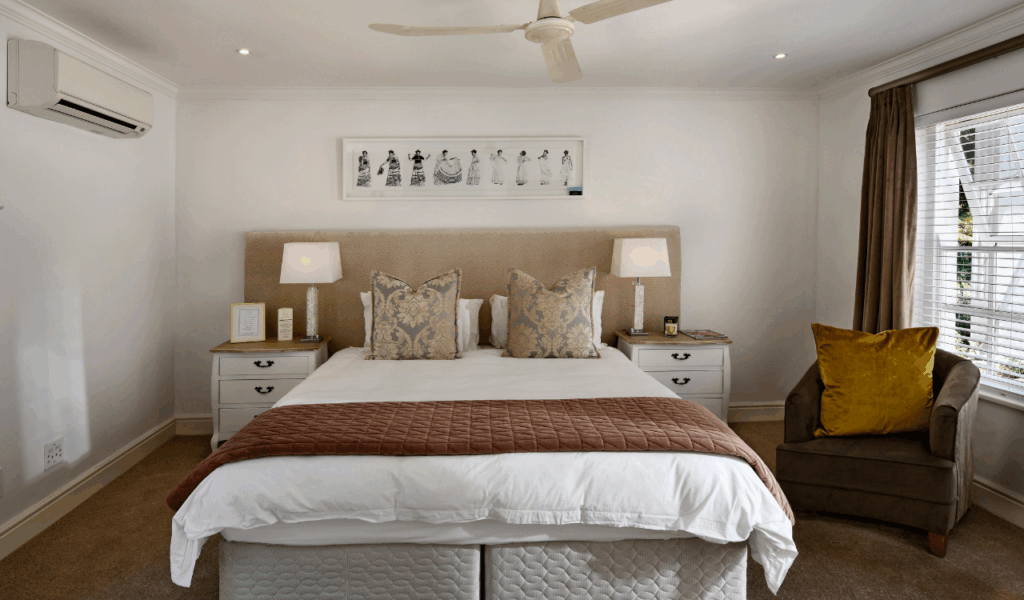
People usually attempt to adapt their expensive curtains or Roman shades to a new area, even though they are usually custom-made. Window experts claim that tailored coverings offer an acoustic dampening and light control that “off-the-shelf” alternatives cannot equal. The window’s vertical plane presents a significant architectural option in a smaller house.
According to experts, retaining your velvet or linen drapes helps you feel comfortable in a new setting by preserving your sense of privacy and elegance. Designers advise that curtains are a surprisingly durable asset since they can be hemmed or changed to match new windows. In order to make a small area feel comfortable rather than claustrophobic, realtors say that fabric’s “softness” is essential.
Your traditional curtains create a feeling of security and confinement. It is a useful luxury that shields your furniture from UV rays and increases the energy efficiency of your house, demonstrating that the most effective décor frequently combines several useful functions at once.
7. Tabletop Books and “Soul” Collections

When downsizing, most people preserve a carefully chosen assortment of their most exquisite tabletop books because a home without books may frequently feel impersonal. Books are the most “flexible” decor, according to interior decorators; they can be used as “risers” for other items, arranged in a line on a shelf, or stacked on a coffee table. The interests and intellectual background of the residents are reflected in these collections. According to experts, maintaining a limited, targeted library creates “visual silence” and intellectual comfort in a new setting.
Limiting your collection to the most significant titles, according to organizers, will guarantee that each book is worth keeping. Realtors claim that a few strategically positioned art books on a console table give a space a sense of habitation and evolution. New accessories just can not replace the sense of history that books convey. They are a lightweight and adaptable piece of décor that gives a tiny space individuality, color, and texture while making sure your new, more concentrated way of living is still filled with the things that pique your interest.
8. Artisanal Ceramics and Pottery
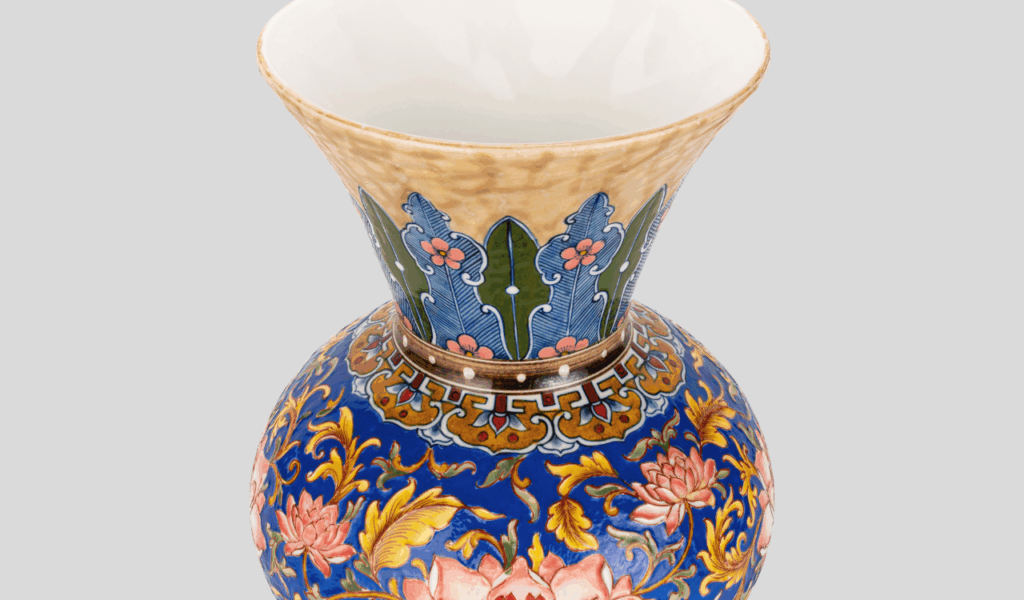
Artisanal ceramics, which are small in scope but have a big influence, are nearly always overlooked when downsizing occurs. A few pieces of handmade pottery, such as a big bowl on the kitchen island or a group of vases on the mantle, are said to give a house a crucial “human touch” by designers. These objects have emotional significance since they frequently symbolize trips or presents.
According to experts, the earthy textures and organic shapes of ceramics offer an essential counterpoint to the flat surfaces and crisp lines of contemporary architecture. Professional flippers frequently give a minimalist space “character” by using distinctive ceramics.
Realtors claim that these items are what give a house a curated feel as opposed to one that has been “decorated” by a retailer. You may preserve a sense of artisanal craftsmanship in your everyday life by preserving your most exquisite pottery. They offer a visual and tactile pleasure that is simple to adapt to your changing demands. These tiny focal features provide depth and intentionality to a smaller house, elevating the overall design and making it feel more upscale and distinctive.
9. Heavy-Duty Decorative Trays
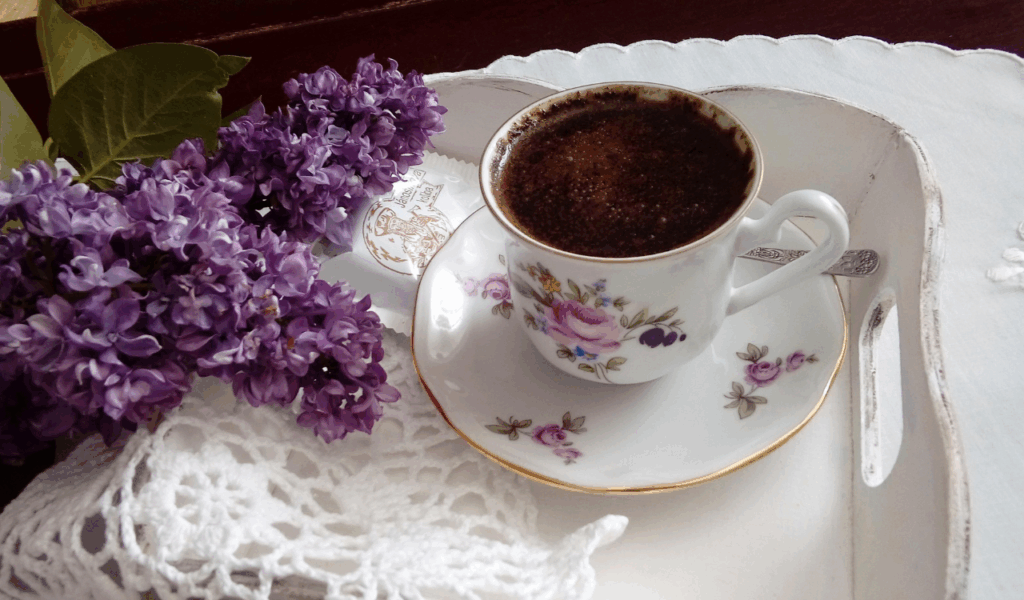
The fact that “clutter” is frequently just a collection of ungrouped tiny items is a huge secret among interior decorators. Experts say that when people downsize, they preserve their high-sided decorative trays because they are the best “organization anchors.” You can stop remote controls, coasters, and keys from strewn all over a small coffee table by keeping them inside the four walls of a tray. Even though the tray itself is full, this method transforms a disorganized mess into a well chosen vignette, giving the impression that a small space is well-organized.
In an open-concept layout, designers advise defining “zones” of activity with trays. Professional organizers claim that trays make the ideal “micro-storage” for nightstands or kitchen counters. You provide yourself a surface barrier by preserving your preferred metal or wooden trays. They are an easy-to-transport storage option that guarantees your new, more constrained surfaces stay visible and purposeful. It is a practical decor option that recognizes the realities of a hectic life and offers a chic way to keep things organized.
10. Sentimental Textiles and Throws

When moving, most people preserve their most treasured pillows and throw blankets since comfort is frequently a matter of tactile familiarity. A well-known cashmere throw or a hand-knitted blanket, according to hospitality experts, instantly creates a feeling of “home” in a strange setting. During the stressful time of a move, these things provide a tangible sense of warmth and security. Layering these textiles over fresh, smaller furniture, according to experts, creates a feeling of continuity and “lived-in” comfort.
According to designers, “soft goods” are the best method to add pattern and color to a minimalist, neutral setting. Realtors claim that a comfortable throw is a global representation of a home that is cozy.
You may make sure that your new living space feels like a haven right away by preserving your most sentimental linens. They serve the dual purposes of keeping you cozy and comfortable in your new location and offering a tactile recall of your past, making them an affordable yet effective way to preserve your individual style.
11. Small-Scale Indoor Greenery

The last layer of a house is made up of plants, and most individuals manage to bring their toughest vegetation with them when they downsize. Experts in botany claim that plants enhance air quality and offer a peaceful, essential connection to nature. A few strategically placed plants, such as a pothos or snake plant, can provide “active” decor and a sense of vitality even in a little flat with little work. They add a bright splash of color and soften the harsh edges of a space, adding vibrancy to the whole setting.
According to designers, plants are the ideal “organic filler” for bare corners or tiny crevices. Greenery is a universal indicator of a well-maintained home, according to real estate agents. By retaining your best-performing plants, you keep your new way of life feeling alive and growing. They are an adaptable and self-sustaining design option that gives you a daily sense of calm and a connection to nature. A high-functioning, restorative house requires a sense of freshness and tranquility, which these green companions offer in a smaller space.